
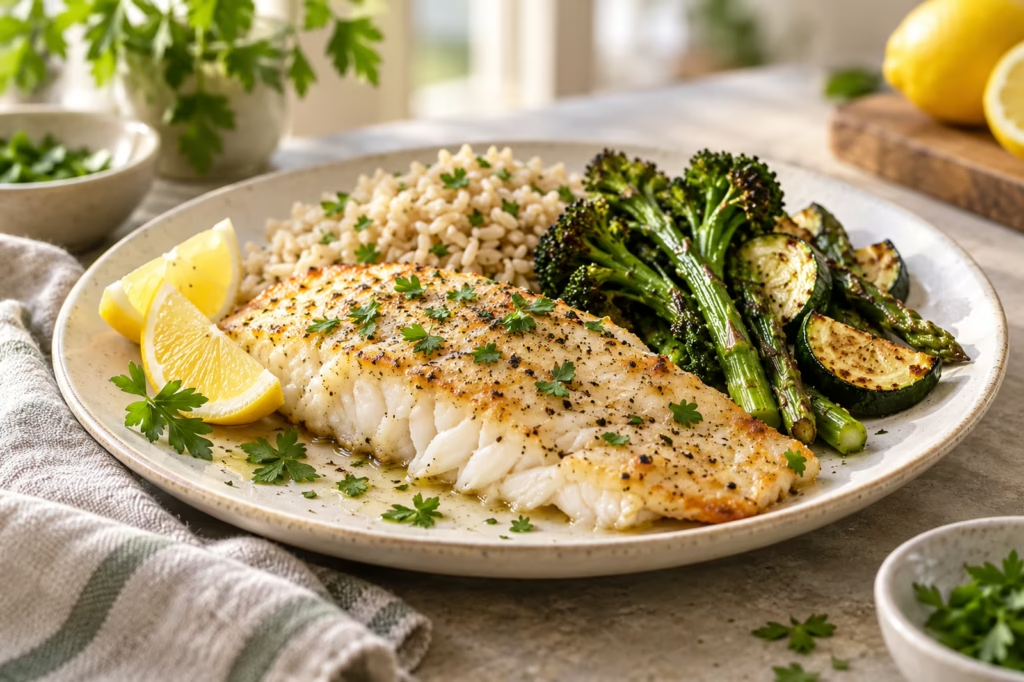
Swai fish is a mild, lean freshwater fish that can fit into a varied diet. It is usually inexpensive, quick to cook, and easy to season, which explains why it turns up in freezer cases and restaurant dishes so often. The useful questions are less dramatic than many online headlines: What species are you buying? Does the label show added solution or extra sodium? Was it kept cold? And will you cook it safely?
Swai is not a miracle fish or a fish to fear. It is a mild protein whose quality depends on the product, the label, and the care you give it in your kitchen.
What swai fish actually is
Swai is the common market name for Pangasianodon hypophthalmus, a freshwater pangasiid fish raised primarily in Southeast Asia, especially Vietnam. It is sometimes sold near catfish because the fish are relatives, but the label should name the product accurately. You may also see pangasius or basa used for related products, so I check the species and country of origin instead of relying on the look of the fillet.
The flesh is white, soft, and mildly sweet without a strong “fishy” character. That makes it approachable for people who do not love assertive seafood, but it also means swai needs thoughtful seasoning. Lemon, garlic, herbs, ginger, tomato, curry spices, and a modest brush of olive oil all give it shape without hiding the fish.
Most swai sold in the United States is frozen. Frozen is not a quality failure; it can be a practical way to preserve fish close to the time it is processed. Look for intact packaging, minimal ice crystals, firm frozen fillets, and a clear ingredient list. If the label lists water, phosphates, salt, or a retained-water statement, compare the sodium and price by edible weight rather than assuming every bag contains the same product.
Swai nutrition, omega-3s, and mercury questions
Swai provides complete protein and is generally a lean fish. Exact calories, protein, fat, and sodium vary by brand, portion, and whether the fillets contain an added solution, so the package Nutrition Facts panel is more useful than one universal number. If protein is your main goal, remember that a satisfying plate also needs plants, flavor, and enough food overall—not just the highest number on a chart.
Swai is not usually as rich in long-chain omega-3 fats as salmon, sardines, trout, or herring. That does not make it “bad”; it means variety matters. You might enjoy swai for a mild weeknight meal and choose a fattier fish at another meal. The FDA and EPA fish advice also emphasizes eating a variety of fish rather than depending on a single species.
Mercury advice should be specific, especially during pregnancy, breastfeeding, and childhood. Because market names and species can be confusing, use the exact label with the current FDA/EPA fish chart or ask a qualified clinician when the choice is medically important. I would not promote an unlabeled fillet as a special low-mercury option simply because it looks like another white fish.
- Check the species: the package should identify what you are buying, not just say “white fish.”
- Read the sodium: added solution can change the number substantially between brands.
- Build variety: rotate swai with salmon, trout, sardines, shellfish, or other choices you enjoy.
- Use the current chart: pregnancy and children’s guidance deserves an official, up-to-date source.
How to buy, thaw, and cook swai safely
Choose fish from a reputable store and keep it cold on the trip home. Thaw frozen swai in the refrigerator, in a leakproof bag under cold running water, or in the microwave only when you will cook it immediately. Do not leave it on the counter. Keep raw fish and its juices away from ready-to-eat foods, and wash hands, utensils, and the work surface after handling it.
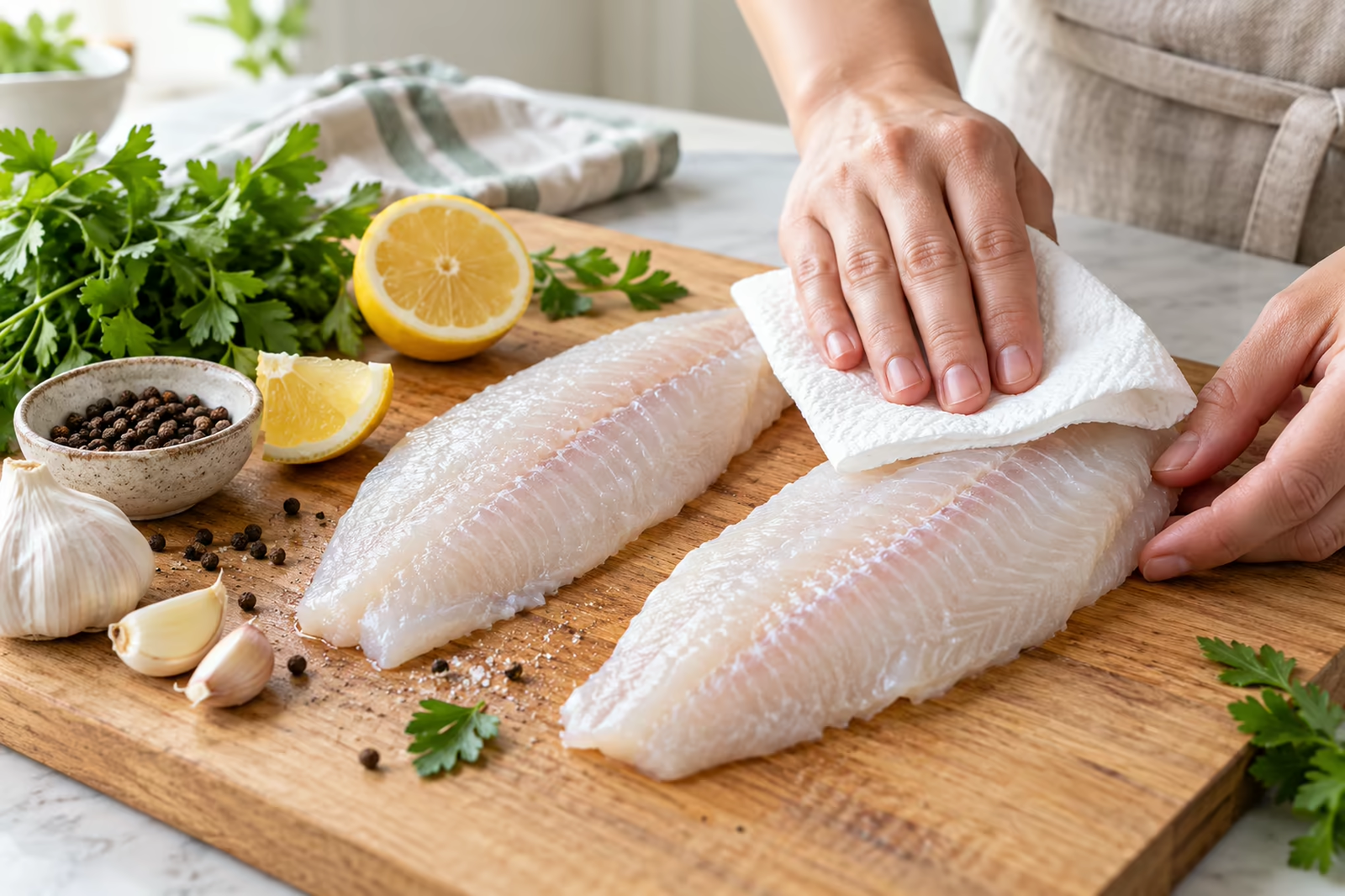
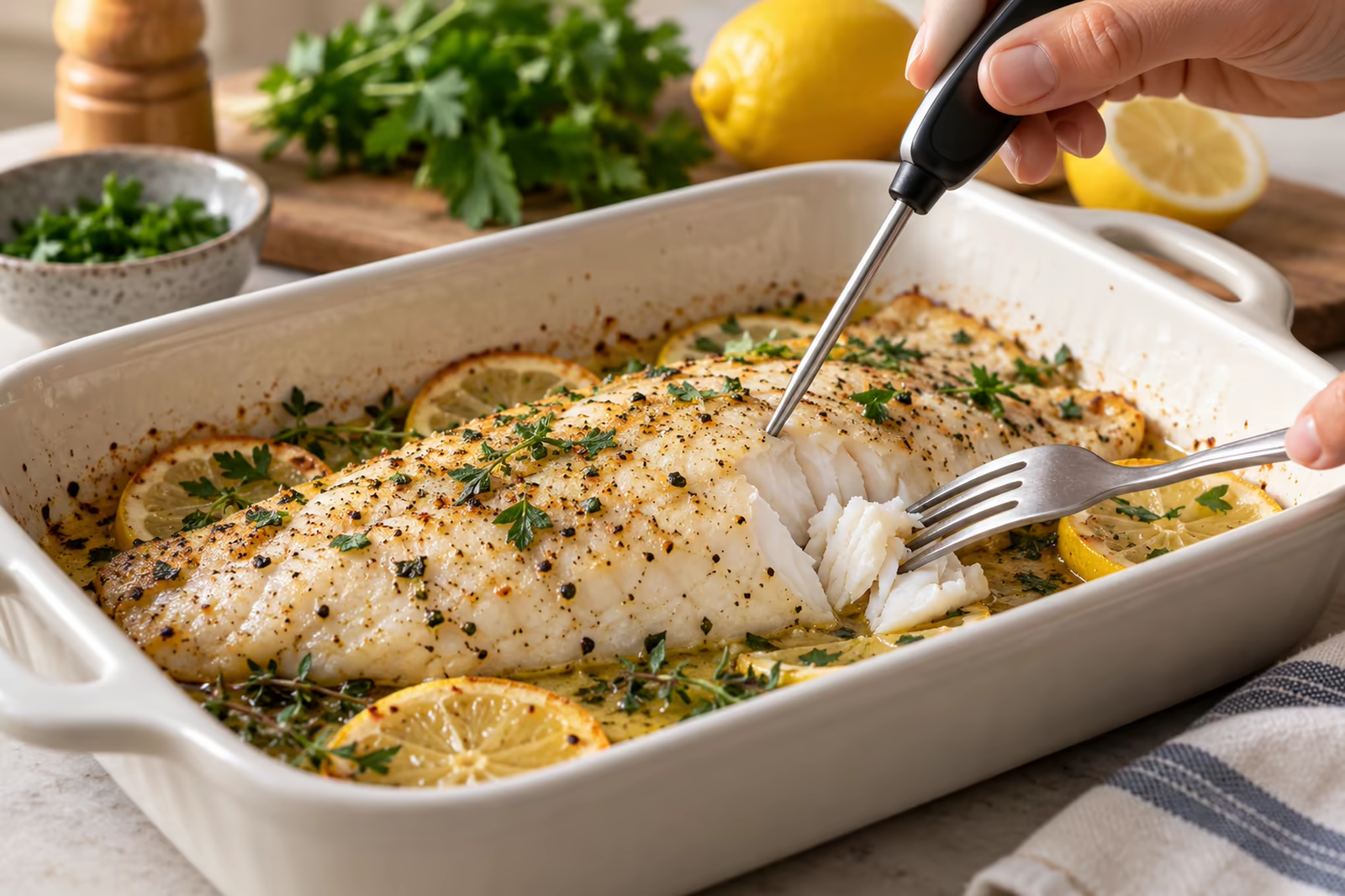
Swai is delicate, so patting it dry helps it brown and keeps seasonings from sliding away. Bake, sauté, steam, or gently simmer it until the thickest part reaches 145°F (63°C), or until the flesh is opaque and separates easily with a fork. A thermometer gives the clearest answer without repeatedly cutting the fish open.
Fresh raw fish should smell mild, not sour, rancid, or sharply ammonia-like. Discard a package that is leaking, badly torn, unusually swollen, or warm when it should be cold. After cooking, refrigerate leftovers promptly in a shallow covered container. Food safety is not something a marinade, lemon juice, or extra heat can repair after poor storage.
The cooking methods that suit its mild flavor
For the simplest dinner, season swai with pepper, garlic, lemon zest, and herbs, brush it lightly with oil, and bake until just done. Because the fillets are lean and often thin, they can turn watery or dry when crowded, overcooked, or moved too aggressively. Give them a little space and handle them with a wide spatula.
- Bake: place the fillets in one layer with citrus, tomatoes, or a spoonful of salsa.
- Pan-cook: dry well, use moderate heat, and turn once when the underside releases easily.
- Steam: add ginger, scallion, and lime for a gentle method that protects moisture.
- Simmer: slide pieces into a tomato, coconut, or vegetable broth near the end of cooking.
- Complete the plate: add brown rice, potatoes, beans, or whole grains plus plenty of vegetables.
Swai works best when it is treated for what it is: a neutral, tender canvas. It will not bring the richness of salmon or the firmness of cod, but it can still become a balanced, enjoyable meal. Let the label guide the purchase, let a thermometer guide doneness, and let the rest of the plate bring color and contrast.
Sources
- U.S. Food and Drug Administration: Advice About Eating Fish
- FoodSafety.gov: Safe Minimum Internal Temperatures
- Food and Agriculture Organization: Cultured Aquatic Species—Pangasius hypophthalmus
- USDA FoodData Central: Swai Search

Hi, I’m Laura, the voice behind Tastiva. I’ve always believed that eating well should feel enjoyable, comforting, and realistic—not like another complicated rule to follow. I love creating recipes that fit into everyday life, sharing simple nutrition ideas, and finding small ways to make meals feel a little better without losing the pleasure of good food.