
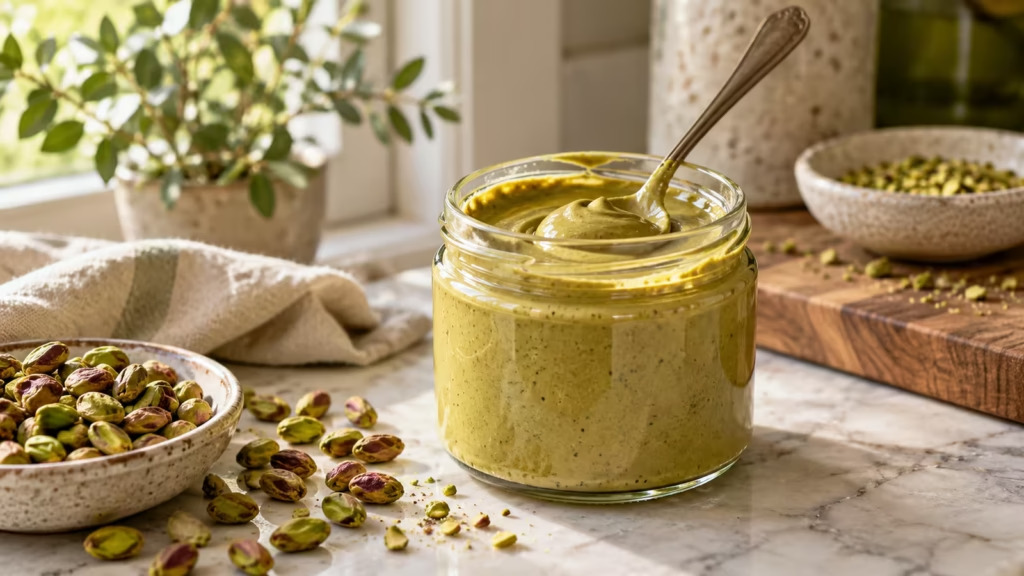
Pistachio butter is a spread made by grinding pistachios until their natural oils create a creamy paste. It tastes lightly sweet, nutty, and earthy, and it can be used anywhere you might reach for peanut or almond butter.
The best pistachio butter is the one whose ingredient list, texture, price, and flavor fit how you plan to use it.
I’m Laura, and I treat pistachio butter as a flavorful food rather than a miracle ingredient. It provides useful nutrients, but its calories are concentrated, its price can be high, and products with added sugar or oil can be quite different from a simple jar of ground nuts.
What pistachio butter is made from
At its simplest, the ingredient list says pistachios—sometimes with salt. Some brands add neutral oil to make the spread looser, sugar for sweetness, or milk powder and flavorings for a dessert-style cream. Those versions can still be enjoyable, but they are not nutritionally interchangeable.
The natural color ranges from tan-green to a deeper olive. A neon-green spread may use color or other ingredients, while a brownish tint can come from roasted nuts and skins. Separation is normal in a minimally processed nut butter; stirring the oil back in restores the texture.
Pistachios are tree nuts. People with a pistachio or cashew allergy should avoid the spread, and anyone with another tree-nut allergy should follow individualized advice from an allergist. Check the package for shared-equipment warnings when cross-contact matters.
Pistachio butter nutrition in context
Pistachio butter supplies mostly unsaturated fat, along with plant protein, fiber, vitamin B6, thiamin, copper, phosphorus, and other nutrients found in pistachios. Exact values depend on serving size and additions, so use the nutrition facts for the jar in your hand.
- Compare the listed serving size before comparing calories or protein.
- Look at added sugars if the product is marketed as a sweet cream.
- Check sodium when choosing salted versus unsalted.
- Scan the ingredient list for oils, dairy, cocoa, sweeteners, or flavorings you may not expect.
Nut butter is energy-dense, which can be helpful when appetite is low or portable fuel is useful. It can also be easy to pour or spoon much more than the label’s serving. Portion awareness is more informative than calling the food automatically “good” or “bad.” For another buttery seed with a very different culinary role, see Tastiva’s guide to pine kernels and pine nuts.
How to make pistachio butter
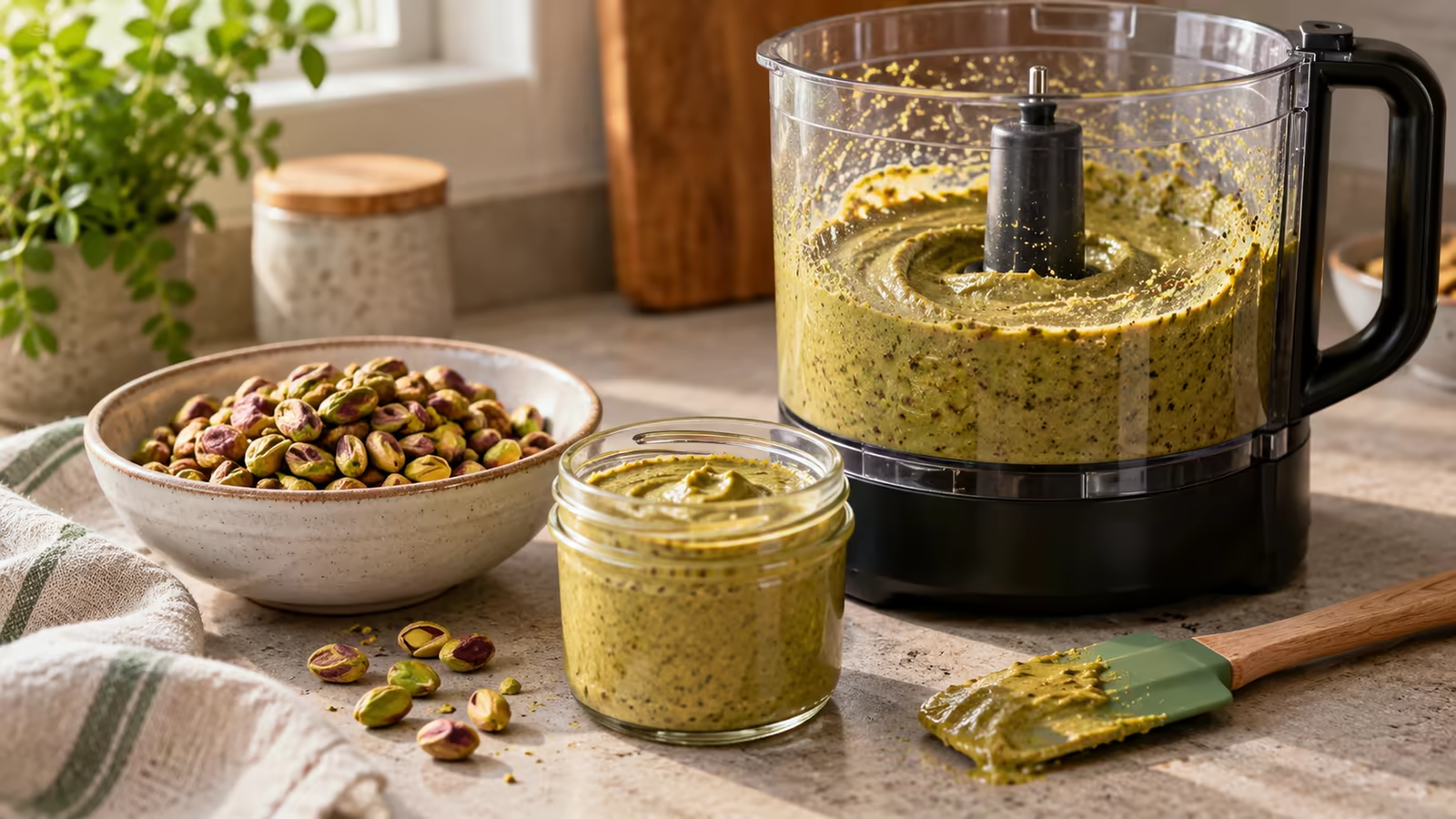
Use shelled, unsalted pistachios if you want full control of the flavor. Light roasting deepens the aroma and helps the oils release. Let the nuts cool slightly, then process them—pausing to scrape the bowl—until crumbs become a thick paste and finally a smoother butter.
- Start with about 2 cups of shelled pistachios so a standard food processor has enough volume to work.
- Process patiently for several minutes and stop if the machine becomes hot.
- Add a small pinch of salt if desired; add oil only if the mixture truly needs help moving.
- Transfer to a clean, dry jar. Refrigeration helps preserve freshness, especially for homemade butter.
Do not add water to thin nut butter for storage; moisture can shorten its life. For a drizzle, loosen only the portion you are using with warm water, milk, or citrus, depending on the dish. Homemade texture may stay slightly grainy because commercial grinders are more powerful.
Easy ways to use and store it
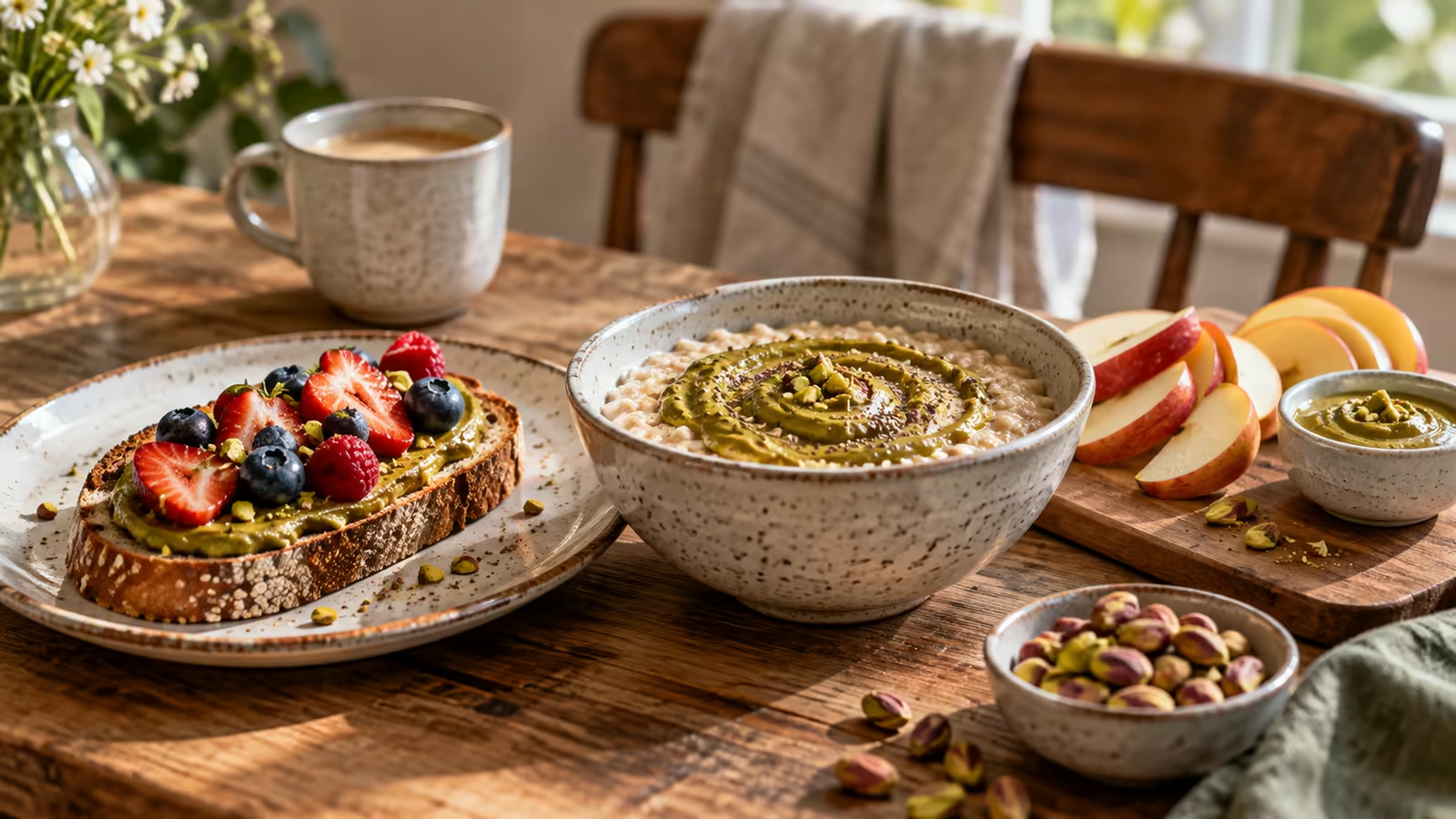
Spread pistachio butter on toast, swirl it into oatmeal or yogurt, pair it with apples or pears, or blend a spoonful into a smoothie. It also works in vinaigrettes, sauces for roasted vegetables, and baked goods. In desserts, its distinctive flavor pairs well with berries, citrus, chocolate, honey, and cardamom.
Commercial storage directions vary. Follow the jar: some products are stable in a cool pantry after opening, while others recommend refrigeration. Keep the rim clean, use a dry utensil, and discard the butter if it develops mold, an unpleasant fermented odor, or a sharply rancid taste.
If you are buying it for the first time, choose a small jar with a short ingredient list and decide whether you want savory nut butter or a sweet pistachio cream. The difference matters more than front-label claims.
Sources
- USDA FoodData Central
- U.S. Food and Drug Administration: Food Allergies
- Harvard T.H. Chan School of Public Health: Nuts and Heart Health

Hi, I’m Laura, the voice behind Tastiva. I’ve always believed that eating well should feel enjoyable, comforting, and realistic—not like another complicated rule to follow. I love creating recipes that fit into everyday life, sharing simple nutrition ideas, and finding small ways to make meals feel a little better without losing the pleasure of good food.