
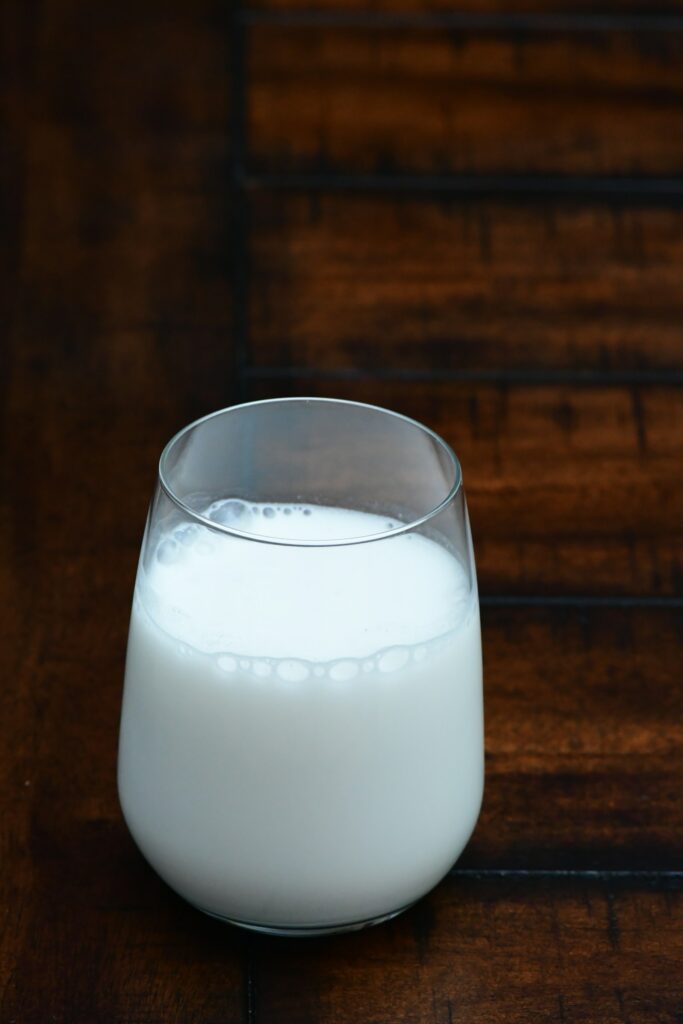
An evaporated milk substitute should match the job the milk is doing. A splash in coffee is easy to replace; the dairy in a pumpkin custard needs more care. Half-and-half can be a useful option in forgiving dishes, while reduced milk gets closer to the original ingredient. Sweetened condensed milk needs a recipe specifically written for it.
Before reaching for another carton, check whether your recipe needs creaminess, concentrated milk solids, or a carefully balanced filling. That small pause can save the dish.
Start with the amount and the recipe

Evaporated milk is unsweetened milk with water removed through processing. It pours more richly than regular milk and has a lightly cooked flavor. A standard 12-fluid-ounce can holds 1½ US cups; fluid ounces describe volume, so don't replace that with 12 ounces weighed on a scale. Our evaporated milk guide explains the ingredient itself in more detail.
Check whether the recipe wants the milk straight from the can or diluted with water. These are different starting points. Carnation's FAQ gives equal parts evaporated milk and water as a replacement for regular milk. If your recipe already combines ½ cup evaporated milk with ½ cup water, replacing that whole combination with 1 cup regular milk is a much closer exchange than replacing undiluted evaporated milk with regular milk.
Then consider how much flexibility you have. Coffee, oatmeal, and many soups let you taste and adjust as you go. Custards, fudge, and baked fillings depend more closely on their liquid balance. For those dishes, use a substitution supplied by the recipe developer or choose a version already written for the dairy you have. I would make that choice before cracking eggs or heating sugar.
Useful substitutes and their limits
There isn't one carton that behaves exactly like every kind of evaporated milk. Whole, reduced-fat, and fat-free versions already differ. The options below are practical starting points, with the most forgiving uses first; they aren't promises that every pie or candy recipe will set the same way.
| What you have | Amount to consider | Where it can help | What changes |
|---|---|---|---|
| Half-and-half | Start with the same volume in a forgiving recipe | Coffee, creamy soup, or a sauce you can adjust | Usually richer in fat; the cooked milk flavor differs |
| Milk plus cream | ¾ cup milk plus ¼ cup cream for 1 cup | A practical richness substitute when the recipe allows flexibility | It doesn't reproduce evaporated milk's concentrated body |
| Regular milk | Replace the combined milk-and-water quantity when the recipe first dilutes evaporated milk 1:1 | Recipes using reconstituted evaporated milk | Match the milk type when possible |
| Homemade reduced milk | Measure the cooled, finished milk to the amount required | Recipes compatible with homemade evaporated milk | Reduction takes attention and varies with the pan |
| Unsweetened evaporated plant-based product | Follow the product and recipe directions | A dairy-free recipe designed for that product | Ingredients, flavor, and performance vary |
Carnation lists evaporated milk as an equal-volume alternative to half-and-half; using half-and-half in the other direction is a practical inference for adjustable dishes, not a tested guarantee for every filling. The milk-and-cream mixture comes from Bigger Bolder Baking's substitution guidance. For the difference between cream cartons, see heavy cream versus heavy whipping cream.
When reducing regular milk makes sense

If you have milk and enough time to watch a saucepan, reduction addresses the missing concentration directly. Gentle heat lets water evaporate while the milk becomes more concentrated. Bigger Bolder Baking describes using a heavy-bottomed pan, a gentle simmer, and occasional stirring to prevent scorching. Straining removes any skin before the milk is cooled and measured. Follow a complete reduction recipe rather than assuming that a certain number of minutes guarantees the correct amount.
The finished volume is the useful checkpoint. A wide pan can lose water differently from a narrow one, and a vigorous simmer can leave scorched solids before you notice much change at the surface. Homemade reduced milk also isn't commercially sterilized canned milk: keep it refrigerated, and don't treat a closed jar as a pantry product. There is no advantage in rushing that distinction.
For a baking project, read the rest of the recipe while the milk cools. If it specifies cooled dairy, adding hot milk changes another variable. If the recipe calls for only a small amount, measure that portion instead of tipping in everything you made. Clear measuring is especially helpful when the original instruction simply says “one can” and your replacement comes from a jug.
Avoid the swaps that change the whole recipe
Sweetened condensed milk adds substantial sweetness and has a different consistency. Removing a little sugar from the recipe doesn't automatically turn it into evaporated milk. Buttermilk brings acidity; flavored coffee creamer may bring sweeteners and other ingredients. Neither is a neutral replacement. For dairy-free baking, plain plant milk also needs more consideration than matching the number of cups: use a recipe that accounts for its different composition.
Before committing, check four things:
- Sweetness: choose unsweetened dairy or a recipe that explicitly accounts for added sugar.
- Allergens: dairy-free and lactose-free mean different things; read the actual ingredient and allergen statements.
- Quantity: match fluid volume and note any water already added by the recipe.
- Setting: if the dish needs to hold a slice or become firm candy, prioritize the developer's tested alternative.
Refrigerate opened dairy promptly and follow its storage instructions. For a weeknight soup, an adaptable substitute can be perfectly useful. For a celebration pie, buying the specified can or choosing another tested recipe may be the calmer choice. A good substitution should make dinner easier while keeping expectations realistic about what will come out of the oven.
Sources
- Carnation: Frequently Asked Questions
- Bigger Bolder Baking: Evaporated Milk Method and Substitution Guidance

Hi, I’m Laura, the voice behind Tastiva. I’ve always believed that eating well should feel enjoyable, comforting, and realistic—not like another complicated rule to follow. I love creating recipes that fit into everyday life, sharing simple nutrition ideas, and finding small ways to make meals feel a little better without losing the pleasure of good food.