
Vitamin B12 helps your body make healthy red blood cells, maintain the nervous system, and produce DNA. Those are essential jobs, but they don't make an extra-large dose a shortcut to feeling energetic. If you're asking what B12 is good for because you're unusually tired, the useful next step is understanding the cause, not choosing the brightest bottle.
B12 matters enormously when you need it. Taking more than you need, though, isn't the same thing as giving your body more energy.
What vitamin B12 actually does
Also called cobalamin, B12 is a water-soluble vitamin involved in normal metabolism and nerve function. It helps support red blood cell formation; too little can contribute to a form of anemia in which blood cells do not develop normally. Unlike a stimulant, it doesn't provide an immediate caffeine-like lift. MedlinePlus explains its basic functions and food sources.
The energy connection needs that context. Deficiency can make someone feel tired or weak, and treating it addresses a real problem. However, NIH's consumer fact sheet reports that B12 supplements do not improve energy or endurance in people already getting enough. “Supports energy metabolism” on a package is not evidence that the product will solve your afternoon slump.
For most adults, the recommended daily intake is 2.4 micrograms, rising to 2.6 during pregnancy and 2.8 while breastfeeding. A microgram is a very small unit; these amounts are not milligrams. They describe daily nutritional requirements, not a treatment dose for a diagnosed deficiency. That distinction matters when comparing a food label with a supplement containing hundreds of micrograms.
Foods that can help you get enough

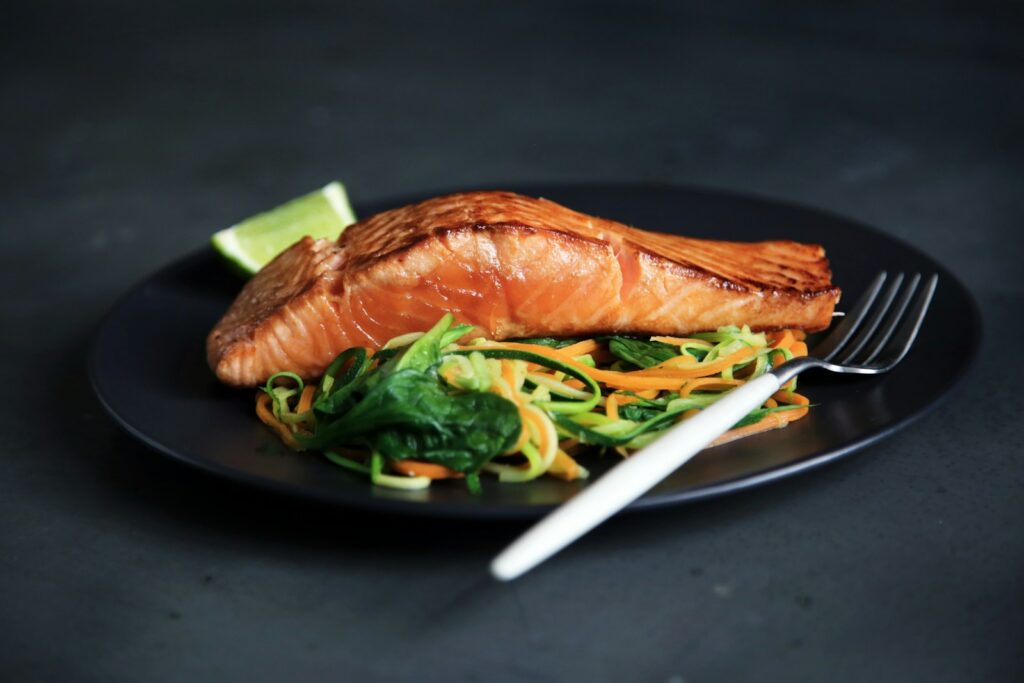
Fish, meat, eggs, and dairy naturally supply B12. Fortified foods can provide it too, which is particularly useful for people who avoid animal products. Ordinary unfortified plant foods aren't dependable sources. I would check the carton or cereal box itself rather than assume that a food described as nourishing, fermented, or plant-based contains this particular vitamin.
These examples come from the NIH Office of Dietary Supplements' food table. They illustrate realistic portions, not a requirement to eat every food listed each day.
| Food | Portion | B12, approximately |
|---|---|---|
| Cooked Atlantic salmon | 3 ounces | 2.6 mcg |
| Light tuna canned in water | 3 ounces | 2.5 mcg |
| Reduced-fat milk, 2% | 1 cup | 1.3 mcg |
| Plain fat-free yogurt | 6 ounces | 1.0 mcg |
| Cooked egg | 1 large | 0.5 mcg |
For fortified cereal, nutritional yeast, or a plant-based drink, use the amount on that product's label and check the serving size. Fortification varies; one brand is not a stand-in for the whole shelf. A simple meal could pair eggs with toast or salmon with potatoes and vegetables. Our salmon cooking guide helps with the kitchen part. If you eat vegan, a dependable fortified-food or supplement plan deserves specific attention.
Who is more likely to run low

Getting B12 into a meal and absorbing it are separate steps. Stomach processes release it from food, and a protein called intrinsic factor helps with absorption. Older adults, people with pernicious anemia, and those with certain stomach or intestinal conditions or surgeries may have difficulty absorbing enough. A varied diet doesn't rule that out. MedlinePlus describes these risk factors in its B12 overview.
People who eat little or no animal food need to consider intake as well. Certain medicines, including metformin and acid-suppressing drugs, can also affect B12 status. Tell your clinician which medicines and supplements you take; don't stop prescribed treatment because you read about a possible nutrient interaction. The NIH professional fact sheet discusses these medication considerations and the tests clinicians may use.
Possible symptoms deserve an assessment rather than a kitchen diagnosis:
- Unexplained tiredness, weakness, or a sore tongue can occur with deficiency, but also have other causes.
- Numbness, tingling, or changes in balance can involve the nervous system and warrant prompt medical attention.
- Symptoms can occur before anemia is present, so the absence of a known anemia diagnosis doesn't settle the question.
- Bring your eating pattern, symptom history, and medication list to an appointment instead of trying to interpret one symptom alone.
How to think about supplements and treatment
The NHS advises assessment for symptoms of B12 deficiency, because untreated problems can sometimes cause lasting damage. A clinician can consider symptoms and blood tests together and investigate why levels are low. Treatment may involve oral B12 or injections depending on the situation. A food article cannot choose the appropriate route or dose for you.
For routine shopping, a more expensive form is not automatically more effective. NIH notes that research has not established one supplemental form as superior to the others. Names such as methylcobalamin and cyanocobalamin tell you which form is present; they do not, by themselves, show that you need the product. Nor does a large percentage on the label tell you how much your body will absorb or whether a deficiency exists.
I would separate two decisions: keeping a reliable source of B12 in an everyday eating pattern, and investigating symptoms that need care. The first can start with reading a label or planning a meal. The second deserves a professional assessment. That gives this essential vitamin the attention it needs without asking a supplement to explain every tired morning or replace a proper conversation about your health.
Sources
- NIH Office of Dietary Supplements: Vitamin B12 Consumer Fact Sheet
- NIH Office of Dietary Supplements: Vitamin B12 Health Professional Fact Sheet
- MedlinePlus: Vitamin B12
- NHS: Symptoms of Vitamin B12 or Folate Deficiency Anemia

Hi, I’m Laura, the voice behind Tastiva. I’ve always believed that eating well should feel enjoyable, comforting, and realistic—not like another complicated rule to follow. I love creating recipes that fit into everyday life, sharing simple nutrition ideas, and finding small ways to make meals feel a little better without losing the pleasure of good food.