
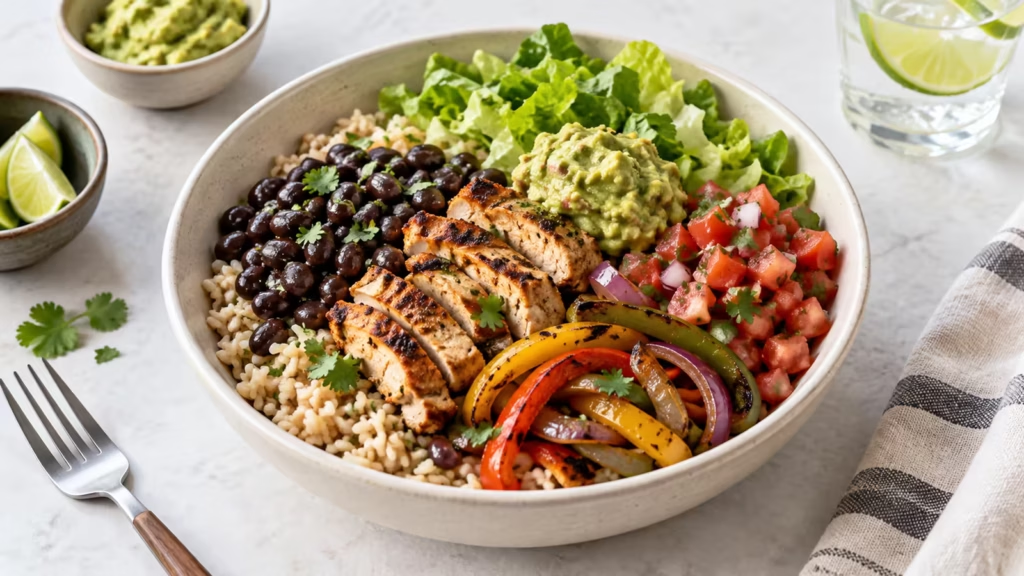
The Chipotle line looks like one menu, but it can produce meals that are dramatically different in size, sodium, fiber, protein, and richness. Chipotle can be a healthy choice when the order supports your appetite and overall eating pattern—especially when it includes vegetables, beans, a useful protein source, and toppings chosen on purpose. It can also become an enormous meal when a tortilla, full portions of rice and beans, cheese, sour cream, guacamole, chips, and a sweet drink all arrive together. I do not think the answer is a joyless “diet bowl.” It is learning which parts make the meal satisfying and which extras you barely notice.
A balanced Chipotle order is not the one with the fewest ingredients; it is the one where every layer has a reason to be there.
Start with the format: bowl, burrito, salad, or tacos
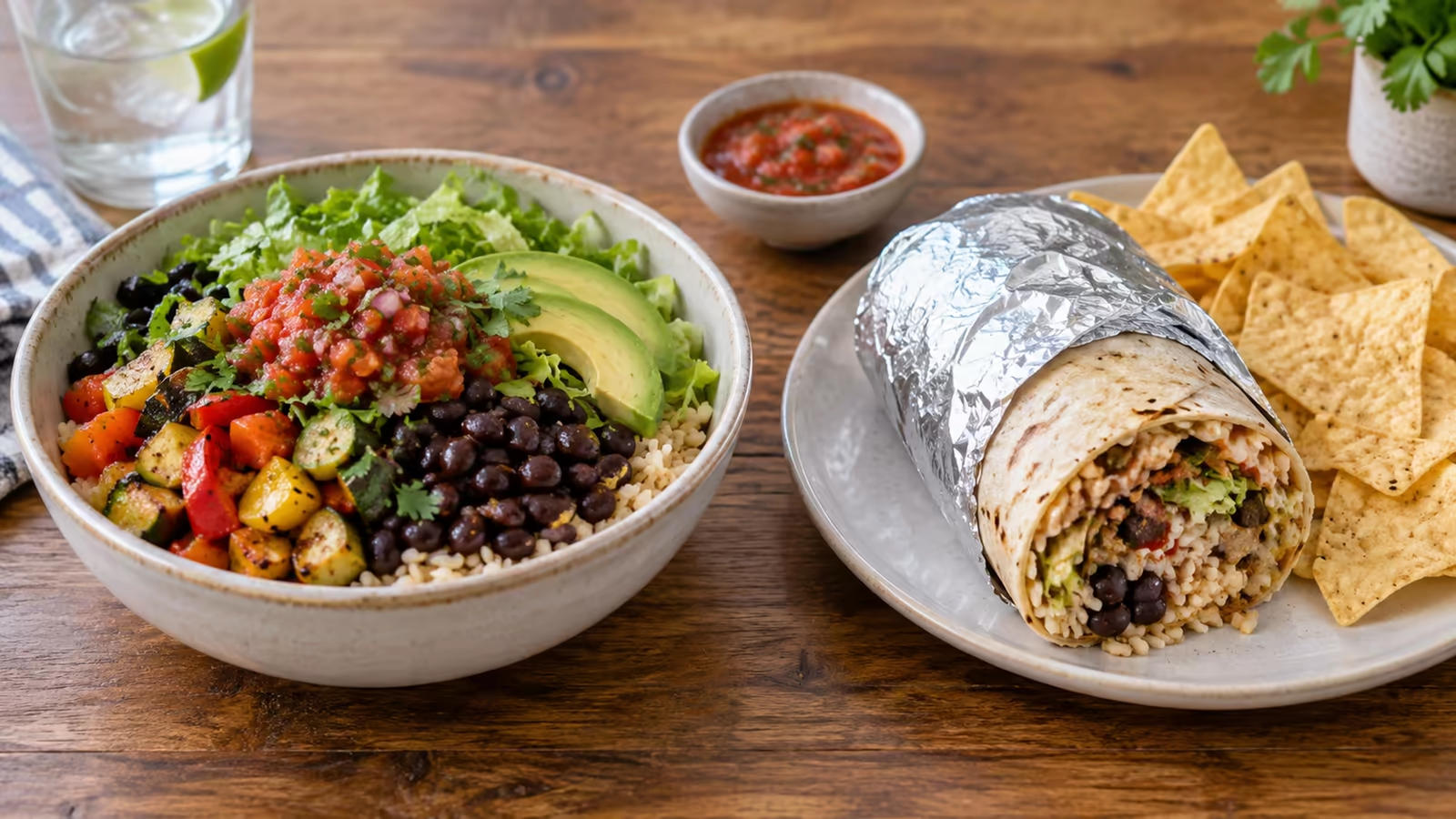
A burrito bowl makes portions visible and leaves room for lettuce, fajita vegetables, and salsa without adding a large flour tortilla. That does not make bowls automatically “good” and burritos “bad.” A burrito is portable and satisfying, but its tortilla is a meaningful part of the meal rather than invisible packaging. If you want the tortilla experience with more control, tacos or a tortilla on the side make each bite deliberate.
A salad begins with greens, yet the final meal may still be substantial once rice, beans, protein, cheese, guacamole, and dressing are added. Chipotle’s vinaigrette is flavorful, so start with a little or ask for it on the side instead of assuming every salad needs the full container. Conversely, skipping rice, beans, and dressing can leave you hungry an hour later. “Lightest” is not always most supportive.
Use Chipotle’s current nutrition calculator for the exact location and ingredients you choose because recipes, portions, and menu items can change. Build the real order, not an imaginary standard bowl. If the meal is larger than your appetite, deciding in advance to save part is kinder than waiting until you are uncomfortably full.
Build the center with protein, fiber, and vegetables
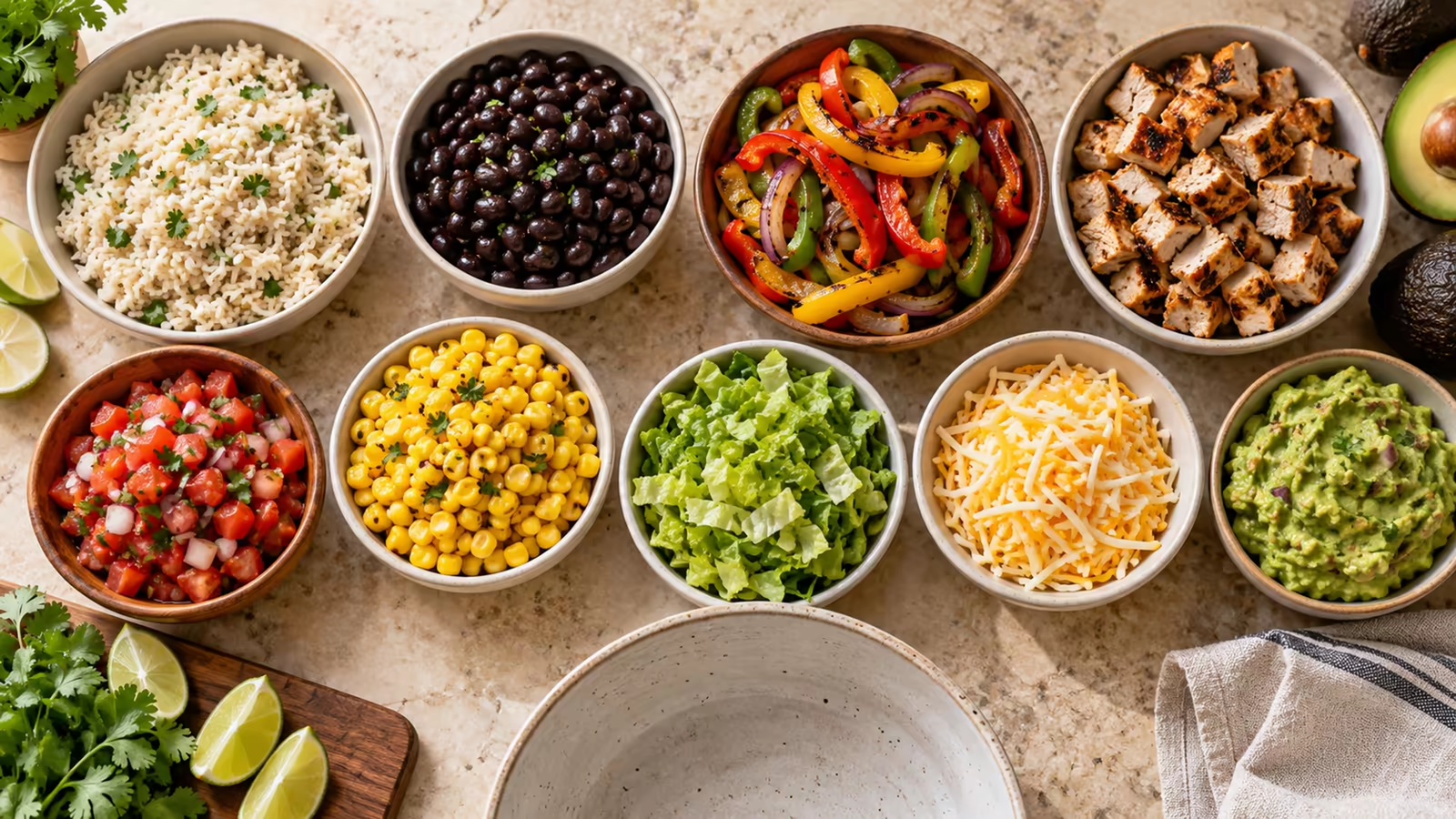
Beans do beautiful work here: they add fiber, plant protein, texture, and staying power. Black and pinto beans are both sensible choices, so choose the one you actually enjoy. Rice contributes carbohydrate for energy; brown rice usually brings a little more whole-grain fiber, while white rice may be the flavor and texture you prefer. A half portion of each rice and beans can create balance without making the bowl all starch.
Chicken, steak, barbacoa, carnitas, sofritas, and newer limited-time proteins have different nutrition profiles and sodium levels. There is no universal winner. Pick a protein that fits your preferences, allergies, and dietary pattern, then check the current calculator if sodium, saturated fat, or protein is important to you. For perspective on your actual needs, our daily protein guide is more useful than chasing the highest menu number.
- Easy foundation: rice or another carbohydrate, beans, one protein, fajita vegetables, and salsa.
- More produce: add lettuce, fajita vegetables, and tomato salsa for volume and contrast.
- Vegetarian meal: beans plus sofritas can be substantial; check the calculator rather than assuming plant-based means low-sodium.
- Smaller appetite: tacos, a kids build-your-own, or half a bowl saved promptly can be more comfortable.
Fajita vegetables are worth asking for when available, but one scoop does not turn the meal into a day’s vegetables. Think of restaurant food as one meal in a larger week. You can enjoy a bowl at lunch and still put fruit, leafy greens, or roasted vegetables on the table later without trying to “compensate.”
Choose toppings by flavor, not by fear
Salsa adds brightness and vegetables, but it can also contribute substantial sodium, especially when several kinds are stacked. Cheese and sour cream add creamy richness, protein, and saturated fat. Guacamole adds unsaturated fat, fiber, and a higher price. None needs a halo or a warning sign; choose the one or two whose flavor you would miss, and go lighter on extras that merely repeat the same creamy note.
A useful bowl might be rice, beans, chicken or sofritas, fajita vegetables, tomato salsa, lettuce, and guacamole. Another person may prefer cheese instead of guacamole, or extra beans and no meat. The balanced choice changes with allergies, budget, medical needs, activity, and what else you have eaten. There is no official Tastiva order that fits every body.
Chips are easy to eat while the main meal waits. If you truly want them, enjoy them consciously: share a bag, portion some, or use them as the carbohydrate while choosing less rice. A sugary drink is similar—it may be worth it, but it is not required to complete the experience. Water, sparkling water, or an unsweetened drink leaves more room for the food you came for.
Sodium, portions, and the honest “healthy” answer
Restaurant meals can be high in sodium even when built from recognizable ingredients. Beans, meats, sofritas, rice, salsa, cheese, tortillas, and chips are all seasoned. FDA uses a Daily Value of 2,300 milligrams for sodium on nutrition labels, but individual needs vary. If you have hypertension, kidney disease, heart failure, or a clinician-directed sodium target, the live nutrition calculator and your care plan should guide the order.
Portion size is the other quiet variable. Staff-served scoops vary, and a bowl can hold more food than you would plate at home. Ask for light portions when that serves you, not as a punishment. Eating half and refrigerating the rest promptly is reasonable; so is eating the full meal when you are genuinely hungry. Hunger is information, not a character test.
So, is Chipotle healthy? It can be nourishing, satisfying, and convenient. Build around ingredients that do real work, check current numbers when a medical target matters, and let indulgent extras be intentional. One bowl does not define your health, but a few thoughtful choices can make that bowl fit your day beautifully.
Sources

Hi, I’m Laura, the voice behind Tastiva. I’ve always believed that eating well should feel enjoyable, comforting, and realistic—not like another complicated rule to follow. I love creating recipes that fit into everyday life, sharing simple nutrition ideas, and finding small ways to make meals feel a little better without losing the pleasure of good food.