
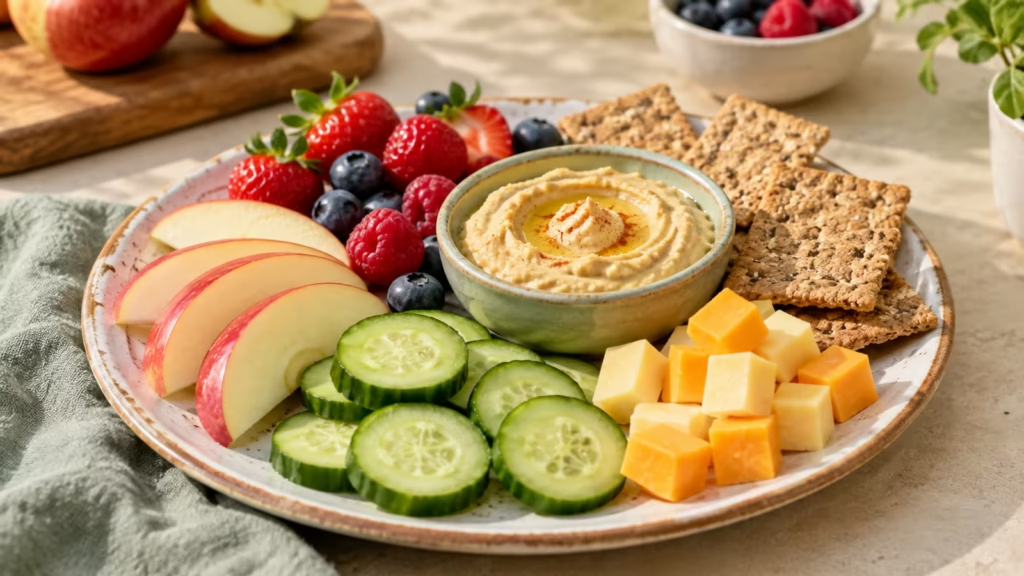
Easy snacks for kids can be as simple as pairing two familiar foods: fruit with yogurt, crackers with cheese, or vegetables with hummus. That combination usually offers more staying power than a single snack food and is still quick enough for a busy afternoon.
A good kids’ snack is small, satisfying, and easy to eat—not a miniature project for the grown-up.
I’m Laura, and I like a loose formula: choose one produce food and pair it with a source of protein, fat, or whole grain. Appetite changes from day to day, so offer an appropriate portion and let your child decide how much to eat.
What makes a useful kids’ snack?
Snacks bridge the gap between meals. They work best when offered at fairly predictable times, seated when possible, and far enough from dinner that a child can arrive hungry. Constant grazing can make it harder to notice hunger and fullness cues.
Think about what the day may be missing. If breakfast and lunch were light on produce, offer fruit or vegetables. If the next meal is hours away, add yogurt, cheese, eggs, beans, nut or seed butter, or another protein food. Tastiva’s guide to daily protein needs explains why more is not automatically better.
- Keep portions child-sized and offer more if your child is still hungry.
- Include water as the everyday drink.
- Use unsweetened or lightly sweetened foods most often, without making sweets forbidden.
- Repeat accepted foods while continuing to offer gentle variety.
18 easy snack combinations
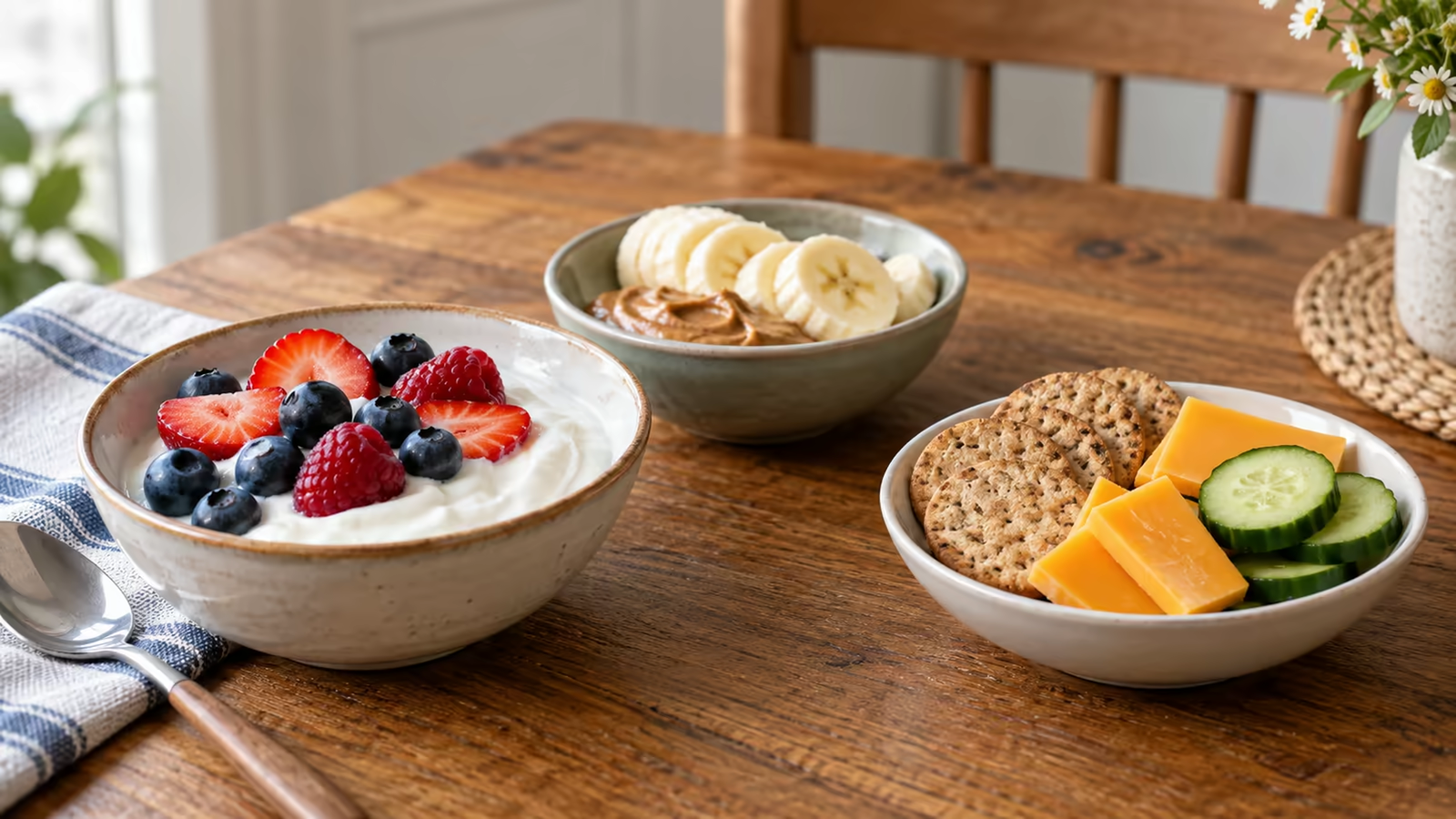
- Apple slices with peanut, almond, or sunflower-seed butter.
- Plain or lightly sweetened yogurt with berries.
- Banana rounds with a thin spread of nut or seed butter.
- Whole-grain crackers with cheese and cucumber.
- Hummus with soft pita wedges and bell pepper strips.
- Pear slices with cottage cheese.
- Toast fingers with mashed avocado.
- Hard-cooked egg with soft fruit.
- Oatmeal with banana and cinnamon.
- Edamame with mandarin orange segments.
- Black bean dip with baked tortilla wedges.
- Mini whole-grain waffle with yogurt.
- Smoothie made with fruit, milk, or a fortified alternative.
- Ricotta on toast with sliced strawberries.
- Leftover chicken with crackers and cherry tomato quarters.
- Trail mix for older children using cereal, raisins, and seeds.
- Applesauce with a small cheese stick.
- Frozen yogurt bark with berries, served once softened enough to bite safely.
Allergies and school rules matter. Use sunflower-seed butter when nuts are not allowed, verify ingredient labels every time, and prevent cross-contact when preparing food for a child with a diagnosed allergy.
Match texture and shape to the child
Choking risk changes how a snack should be prepared. Children should sit upright and be supervised while eating. Cut grapes and cherry tomatoes lengthwise into quarters for young children; cook hard vegetables until soft; thinly spread nut butter instead of serving spoonfuls; and avoid whole nuts, popcorn, hard candy, and other hard round foods for children who are not developmentally ready.
Age labels alone cannot capture every child’s chewing skills. Follow your pediatrician’s guidance, especially if your child was born prematurely, has oral-motor challenges, or has had a previous choking event. The CDC and American Academy of Pediatrics provide preparation examples for young children.
A snack can be nutritious and still be enjoyable. Foods like cookies or ice cream can fit sometimes without needing a health halo; Tastiva’s healthy ice cream guide offers a calm way to compare choices.
Pack snacks safely and make them easy
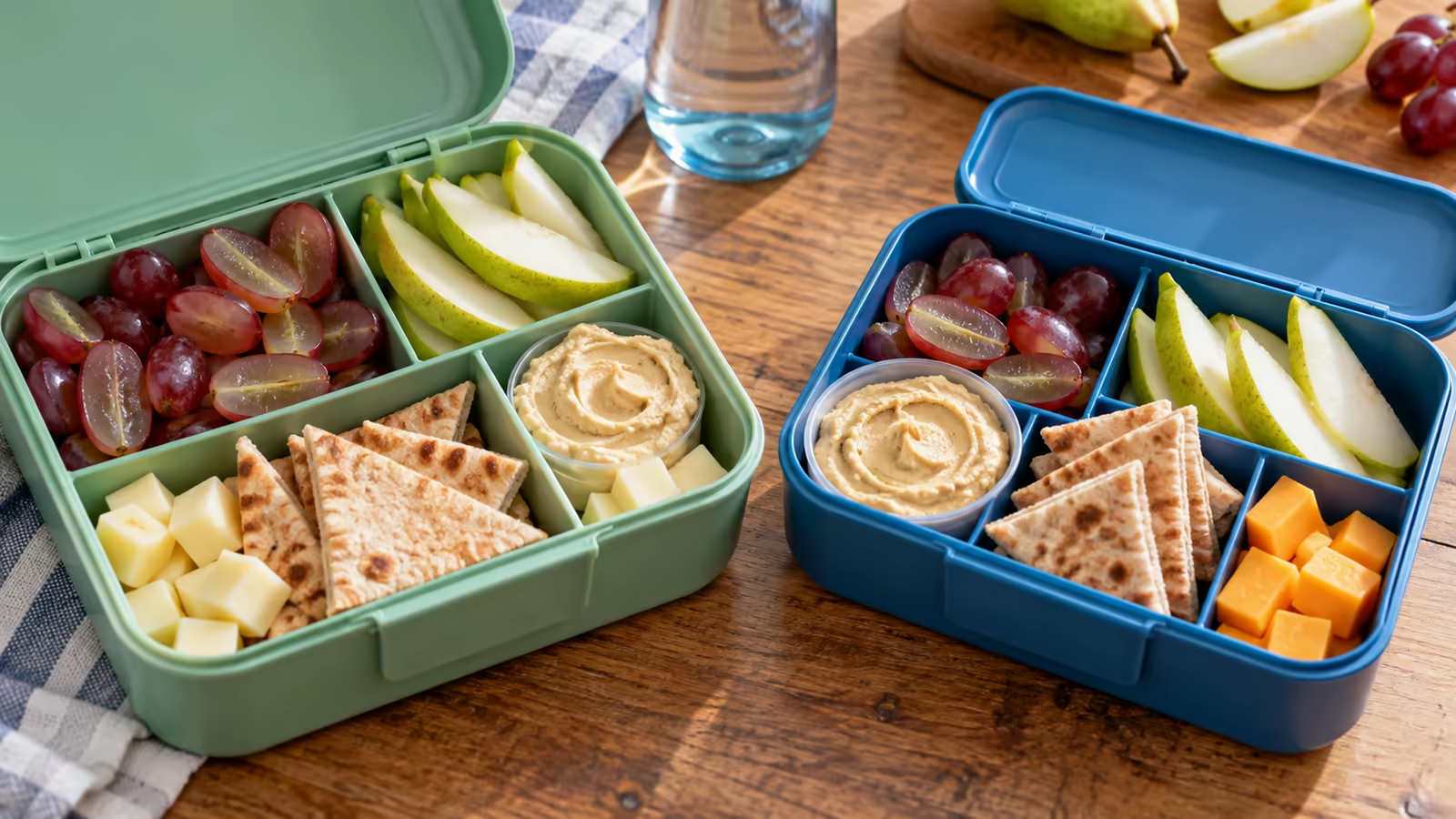
For school or travel, pack perishable foods such as yogurt, cheese, eggs, meat, and cut produce in an insulated bag with a frozen gel pack. Wash hands and containers, rinse produce under running water, and keep cold food cold until snack time.
Put the easiest foods at eye level at home. A small bin of whole-grain crackers, a bowl of washable fruit, and ready-to-grab refrigerator options make the default choice convenient. Prep only a few days at a time so cut produce stays appealing.
You do not need eighteen options every week. Pick four or five combinations your family likes, rotate one new idea in, and keep a shelf-stable backup in the bag. Repetition is practical, and children often need many low-pressure exposures before a food feels familiar.
For children who are selective eaters, place one accepted food beside a less familiar one and keep the atmosphere neutral. A child can learn about food by looking, touching, smelling, or tasting; finishing a serving is not the only useful outcome. Avoid using dessert as a reward for eating vegetables, which can make the reward seem more desirable.
Children with diabetes, swallowing difficulties, growth concerns, or therapeutic diets may need individualized snack timing and composition. Use the ideas here as a starting point and follow the plan from the child’s pediatrician or dietitian.
Sources
- American Academy of Pediatrics: Choosing Healthy Snacks for Children
- CDC: Choking Hazards
- USDA MyPlate: Nutrition Information for Kids
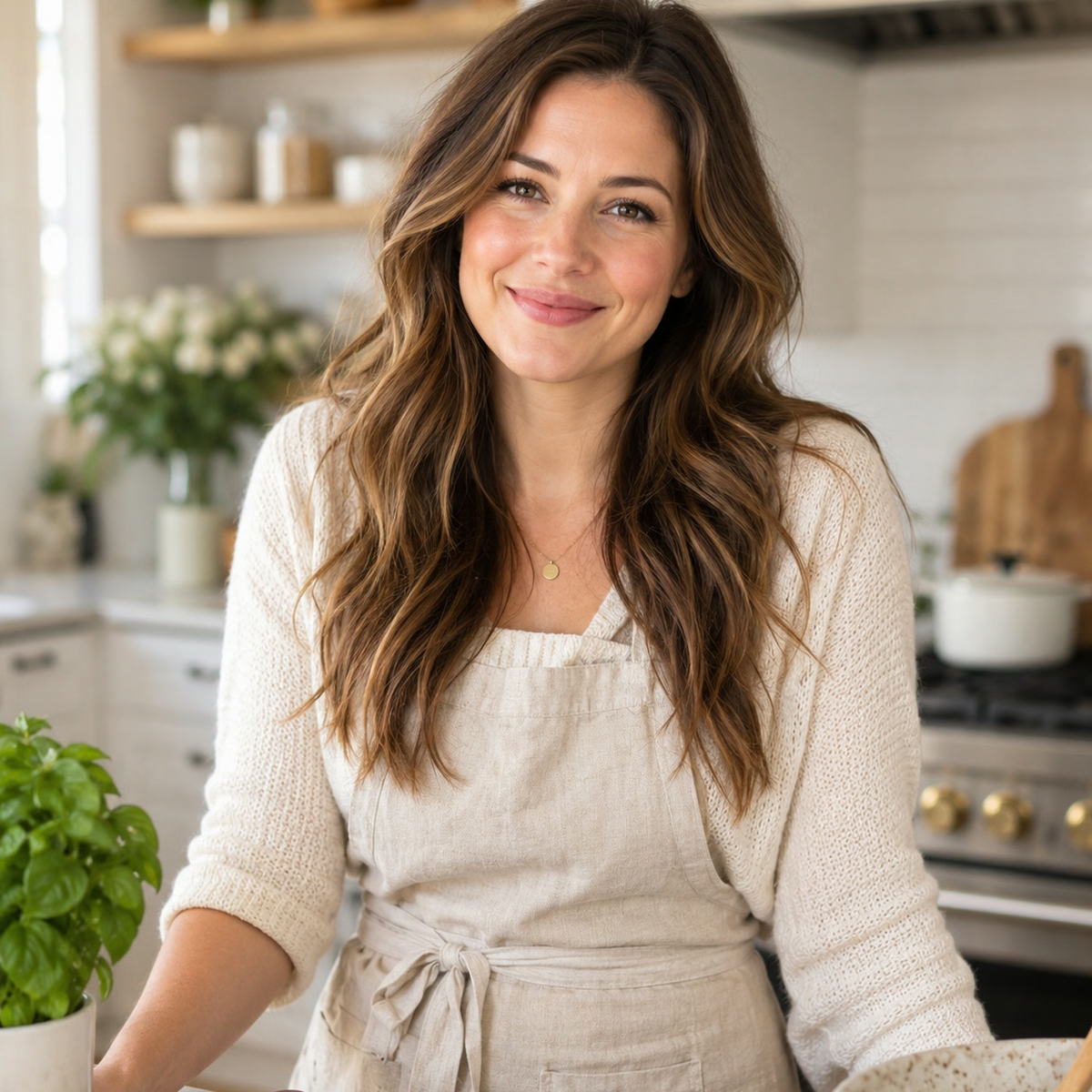
Hi, I’m Laura, the voice behind Tastiva. I’ve always believed that eating well should feel enjoyable, comforting, and realistic—not like another complicated rule to follow. I love creating recipes that fit into everyday life, sharing simple nutrition ideas, and finding small ways to make meals feel a little better without losing the pleasure of good food.