
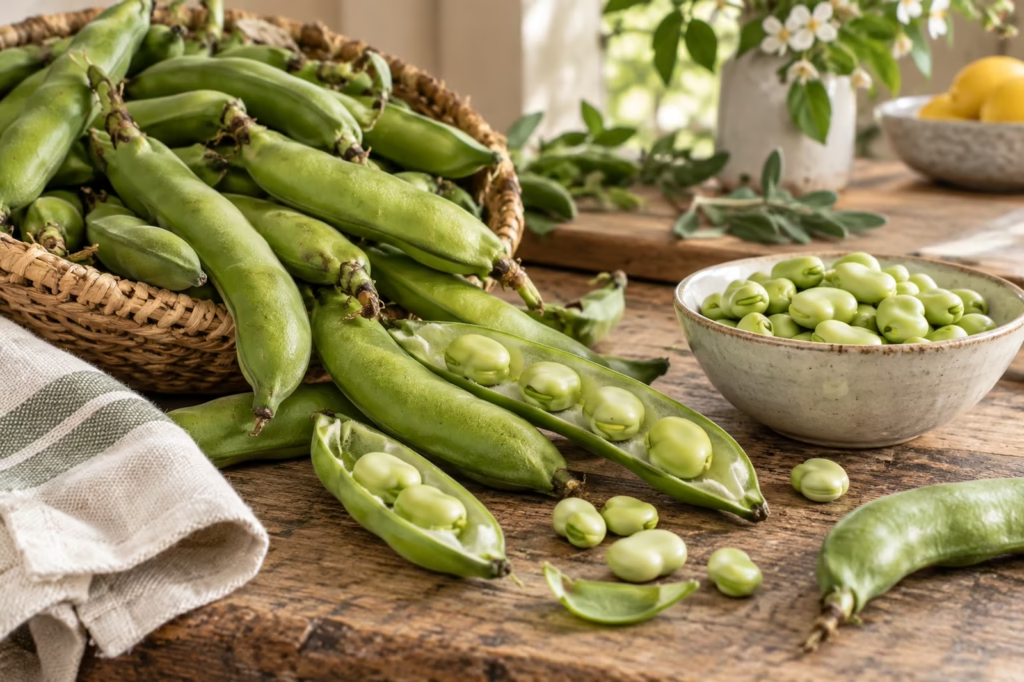
Fava beans are broad, flat legumes with a creamy center and a fresh, earthy flavor. They can be eaten young and green, mature and dried, or conveniently frozen or canned. Fresh favas ask for a little more prep than peas, but the rhythm is easy once you know it: open the pod, cook the beans, and peel the thin outer skin when tenderness matters.
Fava beans reward a small amount of patient prep with something lovely: a buttery bean that tastes unmistakably green and bright.
What fava beans are and which form to buy
Fava beans, broad beans, and field beans are names used for Vicia faba. Young pods contain plump green beans protected by a pale, slightly tough skin. Mature beans are dried and become tan or brown. The form you choose changes both the work and the result, so check whether a recipe expects fresh green beans, dried whole beans, or split peeled favas.
Fresh pods should feel full for their size and look green rather than slimy or deeply blackened. Remember that the pods create a generous pile of waste: the edible beans are only part of what you buy. Frozen shelled favas remove that first job; canned beans are the quickest; dried favas are economical and ideal for soups, stews, dips, and dishes such as ful.
A few brown marks on an otherwise crisp pod may be harmless, but mold, wet decay, or a sour odor is a reason to pass. For frozen beans, avoid badly torn bags or a solid mass of ice that suggests thawing and refreezing. For canned beans, skip bulging, leaking, or severely dented cans.
Fava bean nutrition in a real meal
Fava beans contribute plant protein, carbohydrate, and fiber, along with folate and minerals such as iron, magnesium, and potassium. Numbers differ between fresh, cooked-from-dry, and canned beans, and serving sizes vary, so use the package or USDA FoodData Central for a specific calculation. Their combination of protein and fiber is the more practical story: it can make a vegetable-rich meal feel substantial.
Beans also contain fermentable carbohydrates that may cause gas, especially if you suddenly eat a large amount. Start with a comfortable portion, cook dried beans fully, and increase fiber gradually while drinking normally. Rinsing canned beans can remove some surface sodium and liquid, although it does not turn every product into the same nutrition profile.
The skins contain fiber and plant compounds, while peeling makes fresh favas silkier. There is no moral prize for keeping every skin. Leave tender skins on in rustic soups and braises; remove them when you want a smooth dip, bright salad, or delicate puree. Our guide to prebiotics and probiotics offers more context on why varied plant fibers matter.
How to prepare fresh, dried, frozen, and canned favas
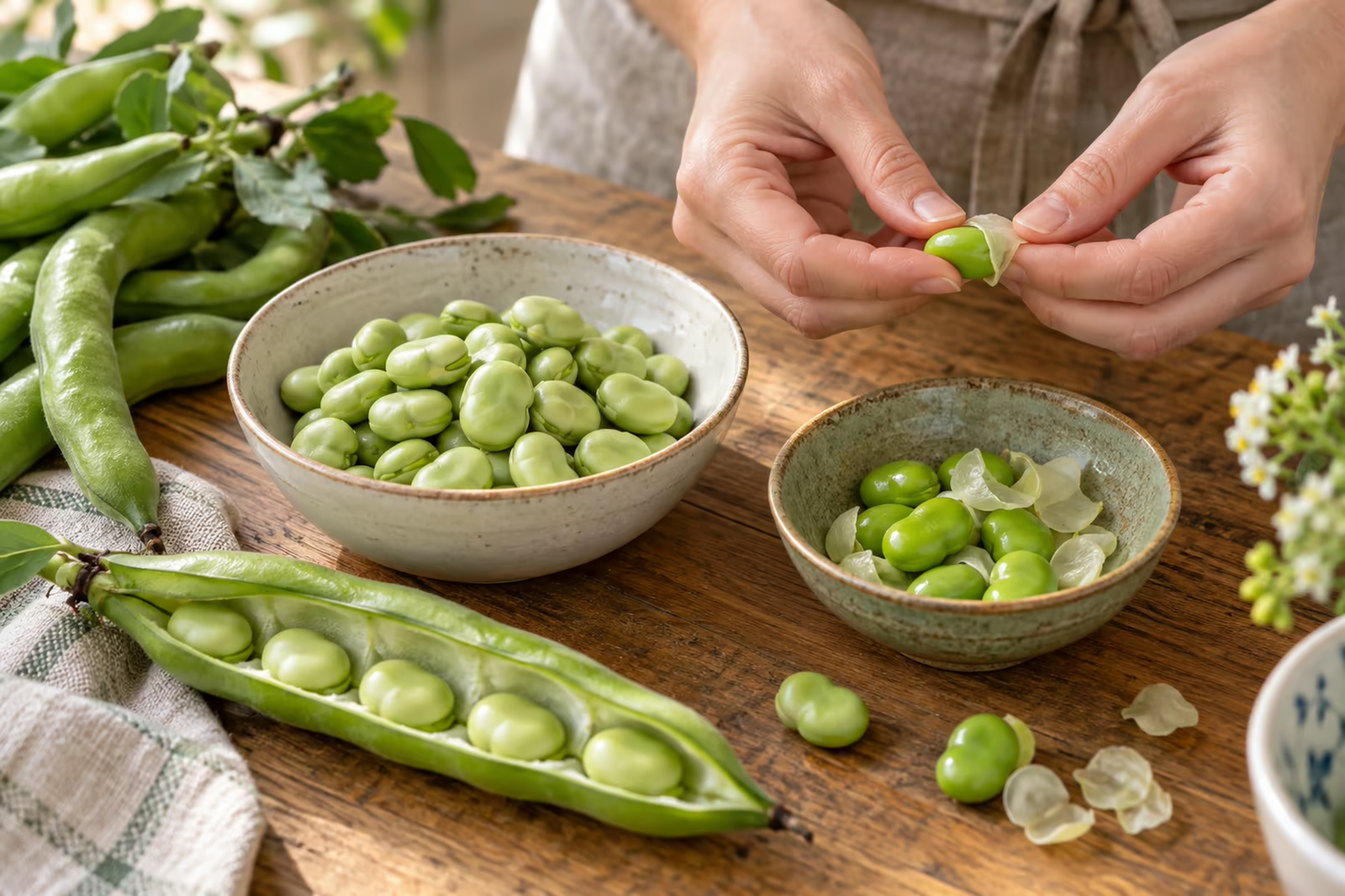
For fresh favas, split the pods and slide out the beans. Drop the beans into boiling water briefly, then cool them in ice water. Pinch or nick the pale skin and press out the bright-green center. Very young beans may be tender enough to leave unpeeled, while larger beans usually taste sweeter and smoother after this second peel.
- Fresh: shell, blanch, cool, peel if needed, then sauté or add to salads and pastas.
- Frozen: cook according to the package; check whether the beans are already peeled.
- Canned: drain and rinse, then warm gently so they do not collapse into paste.
- Dried: sort, rinse, soak if the package directs, and simmer until fully tender; cooking time varies widely.
- Split peeled favas: expect them to soften and thicken soups or dips rather than stay whole.
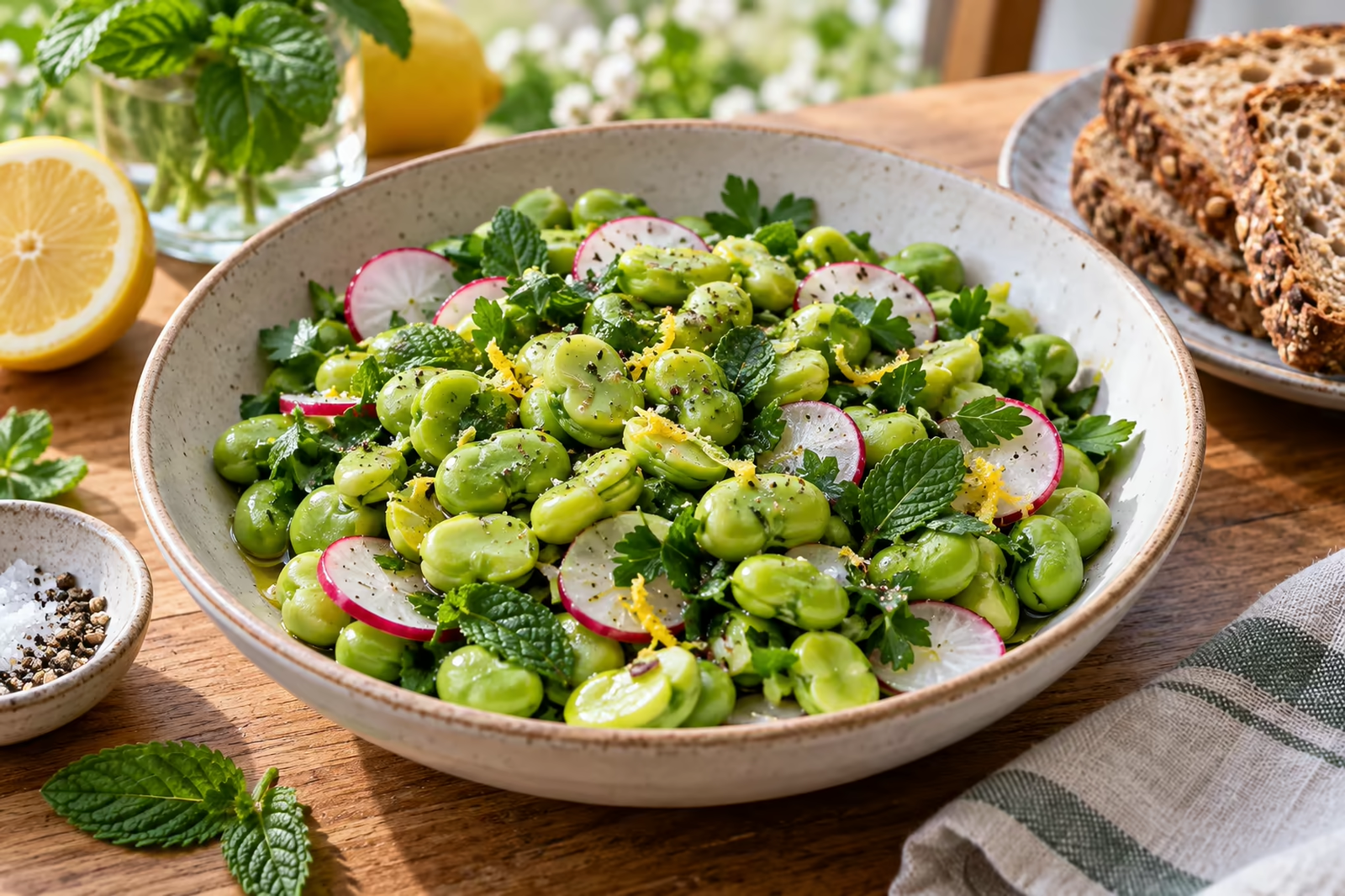
Cooked beans pair naturally with lemon, mint, parsley, dill, garlic, tomato, cumin, chili, and olive oil. Keep the seasoning bright and the heat gentle. If the beans are going into a salad, cool them before dressing; if they are going into a soup, add tender fresh beans later than dried ones.
The essential G6PD deficiency warning
People with glucose-6-phosphate dehydrogenase (G6PD) deficiency should avoid fava beans unless their clinician has given specific guidance. Compounds in favas can trigger rapid breakdown of red blood cells, called hemolysis, and lead to hemolytic anemia. Cooking does not make this risk disappear, and pollen from fava plants can also be a trigger for some people.
G6PD deficiency is inherited, and some people do not know they have it until a trigger causes symptoms. Warning signs after exposure can include sudden fatigue, paleness, yellowing of the skin or eyes, dark urine, shortness of breath, or a fast heartbeat. Those symptoms need prompt medical attention; this is not a situation to solve by waiting for the beans to “wear off.”
For everyone else, fava beans can be another nourishing legume in the rotation. Use the form that matches your time, cook it properly, and let it support a meal rather than carry every nutrition goal alone. A bowl with favas, whole-grain toast, herbs, crunchy vegetables, and a bright dressing is simple, generous food—the kind that earns its place by tasting good.
Sources
- MedlinePlus Genetics: Glucose-6-Phosphate Dehydrogenase Deficiency
- PubMed: Faba Bean—Nutrition, Sustainability, Vicine and Convicine Review
- PubMed: Nutrient Levels and the Effects of Dehulling Faba Beans
- USDA FoodData Central: Fava Beans Search

Hi, I’m Laura, the voice behind Tastiva. I’ve always believed that eating well should feel enjoyable, comforting, and realistic—not like another complicated rule to follow. I love creating recipes that fit into everyday life, sharing simple nutrition ideas, and finding small ways to make meals feel a little better without losing the pleasure of good food.