
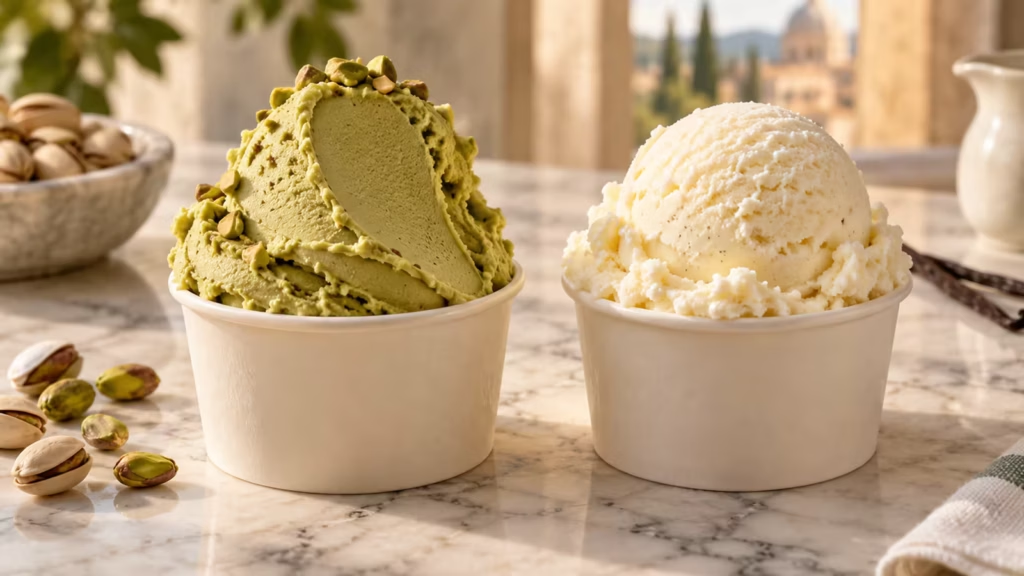
Gelato and ice cream can share milk, cream, sugar, and flavor, yet one may arrive as a soft, glossy fold while the other stands in a firm round scoop. The usual difference is that gelato contains proportionally more milk and less cream, is churned with less incorporated air, and is served warmer than American-style ice cream. That combination makes gelato feel dense and elastic and lets flavor bloom quickly. Ice cream tends to be colder, higher in fat, and airier. These are traditions, not flawless borders: recipes vary, and a name on a shop sign cannot tell you the exact formula.
Gelato is not simply “healthier ice cream.” It is a different balance of fat, air, and temperature—and the spoon notices first.
Ingredients and legal standards: where the line really is
In the United States, federal standards define ice cream. The finished food must contain at least 10 percent milkfat and specified levels of nonfat milk solids, subject to adjustments for certain bulky flavor ingredients. It is frozen while being stirred or agitated. That standard gives “ice cream” a regulatory floor even though premium, standard, and economy products can still differ widely.
“Gelato” does not have one equivalent federal standard of identity in the same section. Italian practice commonly uses more milk, less cream, and sometimes more egg yolk only in particular flavors or regional styles. Commercial products in the United States may interpret the word broadly. Read the ingredient list and Nutrition Facts panel if an exact dairy, fat, sugar, allergen, or calorie question matters.
Both can include stabilizers and emulsifiers that manage ice crystals, melting, and texture. Those ingredients do not automatically make a dessert poor quality; formulation and sensory result matter. A short ingredient list can be lovely, while a carefully stabilized pint may stay smoother through distribution. The useful question is whether the product tastes good and suits your needs.
Air, temperature, and why the textures feel different
As a frozen mixture churns, it traps air. The increase in volume is called overrun. Gelato is generally churned more slowly and sold with less overrun, so a cup contains more actual frozen mixture and feels dense. Ice cream can range from dense premium styles to lighter products with much more air. Air is not a fraudulent ingredient; it is part of texture, just as bubbles are part of bread.
Serving temperature changes the experience too. Gelato is usually held a little warmer, making it softer and allowing aromas to reach you quickly. Ice cream is commonly served colder and may need a minute on the counter before it becomes scoopable. Very cold food temporarily dulls taste, so ice cream formulas can use more fat and flavoring while gelato can taste vivid with less fat.
- Gelato: usually dense, soft, low-overrun, and intensely aromatic at serving temperature.
- Ice cream: generally colder, with at least 10 percent milkfat under the U.S. standard and a wide range of overrun.
- Premium is not a legal health term: it often signals richness, lower overrun, or positioning.
- Freshness matters: large ice crystals suggest temperature cycling, regardless of style.
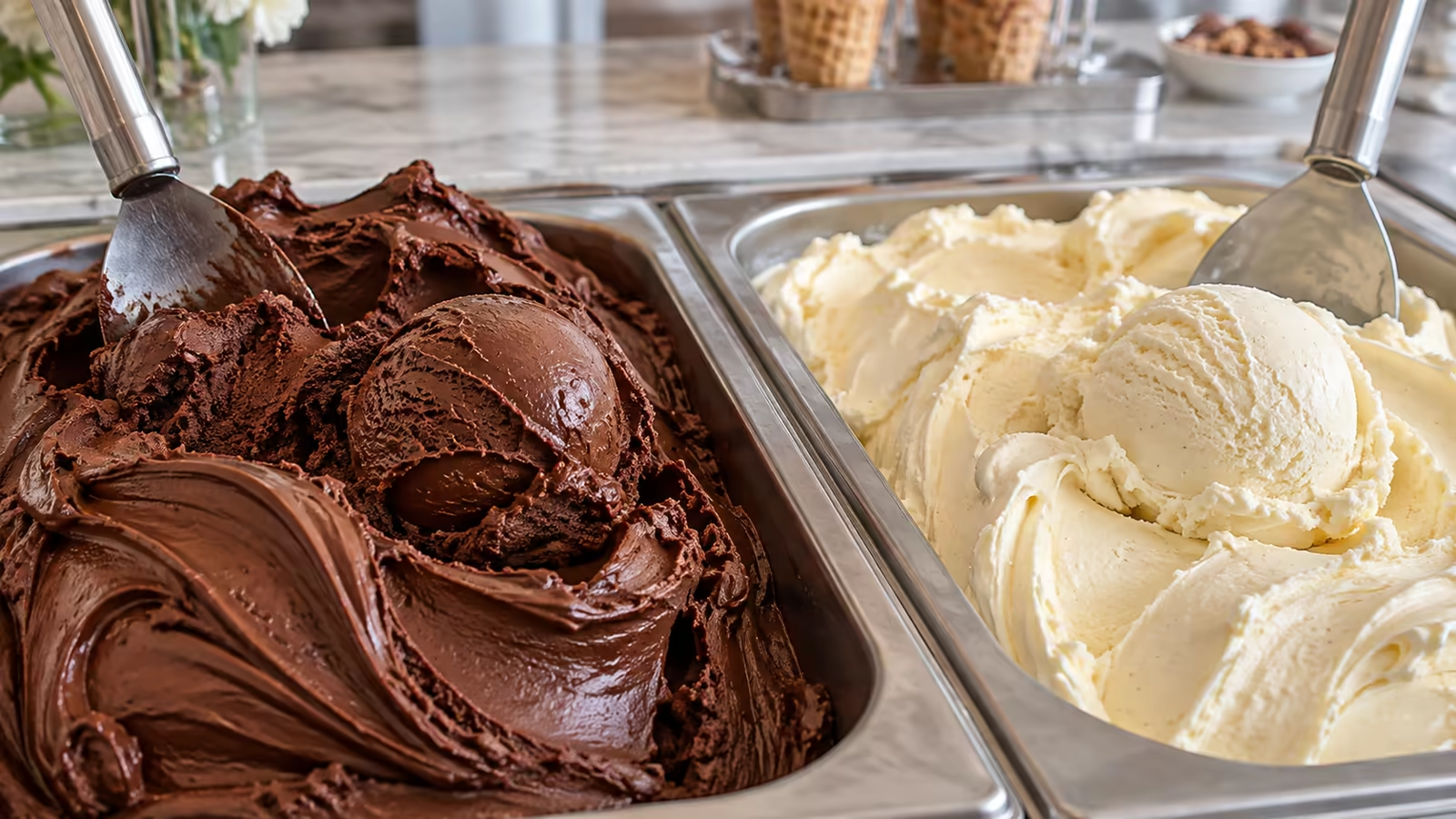
The classic flat gelato spade and round ice-cream scoop reinforce the difference. A spade folds soft gelato into the cup; a scoop carves colder ice cream into a ball. The tool is not proof of authenticity, but it fits the product’s physical character.
Nutrition: compare equal weights, not dramatic scoops
Gelato often has less milkfat than ice cream, but it can be denser because it contains less air. Comparing the same cup volume may therefore exaggerate or hide differences. Compare equal gram weights and the serving shown on the package. Sugar varies by recipe, and rich mix-ins—chocolate, nuts, caramel, cookies—can matter more than the gelato-versus-ice-cream label.
Neither dessert needs to deliver a complete nutrition profile. Milk-based versions may provide some protein and calcium while also contributing added sugar and saturated fat. A portion that satisfies you, eaten as dessert rather than a moral test, can fit a balanced pattern. “Lower fat” does not guarantee fewer calories, less sugar, or greater satisfaction.
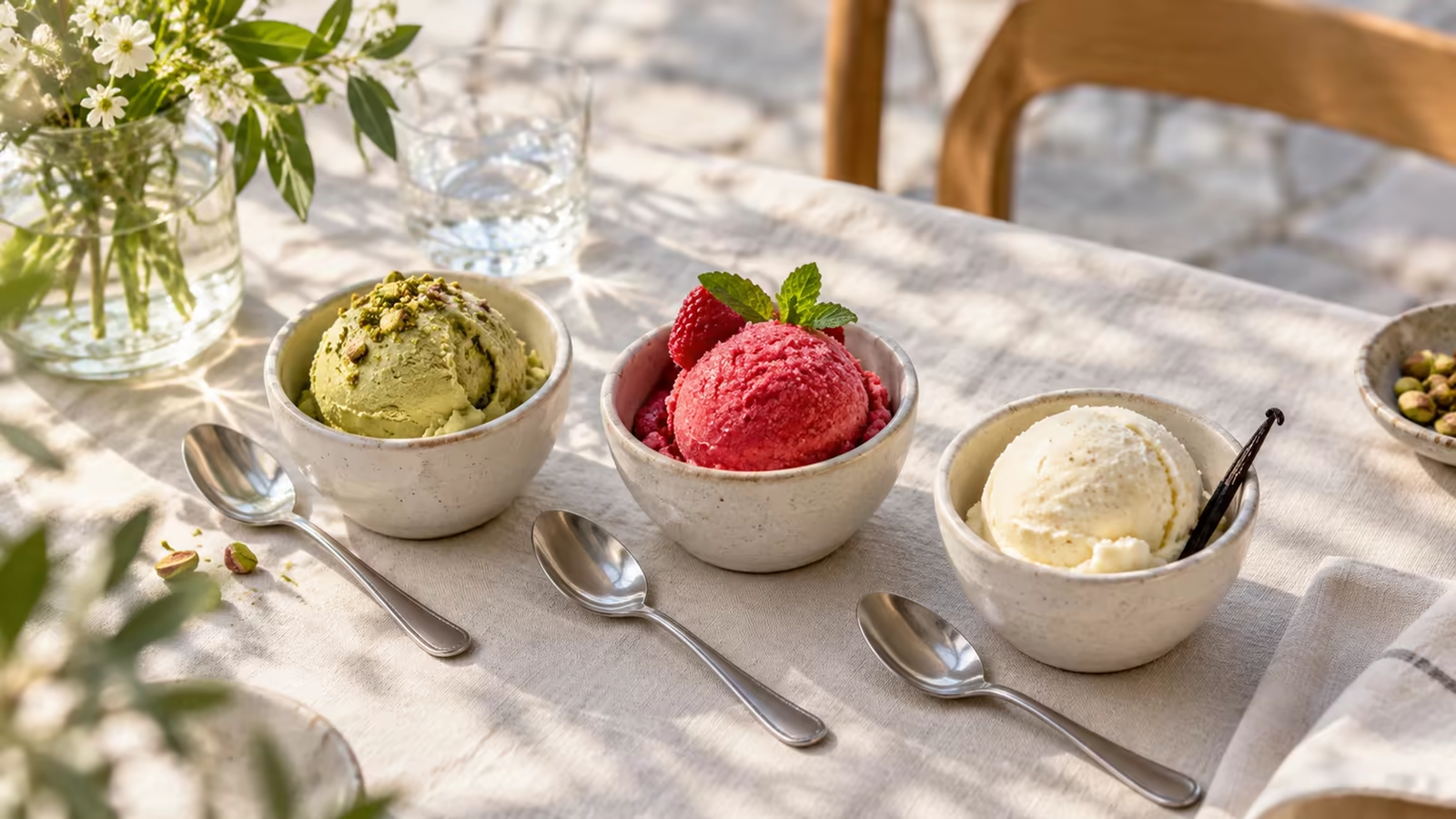
Sorbet is different again: it is generally fruit- and water-based and often dairy-free, but recipes can contain plenty of added sugar and cross-contact can occur. Sherbet typically contains a small amount of dairy. Anyone managing milk allergy, egg allergy, nuts, gluten, or vegan requirements should ask about the exact flavor and shared equipment rather than trusting the display color.
How to choose the scoop you will actually enjoy
Choose gelato when you want a softer, denser texture and immediate flavor. Choose ice cream when you want a colder, firmer scoop, a classic custard profile, or a particular mix-in. Look for a clean freezer case, covered product, and flavors that are not melting and refreezing around the edges. At home, keep the container toward the back of the freezer rather than in the temperature-swinging door.
For the best texture, let hard ice cream rest briefly in the refrigerator or on the counter, but return it to the freezer before it melts. Press parchment against the surface of a partly used pint to reduce air exposure and ice crystals. A shallow, wide gelato container softens faster than a deep pint, so serve what you need and close it promptly.
If your real question is which is “healthier,” decide what you want from dessert: a smaller intensely flavored serving, a higher-protein product, a dairy-free option, or simply your favorite scoop. Our evaporated milk guide explains another way dairy concentration changes texture. Here, the honest winner is the dessert you enjoy in an amount that feels good afterward.
Sources
- eCFR: 21 CFR § 135.110—Ice Cream and Frozen Custard
- U.S. Food and Drug Administration: How to Understand and Use the Nutrition Facts Label
- USDA FoodData Central

Hi, I’m Laura, the voice behind Tastiva. I’ve always believed that eating well should feel enjoyable, comforting, and realistic—not like another complicated rule to follow. I love creating recipes that fit into everyday life, sharing simple nutrition ideas, and finding small ways to make meals feel a little better without losing the pleasure of good food.