
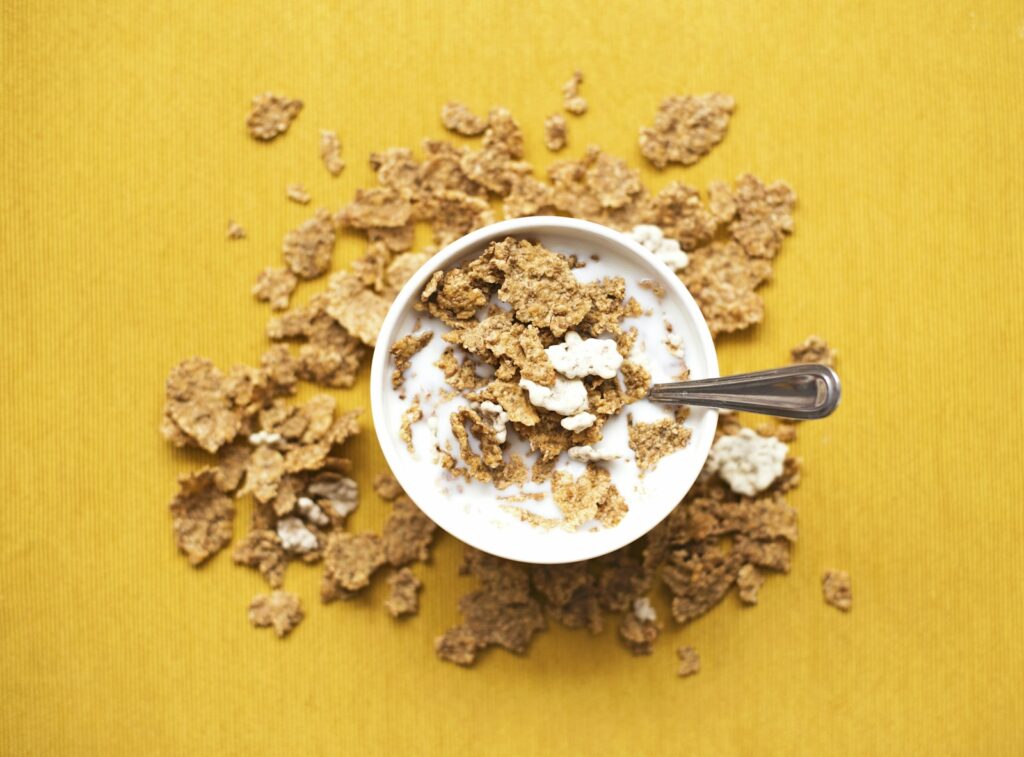
Gluten free cereal can be a safe breakfast for people with celiac disease or another gluten-related condition—but the words on the box matter. In the United States, cereal labeled “gluten-free” must meet the FDA standard of less than 20 parts per million of gluten. Then there’s a second question: does it offer enough fiber and staying power, or mostly crisp little pieces of sugar?
A gluten-free label answers a safety question; the Nutrition Facts panel tells you whether the cereal earns a regular place at breakfast.
I separate those questions because “gluten-free” sounds wholesome even when the ingredient list reads like dessert in a sensible cardigan. The best choice fits your medical needs first, then offers fiber, modest added sugar, and recognizable ingredients.
What “Gluten-Free” on a Cereal Box Actually Means
The FDA treats “gluten-free,” “no gluten,” “free of gluten,” and “without gluten” as equivalent regulated claims. Using one is voluntary, but once it appears on a box, the food must comply: it cannot include wheat, rye, barley, triticale, or unprocessed ingredients derived from them, and unavoidable gluten must remain below 20 ppm. Corn or rice cereal without that claim is not automatically safe from cross-contact during growing or processing.
“Certified gluten-free” is related, but not identical. Certification comes from a private third-party program; the FDA neither endorses nor recommends one certifier. It also does not require certification or routine testing for the regulated claim, although the company remains responsible for compliance. Both a plain gluten-free claim and a certification seal can be useful. A seal signals added third-party oversight, not a healthier cereal.
Be cautious with softer wording such as “made without gluten-containing ingredients.” Unless the package also makes an actual gluten-free claim, the FDA says not to assume it meets every requirement. Breakfast already asks enough before coffee; decoding vague wording should not be one of those tasks.
Who Needs Gluten-Free Cereal—and Who May Not
For someone with celiac disease, a strict gluten-free diet is lifelong treatment, not a trend. Gluten triggers an immune reaction that damages the small intestine, and even cross-contact matters. A doctor or registered dietitian can help build a balanced diet and address nutrients that may be missed when familiar grain foods disappear.
People with non-celiac gluten sensitivity or another clinician-identified condition may also avoid gluten. Wheat allergy is different: “gluten-free” does not necessarily mean “wheat-free,” because certain processed wheat-derived ingredients can qualify. Anyone managing a wheat allergy should follow allergy-specific guidance rather than relying on the gluten-free claim alone.
If you suspect celiac disease, talk with a doctor before removing gluten. NIDDK warns that doing so before testing can make results inaccurate. For people without a gluten-related medical reason, current evidence does not show that going gluten-free improves health or causes weight loss. The label is a safety tool, not a wellness halo.
Oats, Malt, and Cross-Contact: The Tricky Parts
Oats are outside the wheat-rye-barley group, yet they deserve special attention. Cross-contact is common in fields, equipment, transport, storage, and mills. If you need strict avoidance, choose oat cereal that explicitly says gluten-free; “100% oats” is not the same promise. NIDDK advises people with celiac disease to ask their clinician whether oats are appropriate and how much to include.
Barley malt is another quiet troublemaker. FDA guidance says barley malt extract and malt syrup cannot be used in food bearing a gluten-free claim. Read the ingredient list anyway, particularly on granola, crisped-rice cereal, and flavored varieties where malt ingredients may appear.
At home, store gluten-free cereal separately, avoid shared scoops, and do not pour it into a communal container. Crumbs from counters or hands can create cross-contact. A dedicated container is not glamorous décor, but neither is toast dust in breakfast.
How to Choose a Gluten-Free Cereal That Satisfies
Once safety is covered, turn the package around. Compare similar serving sizes; a tiny portion can make sugar and calories look friendlier than they are. The FDA considers 5% Daily Value or less low and 20% or more high. I’d favor more fiber and less added sugar and sodium, then consider protein and toppings. “Gluten-free” says nothing about those numbers.
Use this quick shopping check:
- Look for a clear gluten-free claim; add a reputable certification seal if that extra oversight matters to you.
- If oats appear, confirm the finished cereal itself is labeled gluten-free.
- Scan for wheat, rye, barley, triticale, malt extract, and malt syrup.
- Compare fiber and added sugar by the same serving size and %DV, not by front-of-box adjectives.
- Prefer a short ingredient list built around gluten-free whole grains, nuts, or seeds when those foods suit you.
- Check allergens separately; gluten-free does not mean free from milk, nuts, soy, sesame, or every form of wheat.
A lightly sweet cereal can become a better breakfast with milk or fortified plant milk, plain yogurt, fruit, nuts, or seeds, depending on your needs and allergies. If a favorite is low in fiber, it is not forbidden; the rest of the bowl simply has work to do. Aim for breakfast that is safe, enjoyable, and substantial enough that the snack drawer is not calling at 9:17.
Sources
- FDA: Gluten-Free Labeling of Foods
- FDA: Questions and Answers on the Gluten-Free Food Labeling Final Rule
- NIDDK: Eating, Diet, & Nutrition for Celiac Disease
- FDA: How to Understand and Use the Nutrition Facts Label

Hi, I’m Laura, the voice behind Tastiva. I’ve always believed that eating well should feel enjoyable, comforting, and realistic—not like another complicated rule to follow. I love creating recipes that fit into everyday life, sharing simple nutrition ideas, and finding small ways to make meals feel a little better without losing the pleasure of good food.