

A yogurt cup should be one of the easy choices in the refrigerator, yet the dairy case can turn it into a tiny research project. Lactose free yogurt is yogurt made with little or no lactose, the natural sugar in milk. For many people with lactose intolerance, it offers the familiar creamy tang of dairy yogurt with less chance of digestive discomfort. It is not automatically dairy-free, allergy-safe, low in sugar, or nutritionally identical from brand to brand, so the back label still matters.
Lactose-free solves a milk-sugar problem; dairy-free solves a milk-ingredient problem. Those are not the same job.
What Lactose Free Yogurt Actually Is
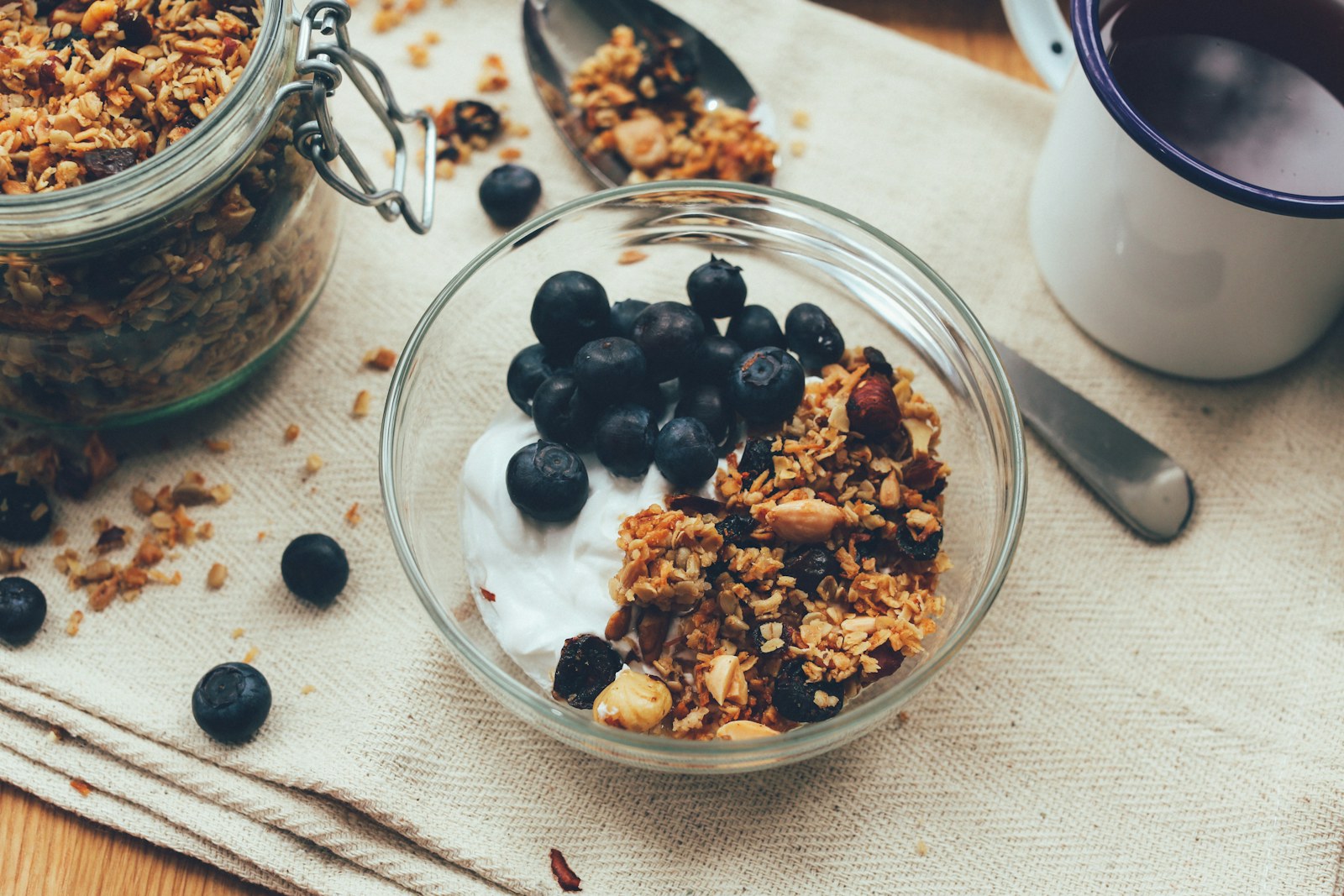
Traditional yogurt cultures use some of milk’s lactose during fermentation, which is one reason regular yogurt may be easier for some people to tolerate than a glass of milk. A lactose-free dairy yogurt goes further: the manufacturer may add the enzyme lactase to break down the remaining lactose or use another process to reduce it. You still get yogurt’s cool, spoonable texture and tart flavor, but with much less lactose to digest.
Lactose intolerance is a digestive issue. When the small intestine makes too little lactase, undigested lactose can lead to gas, bloating, nausea, diarrhea, or abdominal pain. Tolerance is personal; NIDDK notes that many people can handle some lactose, while others need tighter limits. A lactose-free product can be useful, but it is not a diagnosis or a promise that every stomach symptom will disappear.
Milk allergy is different and can be serious. It is an immune reaction to milk proteins, not milk sugar. Dairy-based lactose-free yogurt still contains those proteins and usually declares milk as an allergen. Anyone with a milk allergy needs an appropriate dairy-free option and should follow guidance from an allergist or healthcare professional.
How to Read the Label Without Overthinking It
My favorite grocery shortcut is to ignore the cheerful front of the cup for a moment and turn it around. Compare products using the same serving size, then check these details:
- The base: Milk means dairy. Soy, coconut, almond, oat, or another plant ingredient means dairy-free, though soy and tree nuts can also be allergens.
- The allergen statement: “Contains: milk” is the clear sign that lactose-free does not mean milk-free. Also read any cross-contact advisory that matters for your allergy plan.
- Added sugars: A flavored cup can carry far more added sugar than a plain one. Use the “Added Sugars” line, not total sugars alone, to compare.
- Protein: Greek-style and strained dairy yogurts are often higher in protein, but the label—not the style name—is the reliable number. Plant-based options vary widely.
- Calcium and vitamin D: Check the percentages on each cup. Vitamin D may be added, and plant-based yogurt is not always fortified to the same level as dairy yogurt.
- Cultures: If live cultures matter to you, look for a statement such as “live and active cultures” rather than assuming every product is the same.
One small trap: “lactose free” tells you about lactose, not calories, fat, sweeteners, thickeners, or portion size. I’d choose the texture and fat level that make the yogurt satisfying, then let added sugar and the nutrients I care about break the tie.
Is Lactose Free Yogurt a Nutritious Choice?
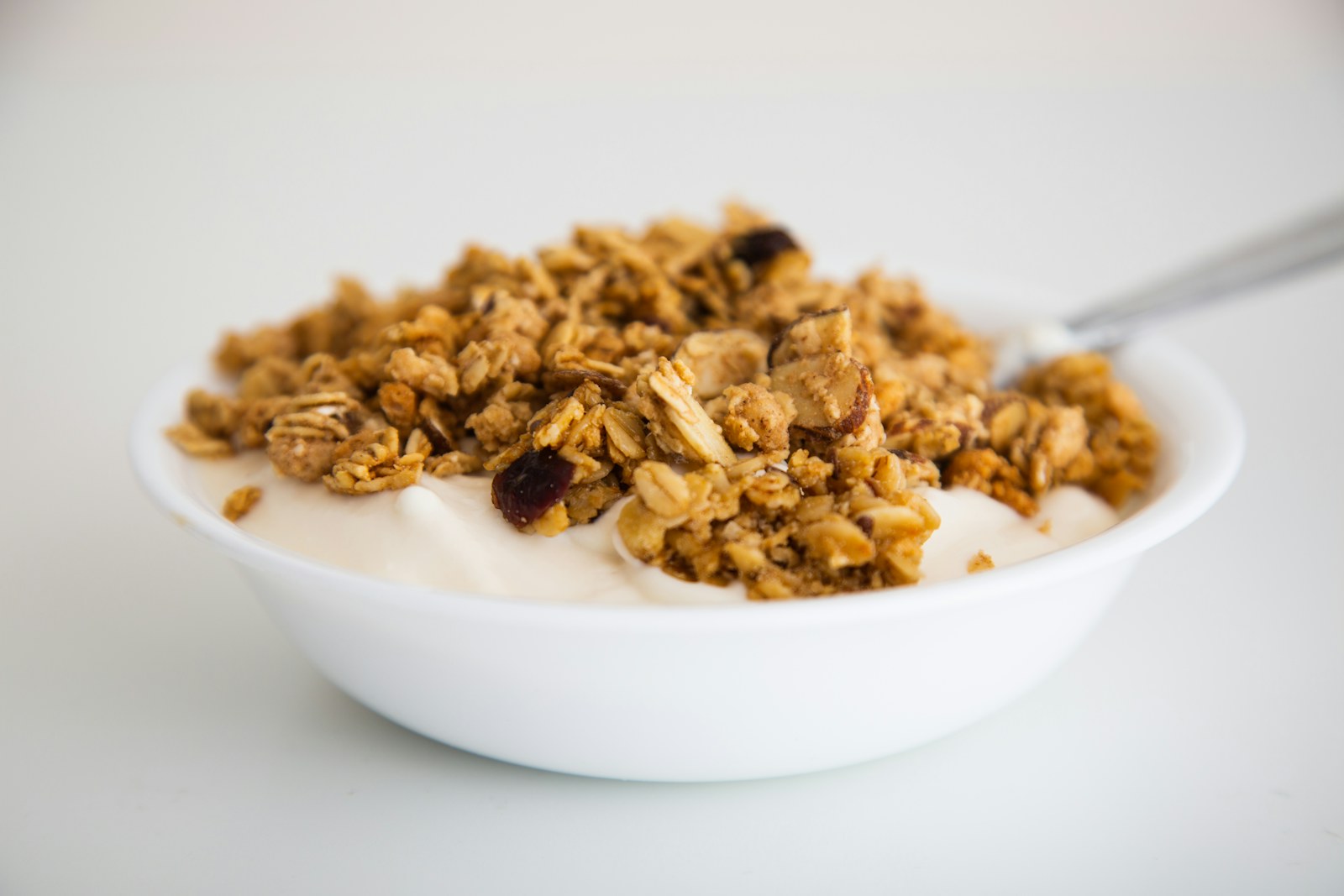
It can be. NIDDK says lactose-free and lactose-reduced milk products can be as healthy as regular milk products. A dairy version can still provide protein and calcium, and some products supply vitamin D. Removing or breaking down lactose does not magically strip away the rest of the food’s nutrition, but flavorings and product style can change the final numbers.
Plain lactose-free yogurt is the easiest blank canvas. Fruit, cinnamon, nuts, seeds, or a small spoonful of jam lets you control sweetness while adding texture. A vanilla or fruit flavor can absolutely fit, too; I simply think it deserves the same quick added-sugar check as breakfast cereal.
Dairy-free yogurt is a separate category, and “plant-based” does not guarantee a nutritional match. Soy-based options may provide more protein than some coconut- or oat-based cups, while fortification differs by brand. If yogurt is one of your regular sources of calcium, vitamin D, or protein, compare those three lines before switching.
How to Use and Store It Safely
Use lactose-free yogurt anywhere its flavor and texture fit: spoon it over fruit, stir it into oats, blend it into a smoothie, or turn a plain cup into a cool sauce for roasted vegetables. It behaves much like comparable regular yogurt, although thickness varies. For cooking, plain unsweetened yogurt keeps a savory dish from wandering into accidental dessert territory.
Treat it as a refrigerated perishable:
- Keep the refrigerator at or below 40°F (4°C).
- Return the container promptly after serving and use a clean spoon.
- Do not leave it at room temperature longer than two hours, or one hour above 90°F (32°C).
- Follow the package’s refrigeration and after-opening directions.
- Discard yogurt with mold, a damaged or swollen container, or a suspicious smell or appearance; do not taste it to test safety.
A date on the cup generally speaks to quality rather than proving safety on its own, so temperature and handling count. I like the low-tech habit of writing the opening date on a large tub. When in doubt, especially for someone who is pregnant, very young, older, or immunocompromised, throwing out one questionable cup is the sensible bargain.
Sources
- National Institute of Diabetes and Digestive and Kidney Diseases: Lactose Intolerance
- NIDDK: Eating, Diet, & Nutrition for Lactose Intolerance
- U.S. Food and Drug Administration: Food Allergies
- FDA: How to Understand and Use the Nutrition Facts Label
- FDA: Are You Storing Food Safely?
- FDA: Safe Food Handling

Hi, I’m Laura, the voice behind Tastiva. I’ve always believed that eating well should feel enjoyable, comforting, and realistic—not like another complicated rule to follow. I love creating recipes that fit into everyday life, sharing simple nutrition ideas, and finding small ways to make meals feel a little better without losing the pleasure of good food.