
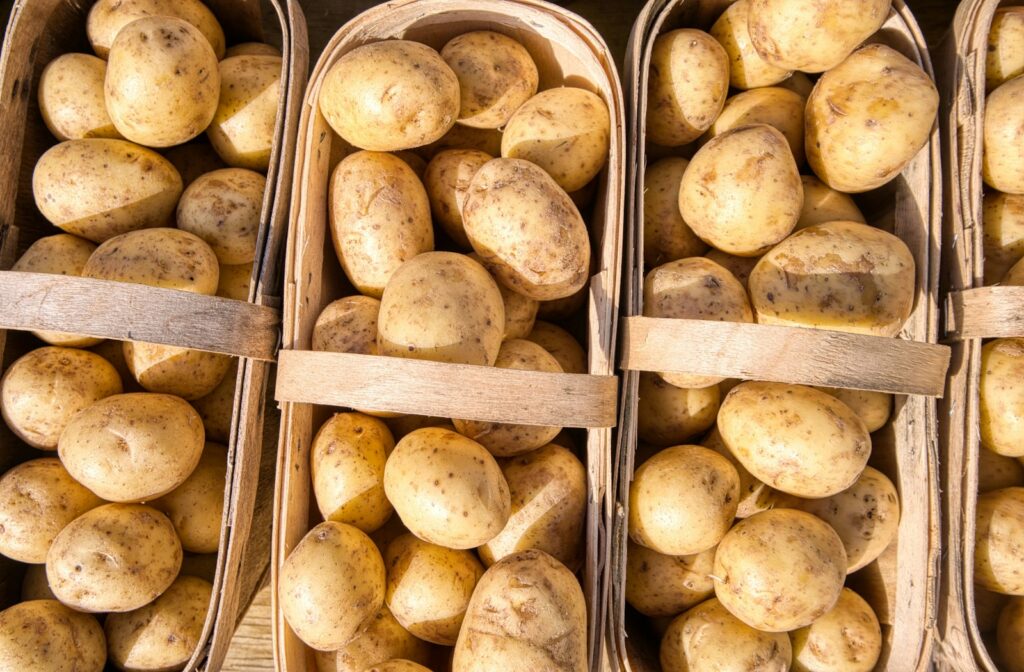
Yukon Gold potatoes are an all-purpose yellow-fleshed potato with thin golden skin, a naturally creamy texture, and enough starch to mash well without becoming as dry or fluffy as a russet. They also hold together better than many high-starch potatoes, which makes them excellent for roasting, boiling, gratins, soups, and potato salad. Their skin is edible, so peeling is a matter of texture—not a requirement.
Yukon Gold potatoes are the middle-of-the-road potato in the best way: creamy enough to mash, sturdy enough to roast.
What makes Yukon Gold potatoes different
Yukon Gold is a specific potato variety developed in Canada, not a general name for every potato with yellow flesh. At the store, a bag labeled “gold potatoes” may contain another yellow variety with similar cooking qualities. A true Yukon Gold is usually round to oval, with light golden skin, yellow flesh, and sometimes a faint pink blush around the eyes.
Texture is the reason cooks remember it. Russets are high in starch and become fluffy; red potatoes are waxier and stay firm. Yukon Golds sit comfortably between them, with medium starch and a moist, close-grained flesh. I think of them as the peacekeeping potato: they rarely create trouble whether dinner asks for crisp edges, creamy mash, or tidy slices.
The flavor is gently earthy and richer-tasting than a plain white potato, although the familiar “buttery” description does not mean the potato contains butter. It simply has a naturally creamy, slightly sweet character that needs less persuasion from the dairy drawer.
Nutrition and whether you should peel them
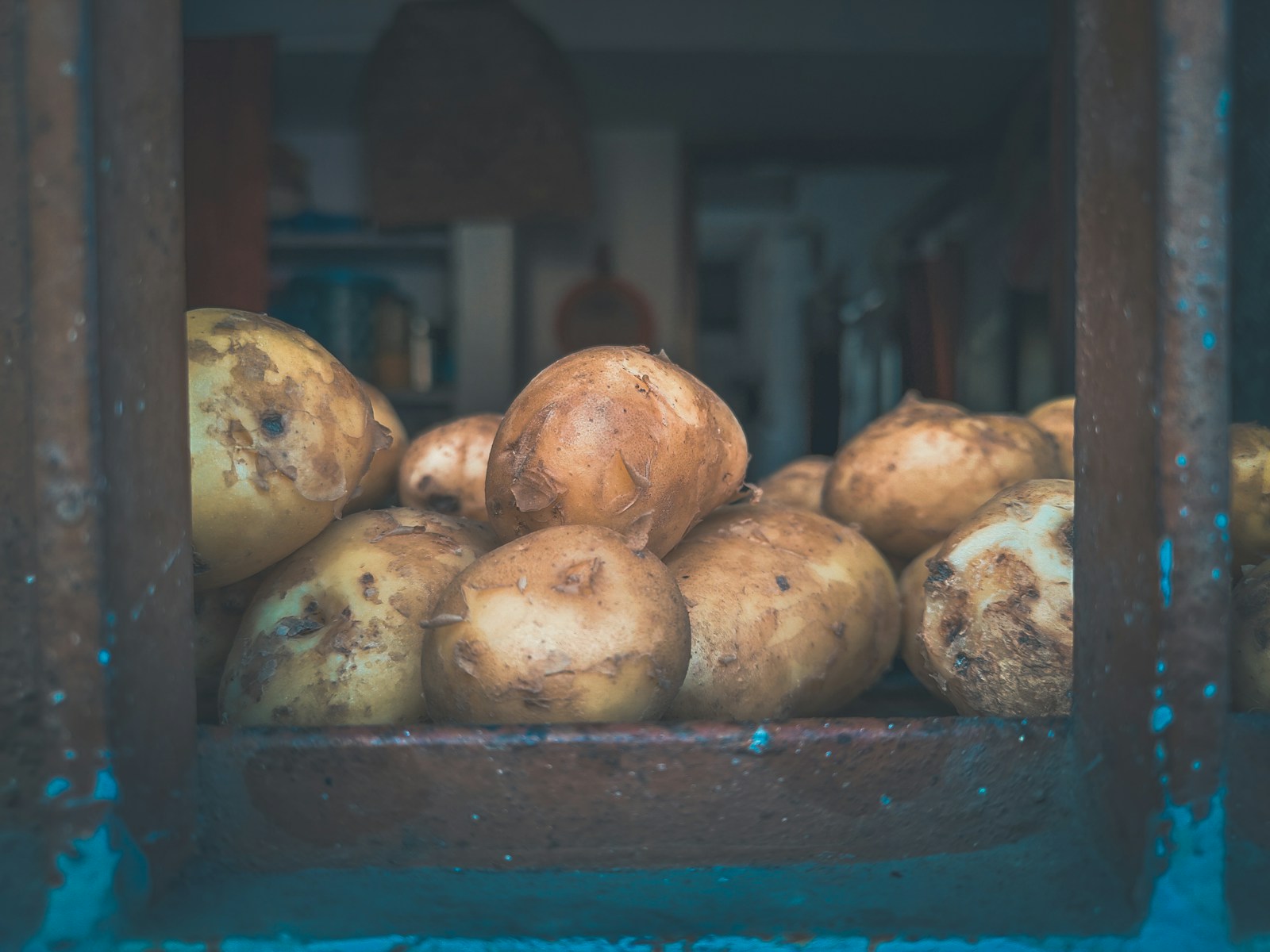
Like other potatoes, Yukon Golds are primarily a carbohydrate food and provide potassium, vitamin C, vitamin B6, and some fiber. The exact nutrition changes with potato size, preparation, and toppings. A boiled potato and a potato fried in oil are still related, of course, but their final calorie, fat, and sodium profiles are not twins.
The thin skin is completely edible and adds texture and some fiber, but the flesh contains nutrients too. Leave the skin on for roasted potatoes, rustic mash, and soups when you enjoy it; peel for a very smooth purée or a delicate gratin. There is no nutritional prize for forcing yourself to eat a texture you dislike.
Rinse potatoes before peeling so the knife does not drag surface dirt through the flesh. Rub them under plain running water and use a clean vegetable brush for stubborn soil; the FDA does not recommend soap or commercial produce wash. Trim bruised or damaged areas before cooking.
The best ways to cook Yukon Gold potatoes
Yukon Golds are especially forgiving because they can become tender without immediately falling apart. Cut pieces to a similar size so they finish together, and start boiled potatoes in cold salted water rather than dropping them into a rolling pot. For mash, drain thoroughly and work them only until smooth—too much vigorous mixing can turn any potato gummy.
- Roasting: Cut into chunks, dry well, coat lightly with oil, and roast at 425°F (220°C) until browned and tender.
- Mashing: Their yellow flesh makes a naturally rich, creamy mash with or without the skin.
- Boiling and steaming: They keep enough structure for salads, bowls, and warm side dishes.
- Gratins and scalloped potatoes: Thin slices soften while remaining distinct.
- Soups and stews: They thicken the broth slightly without dissolving as quickly as a russet.
Their versatility is the main advantage, not a claim that they beat every potato at every job. Russets still make a fluffier baked potato, while waxy fingerlings can hold a sharper shape in salad. For a very different color, flavor, and nutrient profile, our guide to purple sweet potatoes explains why those vivid roots belong to another botanical family altogether.
How to buy, store, and handle green or sprouted potatoes
Choose potatoes that feel firm and heavy, with dry skin and no wet spots, deep cuts, mold, or strong odor. Store them unwashed in a cool, dark, dry, well-ventilated place, ideally in paper, mesh, or a basket rather than a tightly sealed plastic bag. Light encourages greening, while warmth encourages sprouting. Refrigeration is safe, but it can make raw potatoes sweeter and alter their cooking texture, so a cool pantry is usually better for quality.
Green coloring is chlorophyll, but it can signal that the potato has also produced more natural glycoalkaloids. MedlinePlus advises against eating potatoes that are spoiled or green below the skin. Discard potatoes that are extensively green, bitter, soft, shriveled, rotten, or heavily sprouted rather than trying to rescue dinner one suspicious inch at a time.
A firm potato that is not green can generally be used after small sprouts and their eyes are cut away generously. Do not eat the sprouts themselves. Washing belongs just before cooking, not before storage, because extra moisture invites decay. That small routine—dark storage, a quick inspection, then a good scrub—does more for a potato than any clever kitchen hack.
Sources
- USDA FoodData Central
- U.S. Food and Drug Administration: 7 Tips for Cleaning Fruits and Vegetables
- MedlinePlus: Potato Plant Poisoning—Green Tubers and Sprouts

Hi, I’m Laura, the voice behind Tastiva. I’ve always believed that eating well should feel enjoyable, comforting, and realistic—not like another complicated rule to follow. I love creating recipes that fit into everyday life, sharing simple nutrition ideas, and finding small ways to make meals feel a little better without losing the pleasure of good food.