
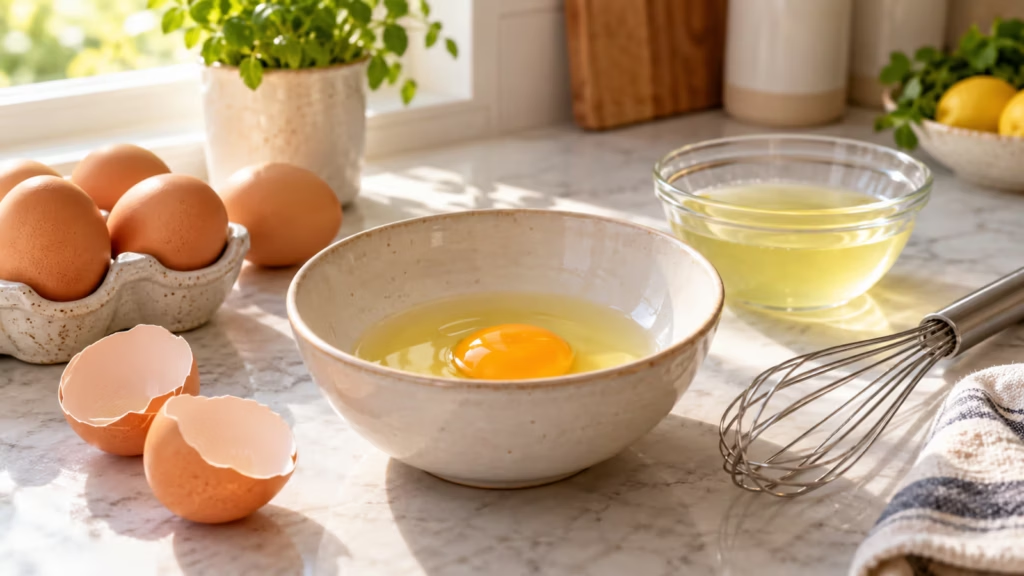
Crack an egg into a bowl and the terminology gets slippery before the white does. Egg albumin nutrition usually means the nutrition of egg white, although the precise kitchen word for the clear portion is albumen. Albumin is a family of proteins, while ovalbumin is the main protein in egg white. For everyday food decisions, the helpful answer is simple: one large egg white has about 17 calories and 3.6 grams of protein, with almost no fat—but it does not contain everything the yolk brings.
Egg white is a lean protein ingredient, not a nutritionally complete replacement for every whole egg.
Albumen, albumin, and egg-white powder are not quite the same
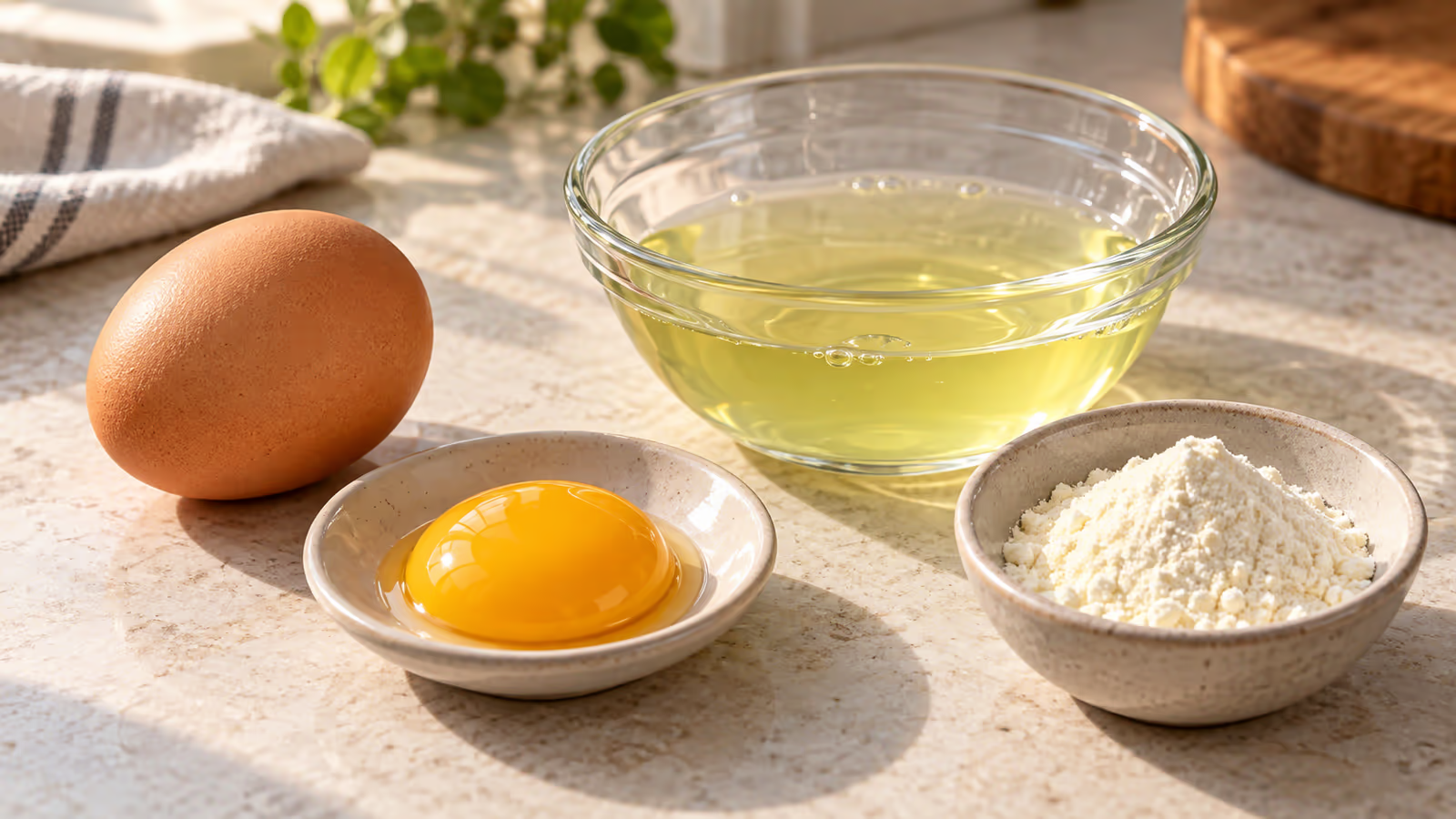
Albumen is the fluid surrounding the yolk. It is roughly 90% water, with the rest made mostly of proteins including ovalbumin, ovotransferrin, ovomucoid, and lysozyme. “Egg albumin” appears on supplement labels and in casual speech, but the product may be dried egg white rather than one fresh white. Concentration changes the numbers dramatically, so compare equivalent gram weights or the labeled serving.
Liquid egg whites in a carton are usually pasteurized and may contain only whites or added ingredients for texture, color, or shelf life. Dried egg-white powder has had most water removed, so a spoonful is more calorie- and protein-dense than the same weight of fresh albumen. Protein powders marketed as egg albumin may add flavors, sweeteners, gums, or sodium. The front name tells you the source; the Nutrition Facts panel tells you the serving you are actually getting.
Egg white is a complete protein, meaning it supplies all nine essential amino acids. That does not make it magic or uniquely superior. Dairy, fish, meat, soy, and varied plant foods can also help meet protein needs. Our guide to daily protein needs is a better starting point than choosing a powder first.
The nutrition numbers in one large egg white
USDA FoodData Central reports that one large raw fresh egg white, about 33 grams, provides roughly 17 calories, 3.6 grams of protein, 0.2 gram of carbohydrate, and almost no fat. It also contains about 55 milligrams of sodium. Size, brand, and rounding create small differences, so use these as reference values rather than laboratory promises for every egg.
| Food | Calories | Protein | Fat | What changes |
|---|---|---|---|---|
| 1 large raw egg white (about 33 g) | About 17 | About 3.6 g | Almost 0 g | Mostly water and egg-white proteins. |
| 1 large whole egg | About 70–75 | About 6 g | About 5 g | Adds yolk fat plus choline, vitamin D, carotenoids, and other nutrients. |
| Liquid or dried egg-white product | Check the label | Check the label | Usually low | Serving size, concentration, sodium, and additives vary. |
Egg whites offer a high proportion of protein for their calories. That can be useful when a meal already contains fat from avocado, cheese, oil, nuts, or another ingredient. It can also help someone add protein with little volume or fat. But “more protein per calorie” is only one way to judge a food, not a verdict that the white is good and the yolk is bad.
For a larger serving, the math is straightforward: three large whites provide about 51 calories and nearly 11 grams of protein before cooking fat or fillings. Carton servings may not equal three shell eggs, and tablespoons are easy to misread. Follow the label, especially when a recipe depends on the white-to-liquid ratio.
What you lose—and gain—when the yolk stays out
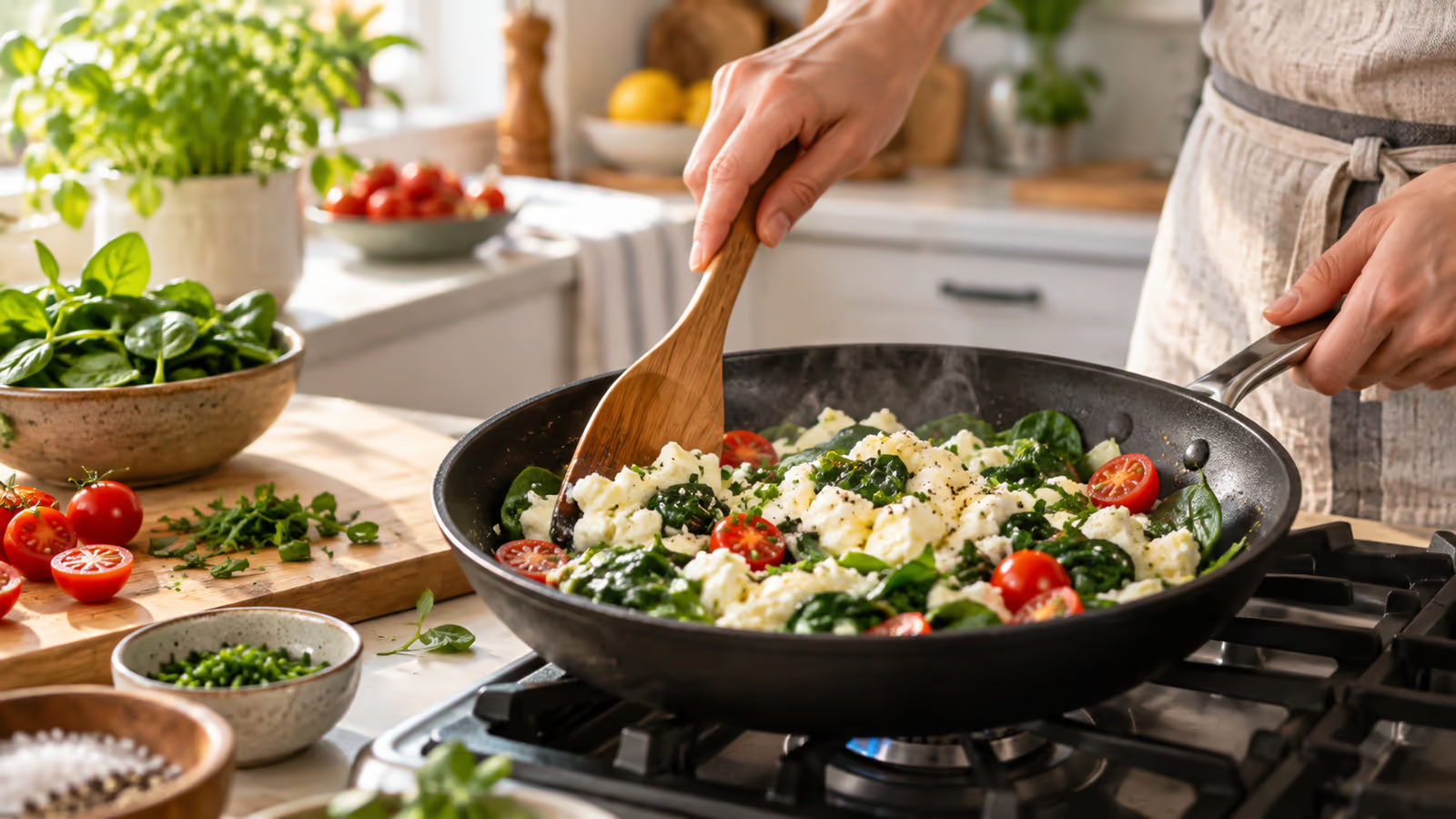
Most of an egg’s fat and cholesterol are in the yolk, but so are nutrients such as choline, vitamin D, vitamin B12, vitamin A, selenium, and the carotenoids lutein and zeaxanthin. The exact list and amounts vary, yet the pattern is clear: a whole egg is a broader nutrient package, while the white is a leaner protein component.
You do not have to choose one camp forever. Two whites plus one whole egg make a generous scramble with more protein and yolk flavor. A whole egg can anchor breakfast while extra carton whites add volume. Or use whites where their structure matters—meringue, soufflé, macarons, and binding—without turning breakfast into a debate about moral purity.
- Choose mostly whites when: you need lean protein or a recipe depends on their foaming and setting properties.
- Keep some yolk when: flavor, tenderness, choline, fat-soluble nutrients, and satisfaction matter.
- Use the whole egg when: it fits your overall pattern and a clinician has not given different guidance.
- Use a labeled product when: you need pasteurization, convenience, or precise repeatable servings.
Safety matters more than a perfectly fluffy texture
Raw shell eggs can carry Salmonella. Cook eggs until both white and yolk are firm, and cook egg dishes to 160°F (71°C), according to U.S. food-safety guidance. For mousse, royal icing, protein shakes, homemade mayonnaise, or another preparation that will not be fully cooked, use a product specifically pasteurized for that purpose and follow its label. “Organic,” “farm fresh,” or a clean shell does not mean pathogen-free.
Keep eggs refrigerated at 40°F (4°C) or below, avoid cracked or leaking shells, wash hands and utensils after raw egg contact, and do not leave cooked egg dishes out longer than two hours—one hour when the air is above 90°F (32°C). If you are unsure about an older carton, our guide to egg freshness and spoilage explains why the float test is not a safety guarantee.
Egg allergy can involve the white, yolk, or both, and concentrated powder is not a safer workaround. Seek urgent help for breathing trouble, throat swelling, faintness, or rapidly worsening symptoms. For everyone else, egg albumen can be a wonderfully practical ingredient: low in calories, rich in high-quality protein, and most useful when you remember that the clear part is only one part of the egg.
Sources
- USDA FoodData Central: Egg, White, Raw, Fresh
- FoodSafety.gov: Safe Minimum Internal Temperatures
- USDA FSIS: Egg Products and Food Safety
- National Library of Medicine: The Health Benefits of Egg Protein

Hi, I’m Laura, the voice behind Tastiva. I’ve always believed that eating well should feel enjoyable, comforting, and realistic—not like another complicated rule to follow. I love creating recipes that fit into everyday life, sharing simple nutrition ideas, and finding small ways to make meals feel a little better without losing the pleasure of good food.