
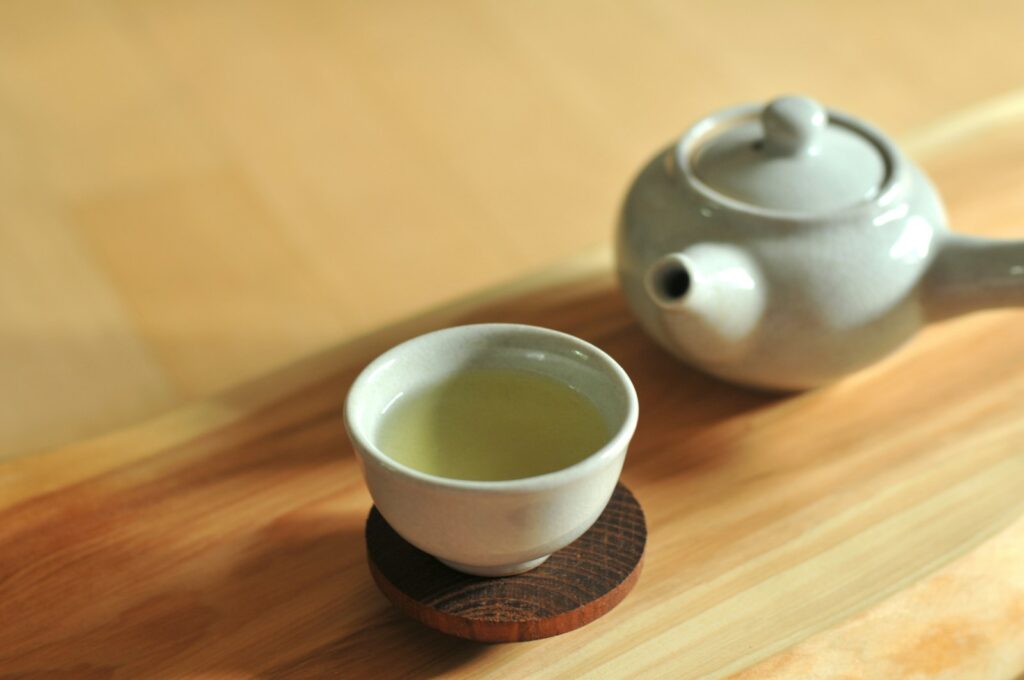
A cup of green tea shouldn’t feel like something you have to endure for its health halo. Green tea bags are simply a convenient way to brew tea leaves, and a satisfying cup depends more on the blend, water, and steeping than on a fancy box. Start with a flavor you like and the package’s brewing directions; bitterness isn’t proof that the tea is doing you more good.
A better cup begins with a little attention, not a more expensive tea bag.
What’s actually inside green tea bags?
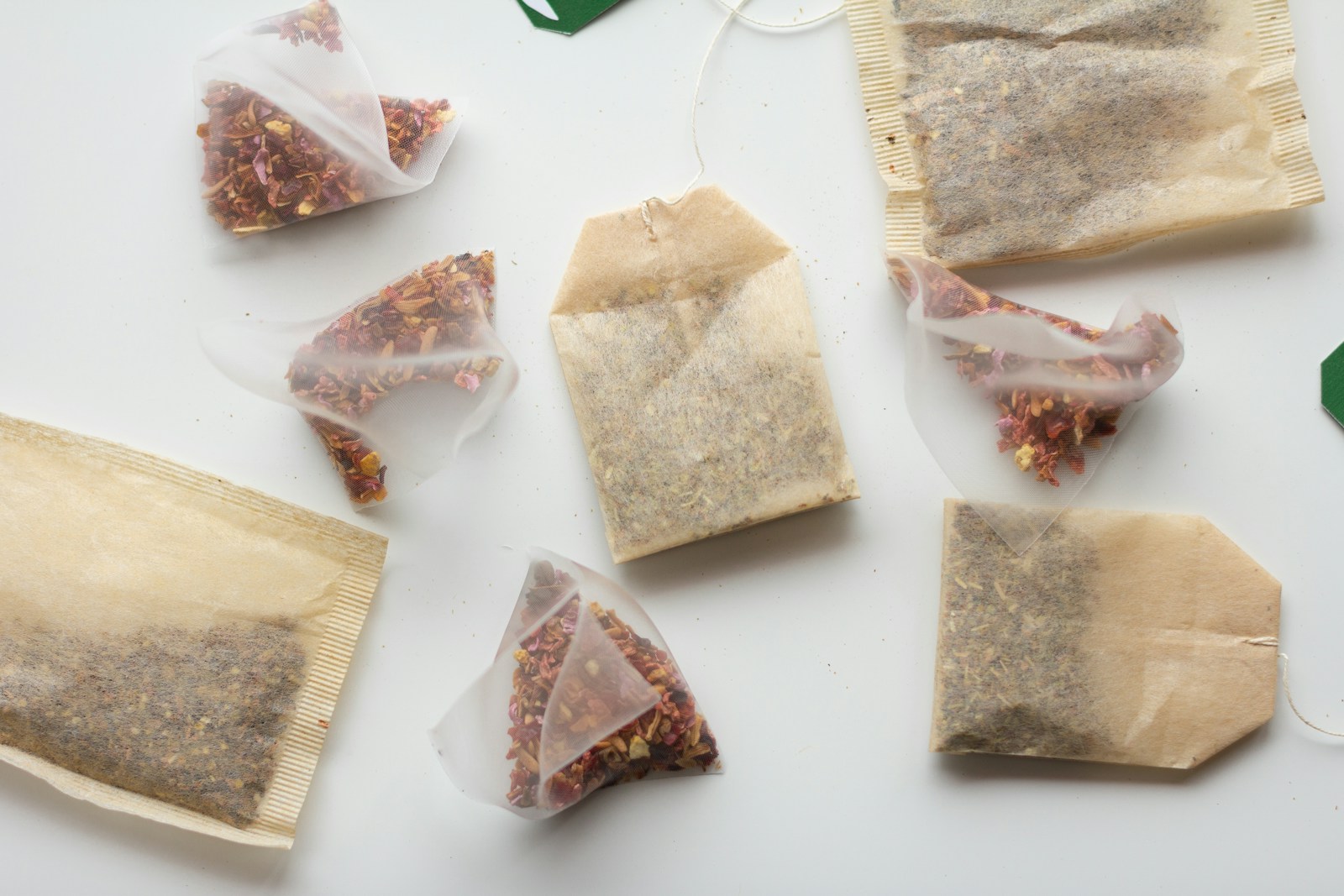
Green tea comes from Camellia sinensis, the same plant used for black and oolong tea. Processing gives each style its character. Bagged green tea may contain small leaf pieces, larger leaves in a roomy sachet, or a blend with mint, jasmine, citrus, or other ingredients. The bag is a brewing format, not a nutritional grade.
Read the ingredient list before deciding what the front of the box means. A mint-green-tea blend still contains caffeine from the green tea; an herbal infusion made only with peppermint is a different drink. Matcha is different again because you consume powdered leaf instead of removing a bag. Tastiva’s guide to whether matcha contains caffeine explains that distinction.
I’d put clear labeling ahead of elaborate packaging. Knowing what you’re buying is more useful than assuming that a pyramid sachet, an organic claim, or an unfamiliar origin guarantees your favorite flavor.
- For a straightforward cup, look for green tea as the only ingredient.
- For a gentler introduction, consider a clearly labeled flavored blend you already find appealing.
- For less caffeine, look specifically for decaffeinated green tea, not simply a pale-colored brew.
- For ingredient restrictions, inspect the whole blend and any relevant allergen information.
Brew green tea bags without the harsh edge
Use the water temperature, cup size, and steeping time on your particular box. Green teas aren’t identical, so a universal “perfect” temperature can be less helpful than the instructions for the tea in your hand. Use a timer the first few times; a forgotten bag can quietly turn a pleasant cup into a very stern one.
Keep your first comparison simple. Brew one bag in the recommended amount of water, taste after the suggested time, then change just one variable next time. This is an ordinary kitchen experiment, not a promise that one method will suit every blend.
| What you notice | What to try next | What to keep unchanged |
|---|---|---|
| More bitterness than you enjoy | A shorter steep within the package guidance | The blend and amount of water |
| A thin, watery cup | Check whether your mug holds much more than the stated serving | Steeping time initially |
| A strong cup that is otherwise pleasant | Add a little fresh water after brewing | Your chosen brewing method |
| An added flavor overwhelms the tea | Try an unflavored version next time | Your usual cup size |
If you want stronger tea, matching the number of bags to a large mug is often more practical than leaving one bag in indefinitely. Remove the bag when the cup tastes right. Lemon or a little sweetener is a preference, not a repair you’re obliged to make.
Caffeine and health claims deserve separate attention
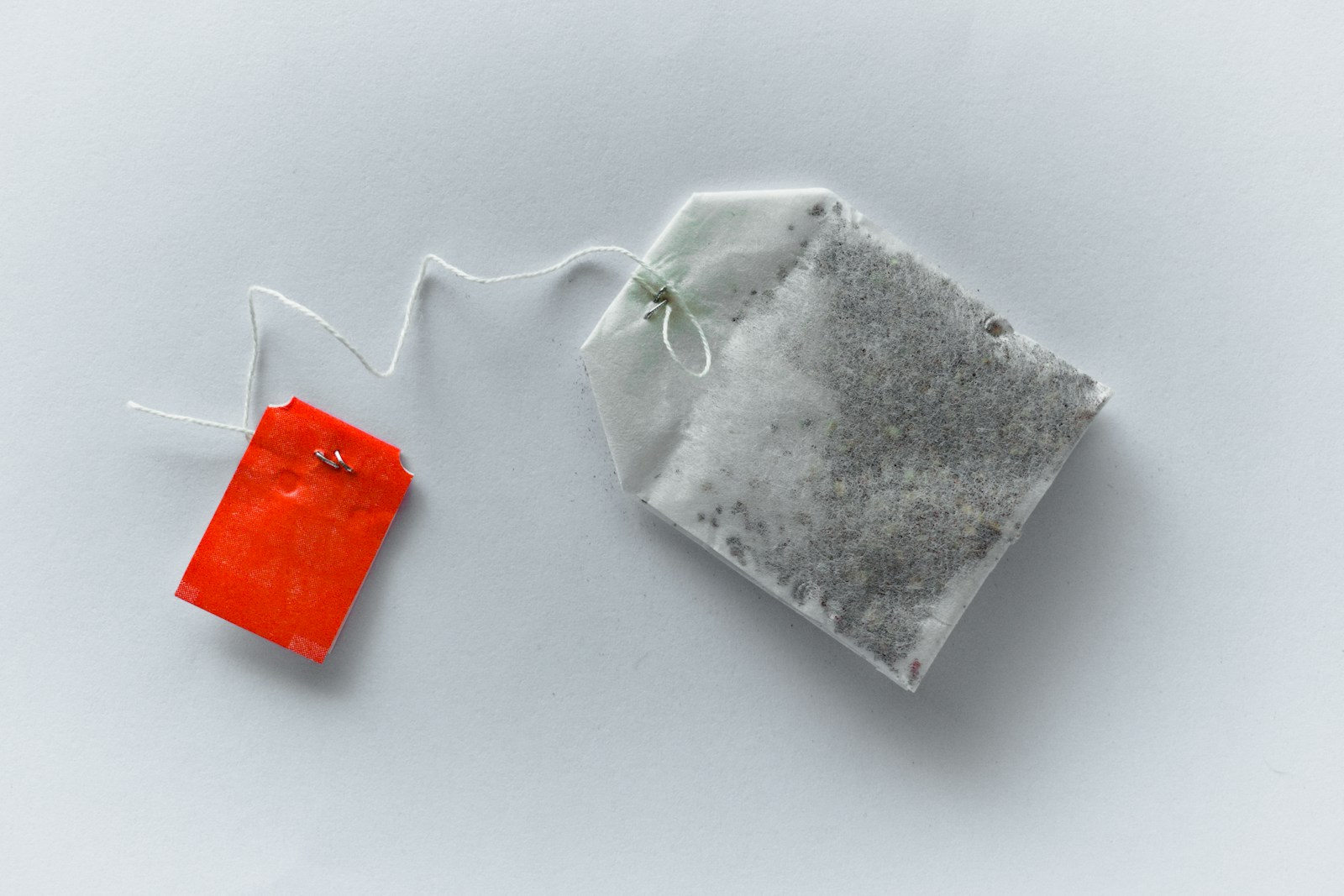
Regular green tea contains caffeine, but you can’t reliably estimate the amount from the drink’s color or the word “green.” Tea variety, portion, and preparation matter. If caffeine affects your sleep, choose an earlier drinking time or a clearly labeled decaf option; decaf doesn’t necessarily mean caffeine-free.
The National Center for Complementary and Integrative Health notes that evidence is not conclusive for most promoted health uses. An everyday tea bag also isn’t equivalent to a concentrated green tea extract. Supplement studies and extract safety concerns shouldn’t be casually applied to a normal cup, or used to promise what that cup will accomplish.
- Don’t treat green tea as a weight-loss treatment or a replacement for medical care.
- Discuss caffeine during pregnancy or breastfeeding with your clinician.
- Ask a pharmacist about relevant medicine interactions, especially before using concentrated extracts.
- Consider what you add: sweetened bottled tea and an unsweetened home-brewed cup aren’t the same product.
Choose a box you’ll finish and store it well
A small box is a sensible first purchase when you’re learning your preferences. Compare the cost per bag, but also notice the recommended serving size. A lower unit price isn’t much of a saving if you need extra bags for every cup or dislike the blend enough to abandon it.
Keep dry tea sealed, away from moisture, heat, and strong pantry odors. Follow the manufacturer’s date and storage guidance. If a packet becomes wet, moldy, or otherwise damaged, don’t brew it. For an everyday habit, convenience matters: keep the tea and a timer easy to reach, and leave the elaborate equipment optional.
My favorite buying rule here is modest: choose the cup you’ll actually enjoy drinking. You don’t need to make a health project out of your afternoon tea. A useful note on the box—your mug size and preferred steeping time—can do more for tomorrow’s cup than another round of shopping.
Sources

Hi, I’m Laura, the voice behind Tastiva. I’ve always believed that eating well should feel enjoyable, comforting, and realistic—not like another complicated rule to follow. I love creating recipes that fit into everyday life, sharing simple nutrition ideas, and finding small ways to make meals feel a little better without losing the pleasure of good food.