

The bottle labeled vegetable oil in your cupboard may contain soybean oil. It’s a liquid oil extracted from soybeans, commonly used when a recipe needs fat without a strong added flavor. For most people, ordinary soybean oil can fit into a varied eating pattern. The more useful questions are how you’re using it, what it replaces, and whether a soy allergy changes the decision.
A familiar cooking oil deserves a clear explanation, not a frightening nickname.
What soybean oil does—and doesn’t—contain
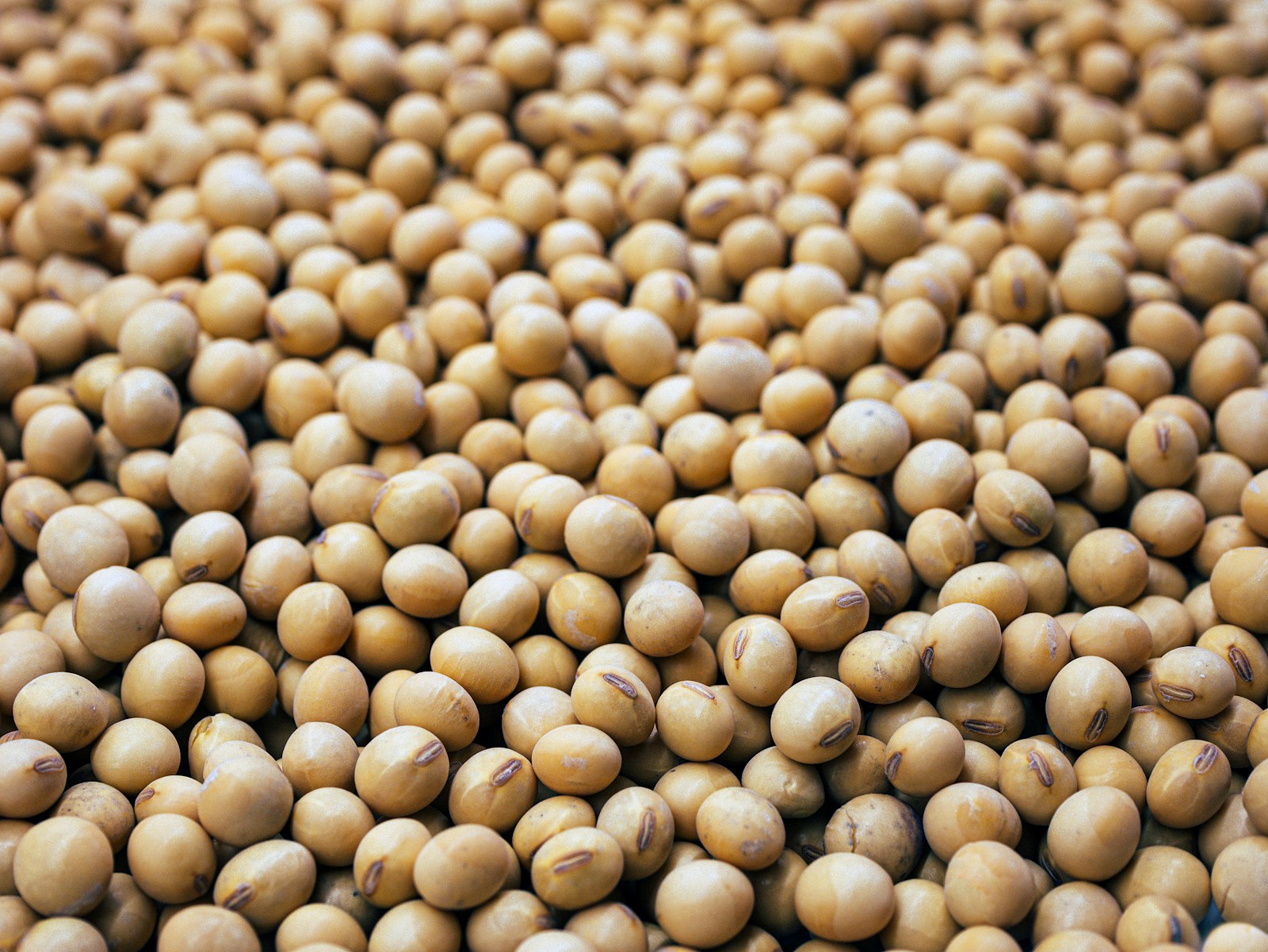
Soybean oil is primarily fat. It isn’t nutritionally interchangeable with whole soybeans, tofu, or edamame, which contribute protein and other components that don’t carry over into the oil in meaningful amounts. Tastiva’s guide to soybeans covers the whole-food side of that family.
USDA’s FoodData Central lists conventional soybean cooking oil as a mixture of saturated, monounsaturated, and polyunsaturated fats, with polyunsaturated fats making up the largest share. It includes linoleic acid and alpha-linolenic acid, often shortened to ALA. That composition doesn’t make a spoonful of oil a substitute for a balanced meal.
I’d separate those basic facts from the arguments that tend to surround the word “seed.” Soybeans are seeds, so soybean oil belongs in that broad category. The label describes its source; it doesn’t tell you, by itself, how a person’s entire diet affects their health.
Read the type before judging the bottle
Conventional liquid soybean oil, high oleic soybean oil, and partially hydrogenated oil are not interchangeable descriptions. A product’s ingredient list is more informative than the generic words “vegetable oil” on its front. Some bottles contain one oil; others contain a blend.
| Label wording | What it tells you | What to check next |
|---|---|---|
| Soybean oil | The plant source | Serving size, saturated fat, and intended cooking uses |
| Vegetable oil | A broad product description | Which oils appear in the ingredient list |
| High oleic soybean oil | A different fatty-acid profile | The manufacturer’s product information |
| A blend of oils | More than one source is present | All ingredients and any allergy guidance |
The American Heart Association includes soybean oil among cooking oils with more unsaturated fat than solid fats such as butter. Its advice centers on replacing higher-saturated-fat choices, not pouring extra oil into food for a health effect. A snack fried in soybean oil and vegetables cooked with a measured amount can have very different overall nutrition.
That’s the context I’d keep: judge the food and the pattern, not just one ingredient. There’s no need to replace a bottle you use comfortably because an online discussion treats all seed oils as identical.
Cooking uses that make sense

Refined soybean oil’s relatively neutral flavor works well in recipes that call for a neutral liquid oil. Check the product’s heat guidance, particularly if yours is a less-refined specialty oil. Don’t assume every oil from the same plant has the same cooking characteristics.
- For sautéing, use enough to coat the pan appropriately for your ingredients and cookware.
- For roasting, measure the oil before tossing it with vegetables so you know what went into the tray.
- For dressings, let vinegar, citrus, mustard, or herbs provide the flavor you want.
- For baking, substitute within recipes already written for a comparable liquid oil.
- For recipes built around creamed butter, choose a tested oil-based version instead of assuming a straight swap preserves the texture.
A neutral oil can be a practical budget choice, but compare the unit prices available where you shop; it isn’t automatically the cheapest in every store. A large container only saves money if you can finish it in good condition. Smaller households may get more value from a smaller bottle.
Soy allergy and storage need their own checks
A soy allergy is a separate issue from general nutrition preferences. Food Allergy Research & Education explains that most people with soy allergy tolerate highly refined soy oil, while cold-pressed, expelled, or extruded soy oils may retain soy protein and should be avoided. If you have a diagnosed allergy, follow your allergist’s plan rather than testing this distinction yourself.
Highly refined soy oil is exempt from the major-allergen labeling requirement described by FARE. That means a missing “contains soy” statement isn’t the only information to consider. Read ingredients, ask about restaurant oils when needed, and seek clarification if the processing method is unclear.
- Keep the bottle tightly closed, away from the stove and direct sunlight.
- Follow its best-by and storage guidance; don’t give every bottle the same assumed shelf life.
- Discard oil that smells unpleasant or rancid.
- Don’t continue cooking with oil that has begun smoking.
- Keep raw meat juices and food scraps out of the original bottle.
Sources
- USDA FoodData Central: SR Legacy food-composition data
- American Heart Association: Healthy cooking oils
- FARE: Soy allergy and highly refined oils

Hi, I’m Laura, the voice behind Tastiva. I’ve always believed that eating well should feel enjoyable, comforting, and realistic—not like another complicated rule to follow. I love creating recipes that fit into everyday life, sharing simple nutrition ideas, and finding small ways to make meals feel a little better without losing the pleasure of good food.