
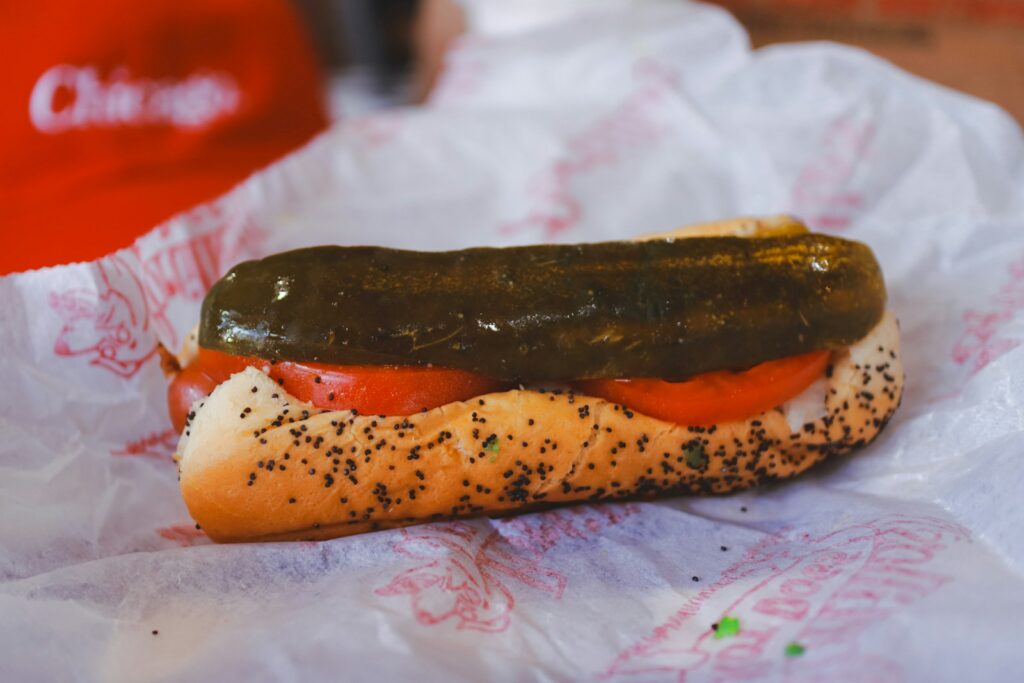
Those two little green peppers tucked beside the tomatoes on a Chicago-style hot dog are not garnish pretending to be important. Sport peppers are small green chiles, most often sold whole in a tangy pickling brine, with a crisp bite and a noticeable kick. They are a signature Chicago-dog topping and also show up on Maxwell Street Polish sausages. Outside the Midwest, the jar can be more elusive than the explanation.
A sport pepper does a very Chicago job: it brings heat, pickle tang, and crunch without taking over the whole sandwich.
What sport peppers actually are
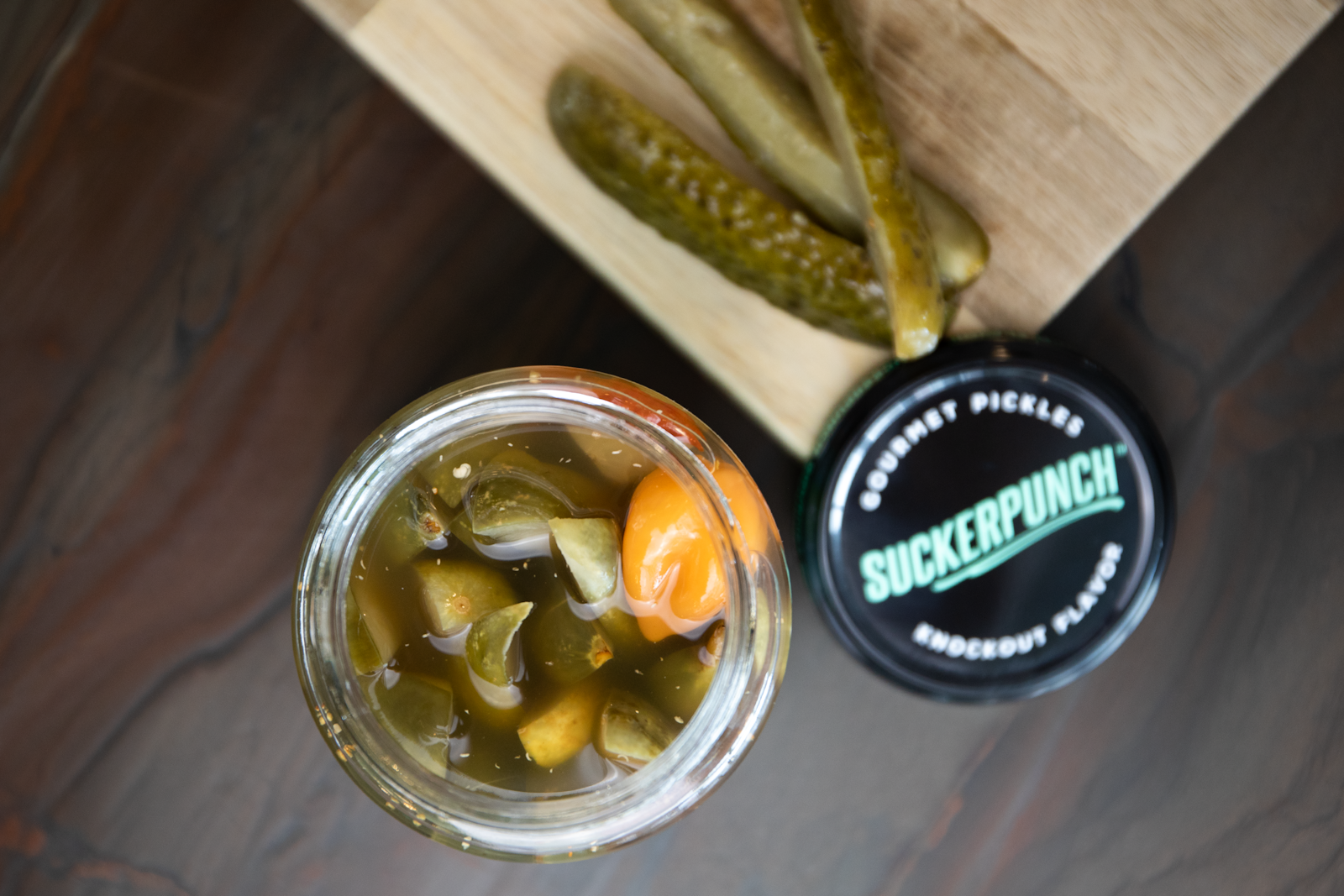
Sport peppers are small, slender chiles sold whole in a tangy brine. A Vienna Beef executive has described the company’s supply as a seed variety called the “Mississippi sport pepper,” similar to a small serrano but distinct from it. Commercial jars do not always name the cultivar, and growing conditions and brine can change how a batch tastes, so the label and the pepper in front of you matter more than a rigid definition.
Their clearest culinary home is the Chicago-style hot dog: an all-beef frank in a poppy-seed bun with yellow mustard, chopped onion, bright relish, tomato, a pickle spear, sport peppers, and celery salt. Vienna Beef describes sport peppers as an ideal Chicago-dog topping and an extra kick for hot dogs or Polish sausage. That sharp pepper cuts through a rich sausage and sweet relish in one small bite.
Sport peppers are not the same thing as Chicago giardiniera. A jar of sport peppers holds small whole chiles in brine. Giardiniera is a chopped mix that may include peppers, cauliflower, carrots, celery, and other vegetables, often packed in oil in the Chicago style. Both belong on a crowded sandwich, but they bring very different textures.
What they taste like—and how hot they are
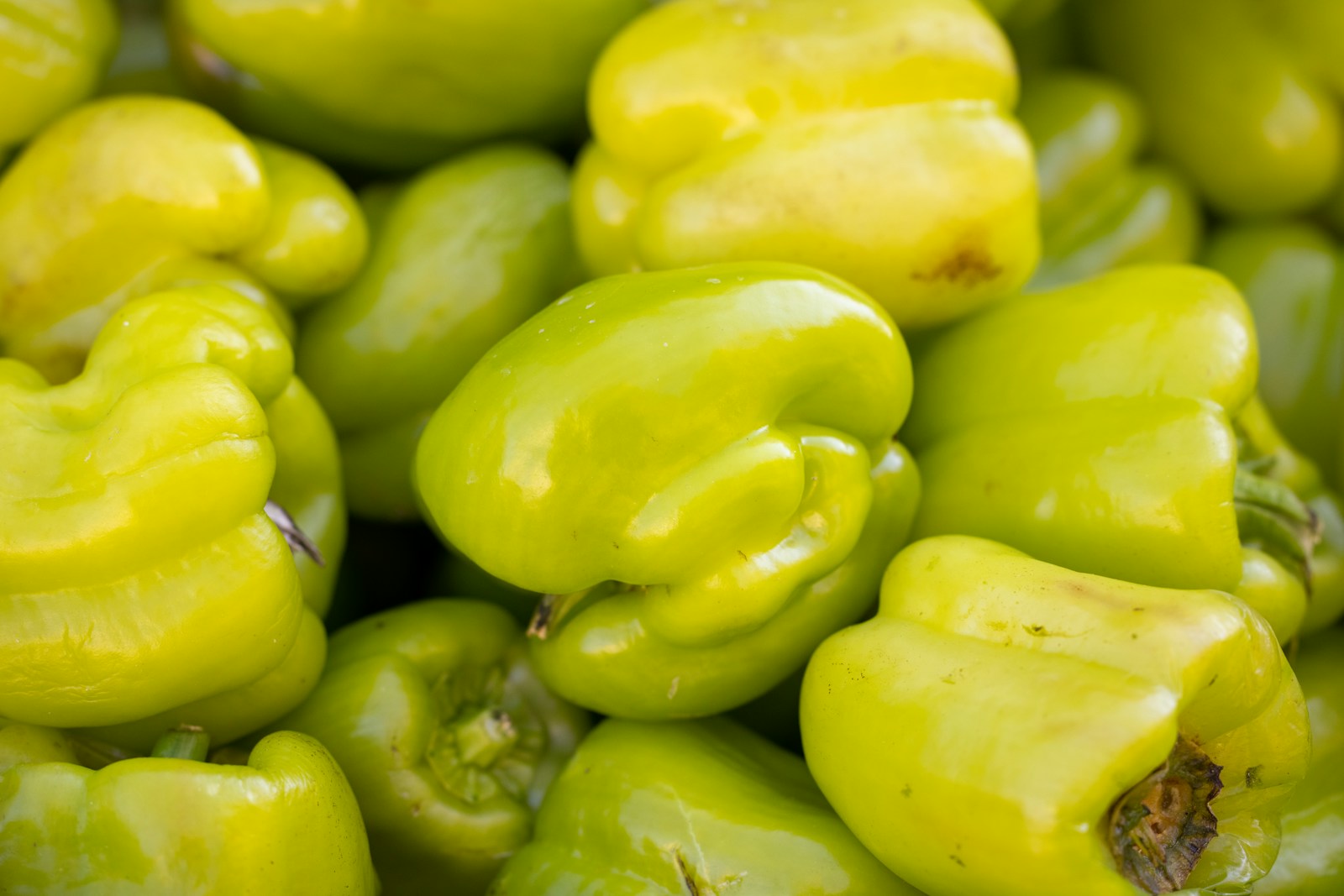
The first impression is pickle-bright: vinegar, salt, green-pepper flavor, then heat after the crunch. Specialist pepper references place sport peppers in a rough 10,000 to 23,000 Scoville heat unit range, near serrano territory and generally above jalapeños. That is a useful ballpark, not a specification for every jar. New Mexico State University notes that a chile’s heat is shaped by genetics and growing conditions, so brands and batches can differ.
If you are new to them, start with one pepper or a small chopped piece. Keep it whole for little bursts of heat, slice it lengthwise to spread the flavor through a sandwich, or mince it into relish. A practical approach is to taste a tip before lining three of them across lunch. It is easier to add a second pepper than to negotiate with an unexpectedly fiery first one.
| Pickled option | What to expect | Best use |
|---|---|---|
| Sport pepper | Small, whole, briny, crisp, and assertive | The Chicago-style benchmark |
| Pickled serrano | Narrow, hot, and green-tasting | Closest overall match for shape and heat |
| Pickled jalapeño | Thicker, often sliced, and easy to find | Best supermarket stand-in |
| Pickled pepperoncini | Tangy, softer, and much gentler | Best when pickle flavor matters more than heat |
How to buy them and use the whole jar
Look near pickles, giardiniera, and jarred jalapeños, or check a Chicago-focused grocer or the manufacturer’s store locator. Read the ingredient list because brines and preservatives differ, then check sodium per serving. Serving sizes can be tiny, so count how many peppers you realistically eat rather than judging the front of the jar. A firm pepper beneath clear brine is more useful than one that has gone limp and dull.
The Chicago dog is only the beginning. Sport peppers can wake up:
- Italian beef or Polish-sausage sandwiches
- burgers with American cheese, grilled cheese, and deli sandwiches
- chopped egg salad, tuna salad, or potato salad
- pizza, nachos, grain bowls, and tacos
- creamy dips, tartar sauce, or a homemade relish
I think of the brine as seasoning, not drinking water. A teaspoon can sharpen a dressing or mayo-based sauce, but add it gradually because salt and acidity concentrate quickly. Chopped peppers also make a smart counterpoint to beans, melted cheese, or roasted potatoes—foods that welcome a bright edge.
Storage, safety, and the best substitute
Follow the exact jar. Vienna Beef instructs consumers to refrigerate sport peppers after opening; other brands may give their own directions and best-quality window. Keep the peppers submerged when possible, use a clean fork instead of fingers, close the lid, and avoid leaving the jar beside a hot grill. Discard a leaking or bulging unopened container, or an opened jar with mold, an off odor, spurting liquid, or a suspiciously changed texture.
If authenticity matters, buy a jar labeled sport peppers. Otherwise, match the job the pepper is doing: choose pickled serranos for the closest heat and narrow shape, pickled jalapeños for an easy supermarket swap, or pickled pepperoncini for tang with very little burn. Fresh chiles are not a direct one-for-one substitute because they lack the briny acidity that balances the sausage. A quick refrigerator pickle can mimic that contrast, but shelf-stable home canning requires a tested recipe and the specified vinegar strength—this is not the moment for casual acid math.
The charming thing about sport peppers is how much work such a small topping does. They are spicy, sour, salty, and crisp at once. Put one on a hot dog, then notice the next bite without it: that missing spark explains why Chicago keeps a jar close.
Sources
- Vienna Beef: Sport Peppers—Serving and Storage Information
- Vienna Beef: Vienna Sport Peppers
- The Takeout: Vienna Beef on the Mississippi Sport Pepper
- AP: What’s the Perfect American Hot Dog? Depends Where You Grew Up
- New Mexico State University: Measuring Chile Pepper Heat
- NIST: How Do You Measure the “Heat” of a Pepper?
- PepperScale: Sport Peppers
- PepperScale: Sport Pepper Substitutes
- National Center for Home Food Preservation: Pickled Hot Peppers
- USDA FSIS: Shelf-Stable Food Safety

Hi, I’m Laura, the voice behind Tastiva. I’ve always believed that eating well should feel enjoyable, comforting, and realistic—not like another complicated rule to follow. I love creating recipes that fit into everyday life, sharing simple nutrition ideas, and finding small ways to make meals feel a little better without losing the pleasure of good food.