
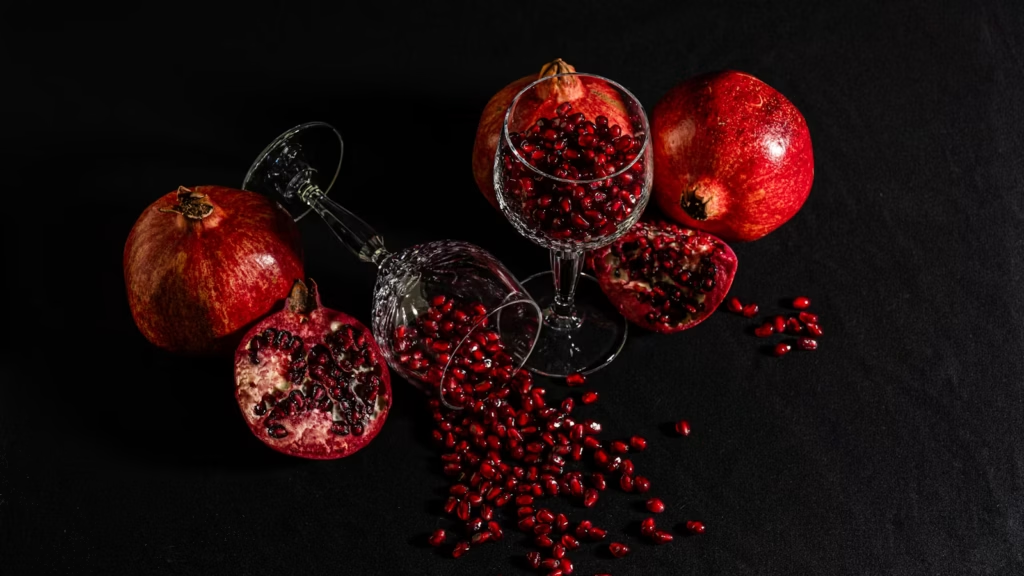
Grenadine is the red syrup that makes a Shirley Temple blush, gives a Tequila Sunrise its sunset, and turns plain sparkling water into something that feels a little more dressed up. Good grenadine tastes sweet and tart, with recognizable pomegranate depth rather than a vague “red candy” flavor.
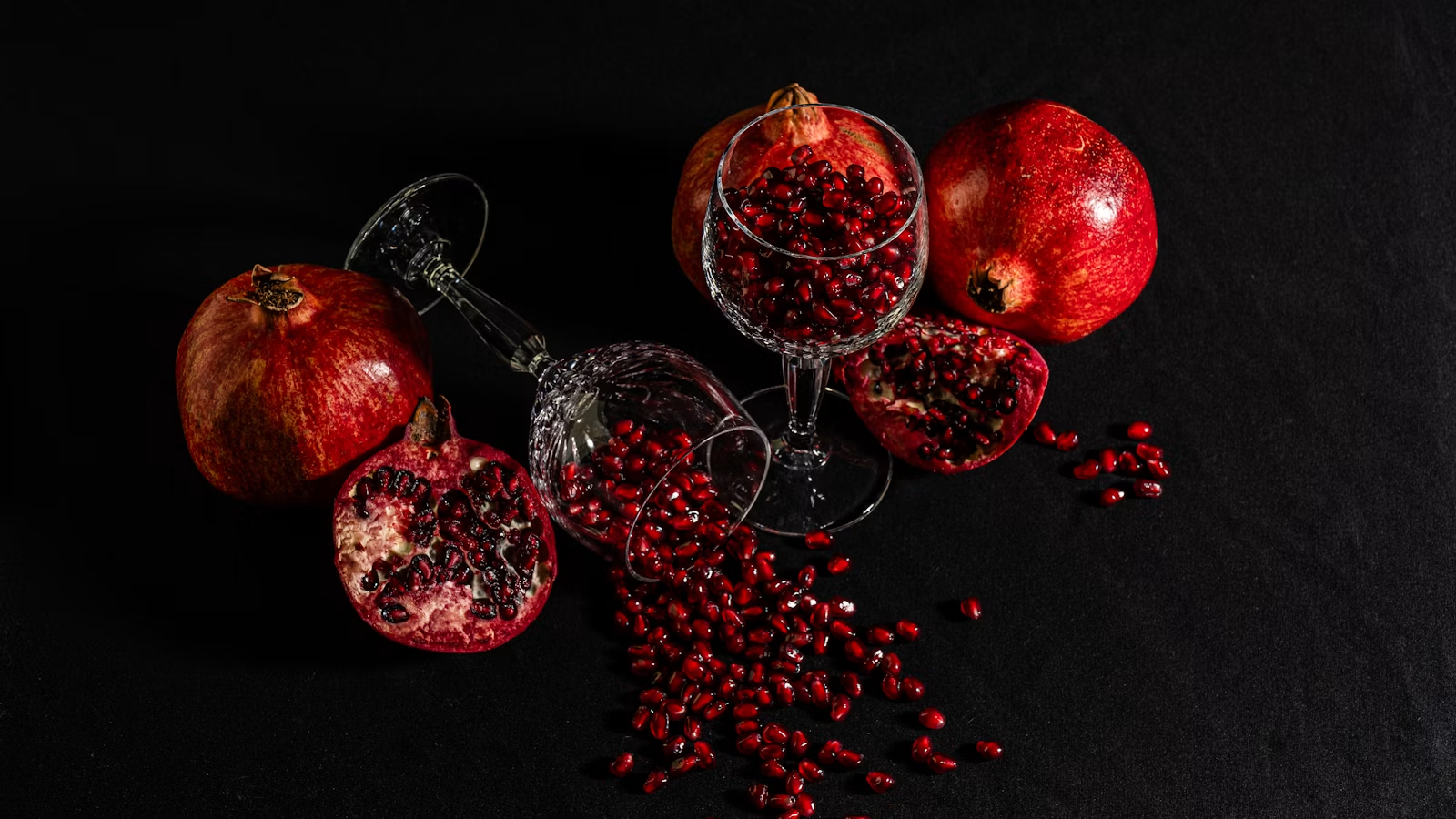
Grenadine should contribute pomegranate, sweetness, and color—not simply make every drink taste like melted candy.
The useful surprise is that homemade grenadine is not an elaborate bartending project. Pomegranate juice, sugar, a little lemon, and gentle heat make a vivid syrup in about 15 minutes, plus cooling time. I add orange blossom water only by the drop. It is lovely when it whispers and alarmingly perfumed when it grabs the microphone.
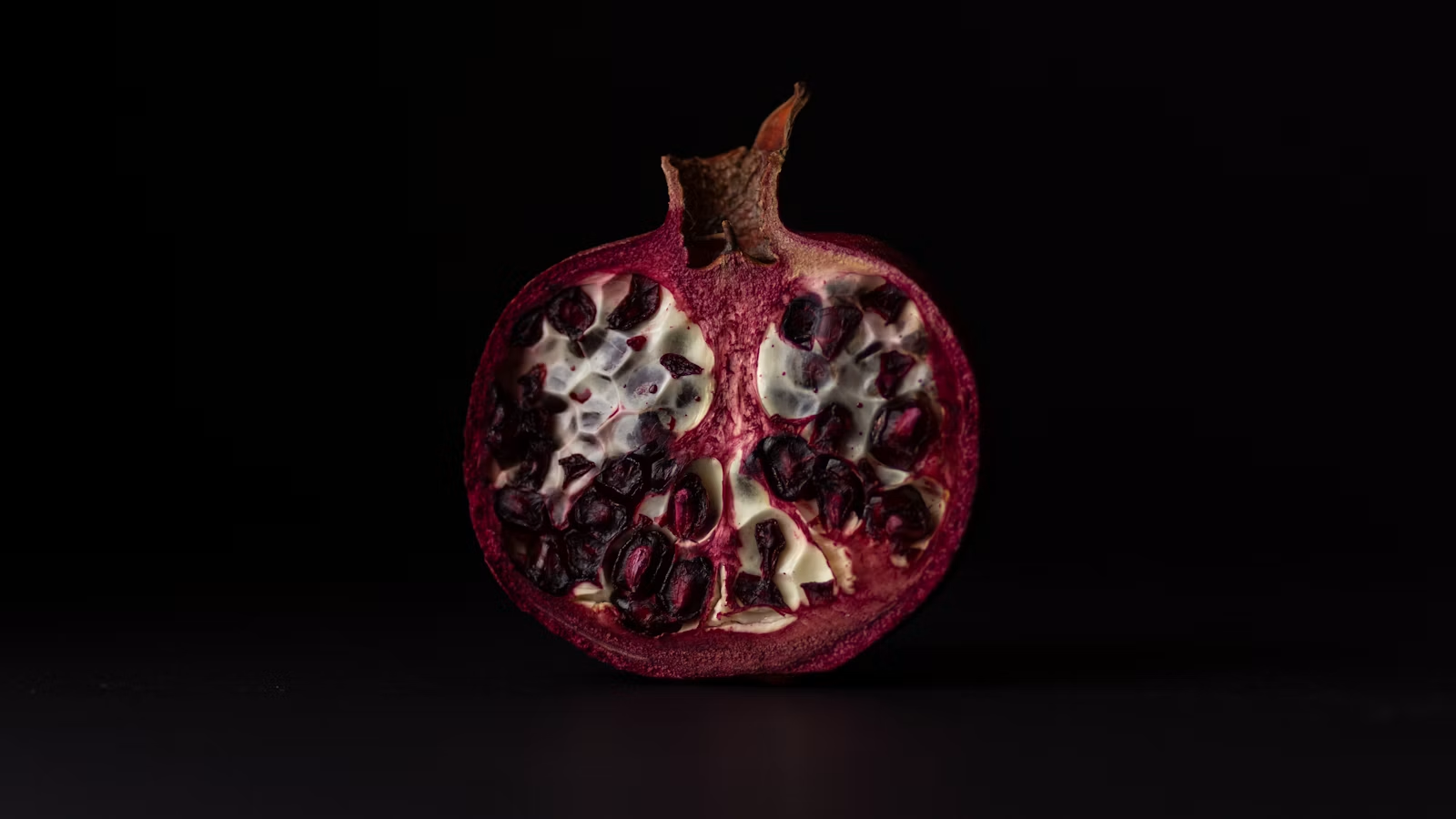
What grenadine is—and why bottles taste different
Classic grenadine is a nonalcoholic pomegranate syrup used to sweeten, flavor, and color drinks. The name is connected to pomegranate, but the ingredient list on a modern bottle may tell a more complicated story. The FDA notes that the name has long been used for syrups made with other fruit juices as well as sugar syrup. That explains why two red bottles can taste as unrelated as cousins who meet only at weddings.
A pomegranate-forward version is fruity, tannic, tart, and sweet. It has enough acidity to keep the sugar from feeling flat. A less expensive commercial version may lean on corn syrup, citric acid, flavoring, and color. That is not automatically “bad”—a bright, simple syrup can be exactly right for a nostalgic soda—but it is different from a syrup whose first job is to taste like pomegranate.
- For a fruitier drink: look for pomegranate juice or pomegranate concentrate near the beginning of the list.
- For a classic soda-fountain flavor: a simpler commercial syrup may deliver the color and sweetness you expect.
- For alcohol-free drinks: check the label rather than assuming. Grenadine itself is usually nonalcoholic, but formulas vary.
- For allergies or dietary needs: read the current package every time; brands can reformulate.
How to choose pomegranate juice and control the sweetness
For homemade grenadine, choose a bottle labeled 100% pomegranate juice, not pomegranate juice cocktail or a multi-fruit blend. Taste it before adding sugar. Some juices are brisk and drying; others are softer and naturally sweeter. The recipe below uses less sugar than a strict equal-volume bar syrup, so the finished grenadine stays lively and pours easily once chilled.
Sugar is doing more than sweetening. It gives the syrup body, helps it disperse through an iced drink, and rounds pomegranate’s mouth-puckering edge. Lemon juice sharpens the finish. The pinch of salt is not enough to make the syrup salty; it simply keeps the fruit from tasting one-dimensional.
Do not aggressively reduce the juice. A long boil can mute its fresh flavor and make the syrup thicker than you intended after chilling. Warm the mixture only until the sugar dissolves, then give it a short, quiet simmer. If your cooled batch is too thick, stir in pomegranate juice a tablespoon at a time. If it is too tart, add a spoonful of sugar and warm it gently again.
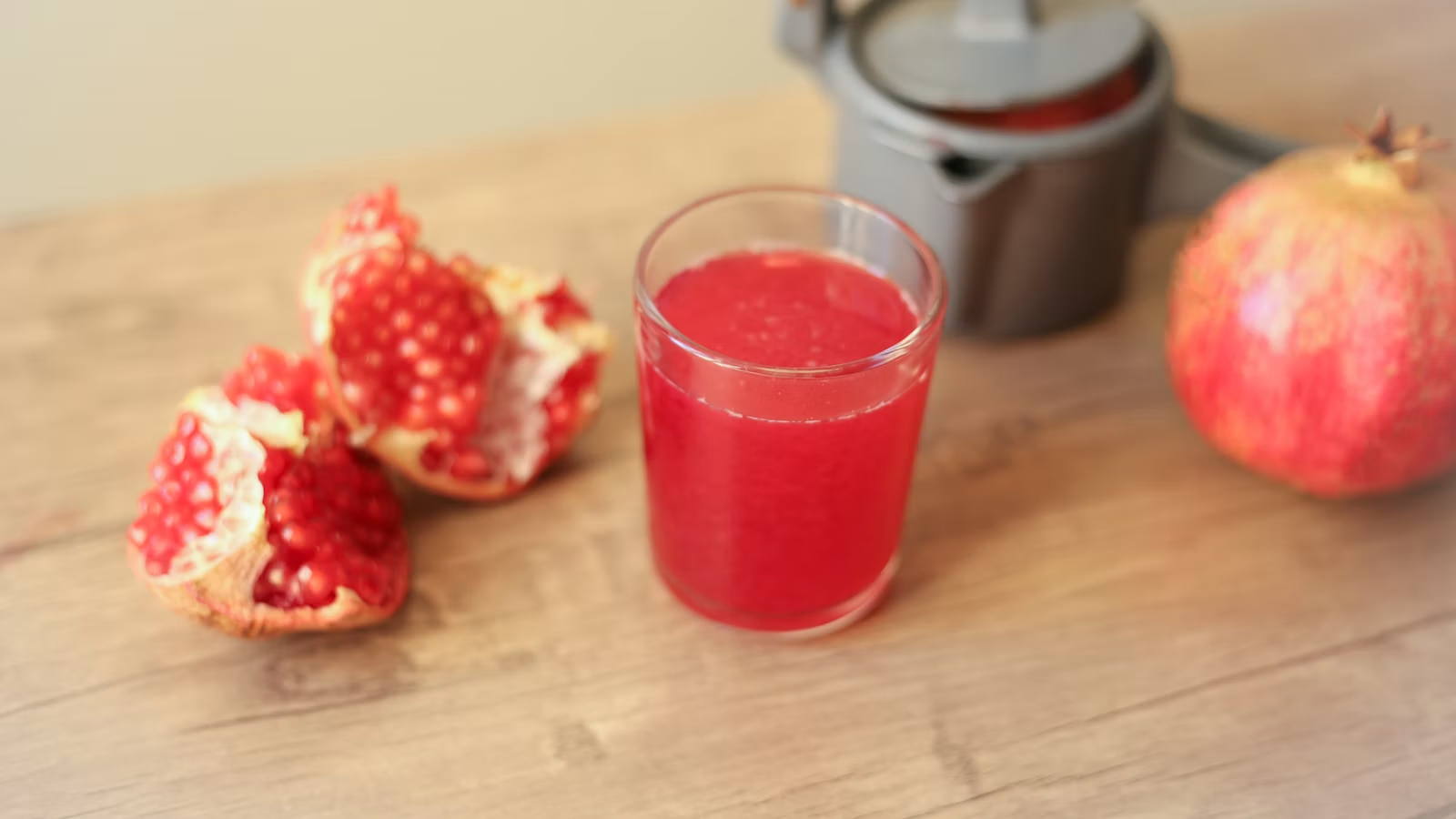
Grenadine recipe
This batch makes about 2½ cups, or roughly forty 1-tablespoon servings. That sounds like a party, but grenadine is used in small measures. Make a half batch if your household is more “occasional pink lemonade” than “open a home tiki bar by Friday.”
Grenadine Recipe

Ingredients
- 2 cups 100% pomegranate juice not a juice cocktail or blend
- 1 1/2 cups granulated sugar
- 2 tablespoons fresh lemon juice
- 1 pinch fine salt
- 1/4 teaspoon orange blossom water optional; add cautiously
Equipment
- 1 small saucepan 2-quart capacity
- 1 Silicone spatula or whisk
- 1 Measuring cups and spoons
- 1 Clean glass bottle or jar with a tight-fitting lid
Instructions
- Wash the bottle or jar and lid in hot, soapy water or run them through the dishwasher. Let them drain while you make the syrup.
- Add the pomegranate juice, sugar, lemon juice, and salt to a small saucepan. Stir over medium-low heat until the sugar has completely dissolved.
- Bring the mixture to a bare simmer, not a rolling boil. Cook for 5 minutes, stirring occasionally. Gentle heat preserves a fresher pomegranate flavor.
- Remove from the heat. If using orange blossom water, stir in 1/4 teaspoon. Taste only after the syrup cools slightly; add another drop or two only if you want it more noticeable.
- Let the grenadine cool for about 30 minutes. It will thicken a little more as it chills.
- Pour into the clean bottle or jar, seal, label with the date, and refrigerate at 40°F (4°C) or below. Use within 2 weeks, or freeze in small portions for up to 3 months.
Nutrition
Video
Notes
Tried this recipe?
Let us know how it turned out!How to use grenadine in drinks and desserts
Start with less than you think. For an 8- to 12-ounce drink, 1 to 2 teaspoons often adds enough fruit and color; a cocktail recipe may call for more. Stir before deciding. Grenadine sinks because it is dense, which is how layered drinks get their dramatic gradient, but the first unswirled sip can otherwise be syrup followed by a glass of regret.
- Shirley Temple: add 1 to 2 teaspoons to ginger ale or lemon-lime soda, then finish with lime and a cherry.
- Sunrise-style mocktail: pour orange juice over ice, add sparkling water, and slowly drizzle grenadine down the side.
- Lemonade: stir in a teaspoon per glass and adjust after tasting.
- Iced tea: use it as a fruity sweetener in black tea or hibiscus tea. If you need the brewing basics first, see how to make iced tea.
- Dessert: spoon a little over vanilla yogurt, panna cotta, shaved ice, or berries.
Grenadine can also soften a sharp lime drink or add color to a punch. Pair it with citrus, ginger, mint, or sparkling water. Creamy ingredients are less predictable because acid can encourage dairy to curdle, so test a small amount first. For another sweet mixer with a completely different personality, our guide to cream of coconut explains where that rich can belongs.
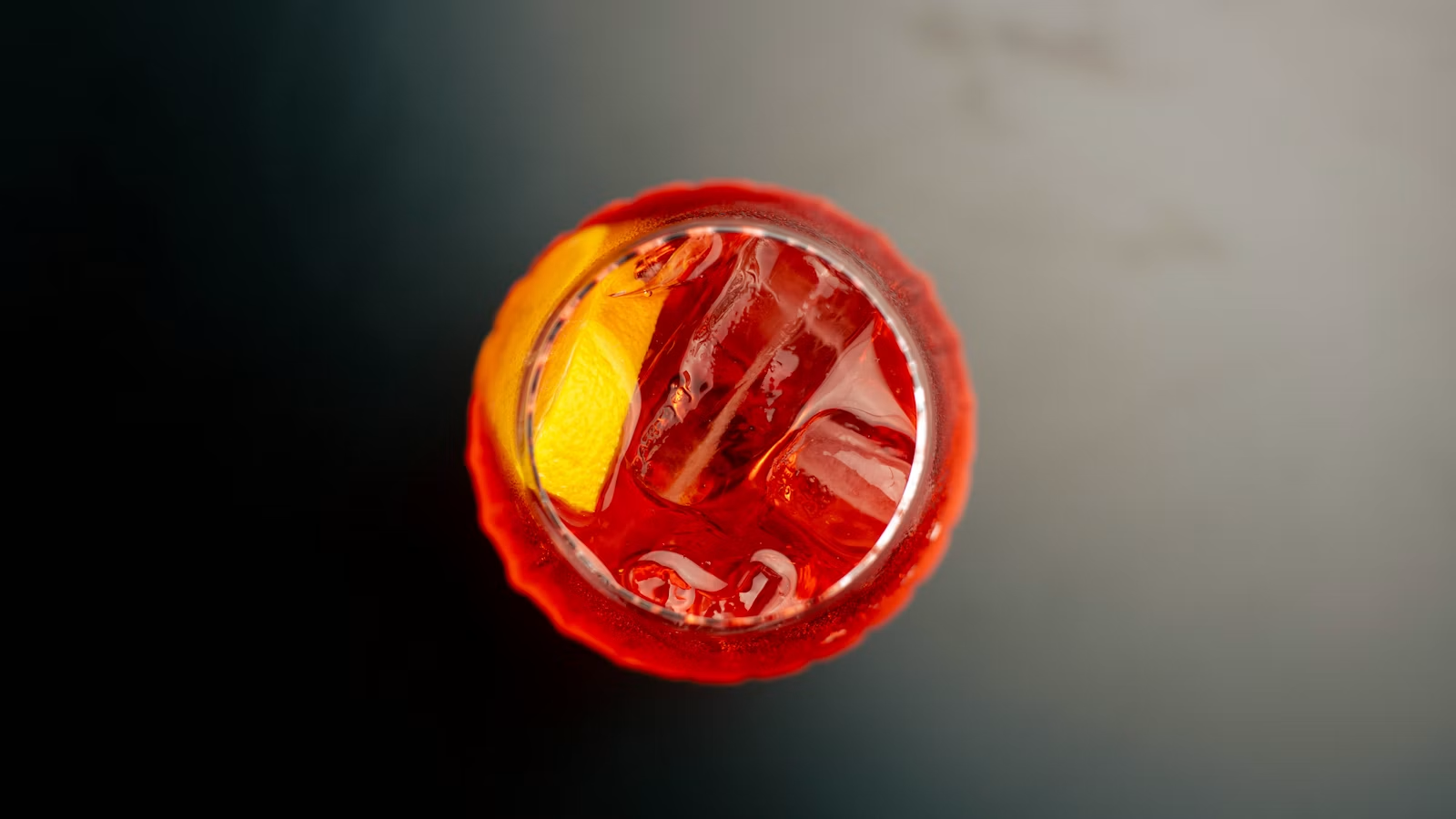
Store homemade grenadine in a clean, tightly closed container in the refrigerator at 40°F (4°C) or below and use it within two weeks. It is a refrigerated syrup, not a shelf-stable preserve. Freeze extra in small containers or ice-cube portions for up to three months, leaving room for expansion. Discard it if you see mold, unexpected bubbling, fermentation, or an off odor; tasting is not the way to investigate suspicious syrup.
Sources
- U.S. Food and Drug Administration: CPG Sec. 550.400 Grenadine
- American Heritage Dictionary: Grenadine
- The Washington Post: Homemade Grenadine
- FoodSafety.gov: Cold Food Storage Chart
Hi, I’m Laura, the voice behind Tastiva. I’ve always believed that eating well should feel enjoyable, comforting, and realistic—not like another complicated rule to follow. I love creating recipes that fit into everyday life, sharing simple nutrition ideas, and finding small ways to make meals feel a little better without losing the pleasure of good food.