
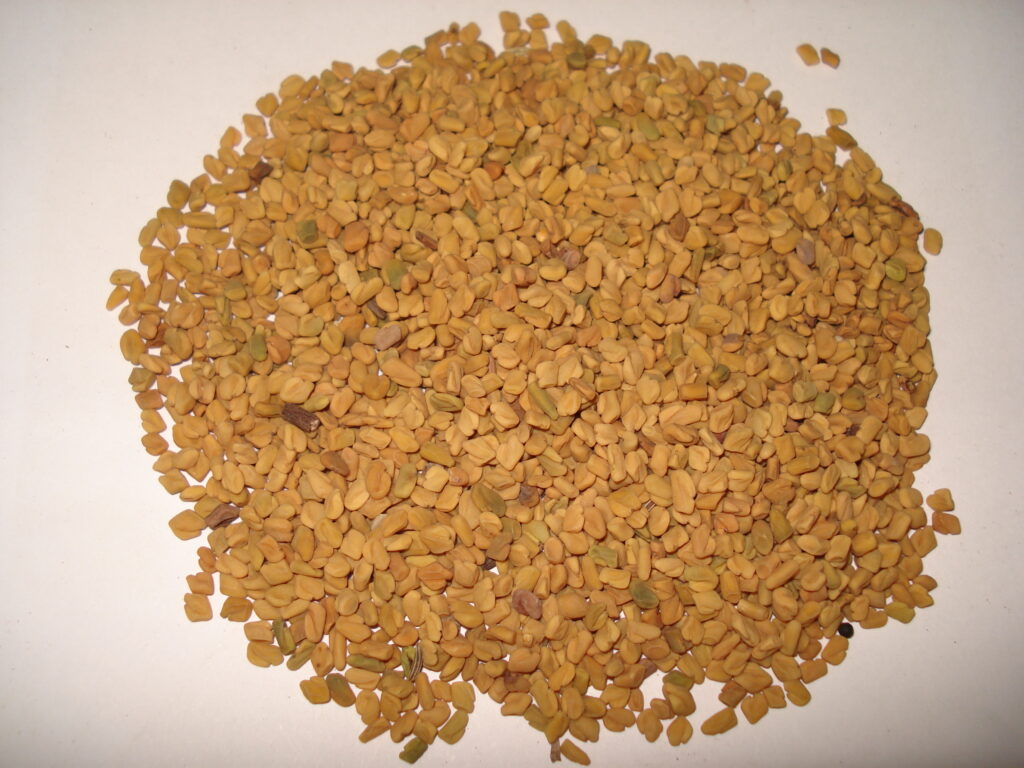
Halba benefits are often discussed as though a kitchen spice and a concentrated supplement were the same thing. Halba refers to fenugreek, a plant also known as methi, whose seeds are used in cooking. Its flavor has a clear place at the table. Claims about blood sugar, digestion, or breast milk supply need a more careful look at the evidence.
A familiar traditional ingredient can be worth enjoying without making it a treatment. I would start with what halba adds to a dish, then examine health claims separately.
What halba is and how cooks use it
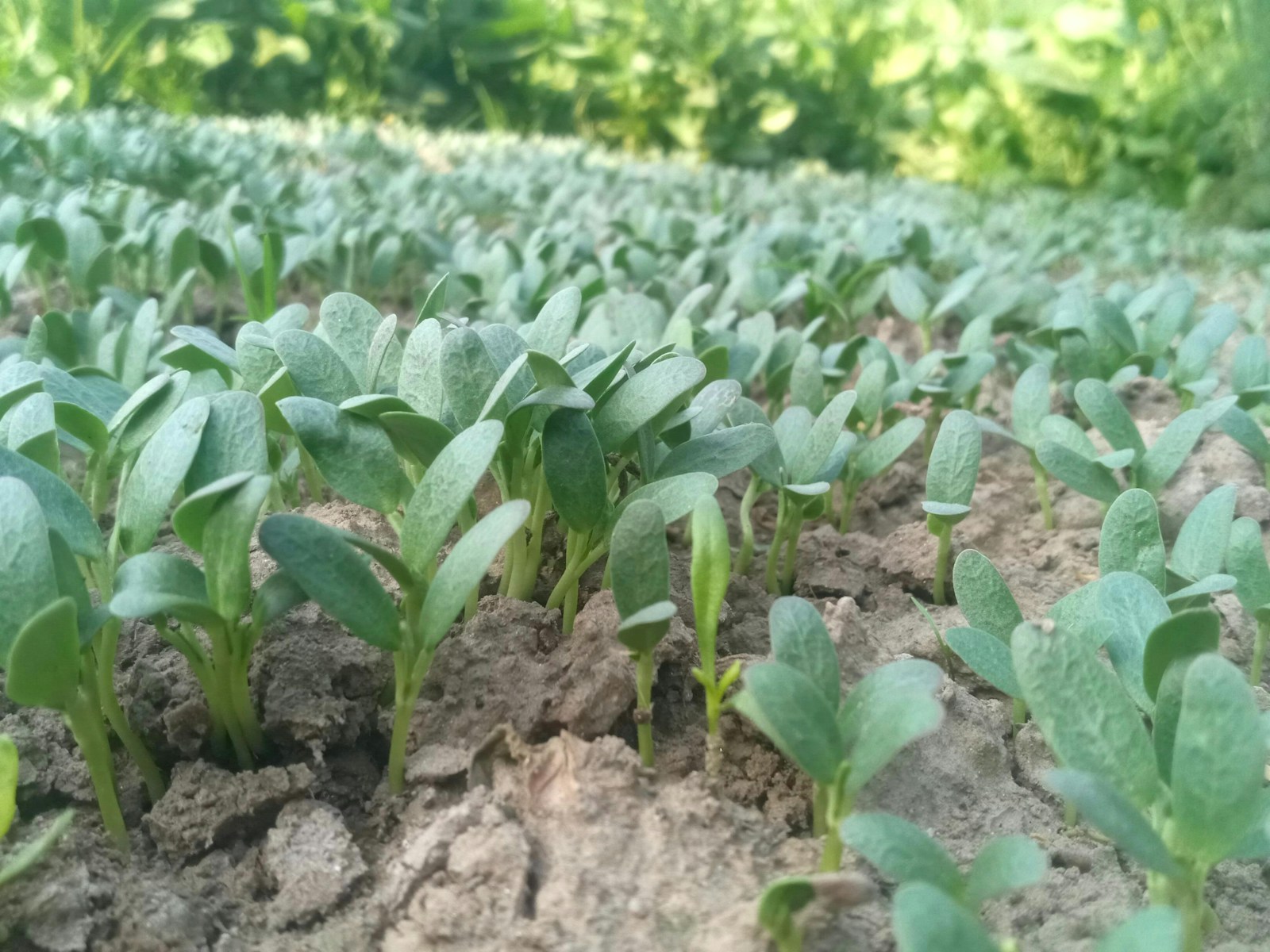
Fenugreek's botanical name is Trigonella foenum-graecum. Its seeds have a distinctive aroma often compared with maple syrup, and they appear in several culinary traditions. Memorial Sloan Kettering's fenugreek overview identifies its food use alongside its history as an herbal product. The name on a packet may vary, so check whether you're buying seeds, ground seeds, leaves, or a supplement.
Those forms aren't interchangeable spoon for spoon. A recipe asking for dried leaves expects a different texture and use from one asking for whole seeds. The Spice House describes whole fenugreek seeds as a seasoning for foods such as chutneys and pickles and notes their sweet, nutty aroma. Let a complete recipe guide the amount and preparation, especially if the ingredient is new to you.
Halba can also be the name of a prepared relish. The Jewish Food Society documents Elli Benaiah's fenugreek relish, which pairs the seeds with herbs and other seasonings. That is a culinary example, not evidence for a medical benefit. It is also a reminder to read past a familiar name: a bowl of relish, a jar of seeds, and a capsule are different products.
What the evidence says about popular benefits
The National Center for Complementary and Integrative Health concludes that high-quality evidence is insufficient to establish fenugreek's usefulness for health conditions. Some findings are interesting, but limitations in study quality prevent confident promises. A long history of use can explain why researchers ask a question; it cannot answer that question by itself.
| Claim you may see | What the available evidence supports |
|---|---|
| Helps manage blood sugar | Some studies suggest an effect, but many have quality limitations; it should not replace diabetes treatment |
| Increases breast milk supply | Studies have produced mixed findings, and safety in larger amounts is uncertain |
| Relieves menstrual cramps | Research is limited and generally low quality |
| Improves digestion or treats inflammation | Memorial Sloan Kettering reports insufficient supporting clinical evidence for these uses |
A small study of a specific extract also cannot establish what happens when someone adds a little seed to a family meal. Dose, preparation, participants, and outcomes matter. Be cautious with a headline that takes an early result and removes all four. For someone managing a condition, the next useful question is whether a clinician sees a reason to consider the product alongside an existing plan, not how to reproduce a social-media routine.
Food amounts and supplement amounts deserve different care
NCCIH considers fenugreek in amounts commonly found in food generally safe, but larger amounts can cause diarrhea, nausea, allergic reactions, and potentially harmful drops in blood sugar. During pregnancy, avoid amounts greater than those ordinarily used in food. Larger-amount safety during breastfeeding is not well established. A tea marketed as natural or traditional should still be considered carefully if you're using it repeatedly for a medicinal purpose.
Medication interactions are another reason to ask first. Memorial Sloan Kettering flags concerns with medicines including warfarin and certain antidepressants, and advises particular caution around hormone-sensitive cancers. Tell your clinician or pharmacist the exact product, its ingredients, and how you intend to use it. If milk supply is the concern, seek qualified lactation and medical support rather than relying on an herb to explain or fix the problem.
The FDA explains that dietary supplements are not approved for safety and effectiveness before marketing. That doesn't mean every supplement is unsafe; it means a product on a shelf is not proof that its advertised benefit has been established. Do not stop prescribed medicine or change its dose to make room for fenugreek. A pharmacist can help assess the actual combination rather than an ingredient considered in isolation.
Enjoy the spice for a practical reason: flavor
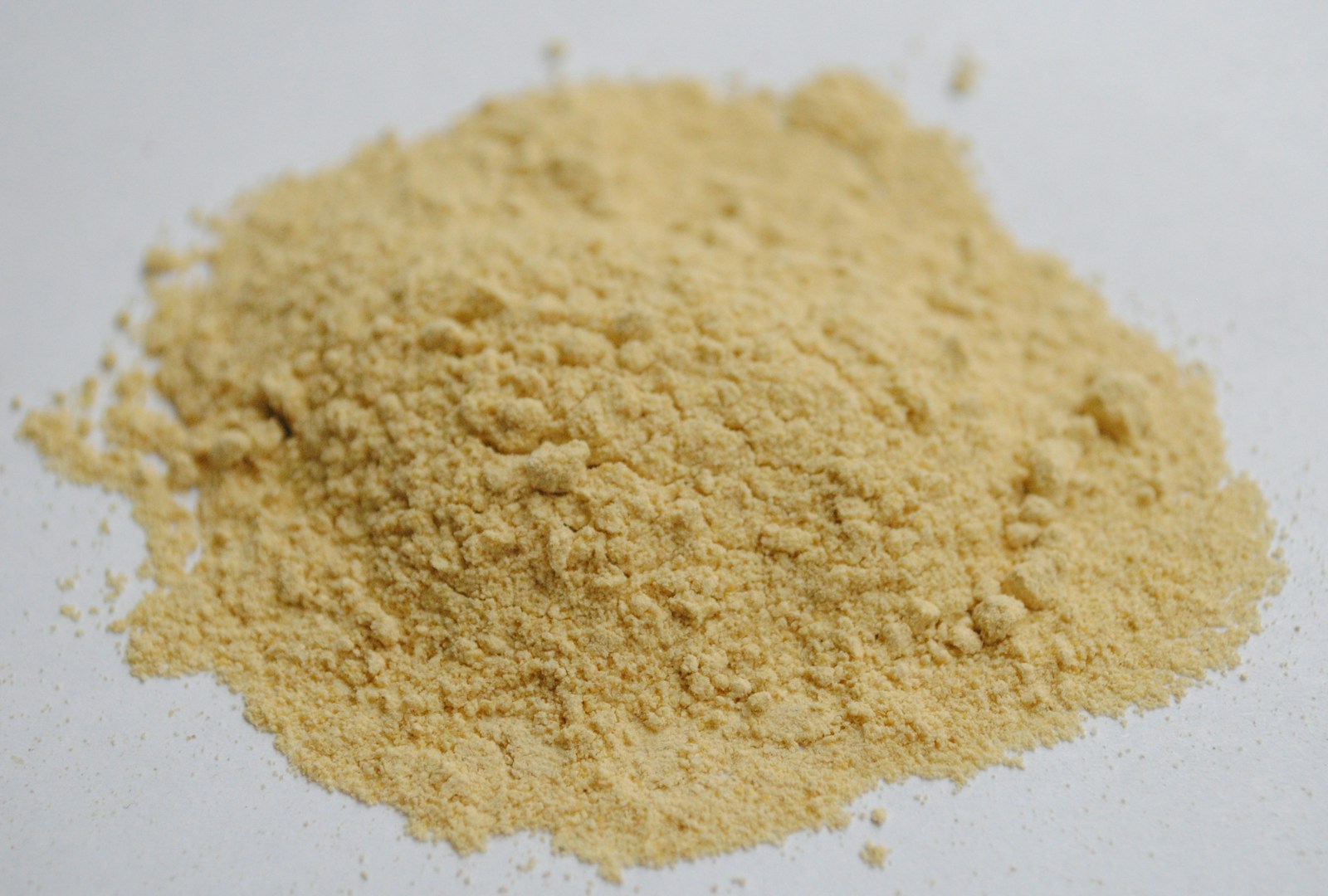
For ordinary cooking, buy the form your chosen recipe calls for and start with its measured quantity. If it specifies toasting, soaking, or grinding, follow that step instead of sprinkling hard whole seeds into a finished dish. Read the full method before you begin so you know whether the ingredient needs preparation time. The Spice House's distinction between seeds and leaves is a useful shopping cue, but the recipe should make the final decision.
A simple way to keep the choice clear is to separate these questions:
- For dinner: What dish am I making, and does it call for whole seeds, ground seeds, or leaves?
- For shopping: Is this a single spice, a blend, a prepared food, or a concentrated herbal product?
- For a health concern: What outcome am I hoping for, and have I discussed it with someone qualified to assess it?
- For a claim: Does the evidence concern the same preparation and purpose as the product being sold?
There is plenty of room to explore a new seasoning without setting a daily “benefit” target. Choose a dish that sounds enjoyable, read its instructions, and treat the spice as one part of the meal. If herbal health claims interest you, our echinacea benefits guide offers another example of why the particular use and strength of evidence matter. Curiosity is welcome; certainty should be earned by the research.
Sources
- NCCIH: Fenugreek
- Memorial Sloan Kettering: Fenugreek
- FDA: Information for Consumers on Dietary Supplements
- The Spice House: Fenugreek Seeds
- Jewish Food Society: Halba, a Fenugreek Relish

Hi, I’m Laura, the voice behind Tastiva. I’ve always believed that eating well should feel enjoyable, comforting, and realistic—not like another complicated rule to follow. I love creating recipes that fit into everyday life, sharing simple nutrition ideas, and finding small ways to make meals feel a little better without losing the pleasure of good food.