
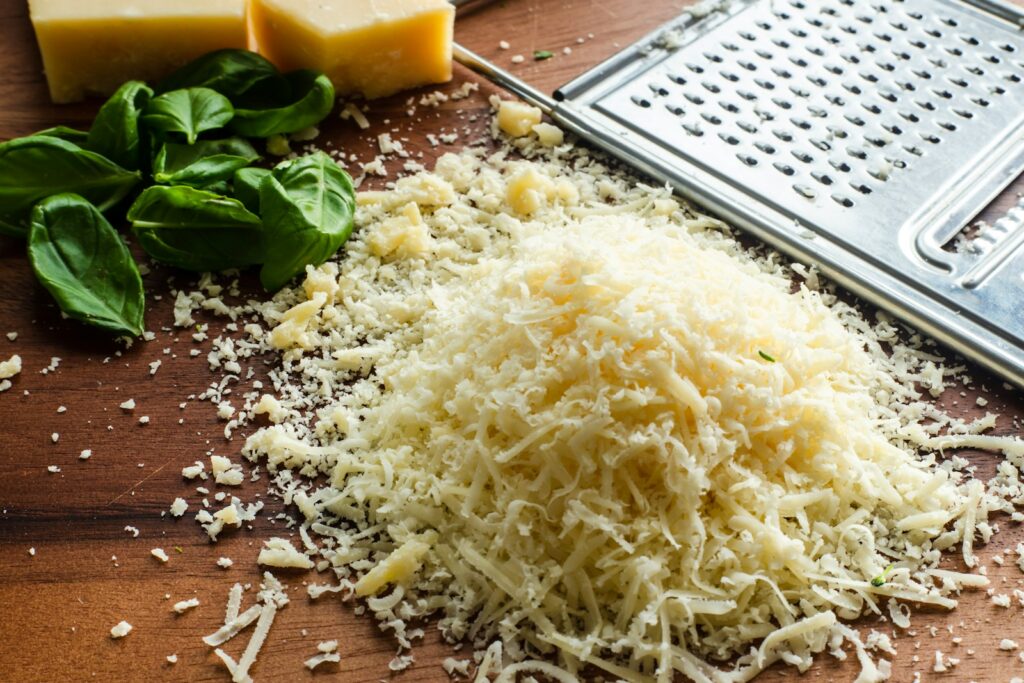
Shredded cheese can be a ready-to-use bag or a block you grate yourself, and both have a place in everyday cooking. The best choice depends on what you're making. A taco topping asks something different from a silky cheese sauce. Cheese variety, shred size, added ingredients, and heat all influence the result, so the bag-versus-block question is only the beginning.
I would choose the cheese for the job first, then decide whether grating it is worth the extra few minutes. Convenience can be useful without being the answer to every dish.
What is added to pre-shredded cheese?
Many packaged shreds include an anti-caking ingredient that helps them stay separate. Cellulose and potato starch are common examples; Sargento explains their purpose in its FAQ. These ingredients aren't a reason to assume that a bag contains fake cheese. Read the label for the actual cheese varieties, added ingredients, and allergens instead of relying on alarming descriptions from a social post.
Freshly grated cheese avoids those particular additions when the block doesn't contain them. That gives you more control over the shreds and can be useful when texture matters. It also means handling a grater, cleaning it, and finding a plan for the rest of the block. A ready-shredded blend can make a quick dinner simpler, especially when buying several separate blocks would leave you with more cheese than you need.
Compare like with like at the store. Mild cheddar in a bag versus an aged cheddar block is not a clean comparison of packaging alone. Nor is a mozzarella blend equivalent to a single cheese. For another example of how cheese type changes behavior, our American cheese guide explains a product often chosen specifically for smooth melting.
Choose the cheese and the cut for your dish
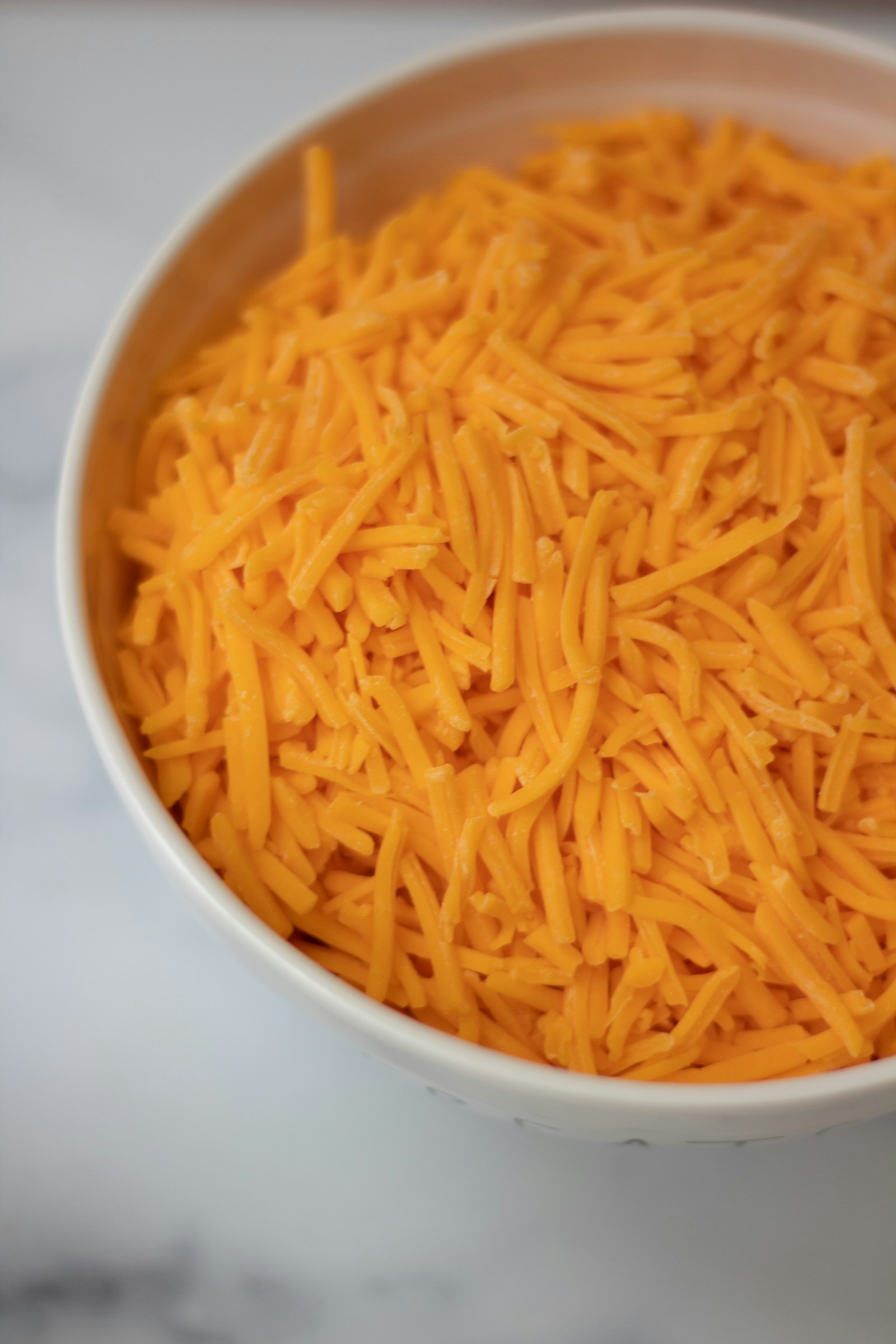
Moisture, fat, and protein structure help determine how a cheese behaves under heat. Grating won't turn every cheese into a stretchy pizza topping. Wisconsin Cheese's melting guide identifies mozzarella and Monterey Jack among familiar melting options and notes that excessive heat can make even suitable cheeses separate. Those are useful starting points when planning the dish.
| What you're making | A practical starting choice | Why the format matters |
|---|---|---|
| Tacos or a cold topping | Ready-shredded cheese you enjoy | Convenience may matter more than a perfectly smooth melt |
| A smooth cheese sauce | A suitable block, freshly grated | You control the shreds and avoid an extra coating that may affect smoothness |
| Quesadillas | A melting cheese such as Monterey Jack | Spread an even layer so the filling heats consistently |
| Pizza | Mozzarella specified by the recipe | Fresh and low-moisture mozzarella bring different amounts of water |
| A salad | The cheese flavor you want, shredded or crumbled | Melting ability isn't the deciding factor |
Use a stable grater and keep fingers clear of its cutting surface. Fine shreds are useful for distributing a small amount across a dish; larger shreds make a more visible topping. Neither cut automatically makes a portion lighter. Measure the amount you want first, then spread it where it will do the most for the food underneath.
Measure by weight and melt with care
An 8-ounce bag describes weight, not eight fluid ounces in a jug. Sargento equates its 8-ounce shredded products with about 2 cups, but cup measurements depend on the product and how the shreds sit. For the clearest comparison, use the recipe's weight. Put a bowl on a kitchen scale, zero it, and add the cheese. That avoids the difference between a fluffy cup and one pressed firmly down.
For melting, start with a recipe suited to the cheese you have. Wisconsin Cheese recommends gentle heat and adding cheese gradually when making a sauce. A hard boil is not a reliable fix for a sauce that looks grainy. If smoothness is the priority, freshly grating a suitable block is a more straightforward choice than washing a bag of shreds and introducing water that the recipe hasn't accounted for.
These small habits make preparation easier:
- Weigh the cheese before cooking so you aren't grating over a bubbling pan.
- Use the named cheese or a substitution the recipe developer recommends.
- Add it at the instructed stage rather than leaving it over strong heat while you finish other tasks.
- Keep extra cheese aside until you have tasted the dish; more cheese may also mean more salt and a thicker sauce.
- Note any changes you make so a result you enjoy is easier to repeat.
Store the bag carefully and discard moldy shreds
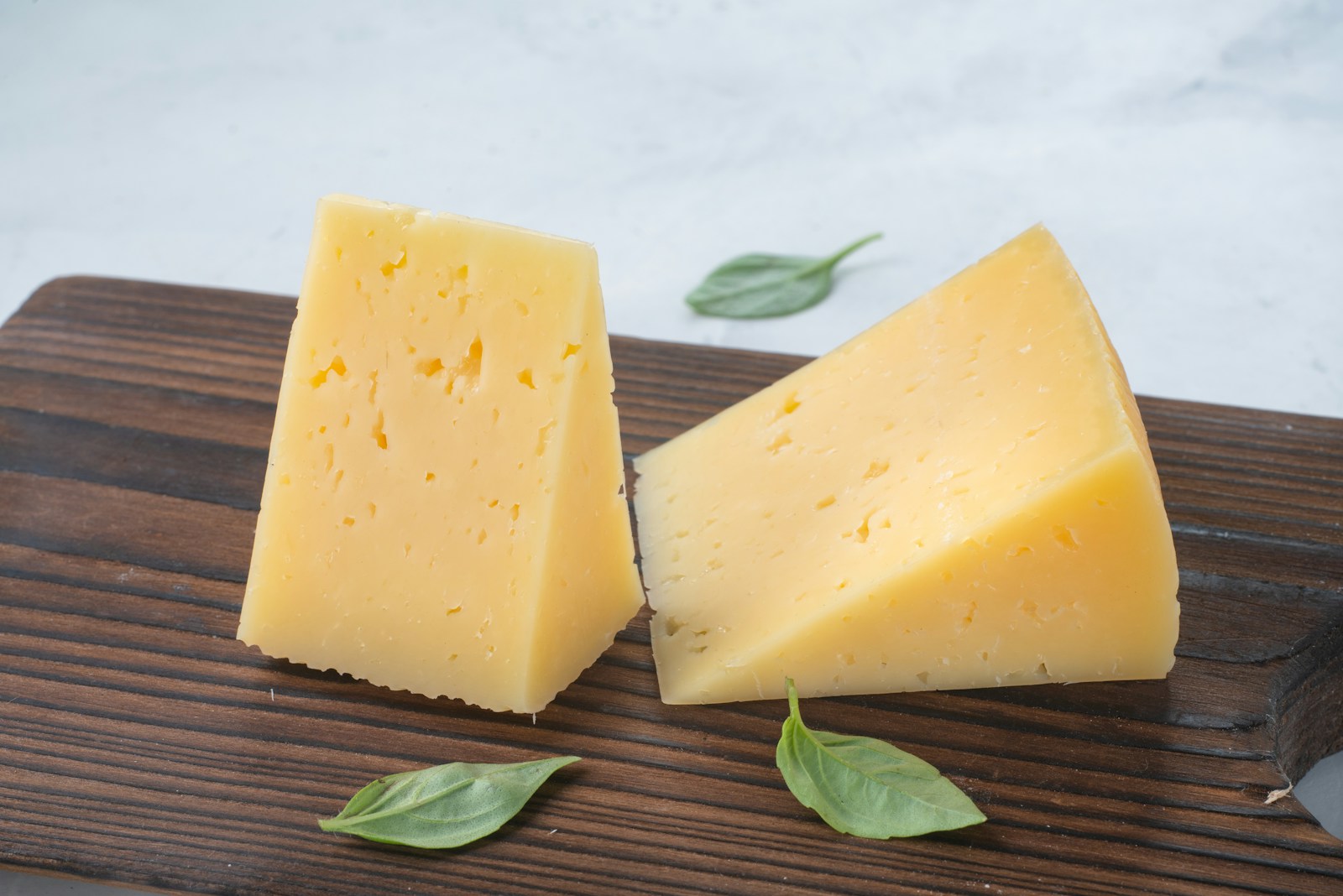
Keep shredded cheese refrigerated, close the package well, and use clean, dry utensils. UConn Extension recommends keeping perishable dairy at 40°F/4°C or below. Follow the product's instructions after opening; an unopened freshness date doesn't describe every possible opened-bag situation. Marking the opening date is a small step that removes some guessing at the end of the week.
If shredded cheese develops mold, discard the whole package. Picking out a few discolored strands is not an appropriate rescue. Mayo Clinic specifically includes shredded, sliced, and crumbled cheese in its discard advice. The guidance sometimes given for trimming mold from a large block of hard cheese should not be applied to a bag of small pieces. Cooking it is not a substitute for that decision.
Freezing is an option for some cheeses when future use is a cooked dish, but texture can change, and manufacturers may advise against it for their products. NDSU Extension discusses those quality changes. Package suitable portions well and thaw in the refrigerator. Our freezer burn guide covers packaging basics. Better still, buy the bag or block that matches the meals you actually expect to make.
Sources
- Sargento: Cheese FAQ
- Wisconsin Cheese: Melting Cheese
- UConn Extension: Handling Food With Mold
- Mayo Clinic: Moldy Cheese
- NDSU Extension: Freezing Dairy Products, Eggs, and Other Foods

Hi, I’m Laura, the voice behind Tastiva. I’ve always believed that eating well should feel enjoyable, comforting, and realistic—not like another complicated rule to follow. I love creating recipes that fit into everyday life, sharing simple nutrition ideas, and finding small ways to make meals feel a little better without losing the pleasure of good food.