
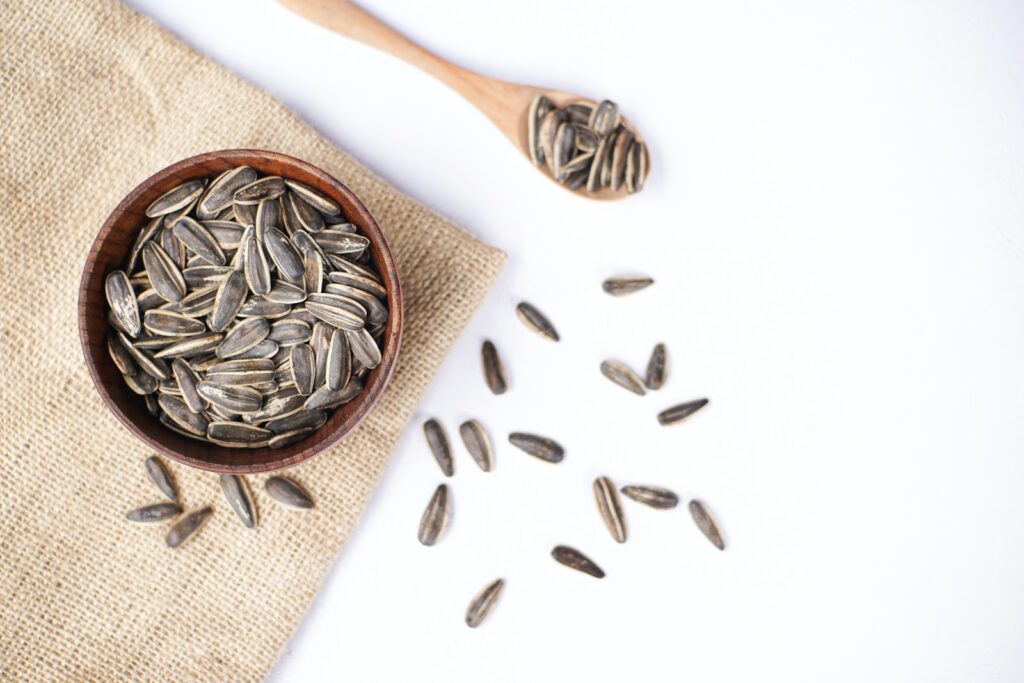
Two bottles can both say sunflower oil and still have different fat profiles. High oleic sunflower oil is made from sunflower varieties that produce more oleic acid, a monounsaturated fat. It’s typically neutral-tasting and useful when you want an oil that stays in the background. The important detail is “high oleic,” not a promise that the bottle transforms everything you cook with it.
Choose an oil for the job in your kitchen, and let the label explain what’s different.
What makes high oleic sunflower oil different?
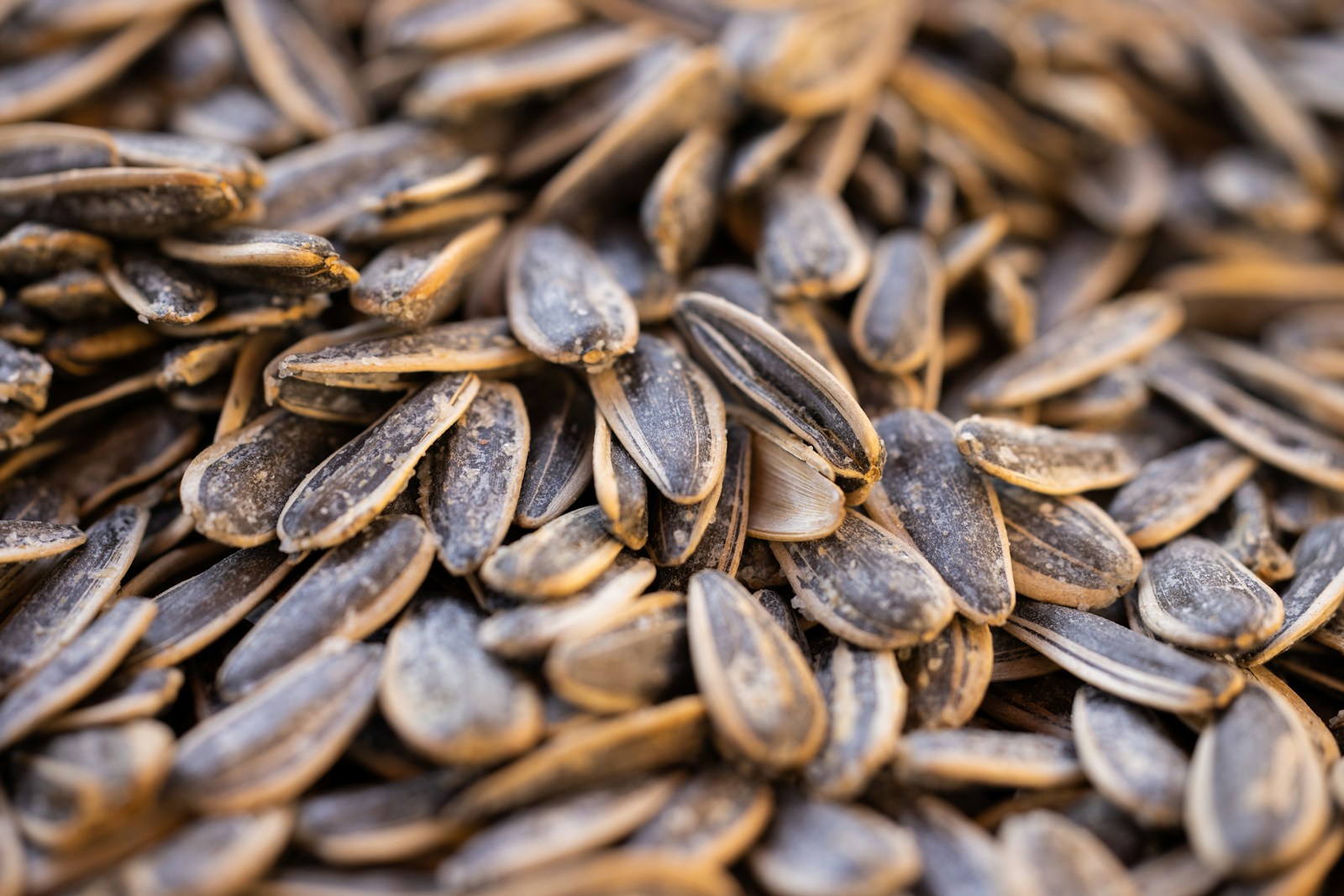
Oleic acid is one type of fatty acid, the building blocks found in fats. According to the National Sunflower Association, high oleic sunflower oil is generally defined as containing at least 80% oleic acid. That percentage describes its fatty-acid composition; it doesn’t mean the remaining portion is a filler.
Conventional linoleic sunflower oil contains a higher proportion of polyunsaturated linoleic acid. Both come from sunflower seeds. High oleic oil is therefore still a seed oil, even though its proportions differ. The association explains that high oleic sunflower hybrids were developed through conventional breeding; “high oleic” and “partially hydrogenated” describe different things.
I find that last distinction particularly useful at the grocery shelf. A term describing the plant’s oil composition isn’t the same as a term describing a later processing step. You don’t have to turn those two words into a judgment about the whole food.
Compare the oils by what you need
The association’s illustrative profiles put high oleic sunflower oil at about 82% monounsaturated fat and conventional linoleic sunflower oil at about 20%. Actual products vary, so those figures explain the category rather than replace a specific manufacturer’s information.
| Choice | Main distinction | A practical reason to choose it |
|---|---|---|
| High oleic sunflower oil | Higher proportion of monounsaturated oleic acid | A neutral oil with good stability for suitable cooking applications |
| Linoleic sunflower oil | Higher proportion of polyunsaturated linoleic acid | An everyday neutral oil when its label suits your use |
| Extra-virgin olive oil | A different source and a more noticeable flavor | Dressings or dishes where an olive flavor is welcome |
High oleic sunflower oil’s composition gives it good oxidative stability, but that doesn’t make it indestructible. Refining, temperature, storage, and how the oil is used still matter. A single smoke-point number copied across every sunflower oil bottle would hide those differences.
For the olive-oil side of the comparison, Tastiva’s olive oil versus extra-virgin olive oil guide looks more closely at processing and flavor. You may reasonably keep one oil for a neutral result and another because you enjoy its taste.
Where it fits in ordinary cooking

Follow the bottle’s cooking guidance. A refined product labeled for your intended use can be convenient for sautéing vegetables, roasting, or baking recipes that already call for liquid oil. Its mild flavor is useful when lemon, herbs, vanilla, or the main ingredient should remain the focus.
- In a dressing, choose it when you want the vinegar, mustard, or herbs to lead.
- In an oil-based cake or quick bread, compare it with the neutral oil specified by the recipe.
- For a roasting tray, measure the amount you add instead of assuming the type of oil determines the entire meal.
- In a recipe that creams butter with sugar, don’t make a casual one-for-one swap. Butter’s structure and water content also play a role.
- If the pan starts smoking, stop heating it and follow safe kitchen practice. “High oleic” is not permission to keep pushing the temperature.
My practical preference is to buy for meals already in your rotation. If your current oil suits those meals and you like it, a new label alone doesn’t create a reason to replace it. This is an option, not a pantry requirement.
Nutrition, buying, and storage without the hype
The American Heart Association includes sunflower among liquid cooking oils that can replace fats higher in saturated fat. The relevant idea is replacement within an overall eating pattern, not adding more oil to obtain a special benefit. High oleic oil still contributes fat and calories.
On a snack-food ingredient list, its presence tells you something about the oil, not everything about the snack. Serving size, sodium, added sugars, and the rest of the ingredients remain relevant. Nor does the absence of those exact words establish that another suitable cooking oil is unhealthy.
- Confirm that the ingredient list identifies high oleic sunflower oil if that is the type you want.
- Check whether the bottle contains one oil or a blend.
- Compare equivalent bottle sizes and buy an amount you’ll use while it’s fresh.
- Store tightly closed in a cool, dark cupboard rather than beside a hot stove.
- Follow the package date and discard oil with an unpleasant, rancid smell.
Sources
- National Sunflower Association: High oleic sunflower oil
- National Sunflower Association: Fatty-acid profiles
- American Heart Association: Healthy cooking oils

Hi, I’m Laura, the voice behind Tastiva. I’ve always believed that eating well should feel enjoyable, comforting, and realistic—not like another complicated rule to follow. I love creating recipes that fit into everyday life, sharing simple nutrition ideas, and finding small ways to make meals feel a little better without losing the pleasure of good food.