
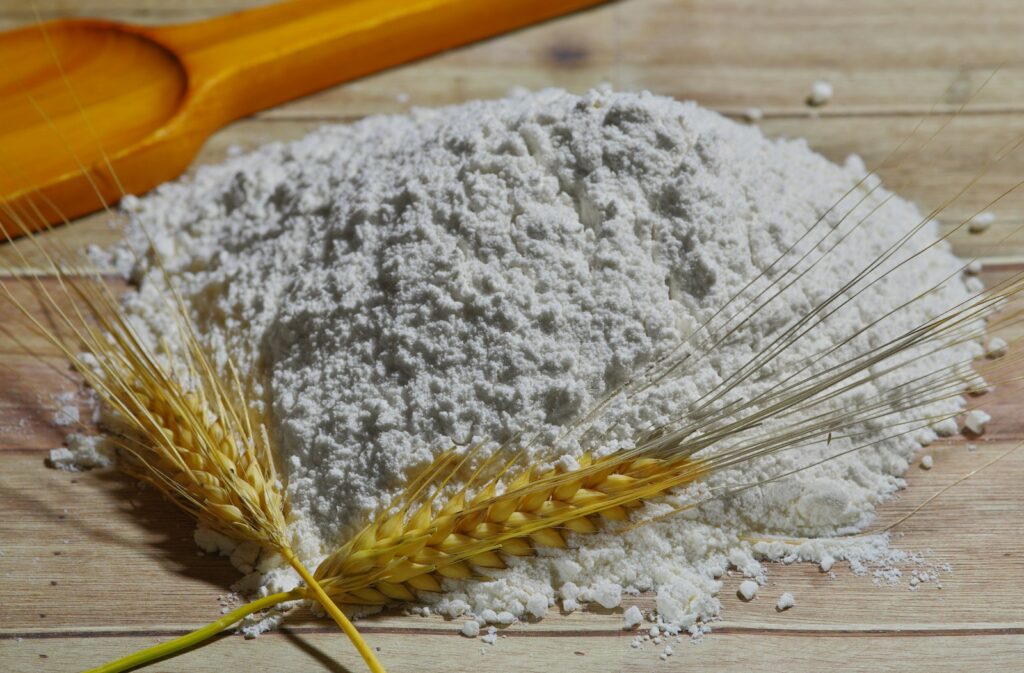
A new bag of flour can make a familiar muffin recipe feel unexpectedly uncertain. Spelt flour is milled from a type of wheat, with a gently nutty flavor that can bring something lovely to everyday baking. It contains gluten, and it isn’t automatically a one-for-one replacement for every other flour. The easiest introduction is a recipe developed for spelt or a modest partial substitution.
Let spelt add character to a familiar bake before asking it to do every job at once.
What spelt flour is—and why the type matters

Spelt is an older wheat variety, not a gluten-free grain. Calling it ancient doesn’t change that fact. People with celiac disease must avoid it, and it isn’t a safe wheat substitute for someone with a wheat allergy. The Celiac Disease Foundation includes spelt among wheat varieties that contain gluten.
You may see whole-grain spelt flour and white spelt flour. Whole-grain flour retains the grain’s bran and germ as well as its starchy center; white flour is more refined. That difference affects texture and nutrition, so “spelt flour” alone isn’t enough information when you’re comparing two bags or following a recipe.
I’d read the flour description before reading any grand claims on the package. Whether the recipe expects whole-grain or white spelt is likely to matter more to your cake than the age of the grain’s family tree.
Start with a small, clearly measured substitution
King Arthur Baking’s testing of ancient-grain flours found that replacing 25% of all-purpose flour was a useful starting point in many recipes. It’s a starting point, not a guarantee for every batter. For a first attempt, choose a forgiving familiar bake and keep the other ingredients unchanged so you can understand the result.
For example, if your recipe uses 200 grams of all-purpose flour, a 25% replacement means 50 grams of spelt plus 150 grams of all-purpose flour. The total remains 200 grams. That example illustrates the calculation; it isn’t a tested reformulation of your particular recipe.
| What you’re making | Sensible first approach | What deserves attention |
|---|---|---|
| Muffins or quick bread | A partial replacement or a spelt-specific recipe | Batter consistency and finished crumb |
| Pancakes | A small batch using a tested recipe | Spread and tenderness |
| Cookies | A modest substitution in a familiar formula | Spread and whether the texture changes |
| Yeast bread | A recipe written for spelt or a flour blend | Dough handling, support, and rise |
Write the flour brand, type, and amount beside the recipe. If you enjoy the result, you have something repeatable. If you change flour, liquid, sweetener, and pan size together, the next adjustment becomes much harder to work out.
Give the dough the recipe expects
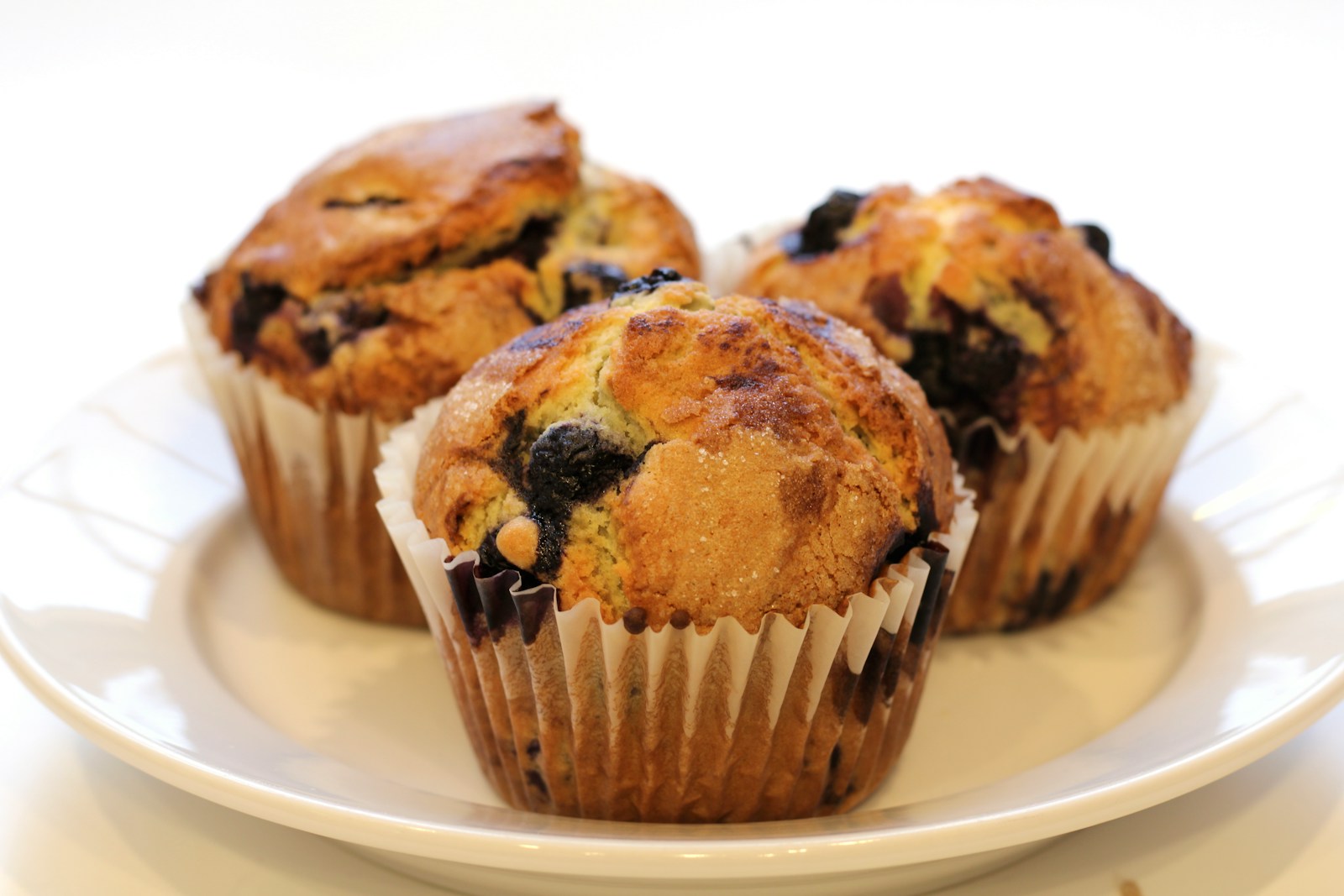
Spelt can behave differently from the all-purpose or bread flour you usually use. King Arthur describes its effect in smaller amounts as soft and moist, with dryness possible at higher proportions. That’s a good reason to resist treating every substitution chart as a promise.
- Weigh flour when the recipe provides gram measurements; different scooping habits make comparisons less useful.
- Match whole-grain flour with a recipe that accounts for it, especially when using a large proportion.
- Follow the recipe’s mixing instructions instead of adding extra kneading simply because a dough feels unfamiliar.
- Avoid repeatedly adding flour to chase the feel of a different bread dough.
- Make one adjustment at a time and record what changed.
My preference for a first spelt bake is something small enough to learn from without investing an entire afternoon. A batch of muffins gives you a straightforward comparison. A free-form loaf can be a wonderful later project, but it asks more of the flour’s structure and your dough-handling decisions.
Buy and use spelt flour for the right reasons
Whole-grain spelt can contribute fiber and other grain nutrients, but the finished food still depends on its complete ingredients and serving size. A spelt cookie remains a cookie, which is perfectly fine. You don’t need to attach a health promise to a flavor you enjoy.
Buy a package size that matches your baking habits, and follow its storage directions. Seal it well to keep moisture and pantry odors out. If a recipe requires a gluten-free result, use a suitable tested gluten-free formulation instead; Tastiva’s gluten-free bread guide explains why changing the grain involves more than switching a name on the bag.
- Choose your first recipe, then buy the type of spelt flour it specifies.
- Decide whether you’re following a tested formula or making a clearly recorded experiment.
- Check the needs of everyone eating the bake, particularly wheat allergy and celiac requirements.
That little preparation leaves more room to enjoy the warm, nutty side of spelt—and less room for a disappointing loaf to become your verdict on the whole grain.
Sources
- King Arthur Baking: Guide to baking with ancient grains
- King Arthur Baking: Testing partial flour substitutions
- Celiac Disease Foundation: Sources of gluten

Hi, I’m Laura, the voice behind Tastiva. I’ve always believed that eating well should feel enjoyable, comforting, and realistic—not like another complicated rule to follow. I love creating recipes that fit into everyday life, sharing simple nutrition ideas, and finding small ways to make meals feel a little better without losing the pleasure of good food.