
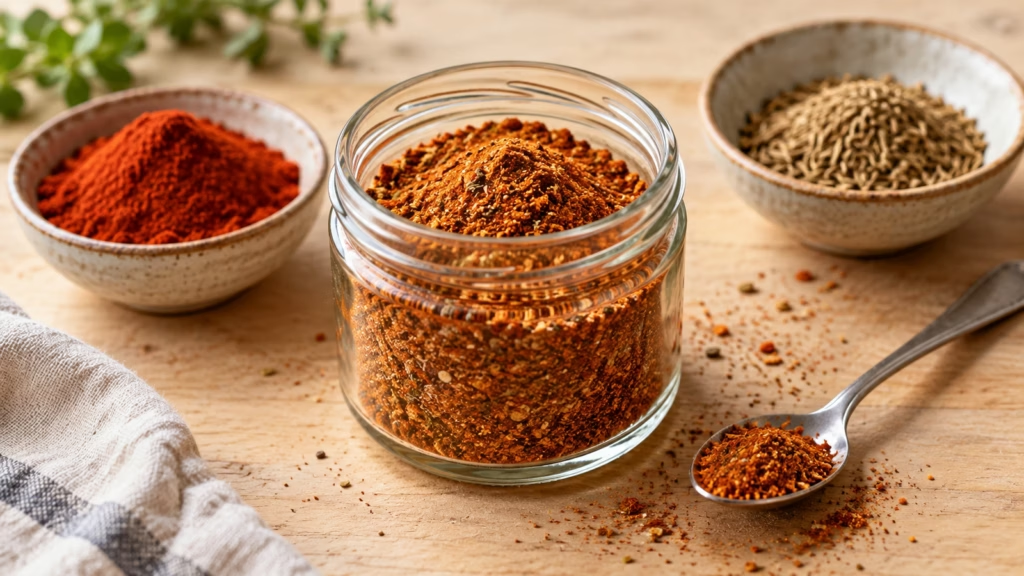
The spice drawer can be full and still leave dinner looking undecided. Homemade spice blends help when you want a familiar flavor without opening six jars every night, but the useful starting point is the meal you actually cook. I’d mix a small, salt-free batch around one clear flavor direction, then keep the proportions written down so a good combination is easy to repeat.
The best blend is one you can name a use for before you fill the jar.
Give homemade spice blends a job first
A smoky blend for roasted vegetables needs a different balance from a soft herb mix for tomato sauce. Choose the dish before the ingredient list: it tells you whether you need warmth, heat, a savory base, or a leafy finish. That is more useful than buying every spice mentioned in a kitchen video.
The interest is real, though the numbers have a specific home: Pinterest’s August 2026 hobbies report lists rising searches for homemade spice blends within its hands-on kitchen trend. That is a platform search signal, not proof that one particular mixture belongs in everyone’s cupboard.
- Roasted vegetables or beans: consider a paprika-led direction, then decide whether cumin, garlic or a little chile supports the dish.
- Tomato-based meals: start with a restrained dried-herb profile. Oregano and basil point in a different direction from a smoky pepper blend.
- Warm fruit or baking: choose an aromatic base such as cinnamon, then use stronger supporting spices sparingly.
- One genuinely useful test: can you name two meals you already make that would welcome the same blend? If the answer is no, mix enough for the first meal instead of stocking a large jar.
Build flavor without making every spice compete
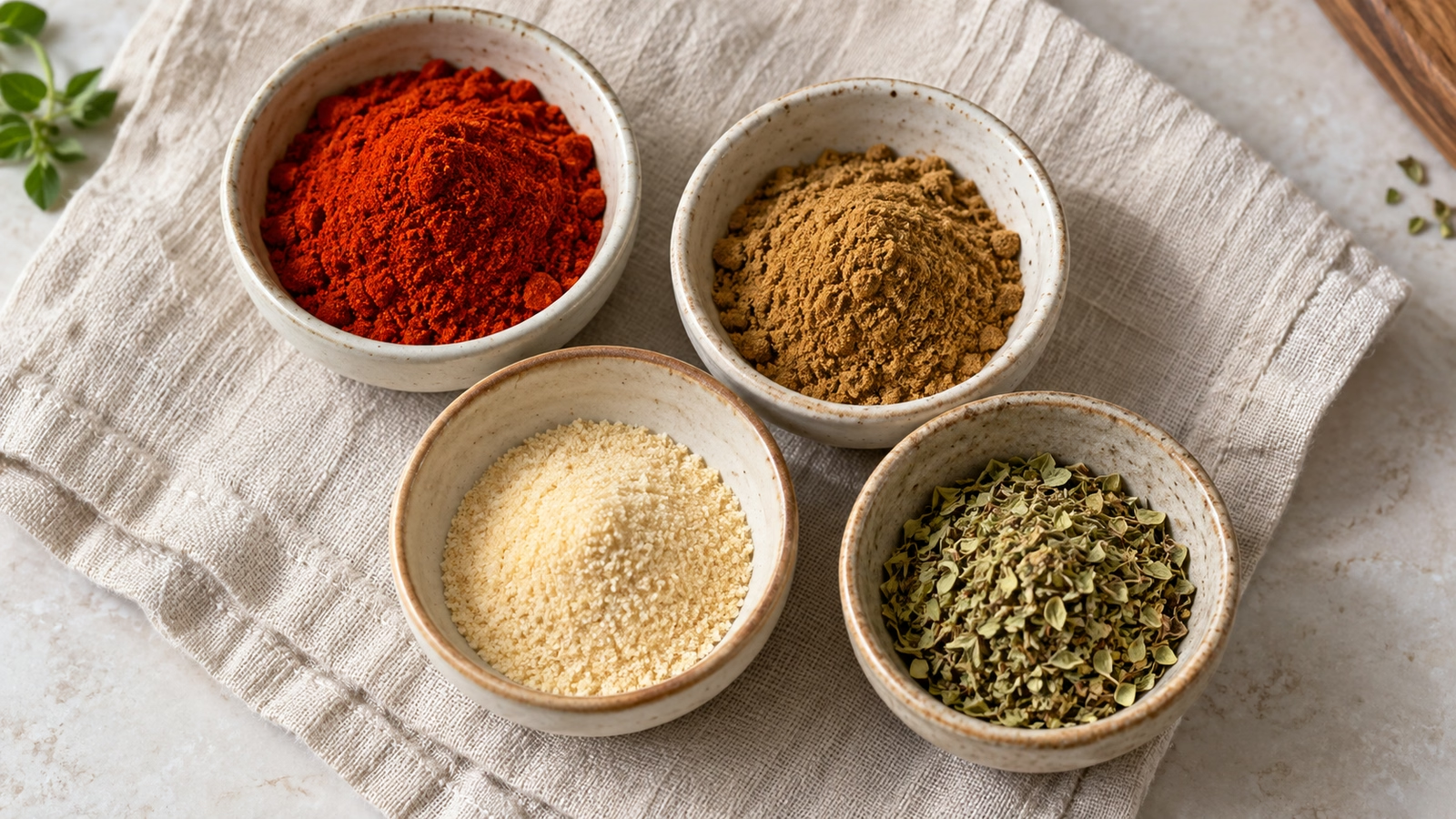
Give one ingredient the leading role and let the rest support it. A blend containing several equally assertive flavors can become difficult to adjust once it is mixed. I’d rather leave room for the food than create a seasoning that announces itself from the other end of the kitchen.
| Role | Examples to consider | What to watch |
|---|---|---|
| Main direction | Paprika, cinnamon or a dried herb | Choose one identity rather than all three |
| Savory support | Garlic powder, onion powder or cumin | Strong flavors can crowd out delicate food |
| Heat | Ground cayenne or crushed chile | Heat varies; start cautiously |
| Finishing aroma | Black pepper or a small amount of a strong spice | Keep the texture and dish in mind |
These are flavor-building choices, not interchangeable ingredient ratios or complete recipes. For a specific dish, begin with its measured seasoning and record any change you make. Our garam masala guide explains why an established spice blend has its own character rather than serving as a generic substitute for every other mix.
Check texture, freshness and salt before mixing
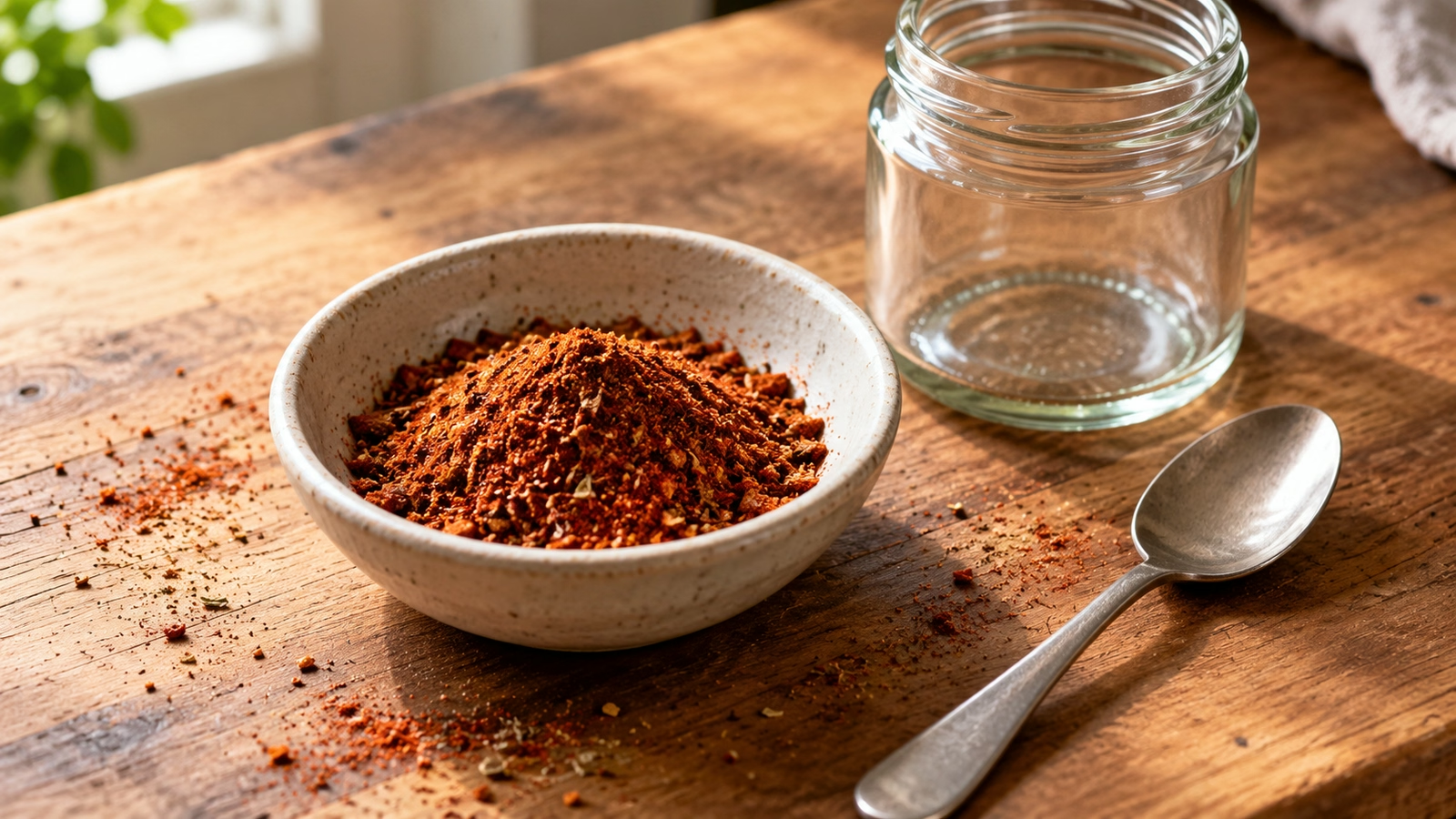
A fine powder scatters differently from whole seeds or woody herb pieces. Think about how the food will be eaten: large rosemary needles may work in a cooking liquid you strain, yet feel distracting in a quick dip. Match the blend’s texture to its intended use, and break up obvious clumps before combining.
- Inspect the ingredients: use dry, sound spices and herbs. Mustiness, visible mold, pests or unexpected moisture are reasons to discard the affected ingredient, not hide it in a blend.
- Notice the aroma: a jar that smells faint will not become more expressive just because it joins other faint jars. Freshness matters more than a complicated ingredient list.
- Keep salt separate if flexibility matters: canned beans, broth, cheese and sauces bring different amounts of salt to a meal. A salt-free spice mix lets you season those dishes individually.
- Distinguish garlic powder from garlic salt: they do different jobs. The ingredient list on a purchased blend may also include salt, sugar or other ingredients.
- Use a dry spoon: measure away from a steaming pan, then add the measured blend to the food. Keep moisture out of the storage jar.
The University of Minnesota’s cooking guide also emphasizes that dried and powdered herbs are more concentrated than their fresh or crumbled counterparts. A fresh-herb quantity is not a direct spoon-for-spoon instruction for a powdered blend.
Make the first batch small, then use it thoughtfully
Mixing the jar is the easy part. The useful habit is knowing what went into it and how much suited the food. I would write the ingredients and measured amounts on a note before combining them, rather than relying on a memory that becomes impressively vague by next Tuesday.
- Measure into a dry bowl: keep a record of every amount. Stir thoroughly, including the bottom where heavier powders can collect.
- Start with a small batch: make an amount you can use in the meals you have already chosen. Scale up only after deciding the balance suits those dishes.
- Label the container: include the ingredients and mixing date. That makes the jar useful to anyone cooking with you and helps with allergy checks.
- Store it properly: use a clean, dry, airtight container in a cool, dark place. The University of Maryland Extension recommends protecting dried herbs from heat, light and moisture.
- Adjust the meal, then the next batch: add a little more seasoning to the food if needed. Keep extra heat or salt separate until you know what the dish needs.
Check all ingredient labels for allergies and cross-contact information where relevant; mixing spices at home does not make them automatically allergen-free. If you give a blend as a gift, include its full ingredient list rather than only a charming name.
Use the blend in its intended cooking context instead of promising one universal amount for every food. Some dishes begin by warming spices gently in oil, while others add delicate herbs later. Follow the dish’s method so the seasoning has a chance to flavor the food without burning.
Registered dietitian Amber Denmon of Penn State Extension demonstrates an everyday salt-free seasoning blend in this educational video shared by the McCormick Science Institute. Use her measured blend as one starting option, then choose seasonings that fit the meals you actually cook.
Sources
- Pinterest: August 2026 hobbies and kitchen search trends
- University of Minnesota: cooking with herbs
- University of Maryland Extension: dried-herb storage

Hi, I’m Laura, the voice behind Tastiva. I’ve always believed that eating well should feel enjoyable, comforting, and realistic—not like another complicated rule to follow. I love creating recipes that fit into everyday life, sharing simple nutrition ideas, and finding small ways to make meals feel a little better without losing the pleasure of good food.