
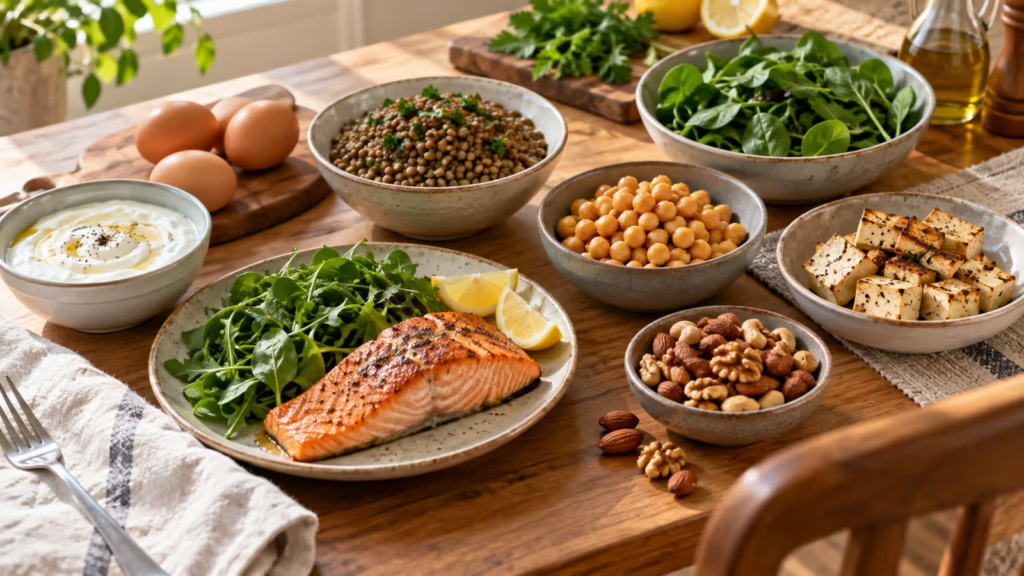
Protein math has a way of turning lunch into homework. One calculator says 55 grams, a fitness video says 140, and the package in front of you announces “PROTEIN” as if the word itself settled dinner. How much protein do I need a day? For U.S. adults, two useful reference points now coexist: the long-standing adult RDA of 0.8 gram per kilogram of body weight, and the 2025–2030 Dietary Guidelines’ broader protein serving goal of 1.2–1.6 g/kg, adjusted for individual calorie needs.
Your daily protein number is a planning range—not a grade, a moral score, or a reason to crowd every other food off the plate.
Start with body weight, then understand the range
Divide pounds by 2.2 to get kilograms, then multiply by the reference you are using. At 150 pounds, or about 68 kg, 0.8 g/kg equals roughly 54 grams. The newer federal serving goal of 1.2–1.6 g/kg equals about 82–109 grams. The first figure is a population-level Recommended Dietary Allowance designed to meet the needs of nearly all healthy adults; the newer guideline sets a higher food-planning goal.
| Body weight | 0.8 g/kg reference | 1.2–1.6 g/kg current U.S. serving goal |
|---|---|---|
| 120 lb (54 kg) | 43 g | 65–86 g |
| 150 lb (68 kg) | 54 g | 82–109 g |
| 180 lb (82 kg) | 66 g | 98–131 g |
| 210 lb (95 kg) | 76 g | 114–152 g |
These are rounded examples, not prescriptions. The current Dietary Guidelines explicitly say to adjust the 1.2–1.6 g/kg goal for individual calorie requirements. A smaller, less active adult, a competitive athlete, an older person losing muscle, and someone recovering from surgery do not have identical needs even if an app gives them the same cheerful green checkmark.
If the two ranges feel confusing, use them for different questions. The 0.8 g/kg RDA is a minimum adequacy reference for generally healthy adults. The 1.2–1.6 g/kg federal serving goal is a more generous planning range. You do not need to leap from one edge to the other overnight, and more protein is not automatically more benefit.
Age, activity, pregnancy, and health change the answer
Resistance training, endurance training, recovery from illness or injury, and preserving muscle with age may justify a higher target and thoughtful timing. Pregnancy and breastfeeding have their own needs. Young people need age-appropriate guidance, not an adult gym calculator. A registered dietitian can translate the broad ranges into food that fits your appetite, budget, culture, and schedule.
Kidney disease is the important exception to casual self-experimenting. Some people with chronic kidney disease need a specific amount and type of protein depending on kidney function, dialysis, diabetes, nutrition status, and treatment goals. The National Institute of Diabetes and Digestive and Kidney Diseases recommends working with a dietitian rather than applying a generic high-protein target.
- You may need individual guidance if you: are pregnant or breastfeeding, are under 18, or are an older adult with unplanned weight loss.
- Also ask first if you: have kidney or liver disease, gout, a metabolic disorder, or a history of disordered eating.
- For performance: training type, volume, total calories, and recovery matter alongside protein.
- For weight change: protein can support fullness, but an extreme target can squeeze out fiber-rich plants and other nutrients.
Build protein across meals instead of chasing it at night
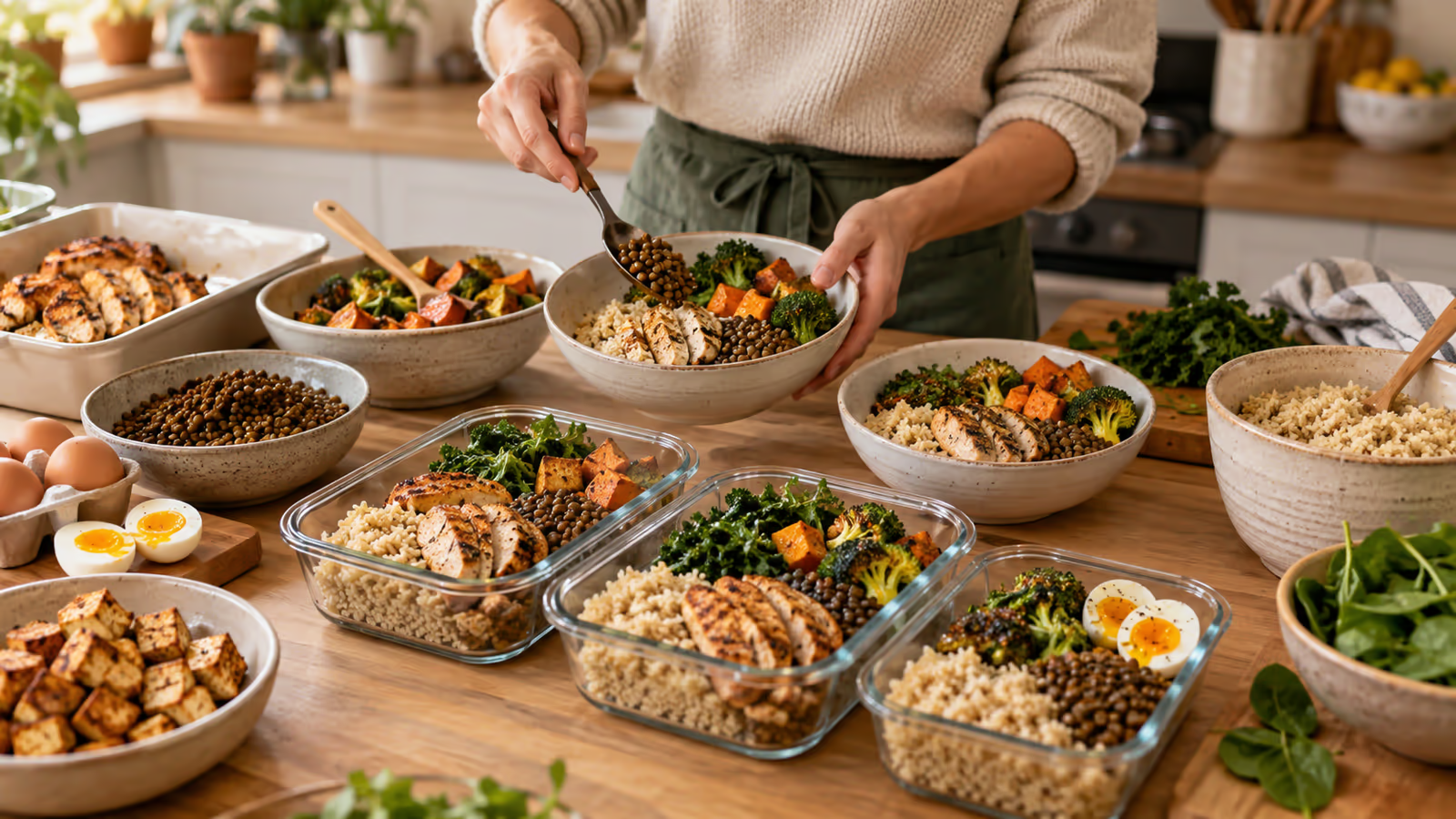
A common pattern is a small amount at breakfast, a little more at lunch, and a heroic pile at dinner. Spreading protein sources through the day can make the total easier to reach and gives each meal more staying power. It also feels more normal than discovering at 9 p.m. that an app wants another 62 grams.
Start with foods you already eat. Eggs, yogurt, milk, fish, poultry, meat, tofu, tempeh, beans, lentils, nuts, seeds, and suitable fortified alternatives can all contribute. Pairing plant proteins across a varied day supplies essential amino acids without requiring every single meal to be “complete.” Our guide to protein in an egg is useful when breakfast is your easiest starting point.
Protein powders can be convenient, but they are not compulsory and do not replace the nutrients and satisfaction of meals. If you use one, check the serving, ingredients, sweeteners, allergens, and third-party testing relevant to you. I would solve ordinary food gaps with ordinary food first, then use convenience products because they genuinely help—not because the front label is shouting.
A realistic day without protein obsession
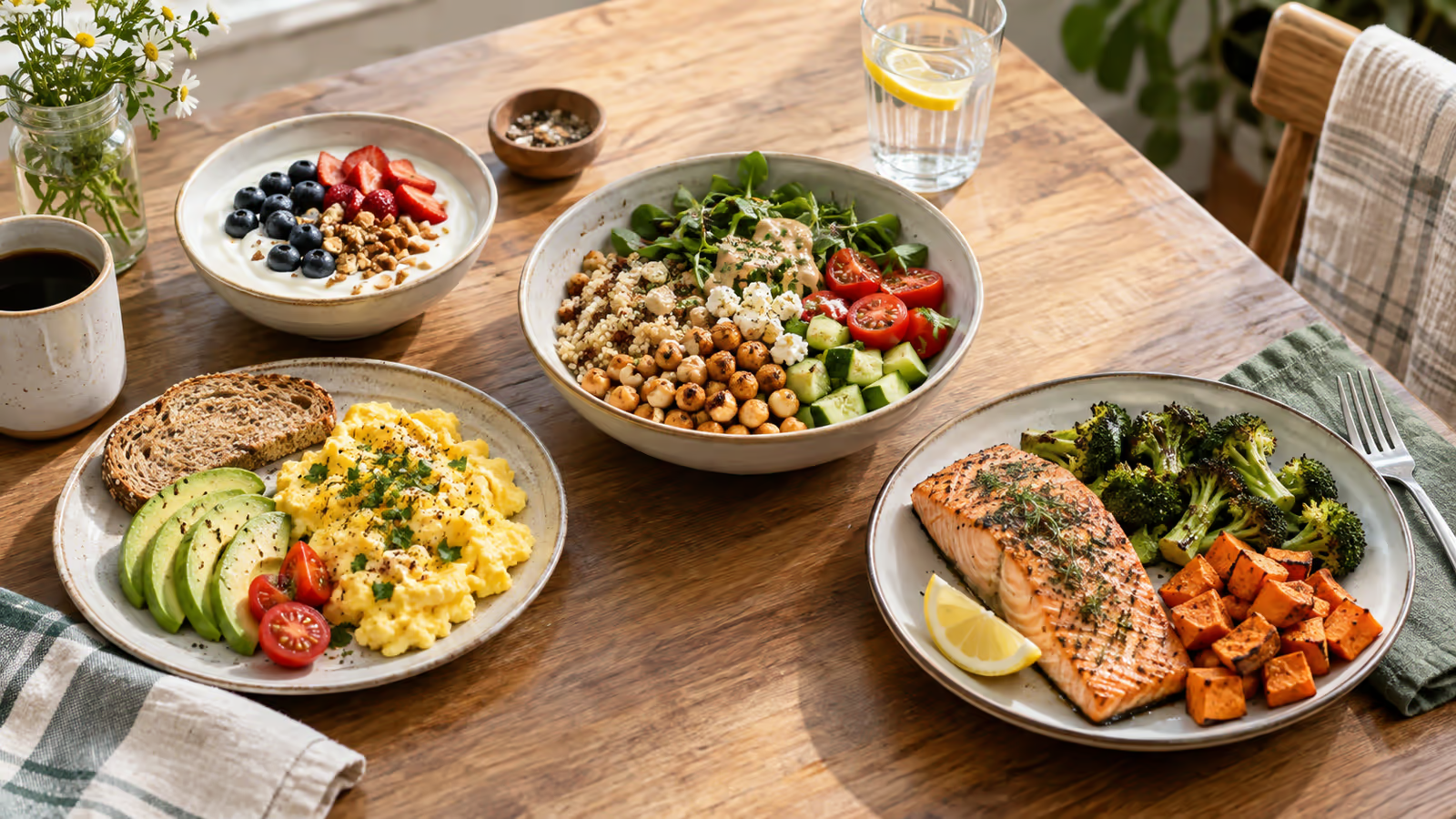
Imagine breakfast with eggs and yogurt, lunch with a chickpea-and-grain bowl, and dinner with salmon or tofu plus vegetables. Add milk, nuts, hummus, or another snack if hunger and your target call for it. The exact grams depend on portions, but the structure distributes protein while still leaving room for carbohydrates, fats, fiber, fruit, and pleasure.
Track for a day or two only if numbers clarify things for you. Use actual package labels or USDA FoodData Central rather than memorized social-media estimates, and include sauces, grains, vegetables, and snacks that contribute smaller amounts. If tracking makes eating anxious or rigid, step back and use the plate pattern with professional support.
The clean answer is that most adults do not need one universal gram number. Start with weight-based references, choose a point that matches your health and activity, and build it across food you enjoy. The goal is enough protein within a complete diet—not the highest total you can fit into a shaker bottle.
Sources
- U.S. Departments of Health and Human Services and Agriculture: Dietary Guidelines for Americans, 2025–2030
- National Library of Medicine: Macronutrient Intake, Imbalances, and Interventions
- NIDDK: Healthy Eating for Adults With Chronic Kidney Disease
- USDA FoodData Central

Hi, I’m Laura, the voice behind Tastiva. I’ve always believed that eating well should feel enjoyable, comforting, and realistic—not like another complicated rule to follow. I love creating recipes that fit into everyday life, sharing simple nutrition ideas, and finding small ways to make meals feel a little better without losing the pleasure of good food.