
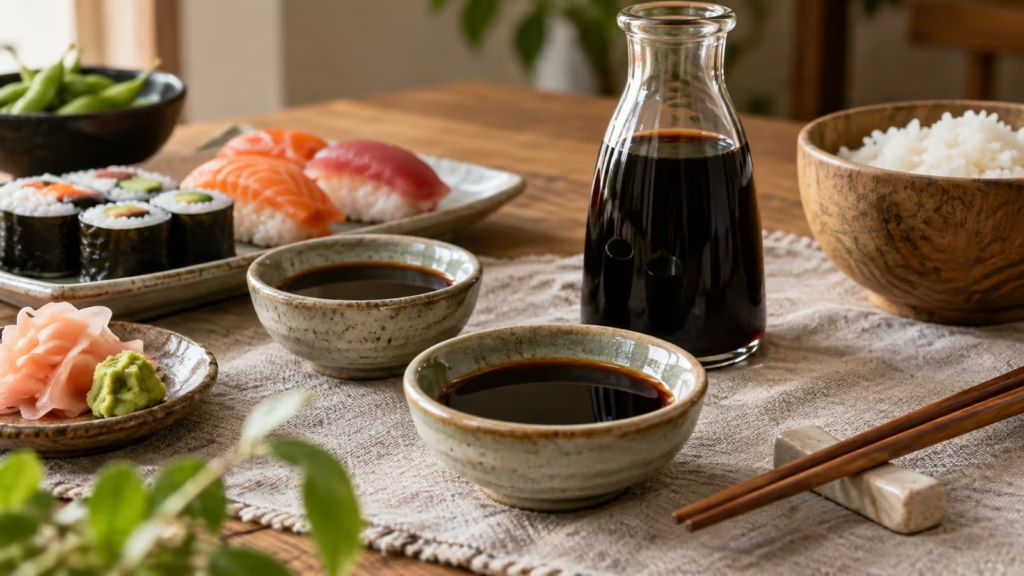
The smallest bowl on a sushi table can create the biggest uncertainty. The rice may be fine, the fish may be plain, and then one salty dip changes the answer. Is soy sauce gluten free? Usually, traditional soy sauce is not gluten-free because wheat is commonly brewed alongside soybeans, water, and salt. Gluten-free soy sauce exists, and many tamari products qualify, but the product name alone is never as reliable as a clear gluten-free label.
For soy sauce, “made from soy” does not mean “made without wheat.” The ingredient list and gluten-free claim decide.
Why regular soy sauce often contains gluten
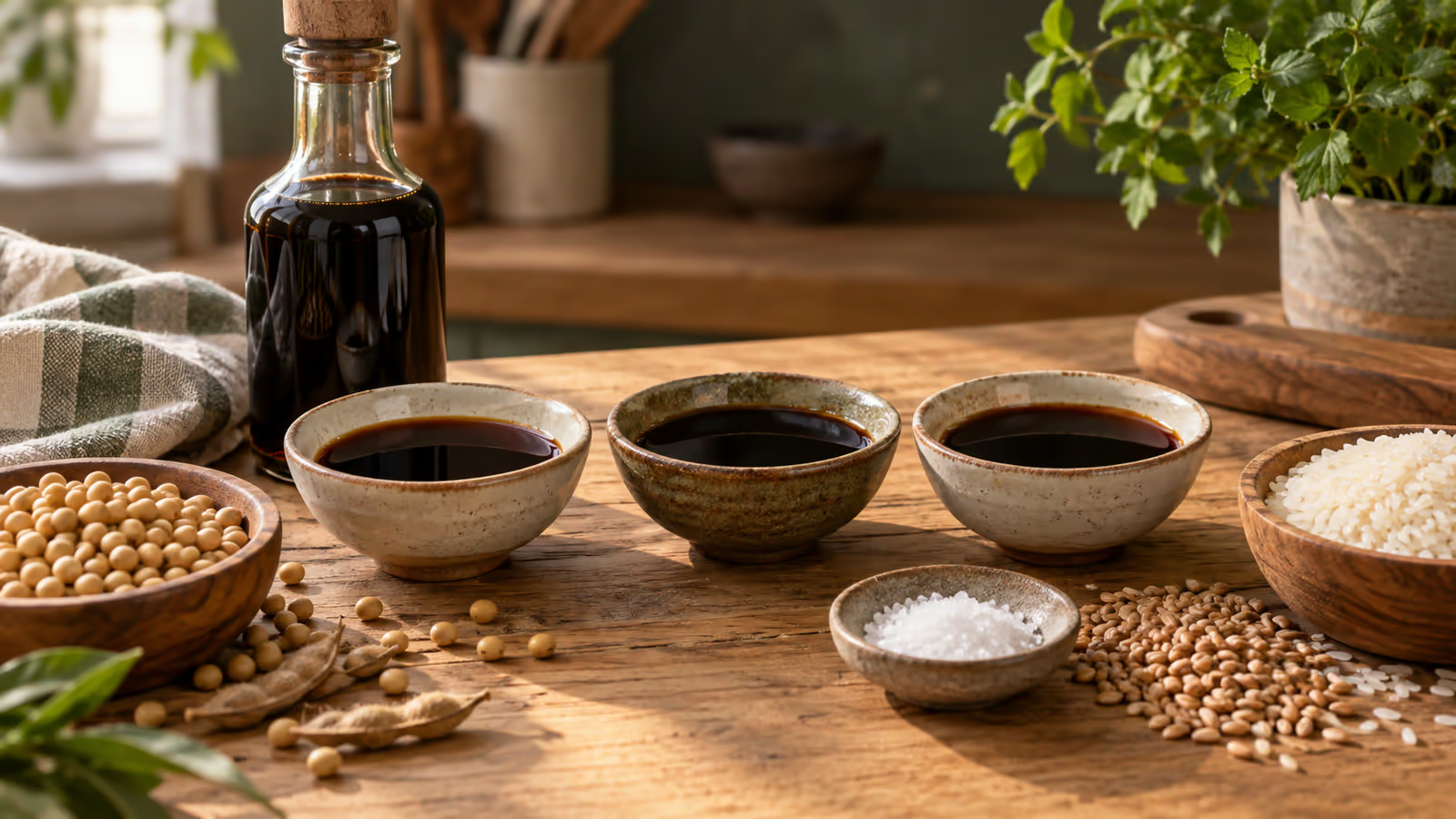
Traditionally brewed Japanese-style soy sauce often starts with roughly equal roles for soybeans and wheat before fermentation. Kikkoman describes its classic process with four ingredients: water, soybeans, wheat, and salt. Because wheat is present from the beginning, ordinary soy sauce is not suitable for a strict gluten-free diet unless that exact product is specifically formulated and labeled otherwise.
Fermentation changes flavor and breaks proteins into smaller pieces, but it does not give you permission to treat a wheat-containing sauce as gluten-free. The U.S. Food and Drug Administration requires packaged foods using a gluten-free claim to contain less than 20 parts per million of gluten and to meet additional ingredient rules. Look for the claim rather than trying to judge safety from brewing age or color.
This same label habit helps across the pantry. Teriyaki sauce, marinades, ponzu, noodle seasoning, salad dressing, soup base, and flavored rice can all contain ordinary soy sauce. Our guides to gluten-free bread and gluten-free beer use the same principle: category names are clues, not guarantees.
Tamari is useful, but it is not an automatic yes
Tamari is a Japanese soy sauce style historically associated with miso production and is often made with little or no wheat. Many U.S. tamari products are labeled and certified gluten-free. Some, however, include wheat or are made where cross-contact is possible. “Tamari” describes a style; “gluten-free” is the safety information you need.
| Option | Gluten-free? | What to know |
|---|---|---|
| Traditional soy sauce | Usually no | Wheat is commonly one of the main ingredients. |
| Soy sauce labeled gluten-free | Yes, when the label is valid | Designed to meet the applicable gluten-free standard. |
| Tamari | Sometimes | Often made with little or no wheat, but the name alone is not a guarantee. |
| Coconut aminos | Often, but check | Sweeter and less sharply salty, so it is not an exact flavor match. |
Flavor changes with the swap. Tamari is often deep, rounded, and strongly savory. Coconut aminos are usually sweeter and less salty. Liquid aminos vary by product. A labeled gluten-free soy sauce will generally behave most like the ingredient a recipe expects, while the others may need less sweetener, more salt, or a smaller starting amount.
I would keep one dependable labeled bottle and taste as I cook. That is calmer than maintaining a cabinet full of “maybe” sauces. If celiac disease or a wheat allergy is involved, also check advisory statements and the manufacturer’s allergen information; gluten-free and wheat-free answer related but not identical questions.
Restaurants need an ingredient and cross-contact conversation
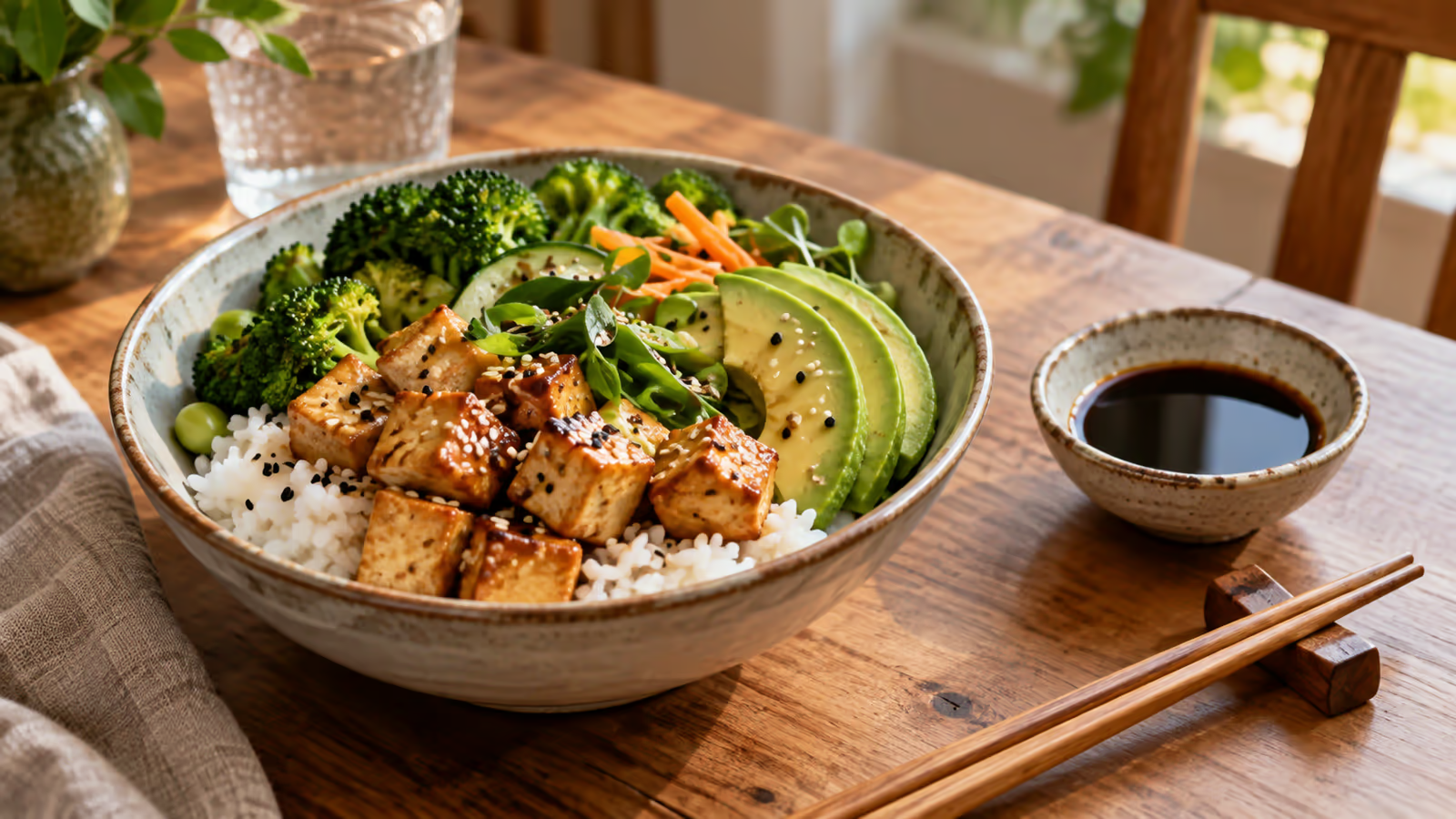
At a restaurant, ask whether the kitchen has a soy sauce specifically labeled gluten-free and whether your dish can be prepared with it from the start. A replacement dipping bowl does not help if ordinary soy sauce is already in the marinade, stir-fry sauce, broth, sushi rice seasoning, or glaze.
Cross-contact can happen through shared woks, fryers, brushes, squeeze bottles, prep surfaces, and utensils. The FDA packaged-food rule does not directly certify a restaurant kitchen. Staff knowledge and procedures vary, so explain that you need gluten-free preparation for a medical reason when that is true, then choose a simpler dish if the answer stays uncertain.
- Ask first: Is wheat-containing soy sauce already in the marinade or sauce?
- Ask next: Is the gluten-free bottle labeled, and are clean utensils and surfaces available?
- Watch hidden routes: teriyaki, eel sauce, imitation seafood, tempura crumbs, broths, and fried items.
- Choose simply when needed: plain rice, plainly cooked protein or vegetables, and sealed labeled sauce.
How to substitute without losing the whole dish
For a recipe calling for regular soy sauce, start with an equal amount of labeled gluten-free soy sauce or tamari, then taste before adding more. Tamari can seem fuller or saltier depending on the brand. Coconut aminos may need a pinch of salt and less added sugar. Low-sodium versions still require a gluten-free label; “less sodium” says nothing about wheat.
Read the label every time you buy, even when the bottle looks familiar. Manufacturers can reformulate, package sizes can come from different markets, and restaurant bulk products may differ from retail bottles. Keep the cap and bottle neck clean if the sauce shares a table with wheat-containing foods.
The answer is wonderfully manageable once you stop guessing: most regular soy sauce contains wheat, tamari may or may not, and a valid gluten-free label is the deciding shortcut. Choose the sauce first, then enjoy the meal without making that tiny dipping bowl the most stressful item on the table.
Sources
- U.S. Food and Drug Administration: “Gluten-Free” Means What It Says
- Kikkoman USA: The Story of Soy Sauce and Its Four Main Ingredients
- NIDDK: Eating, Diet, and Nutrition for Celiac Disease
- U.S. Food and Drug Administration: Gluten-Free Labeling of Foods

Hi, I’m Laura, the voice behind Tastiva. I’ve always believed that eating well should feel enjoyable, comforting, and realistic—not like another complicated rule to follow. I love creating recipes that fit into everyday life, sharing simple nutrition ideas, and finding small ways to make meals feel a little better without losing the pleasure of good food.