
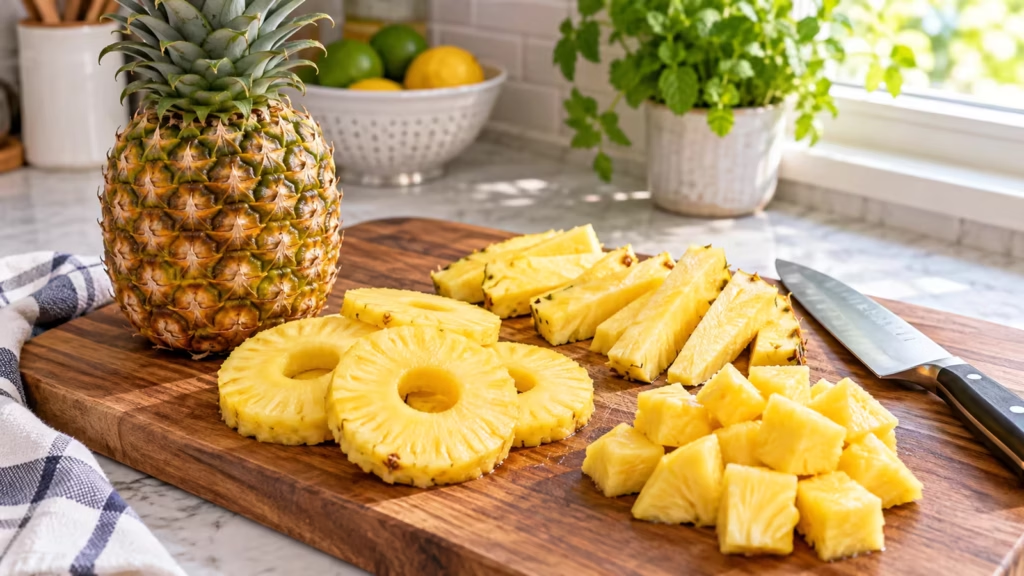
A whole pineapple can look like it was designed to defend itself: spiky crown, armored peel, dozens of stubborn eyes. The trick is not a special gadget. To cut a pineapple, wash the outside, trim off the crown and base, stand the fruit upright, slice away the peel from top to bottom, remove the eyes, then cut it into rings, spears, or chunks. A stable board and a sharp chef’s knife do more for safety than wrestling with a dull blade. Once the peel is off, the geometry becomes pleasantly ordinary—and the reward is much juicier than the plastic tub at the store.
Give the pineapple a flat base first. Stability turns a spiky problem into a simple series of calm, straight cuts.
Choose a ripe pineapple and set up safely
Choose a pineapple that feels heavy for its size, has sound skin, and smells gently sweet at the base. Avoid leaking fruit, mold between the scales, a fermented odor, or broad soft bruises. Shell color alone is imperfect: some ripe pineapples stay green. Pineapple does not become significantly sweeter after harvest, although its aroma and texture can change.
Wash your hands, then rinse the pineapple under running water and rub the surface with clean hands or a produce brush. Do not use soap or detergent on produce. Washing matters even though the peel is discarded because a knife can carry surface contamination into the edible flesh. Dry the fruit so it is less slippery.
Use a large stable cutting board with a damp towel beneath it if the board slides. A sharp 8-inch chef’s knife is ideal; a small paring knife helps with individual eyes. Clear the counter, keep fingertips tucked, and move deliberately. If the fruit is too tall or heavy to control, cut it crosswise into two shorter sections after removing the ends.
Peel the pineapple with less waste
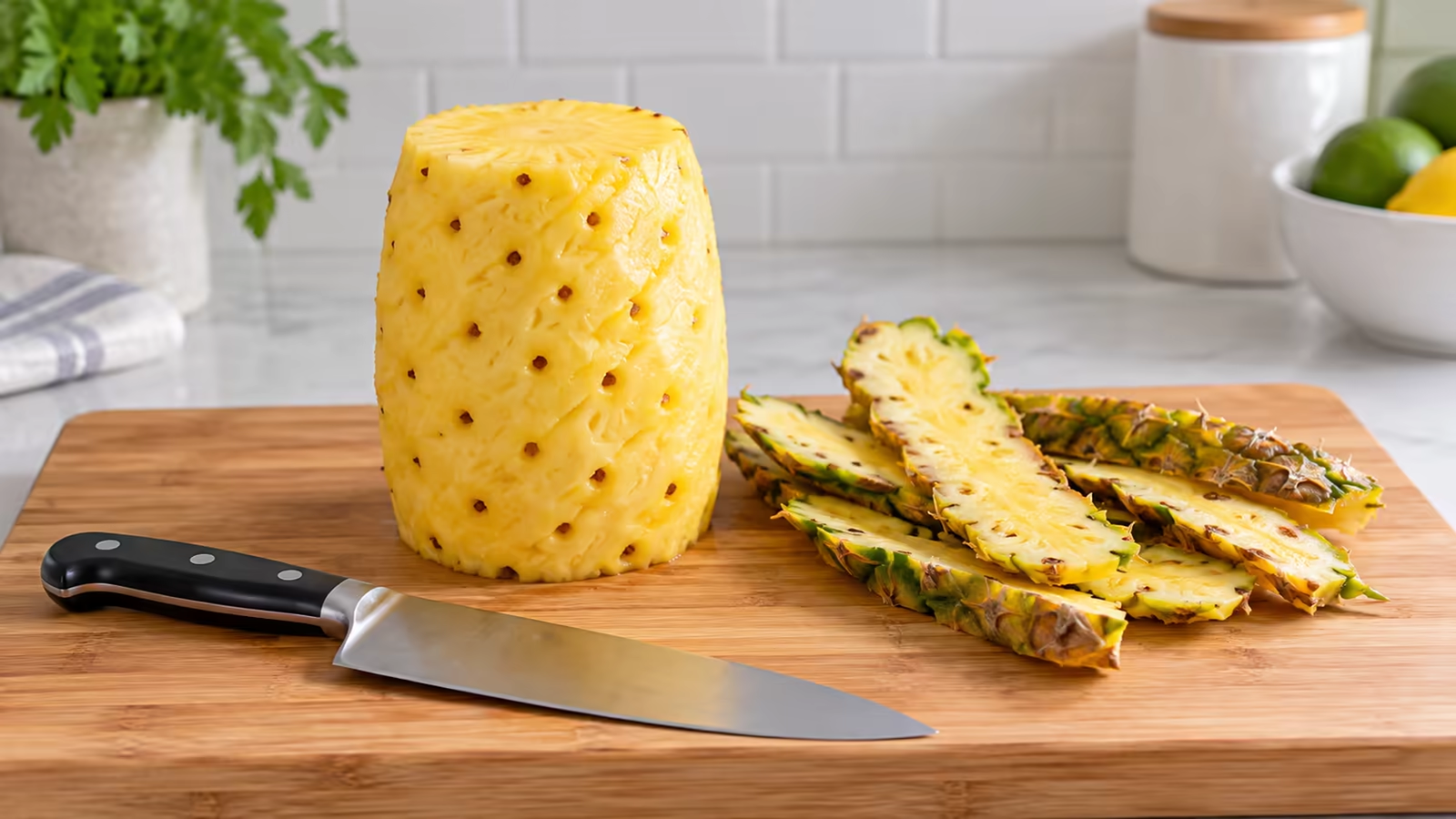
Lay the pineapple on its side. Slice off the leafy crown about half an inch below the base of the leaves, then remove a thin piece from the bottom. Stand the fruit on its new flat base. Starting near the top, follow the curve downward with the knife, removing a narrow strip of peel. Rotate and repeat until the pineapple is bare.
- Cut thinly first: you can remove remaining eyes later, but you cannot put yellow flesh back.
- Follow the curve: angle the blade slightly inward near the top and bottom.
- Remove eyes individually: use a paring knife to lift out scattered brown dots.
- Or cut a spiral: eyes often form diagonal rows, so shallow V-shaped channels can remove several at once.
Do not chase a perfectly smooth cylinder if it costs a thick layer of fruit. A few shallow grooves are fine. The core is edible too; it is simply firmer and more fibrous. Save thin core pieces for smoothies, infused water, or cooking if you enjoy them. The cleanest cut is the one that preserves the fruit you actually want to eat.
The peel and crown are not ordinary eating pieces. Compost them where local guidance allows, or discard them promptly so juice does not make the board slippery. Wash the knife, board, and counter with hot soapy water after the job.
Cut rings, spears, or bite-size chunks
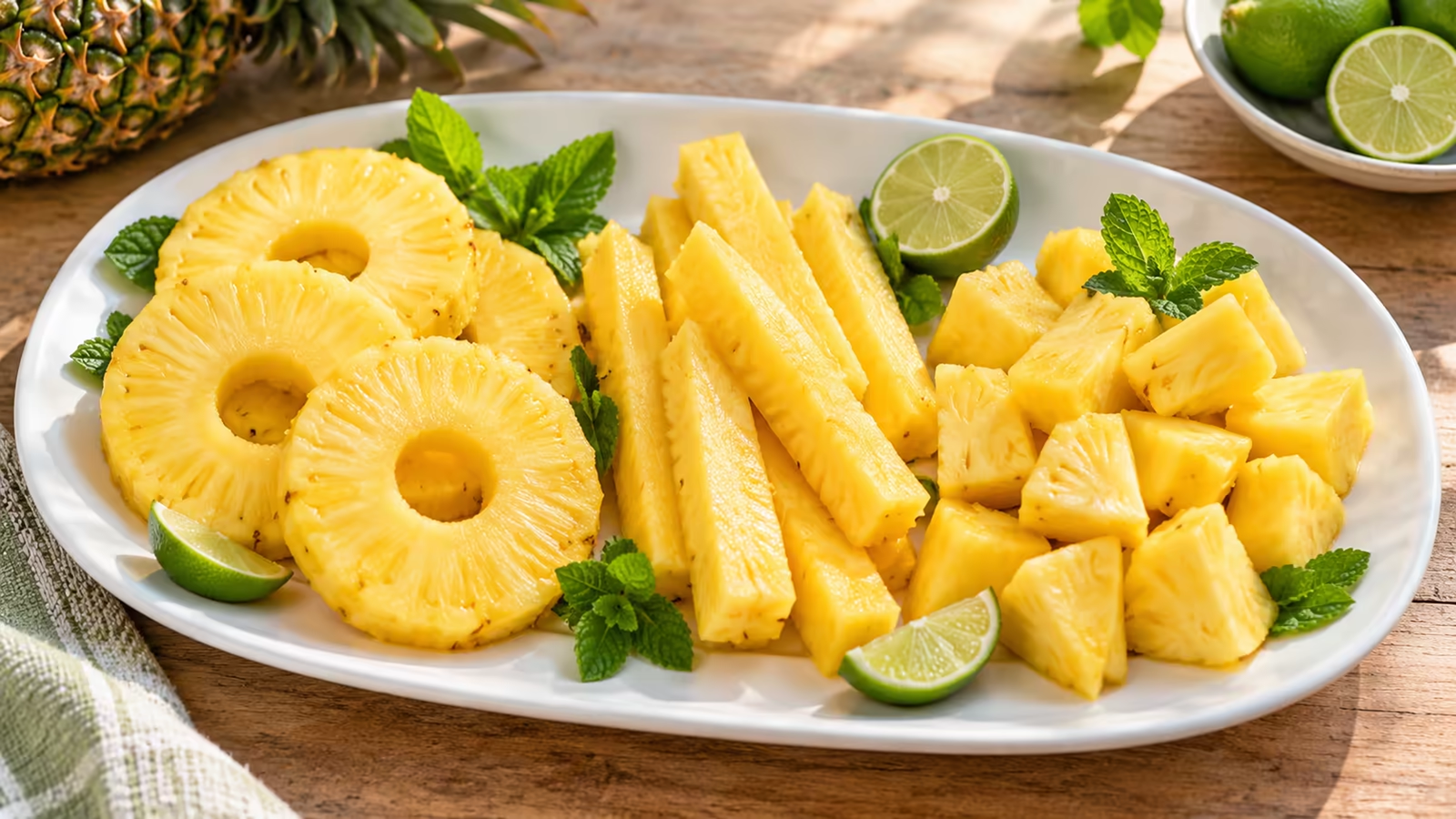
For rings, lay the peeled pineapple on its side and slice crosswise into rounds about half an inch thick. Remove each core with a small round cutter or carefully cut around it with a paring knife. Rings are lovely for grilling, upside-down cake, or a platter, though leaving a tender core in place is also an option.
For spears, stand the peeled pineapple upright and quarter it from top to bottom. Lay each quarter on a cut side and slice away the pointed strip of core. Divide each quarter lengthwise into two or three spears. They are easy to hold, grill, or tuck into lunch boxes when cut to a comfortable size.
For chunks, turn those spears crosswise and cut them into even pieces. Smaller pieces suit salsa, yogurt, and fruit salad; larger chunks stay juicier on skewers or the grill. If you are curious about a colorful specialty variety, our pink pineapple guide explains why its flesh is rosy—the cutting method is exactly the same.
Store cut pineapple and use every good piece
Refrigerate cut pineapple promptly in a clean covered container. FoodKeeper guidance is more useful than guessing from appearance, and quality is best in the first few days. Discard fruit that develops mold, active fermentation, a slimy surface, or an unpleasant sour or alcoholic odor. Do not simply trim around mold on juicy cut fruit.
For longer storage, spread chunks on a tray, freeze until firm, then transfer them to a freezer container. Individually frozen pieces are easy to portion into smoothies or sauces. Thawed pineapple softens, so use it where texture is less important. Keep any juice for sparkling water, marinades, or a quick fruit dressing rather than letting it escape down the board.
Fresh pineapple contains bromelain enzymes that can make gelatin fail to set and can tenderize the surface of meat. Heating deactivates those enzymes. That is a useful kitchen fact, not a reason to treat pineapple as medicine. The practical win is simpler: one steady cutting session gives you rings for dinner, spears for tomorrow, and chunks ready for breakfast.
Sources
- U.S. Food and Drug Administration: Selecting and Serving Produce Safely
- FoodSafety.gov: FoodKeeper App
- USDA FoodData Central

Hi, I’m Laura, the voice behind Tastiva. I’ve always believed that eating well should feel enjoyable, comforting, and realistic—not like another complicated rule to follow. I love creating recipes that fit into everyday life, sharing simple nutrition ideas, and finding small ways to make meals feel a little better without losing the pleasure of good food.