
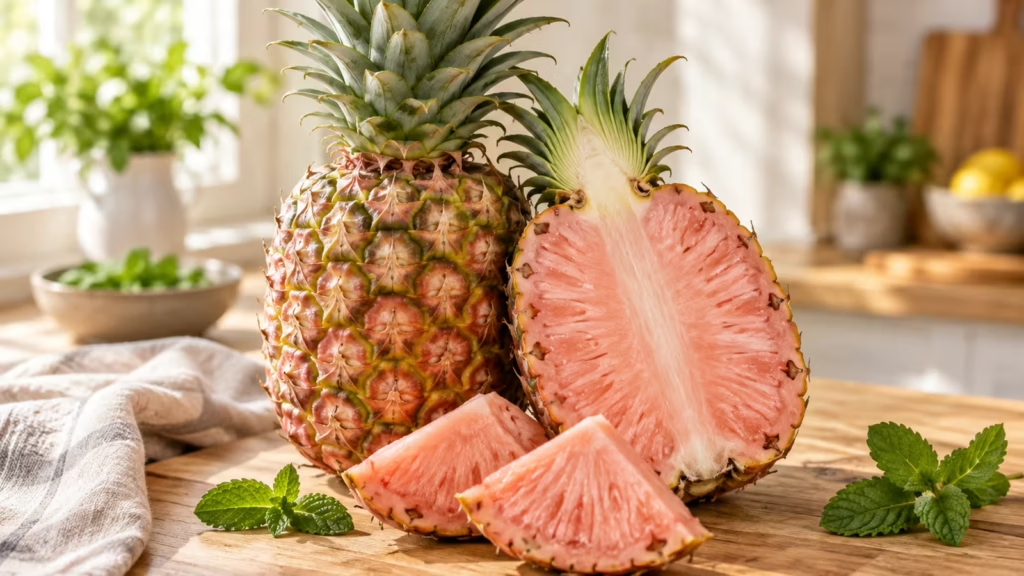
Slice through an ordinary-looking pineapple and finding blush-pink flesh inside feels like the fruit has kept a secret. It has not been soaked in dye or crossed with a watermelon. Pink pineapple is a genetically engineered pineapple variety that retains more lycopene, the same pigment family responsible for red tomatoes and pink watermelon. The color is real, the fruit is still pineapple, and the careful answer about safety is more precise than “FDA approved it.” If you are curious enough to pay the premium, I would treat it as a beautiful specialty fruit—not as a supplement wearing a leafy crown.
Pink pineapple is pineapple with a different pigment story: lovely to look at, familiar to eat, and worth explaining without fear or hype.
What makes a pink pineapple pink
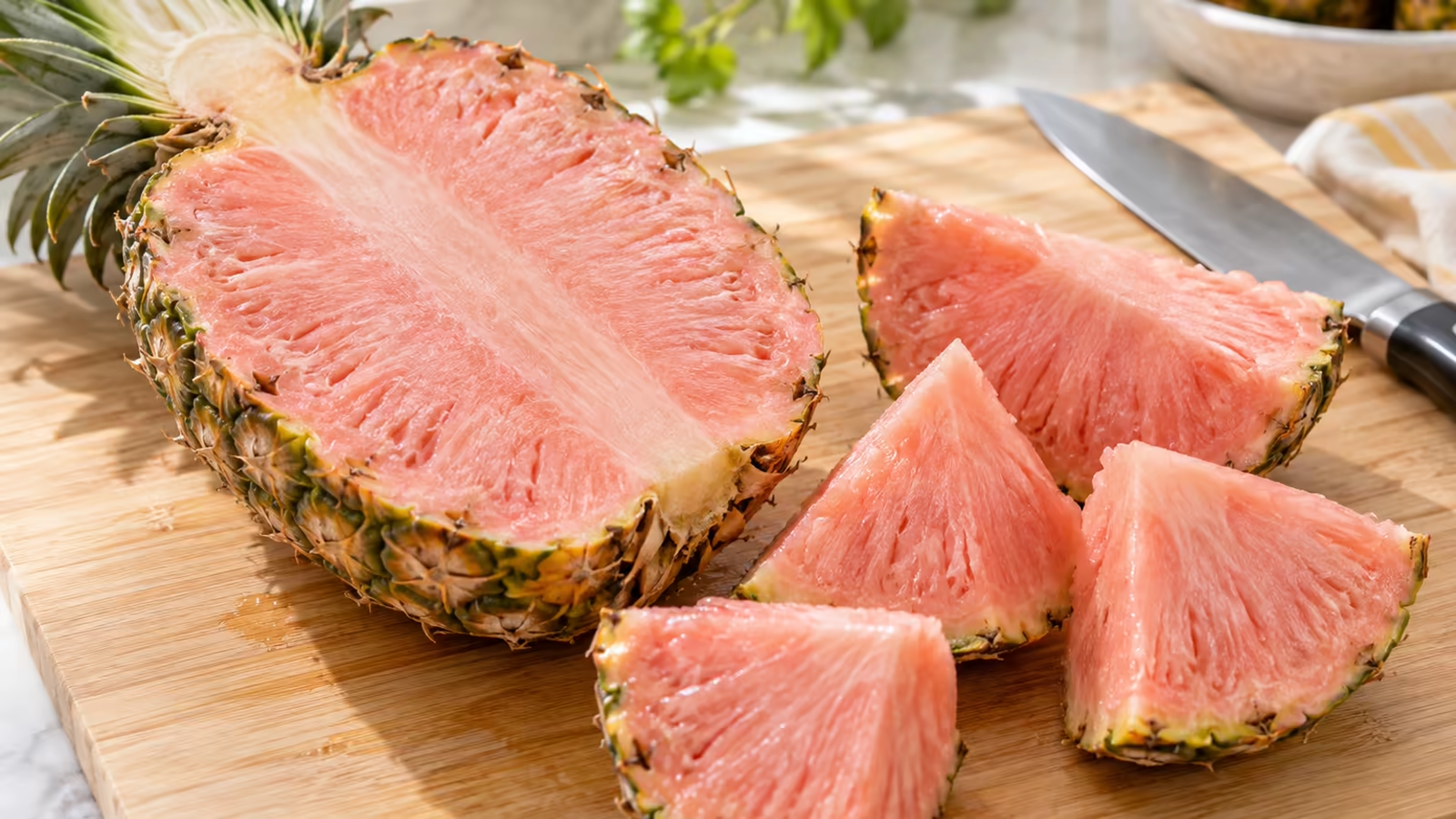
Conventional pineapple converts pink-red lycopene into yellow beta carotene as the fruit develops. The company that developed the pink variety engineered it to produce lower levels of the enzymes responsible for that conversion. More lycopene remains in the flesh, so the inside ripens to coral or rose rather than the familiar gold. The pigment grows with the fruit; it is not painted, injected, or added after harvest.
In 2016, FDA completed a voluntary biotechnology consultation after reviewing information on the genetic change, possible unintended effects, and nutritional assessment. The agency reported no unresolved safety or regulatory questions and said the developer demonstrated that the fruit was as safe and nutritious as conventional pineapple. FDA also explains that this consultation is not technically the same as an “approval,” a distinction worth keeping when we talk about regulated foods.
| Question | Useful answer |
|---|---|
| Why is the flesh pink? | The fruit was engineered to make less of the enzymes that convert pink-red lycopene into yellow beta carotene, so more lycopene remains. |
| Is it dyed after harvest? | No. The pigment develops inside the fruit as it grows. |
| Is it a different species? | No. It is a cultivated pineapple variety, not a pineapple crossed with another fruit. |
| Did FDA “approve” it? | FDA completed a voluntary biotechnology consultation and reported no unresolved safety or regulatory questions; the agency explains that consultation is not the same as product approval. |
| Is it dramatically more nutritious? | FDA reviewed it as safe and nutritious as conventional pineapple. Treat the color as interesting—not as a therapeutic dose of lycopene. |
The commercial fruit is grown outside the mainland United States and sold as a specialty item, so availability and price can be uneven. The variety, growing conditions, harvest timing, and shipping all affect the fruit you actually taste. A glamorous box cannot rescue underripe flavor, which is why the ordinary skills—checking condition, aroma, and intended use—still matter.
Taste and nutrition without the superfruit fog
Expect recognizable pineapple: sweet-tart juice, tropical aroma, and a tender fibrous bite. The marketed pink variety is often described as sweeter and less acidic, but fruit varies, and sweetness is not guaranteed by color alone. Let your piece be itself. A wedge that tastes bright and balanced needs no promise that it is “better” than yellow pineapple.
Nutritionally, think pineapple first. Raw pineapple contributes water, carbohydrate, vitamin C, manganese, and smaller amounts of fiber and other micronutrients. USDA data for conventional raw pineapple provide a useful general reference, while the exact pink fruit can vary by size and ripeness. FDA’s review described the engineered variety as nutritionally comparable to conventional pineapple. Its lycopene explains the hue, but there is no established therapeutic serving or reason to use this premium fruit as a medical strategy.
- Color: retained lycopene makes the flesh pink.
- Vitamin C: pineapple is a useful source, though exact amounts vary.
- Fiber: present, but this is still a juicy fruit rather than a high-fiber meal by itself.
- Natural sugar: part of the whole fruit along with water and fiber; juice and dried forms concentrate the experience differently.
- Health claims: “contains lycopene” does not mean “prevents disease.”
Pineapple also contains bromelain enzymes, especially in the stem and to a lesser extent the edible flesh. Those enzymes explain the tingling some people notice and why fresh pineapple can interfere with gelatin. Eating the fruit is not the same as taking a standardized bromelain supplement, and it should not be promoted as a treatment, a detox, or a reliable way to induce labor.
How to choose, cut, and store it
Look for a fruit that feels heavy for its size, smells pleasantly pineapple-like at the base, and has no leaking, mold, fermented odor, or large soft bruises. Shell color is an imperfect ripeness test, especially with a specialty cultivar. Pineapple is non-climacteric: after harvest it may soften and grow more aromatic, but it does not become meaningfully sweeter in the way a banana does. If the fruit arrives firm, give it a little time for texture—not a week of wishful sugar.
Wash the outside under cool running water before cutting, even though you will not eat the rind; the knife can carry surface dirt onto the flesh. Trim both ends, stand the pineapple upright, slice away the peel following the curve, remove remaining eyes, then quarter and cut out the tough core if you dislike it. Use a clean board and knife, particularly when the fruit will be served without cooking.
Refrigerate cut pineapple promptly in a covered container. For best quality, plan to eat it within a few days and follow FoodKeeper guidance rather than waiting for a sour smell to make the decision. Freezing pieces on a tray before bagging keeps them separate for smoothies, although thawed fruit will be softer. The pink color is delicate enough that a clear container is oddly cheering every time you open the refrigerator.
Simple ways to serve the rosy fruit
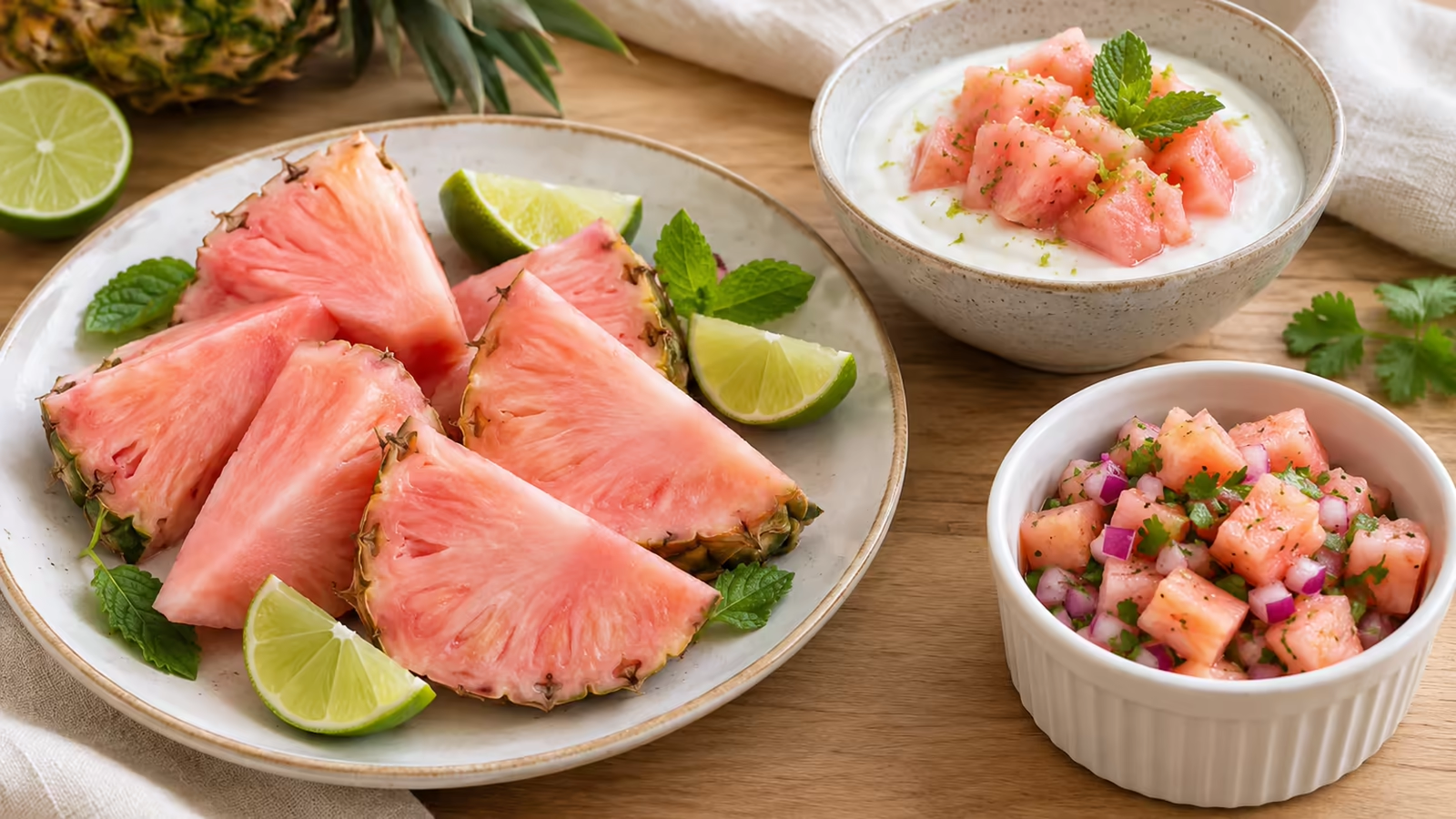
The clearest first taste is a chilled wedge at room temperature for a few minutes, with nothing on it. After that, treat pink pineapple exactly as you would a good yellow one: fold it into fruit salad, spoon it over plain yogurt, blend it into a smoothie, grill thick pieces, or dice it with lime, chile, herbs, and onion for salsa. Its color is most visible beside pale, green, or deep-purple ingredients rather than mixed into a brown sauce.
- Fresh plate: pink pineapple, cucumber, mint, and lime.
- Breakfast: plain yogurt, oats, pink pineapple, and toasted nuts.
- Savory: a small salsa for fish, beans, tacos, or grain bowls.
- Frozen: chunks blended with yogurt or coconut milk.
- Dessert: serve simply so the unusual color stays visible.
Fresh pineapple can stop ordinary gelatin from setting because bromelain breaks down protein; heating the fruit deactivates the enzyme, which is why canned pineapple behaves differently. That little kitchen lesson is more useful than most superfruit claims. If you enjoy colorful produce, compare the pleasure—not the marketing—with our guides to cherries and purple sweet potatoes. The best reason to try pink pineapple is curiosity, followed closely by lunch.
Sources
- U.S. Food and Drug Administration: FDA Concludes Consultation on Pink Flesh Pineapple
- U.S. Food and Drug Administration: How FDA Regulates Food From Genetically Engineered Plants
- USDA FoodData Central
- FoodSafety.gov: FoodKeeper App

Hi, I’m Laura, the voice behind Tastiva. I’ve always believed that eating well should feel enjoyable, comforting, and realistic—not like another complicated rule to follow. I love creating recipes that fit into everyday life, sharing simple nutrition ideas, and finding small ways to make meals feel a little better without losing the pleasure of good food.