
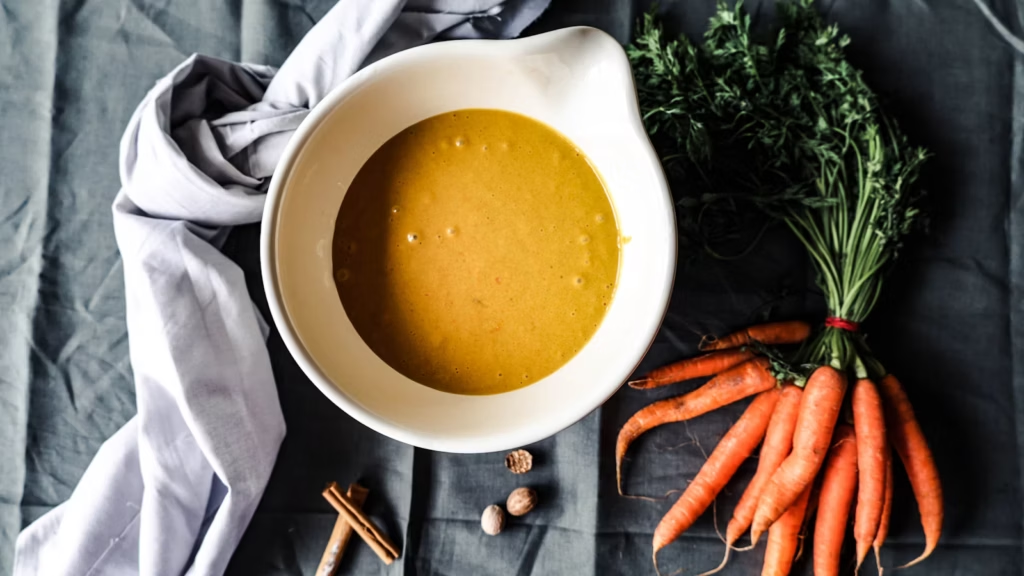
A half onion, a few parsley stems, and two carrots can look like a cleanup problem at the end of dinner prep. They can also become the start of a useful pot of stock. To make vegetable stock, build a balanced base with onion, carrot, celery, mushrooms, garlic, and herbs; cover it with cold water; simmer gently for about 45 minutes; then strain and cool it promptly. The mushrooms add savory depth, while the shorter simmer keeps the flavor clean instead of tired or bitter.
Good vegetable stock is less about using every scrap and more about choosing scraps that belong in the same pot.
Start with vegetables that build a balanced stock
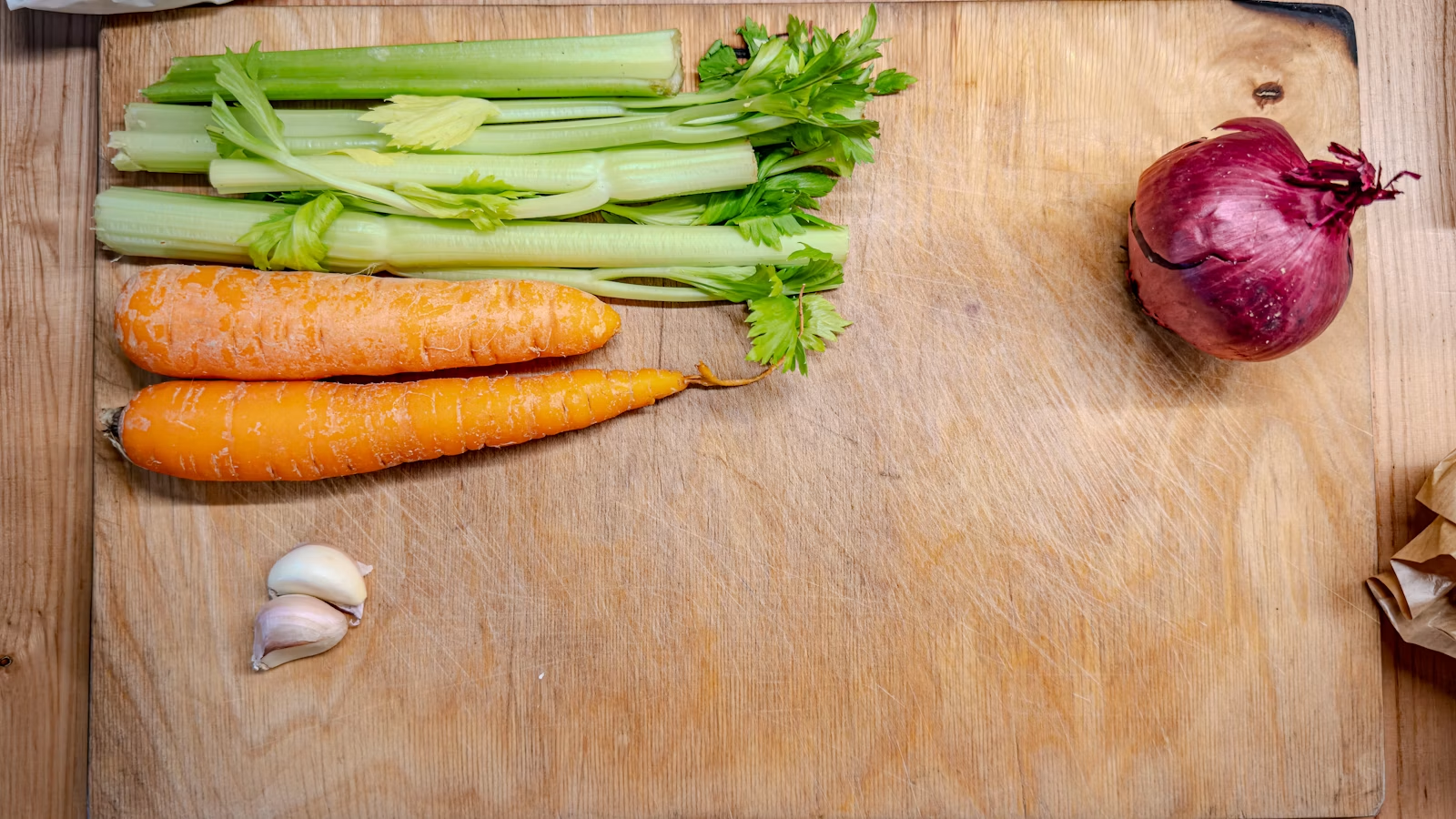
Onion, carrot, and celery make a familiar starting point because they bring sweetness, aroma, and a mild vegetal backbone. Mushrooms deepen the savory side without making the liquid taste like mushroom soup, while garlic, parsley, thyme, bay leaf, and whole peppercorns round out the pot. I’d rather use a smaller mix of clean, compatible vegetables than treat the stockpot like a compost bin.
- For body: Use onion, carrot, celery, leek, or fennel trimmings in moderate amounts.
- For savory depth: Add fresh mushroom stems or a few sliced cremini mushrooms.
- For aroma: Choose parsley stems, thyme, bay leaf, garlic, and a few peppercorns.
Leave the salt out or keep it very light if the stock will become soup, risotto, beans, or a sauce. Those dishes may reduce as they cook, and a flexible stock is much easier to season later. If the terms feel blurry, our guide to the difference between stock and broth explains what matters in an everyday kitchen.
Which scraps work—and which ones turn bitter
Clean carrot peels, celery ends, leek tops, mushroom stems, herb stems, and a little washed onion skin can all earn a place in the pot. Freeze usable trimmings in a dated bag until you have enough, but start with scraps that were fresh when frozen. Moldy, slimy, or spoiled produce does not become a better ingredient because it simmers.
- Use freely: Carrot ends, celery leaves, parsley stems, leek greens, and mushroom stems.
- Use lightly: Onion skins for color, fennel for sweetness, and tomato for acidity.
- Usually skip: Large amounts of cabbage, broccoli, cauliflower, or Brussels sprouts, which can dominate the pot.
- Skip for a clear stock: Potato scraps, which can add starch, and beets, which turn the liquid intensely red.
A freezer bag is useful, but it shouldn’t dictate the recipe. If the bag is mostly one strong vegetable, save only part of it for stock and balance the rest with fresh onion, carrot, and celery. That small bit of editing is often the difference between a versatile stock and a pot that only suits one very specific soup.
How to make vegetable stock with deeper flavor
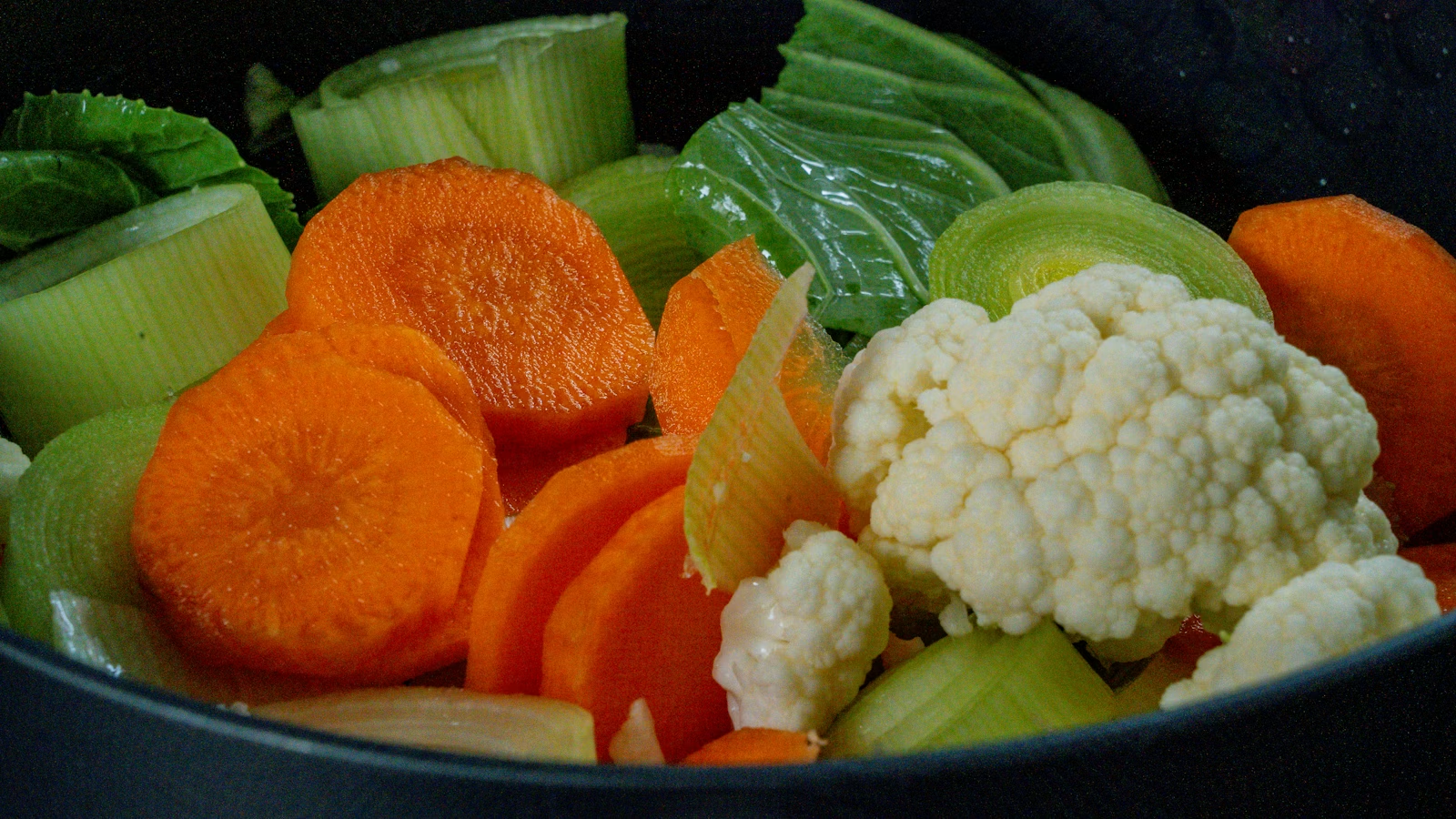
The easiest flavor upgrade happens before the water goes in. Let the onion, carrot, celery, and mushrooms cook in a little oil until their edges begin to color and the mushrooms give up some moisture. This is not a hard roast or a dark caramelization; it is simply a head start that keeps the finished stock from tasting like warm vegetable water.
- Cover, don’t flood: Add enough cold water to cover the vegetables comfortably. Too much water dilutes the same amount of flavor.
- Keep a gentle simmer: A rolling boil stirs up small particles and does not make vegetable flavor appear faster.
- Stop around 45 minutes: Vegetables release flavor much faster than bones. A very long cook can pull out harsh notes.
- Strain without mashing: Let the liquid drain through a fine-mesh strainer. Pressing hard makes the stock cloudier.
If the strained stock tastes weak, simmer the liquid by itself to reduce it. If it tastes too strong, dilute it with water when you use it. Bitterness is harder to repair, which is why I’d choose a shorter simmer and adjust concentration afterward.
Use it, cool it, and freeze it safely
Vegetable stock can replace water in soup, lentils, rice, risotto, and savory grains, or loosen a pan sauce without adding dairy. It is especially handy when soup season arrives and one pot needs a little more depth. Freeze some in one- or two-cup portions, plus a few small portions for sauces, so you do not have to thaw the whole batch at once.
For safety, divide hot stock into shallow containers so it cools quickly and refrigerate it within two hours. USDA guidance says cooked leftovers and broth should be used within three to four days; freeze what you will not use in that window. Leave expansion room in freezer containers, label the date, and thaw in the refrigerator. Our freezer-burn guide has practical packing tips.
Homemade vegetable stock recipe
The recipe card below contains the complete quantities and ordered method. It makes about eight cups, and the nutrition estimate is listed per one-cup serving. Because the vegetables are strained and batches reduce differently, treat that number as a reasonable reference rather than a laboratory measurement.
Homemade Vegetable Stock

Ingredients
- 1 tablespoon olive oil
- 2 yellow onions quartered
- 3 carrots cut into large pieces
- 3 celery stalks cut into large pieces
- 8 ounces cremini mushrooms halved
- 4 garlic cloves smashed
- 2 bay leaves
- 6 fresh parsley sprigs
- 1 teaspoon whole black peppercorns
- 10 cups cold water
- 1/2 teaspoon fine salt plus more only if needed
Instructions
- Heat the olive oil in a large stockpot over medium heat. Add the onions, carrots, and celery and cook for 8 minutes, stirring occasionally, until the edges begin to color.
- Add the mushrooms and garlic. Cook for 5 minutes, stirring, until the mushrooms release some moisture and the vegetables smell deeply savory.
- Add the bay leaves, parsley, peppercorns, water, and salt. Bring just to a boil, then lower the heat to a gentle uncovered simmer.
- Simmer for 40 to 45 minutes. Avoid a hard boil, which can make the stock cloudy and drive off liquid too quickly.
- Strain through a fine-mesh sieve without pressing hard on the vegetables. Taste and add salt only if the stock needs it. Cool promptly before storing.
Nutrition
Video
Notes
- Makes about 8 cups; yield varies with pot shape and evaporation.
- Refrigerate in shallow covered containers for up to 4 days or freeze for up to 3 months.
- Avoid strongly flavored cruciferous scraps and large amounts of beet peel, which can dominate the stock.
- Nutrition is an estimate calculated from USDA FoodData Central ingredients; strained stock varies because most vegetable solids are discarded.
Tried this recipe?
Let us know how it turned out!Sources
Hi, I’m Laura, the voice behind Tastiva. I’ve always believed that eating well should feel enjoyable, comforting, and realistic—not like another complicated rule to follow. I love creating recipes that fit into everyday life, sharing simple nutrition ideas, and finding small ways to make meals feel a little better without losing the pleasure of good food.