
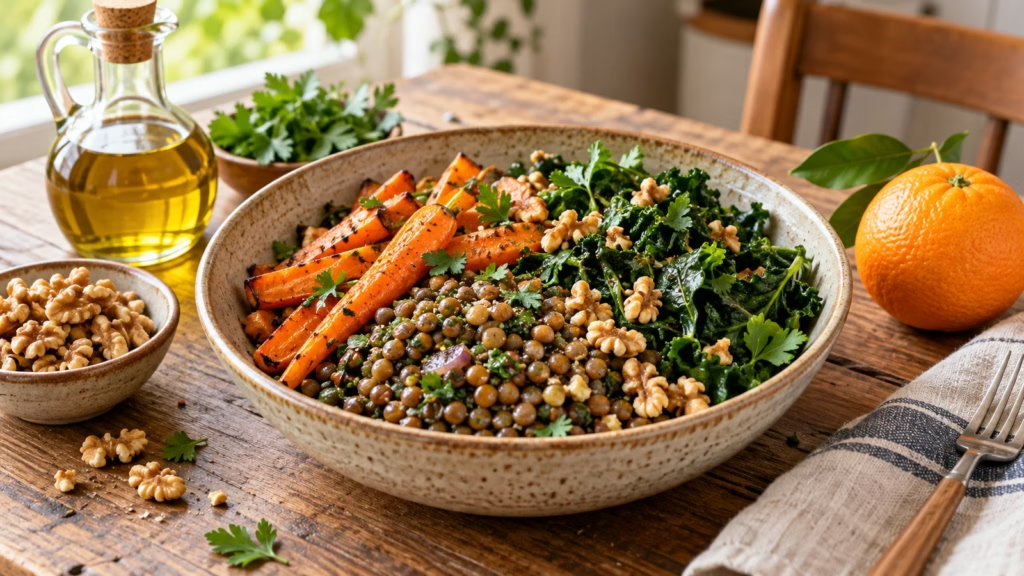
Search for inflammatory and anti-inflammatory foods, and dinner can start to look like a list of warnings. The more useful question is what your usual meals contain and what the research actually measured. Mediterranean-style eating patterns have improved some inflammatory blood markers in clinical trials. That is encouraging, but it doesn’t turn a single food into medicine or prove that every ache comes from something you ate.
Build meals around a varied eating pattern. A food list can suggest a starting point, but it cannot diagnose inflammation or promise relief.
Inflammation is a response, not a food label
Short-term inflammation helps the body respond to injury or infection. A cut that becomes red and swollen is a familiar example. Inflammation that persists can be part of a health problem, but diet is only one influence. Infections, autoimmune conditions, smoking, and other factors can also matter.
Blood tests do not work like a scorecard for yesterday’s lunch. MedlinePlus explains that C-reactive protein, or CRP, can indicate inflammation without showing its cause or location. High-sensitivity CRP measures smaller changes in the same protein and is used differently. A clinician interprets results alongside symptoms, history, and other tests.
That is why feeling tired, bloated, or achy does not establish that a particular food is causing systemic inflammation. If symptoms persist, get them assessed rather than progressively removing foods on your own. A food allergy or diagnosed digestive condition may require specific changes, but those are individual medical questions.
What the diet studies actually found
A systematic review first published in 2025 and appearing in the September 2026 issue of Nutrition Reviews combined 33 randomized trials with 3,476 participants. Mediterranean diets lowered some measures, including high-sensitivity CRP and the signaling proteins IL-6 and IL-17, compared with control diets. The pooled results were not significant for several other measures, including standard CRP and TNF-alpha. The authors called for more high-quality studies.
An earlier three-month trial assigned 112 older adults with diabetes or several cardiovascular risk factors to Mediterranean diets supplemented with virgin olive oil or nuts, or a low-fat comparison diet. Among the 106 people who completed it, several markers improved with the Mediterranean diets, but results differed by marker and group. For example, CRP decreased only in the olive-oil group.
These studies support looking at a whole eating pattern. They do not show that adding olive oil to an otherwise unchanged diet will treat a disease, or that every person will feel a difference within a set number of days. A change in a laboratory marker is also not the same outcome as less pain, remission, or stopping medication. Keep those distinctions in mind when a headline makes a sweeping promise.
Foods to build around, with room for ordinary life
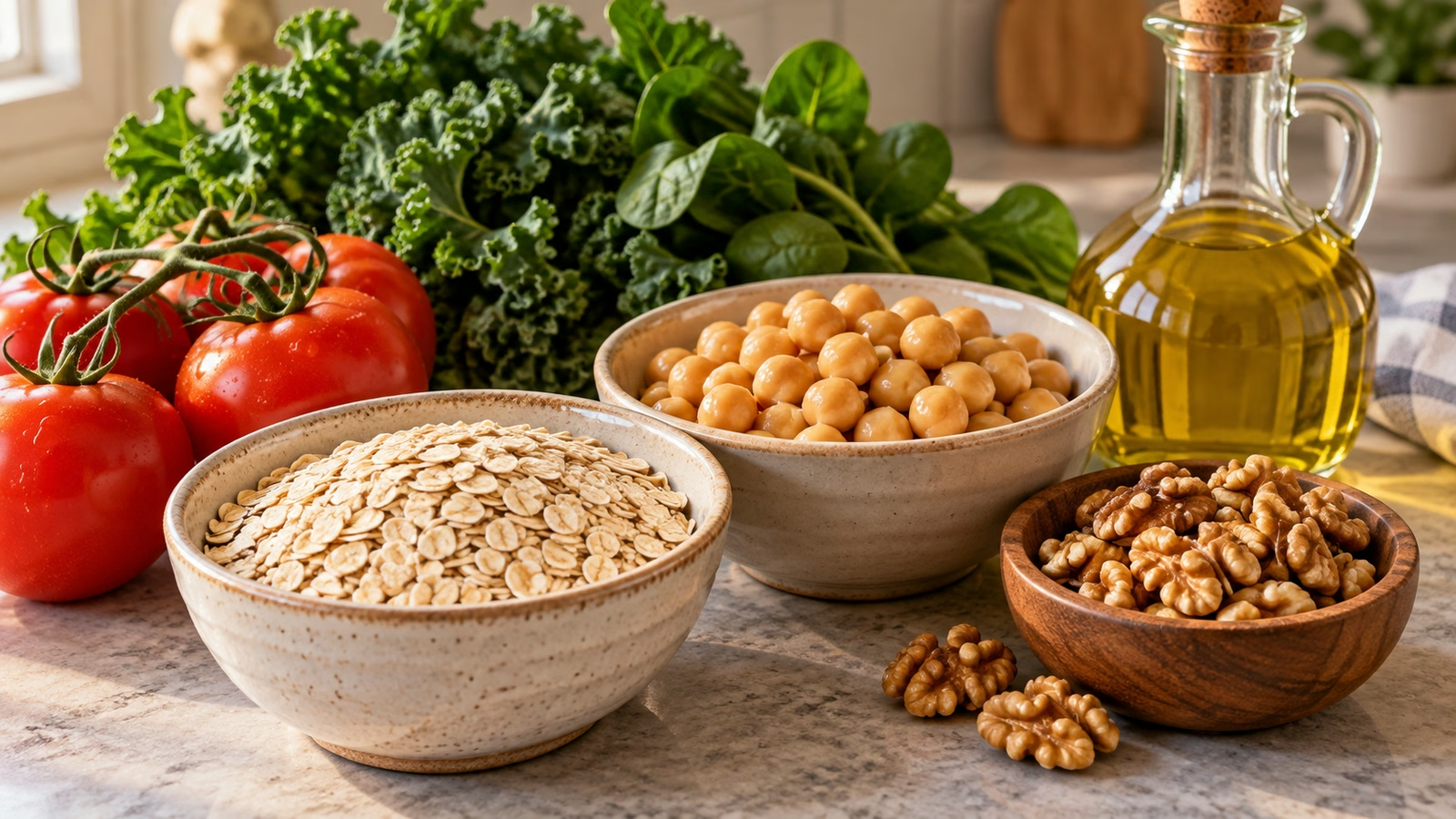
You can borrow the practical features of a Mediterranean-style pattern without cooking only Mediterranean dishes. Think vegetables, fruit, beans and lentils, whole grains, nuts, and unsaturated oils, with fish if you eat it. These foods can fit soups, rice dishes, sandwiches, and shared family meals. No expensive powder or specialty drink is required.
- Vegetables and fruit: rotate foods you enjoy, such as carrots, greens, tomatoes, citrus, apples, or berries. Frozen produce can make variety easier to keep on hand.
- Beans and lentils: use them in a soup, salad, or familiar stew. Our guide to legumes explains where beans, lentils, and peas fit.
- Whole grains: try oats at breakfast, brown rice with dinner, or whole-grain bread for a sandwich. Choose a texture you like rather than buying a grain because it sounds fashionable.
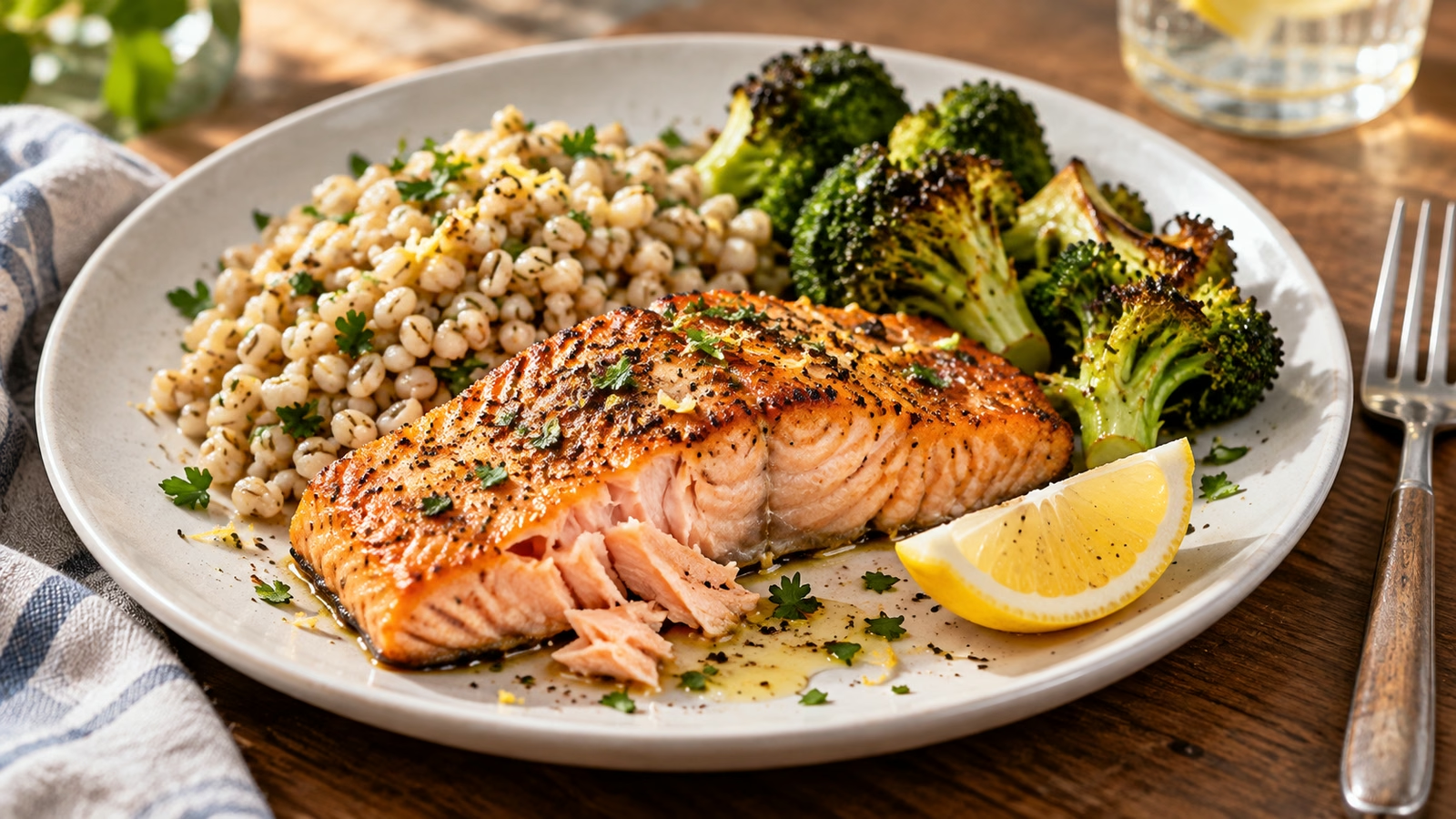
- Fats and proteins: use olive oil or other unsaturated oils in appropriate amounts; add nuts if suitable, and include options such as fish, tofu, or beans across the week.
- Flavor: herbs, spices, garlic, and lemon can make those foods appealing. Using turmeric in dinner is different from taking a concentrated curcumin supplement.
The distinction between food and supplements matters. Johns Hopkins notes that high-dose turmeric or curcumin supplements can have side effects and interact with medicines. A seasoning is not a treatment dose, and a supplement label is not proof that a product is right for you.
What to limit without turning meals into a blacklist
Look first at frequent sugary drinks, processed meats, and deep-fried foods, especially when they crowd out more varied meals. Replace a regular sweet drink with water, try beans in a meal that usually centers on processed meat, or roast vegetables instead of always deep-frying a side. These are choices about your usual pattern, not a reason to fear an occasional dessert.
Be careful with claims that every seed oil is inflammatory. A 2017 meta-analysis of 30 randomized studies found no significant overall rise in measured blood inflammatory markers when dietary linoleic acid increased, although a subgroup analysis raised a question about larger increases and CRP. That does not justify declaring ordinary canola or soybean oil toxic. An oil used in home cooking and a diet dominated by deep-fried foods are not the same question.
- Keep useful packaged foods: plain frozen vegetables, canned beans, and oats can support a varied diet. Packaging alone does not tell you a food’s nutritional value.
- Check the replacement: removing one food is less useful if the change leaves you short of meals you can afford and enjoy. Add a workable alternative.
- Avoid automatic exclusions: don’t cut out whole categories such as dairy or grains solely because a generic online list labels them inflammatory. Discuss suspected reactions and appropriate testing with a qualified clinician.
- Protect medical care: food changes can be part of a care plan. They are not a reason to stop prescribed treatment or postpone assessment.
For a brief clinical perspective, Mayo Clinic rheumatologist Dr. John Davis discusses Mediterranean-style eating in the context of arthritis. The video is about supporting care, and the food ideas are not a promise to cure arthritis or another inflammatory condition.
Sources
- MedlinePlus: C-reactive protein test and interpretation.
- Keshani and colleagues: Mediterranean diet and inflammatory markers, systematic review and meta-analysis.
- Mena and colleagues: Three-month Mediterranean diet randomized trial.
- Su and colleagues: Dietary linoleic acid and blood inflammatory markers.
- World Health Organization: Healthy diet.
- Johns Hopkins Medicine: Turmeric benefits and supplement cautions.
- Mayo Clinic: Fighting arthritis with food, video and transcript.

Hi, I’m Laura, the voice behind Tastiva. I’ve always believed that eating well should feel enjoyable, comforting, and realistic—not like another complicated rule to follow. I love creating recipes that fit into everyday life, sharing simple nutrition ideas, and finding small ways to make meals feel a little better without losing the pleasure of good food.