
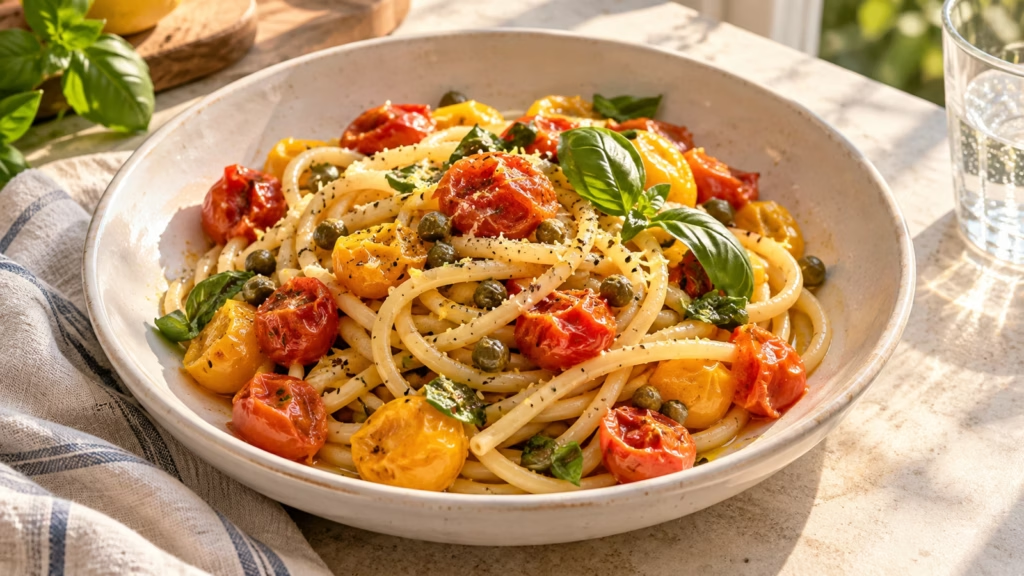
A bowl of juicy tomato pasta can feel exactly right on a summer evening, but some days even boiling water sounds like too much. These summer dinner ideas give you four useful directions: a no-cook chickpea plate, stovetop pasta, a warm chicken bowl with cool cucumber, and baked fish tacos. Choose by how much cooking you want to do, then follow the linked recipe for the details.
Let the fresh ingredients do some of the work, and keep the hot part of dinner as simple as the evening needs.
Choose by the heat you want in your kitchen
You do not need a grill for a summer meal. A few crisp vegetables and a bright sauce can make a skillet dinner feel fresh, while canned beans and ready-to-eat bread can keep the stove off entirely. Think about the cooking equipment before committing to a recipe that needs several pans.
- No stove: tomato, cucumber, and chickpea salad with hummus and pita.
- Stovetop: cherry tomato pasta with basil and capers.
- Skillet plus cooked rice: gochujang ground chicken bowls with edamame and cucumber.
- A short oven session: baked cod tacos with lime slaw and yogurt sauce.
These are meal ideas with different portion sizes, rather than a single four-night shopping plan. Check the linked recipes’ yields before you shop. A salad listed as four side servings should not automatically be treated as four complete dinners. Add enough of the other components for your household’s appetite.
Four summer dinner ideas to put on the table
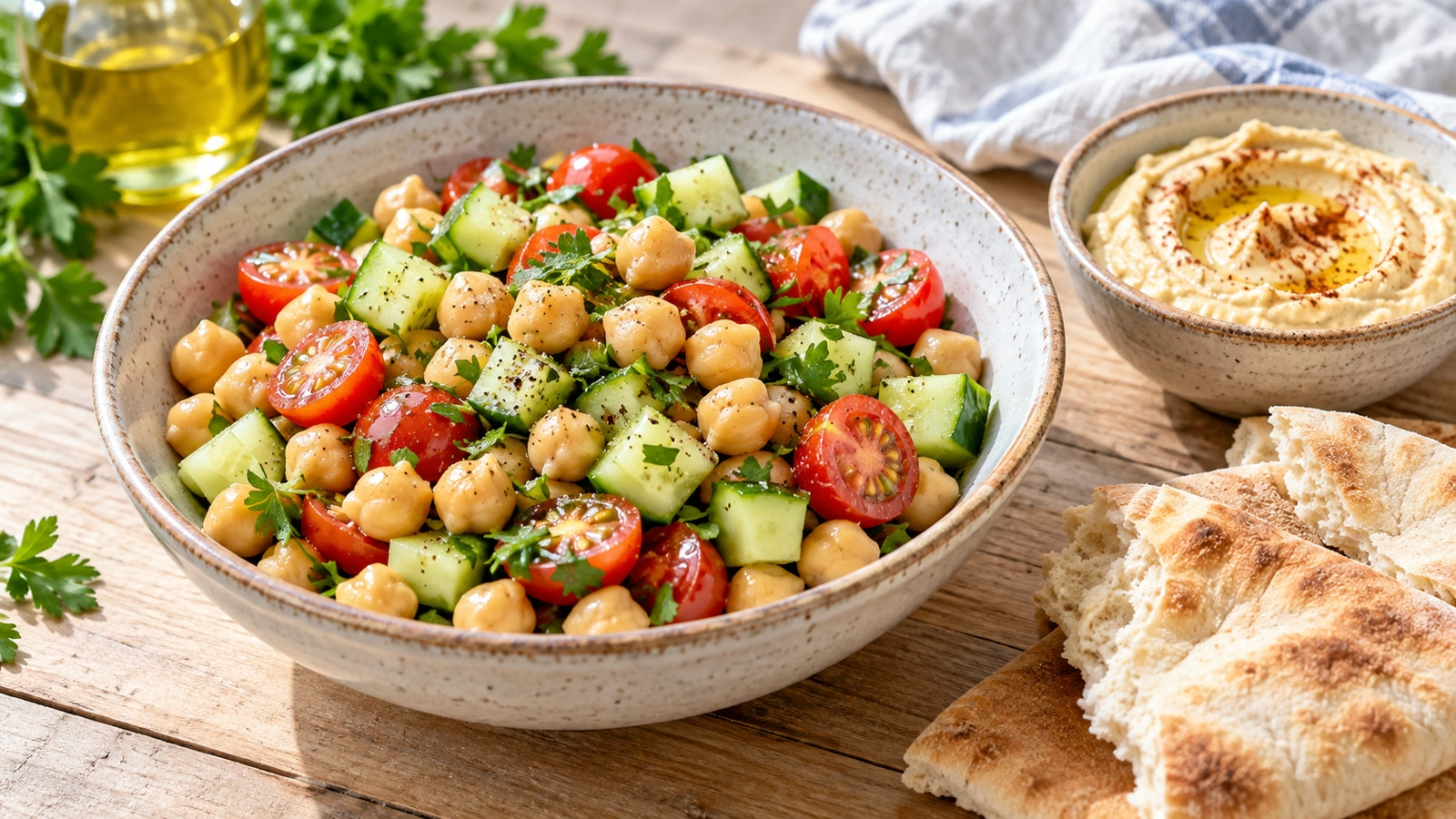
1. A chickpea salad plate for a no-cook evening. Northwestern Medicine’s tomato and cucumber salad starts with canned chickpeas, fresh vegetables, olive oil, and red wine vinegar. It is a seven-minute recipe with four side servings. Allow yourself longer if you prefer a slower pace with the chopping.
For a more substantial dinner, serve a generous helping with hummus and pita, as pictured. The hummus and bread are additions to the original recipe, so include them when planning the shopping and portions. Canned chickpeas are already cooked; dried chickpeas would need proper soaking and cooking, not just a rinse.
Drain the chickpeas well and keep the salad chilled until dinner. Fresh herbs are an optional finishing touch. If you need a gluten-free meal, choose suitable bread or crackers, and check every packaged ingredient for the dietary needs at your table. Hummus commonly contains sesame.
2. Cherry tomato pasta when the tomatoes are good. Love and Lemons’ cherry tomato pasta brings together bucatini, tomatoes, garlic, capers, lemon zest, and basil. The recipe serves four to six and lists 30 minutes total. It uses both a pasta pot and a skillet, so it is quick stovetop cooking rather than a one-pot meal.
Some tomatoes soften into the sauce while others retain more shape. Keep the heat controlled so the garlic and oil do not scorch, then finish with the basil. The cheese is optional; omit it for a dairy-free version after checking the other ingredients. A simple green salad can go alongside, but the pasta does not need a second elaborate side.
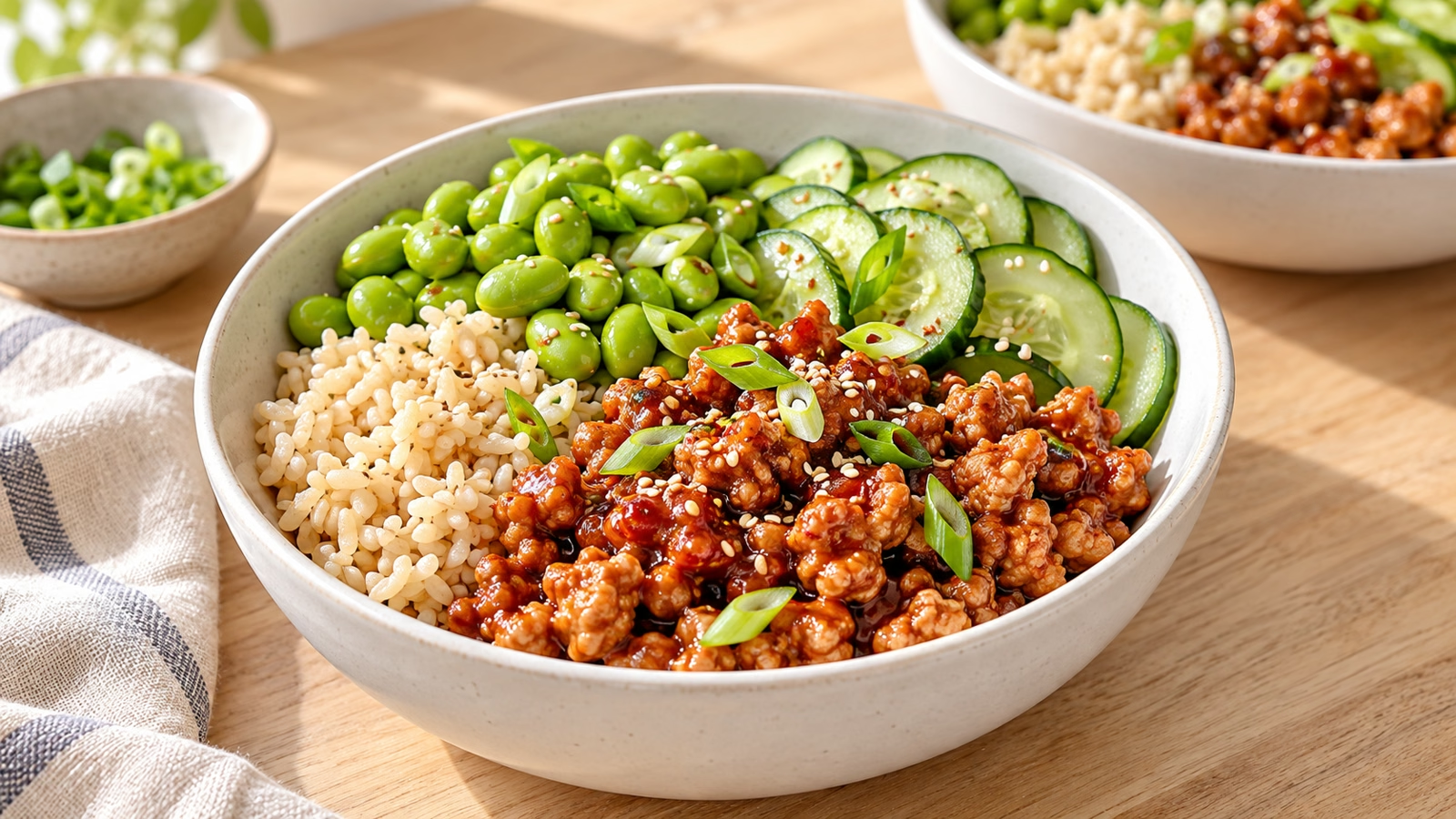
3. Gochujang chicken bowls with a cool, crunchy corner. Tastiva’s gochujang ground chicken bowls pair saucy chicken with brown rice, edamame, and cucumber. The recipe makes four bowls in about 25 minutes when the rice is already cooked. Starting with dry brown rice adds its cooking time.
Brown the chicken before adding the glaze, and cook it to 165°F. Prepare frozen edamame according to its package directions; thawing alone may not be enough. Keep the cucumber out of the pan so it stays crisp against the warm rice and chicken. Gochujang brands vary in heat, and the recipe explains a gentler option.
4. Baked cod tacos for a fish dinner without frying. The baked cod tacos make eight small tacos, or four servings of two. Allow about 35 minutes and start with thawed fish. Prepare the cabbage slaw and yogurt sauce first, keep them refrigerated, and warm the tortillas near serving time.
The fish is seasoned and baked without a batter, so expect tender flakes rather than a crunchy fried coating. Check each portion for 145°F in its thickest part; pieces of different thickness may finish at different times. Serve the toppings separately if everyone likes a different balance of slaw and sauce.
Prep a few components without losing the fresh texture
A little preparation helps more than assembling every dinner in advance. Wash produce under running water, dry it, and use clean cutting boards. Keep raw poultry and fish, their utensils, and their juices away from vegetables that will be eaten without cooking.
- For salad: rinse and drain canned beans ahead, then refrigerate in a covered container. Chop watery vegetables nearer serving when possible.
- For pasta: wash the tomatoes and set out the capers, garlic, and seasonings before the water boils. Add tender herbs toward the end.
- For bowls: store cooked rice and chicken separately from cucumber. Reheat the hot components thoroughly before adding cold toppings.
- For tacos: pack fish, slaw, sauce, and tortillas separately. Fully assembled leftover tacos quickly become soft.
You can repeat an ingredient without repeating the meal. Cucumber works in the chickpea salad and chicken bowls; tomatoes can anchor pasta or join a cold plate. Buy quantities you can use, rather than buying a separate collection of produce for every recipe.
Keep summer dinner cold or hot until serving
Outdoor shade does not replace refrigeration. Keep perishable cold foods at 40°F or below and hot foods at 140°F or above. If dinner goes outside, use a cooler with ice packs for cold components and bring out smaller portions as needed.
Refrigerate perishables within two hours, or within one hour when the temperature is above 90°F. Promptly chill cooked rice, poultry, and fish in shallow containers. Use properly refrigerated cooked leftovers within three to four days, and reheat them to 165°F; follow any shorter package directions for individual ingredients.
For the simplest visual starting point, Northwestern Medicine’s short video demonstrates the tomato, cucumber, and chickpea salad used in the first dinner idea.
Sources
- Northwestern Medicine: tomato and cucumber salad.
- Love and Lemons: cherry tomato pasta.
- FoodSafety.gov: safe minimum internal temperatures.
- FoodSafety.gov: cleaning, separating, cooking, and chilling.
- FoodSafety.gov: safe leftover storage.
- Northwestern Medicine: Simple Tomato and Cucumber Salad video.

Hi, I’m Laura, the voice behind Tastiva. I’ve always believed that eating well should feel enjoyable, comforting, and realistic—not like another complicated rule to follow. I love creating recipes that fit into everyday life, sharing simple nutrition ideas, and finding small ways to make meals feel a little better without losing the pleasure of good food.