
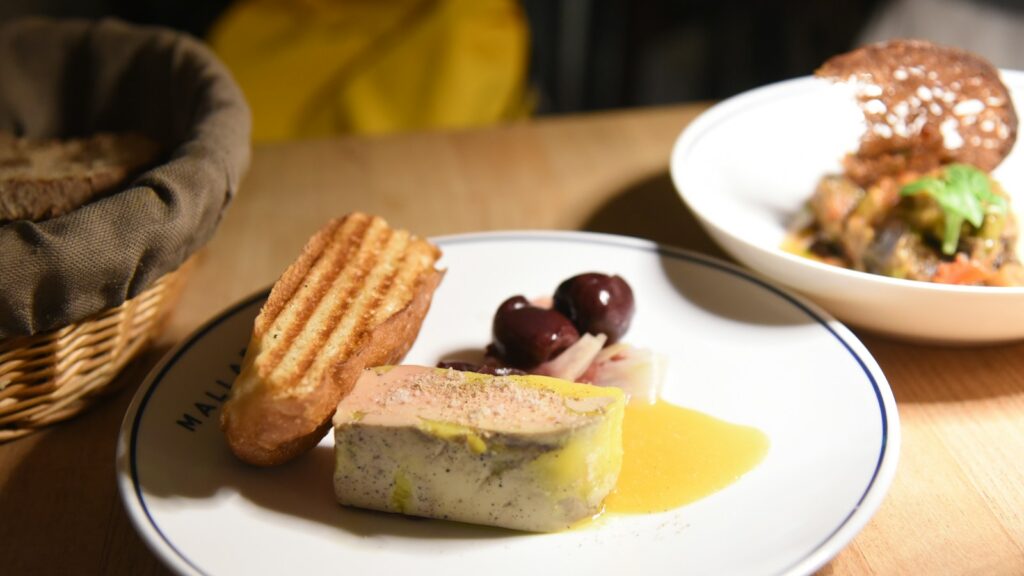
A menu may list foie gras beside toast, tucked into a terrine, or served as a seared slice, which makes the name seem like several different dishes. Foie gras is the fatty liver of a duck or goose, traditionally produced by specially fattening the bird. Its rich, smooth texture explains its culinary reputation, while the production method explains the animal-welfare debate around it.
Before choosing foie gras, understand both the form on the plate and the way it was produced; each matters to the decision.
What is foie gras, and how does it taste?
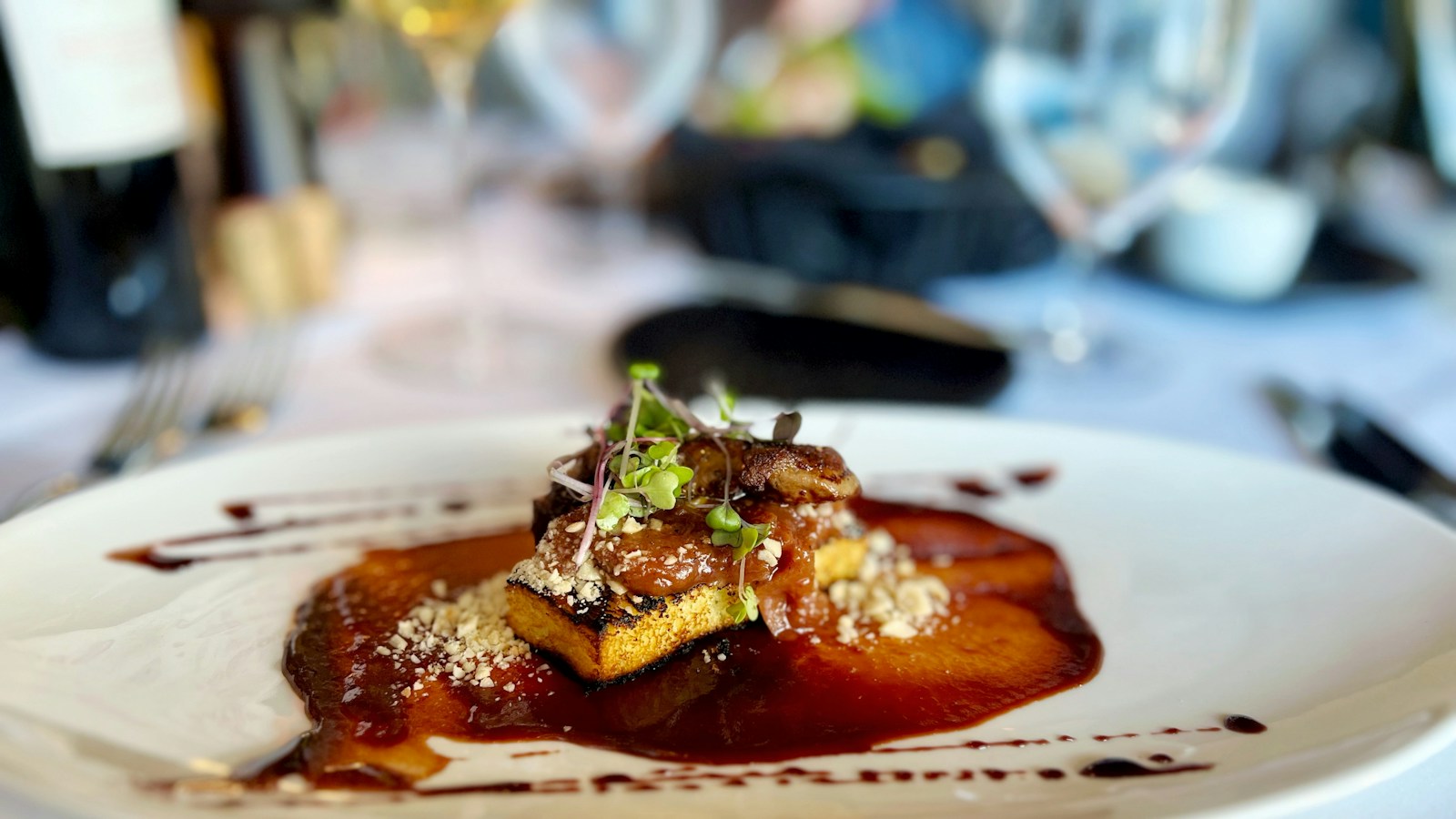
The French words mean “fat liver.” It is an ingredient that can be prepared in different ways, rather than a synonym for every liver pâté. Compared with an ordinary lean liver, foie gras has substantially more fat and a soft, rich character; a chilled preparation and a browned, hot slice create different eating experiences.
Common descriptions include buttery, delicate, and deeply savory. A seared surface contributes browned flavor, while a smooth chilled preparation puts more emphasis on texture. These descriptions explain the food’s appeal, but they do not mean every person will enjoy it or that price guarantees a particular result.
I’d first ask whether the menu means a slice of liver or a spread containing it. That small question is more useful than assuming all “foie” dishes should look alike. If you want a comparison with an everyday ingredient, Tastiva’s chicken liver guide covers a different kind of liver with its own cooking and nutrition considerations.
Read the form as carefully as the name
A jar, tin, vacuum pack, or restaurant description can tell you about preparation, but appearance alone cannot establish storage requirements. Read the full product name, ingredients, and handling directions together. In particular, “whole” describes composition, while “cooked” and “refrigerate” answer different questions.
| Term or form | What it generally describes | The practical question |
|---|---|---|
| Fresh raw foie gras | Uncooked fatty duck or goose liver | What verified cooking method and storage instructions apply? |
| Foie gras entier | Under French definitions, whole liver or lobes with seasoning | Is this product raw or already prepared? |
| Bloc de foie gras | A reconstituted, smooth preparation | Is it intended for slicing and serving? |
| Terrine or torchon | A style or format of preparation | How was it cooked, and how must it be stored? |
| Mousse or pâté containing foie gras | A mixture that can include other ingredients | What proportion is foie gras, and what else is present? |
France’s DGCCRF consumer guidance distinguishes whole-liver preparations, assembled pieces, and reconstituted blocks, as well as mixtures containing other ingredients. Outside that specific labeling framework, check the actual product details rather than assuming a familiar French word answers every question. A plain duck-liver pâté is not automatically foie gras.
For shopping, compare like with like: usable quantity, composition, preparation, and intended service. A small jar ready for a toast board and a raw lobe for cooking require different work and should not be judged only by their package price. If the description is vague, the seller should be able to explain what you are buying before you plan the meal.
Why the production method is controversial
Traditional commercial production involves gavage, or force-feeding, to enlarge the liver through fat accumulation. French official guidance includes that method in its description of foie gras. The concerns center on how birds are fed and handled, the enlargement of the liver, and the wider conditions in which they are raised.
Producers and critics describe those practices differently. A regional identity or an attractive farm photograph does not, by itself, resolve a welfare question; useful information is specific to the producer’s feeding, housing, handling, and oversight. EFSA’s broader animal-welfare work also makes clear that welfare involves physical and mental wellbeing and multiple aspects of husbandry.
Here I would separate curiosity about a food from any obligation to buy it. You can understand its place in cooking and still decide it does not fit your preferences. If you want a rich savory spread without foie gras, choose a mushroom, bean, or other pâté on its own terms rather than expecting an identical flavor or nutrition profile.
Serving and storage depend on the product
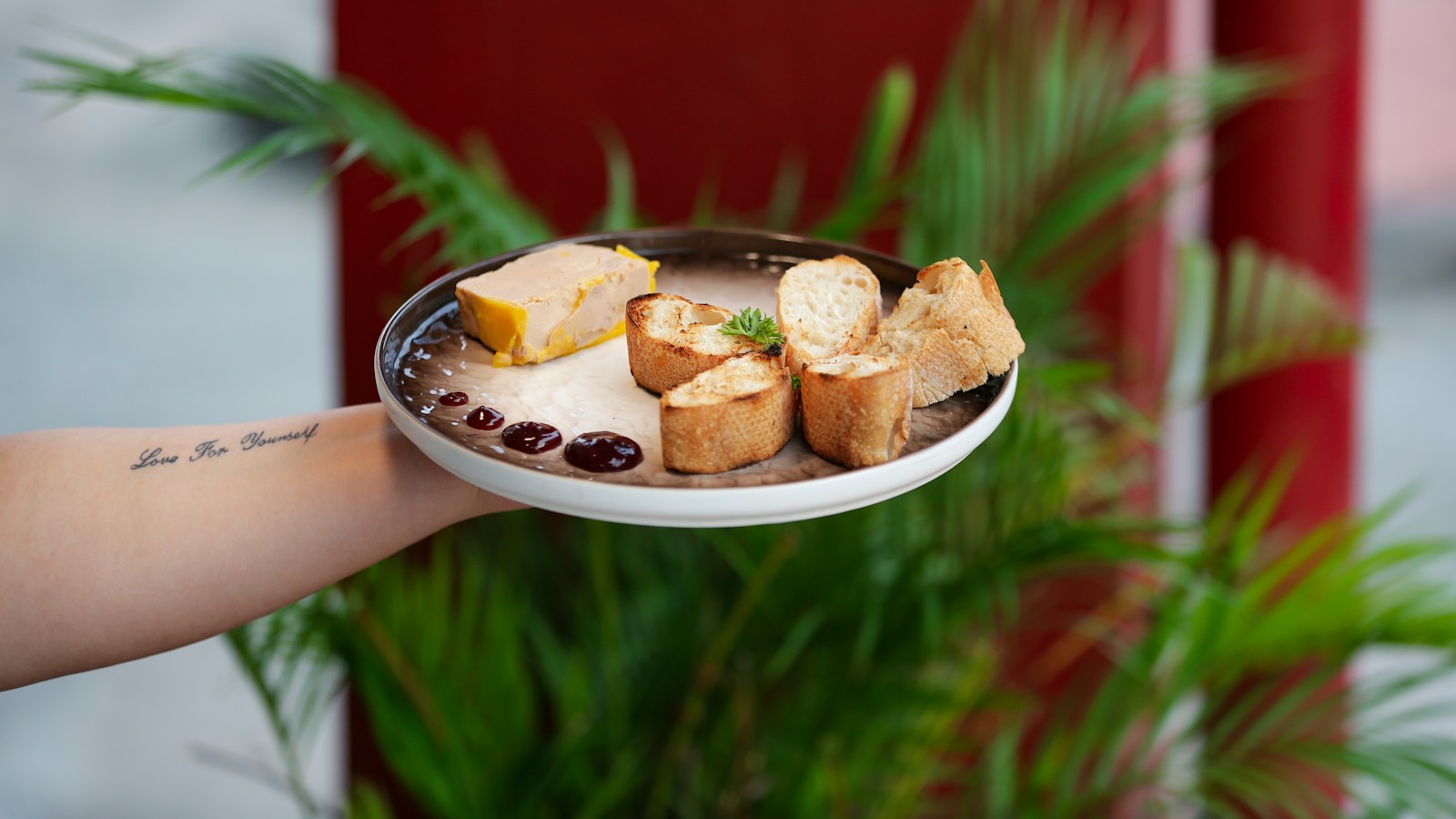
For a ready-to-eat chilled preparation, keep accompaniments simple enough that the rich texture remains recognizable. Toast supplies crunch, while a little fruit or a lightly dressed salad offers contrast. A small portion can make sense as an appetizer; serving it as though it were an ordinary large portion of lean meat ignores its richness.
- Read before heating. A prepared pâté or mousse is not a raw lobe intended for searing.
- Check added ingredients. Some preparations contain alcohol, dairy, or other ingredients relevant to your needs.
- Follow the pack’s cold-storage instructions. A tin or jar is shelf-stable only when the manufacturer says so, and opening changes the storage situation.
- Keep the unused portion protected. Use clean utensils and return perishable products to refrigeration promptly.
- Use a suitable recipe for raw liver. Appearance and restaurant-style doneness are not substitutes for food-safety guidance.
People at increased risk of serious Listeria illness should follow CDC advice to avoid refrigerated pâté and meat spreads; shelf-stable products are a separate category. During pregnancy, NHS guidance also advises avoiding liver and liver products because of their vitamin A content. These are specific reasons to choose another food, rather than trying to make a rich liver preparation into an everyday nutritional recommendation.
Sources
- DGCCRF: Foie gras definitions and label distinctions
- Visit Dordogne Valley: Regional foie gras traditions and serving forms
- Serious Eats: Distinguishing fresh foie gras from prepared pâté
- EFSA: Animal welfare
- CDC: Preventing Listeria infection
- NHS: Foods to avoid during pregnancy

Hi, I’m Laura, the voice behind Tastiva. I’ve always believed that eating well should feel enjoyable, comforting, and realistic—not like another complicated rule to follow. I love creating recipes that fit into everyday life, sharing simple nutrition ideas, and finding small ways to make meals feel a little better without losing the pleasure of good food.