

Lactose free cow’s milk can look and pour just like the carton beside it, which makes the name a little confusing. It is still dairy milk from cows; the change concerns lactose, a natural milk sugar. For many people with lactose intolerance, it offers a familiar way to use milk without the same digestive discomfort. I would compare the label, taste, and your own tolerance before treating one carton as the answer for everyone.
Lactose free means the milk sugar has been addressed. It does not mean dairy free or safe for a milk allergy.
What changes in lactose free cow’s milk

Lactose is a sugar in milk. The enzyme lactase breaks it into simpler sugars, glucose and galactose, so people can digest it. Lactose-free cow’s milk is typically treated with lactase during processing; check the carton for its specific ingredients and claim. The milk proteins remain, which matters if you are comparing it with a plant drink or shopping for someone with a milk allergy.
The FDA draws a clear distinction: lactose-free products are intended for lactose intolerance and generally are not suitable for people allergic to milk. A milk allergy involves immune reactions to milk proteins, not trouble digesting lactose. If you suspect an allergy, do not use a lactose-free label as a workaround; ask a qualified clinician for guidance.
Lactose-free milk may taste a little sweeter than ordinary milk even without added sugar, because lactose has been split into sweeter-tasting components. That is a matter of taste, not proof that sugar was added. Read the Nutrition Facts and ingredient list to compare total and added sugars, protein, calcium, and vitamin D in the cartons you actually buy.
You may see lactose-free milk with different processing and shelf-life claims, including refrigerated and shelf-stable packages. Follow the storage instructions on the exact carton, especially after opening. A shelf-stable unopened box still needs refrigeration once its label says so. If taste is the deciding factor, try a small plain carton first; flavored milk can make it harder to tell whether you like the underlying dairy taste.
Who may find it useful
NIDDK explains that people with lactose intolerance may have symptoms after consuming lactose, and tolerance varies. Some can enjoy modest amounts of ordinary milk, especially with meals; others prefer a lactose-free product. Lactose free cow’s milk is one option among several, including smaller portions of regular dairy. The right choice is personal and may depend on portion size, what else you eat, and how your body responds. A self-diagnosis should not hide persistent or concerning digestive symptoms.
Milk also contributes nutrients such as calcium and, when fortified, vitamin D. NIDDK encourages people avoiding lactose to make sure they get enough of these nutrients. Lactose-free cow’s milk can be one way to keep dairy in the routine, but it is not the only source. Check the carton rather than assuming every product has the same vitamin D or fat content.
If lactose-free yogurt works well for you, that does not automatically tell you how a glass of milk will feel. Serving size and product composition differ. Our lactose-free yogurt guide explains that related choice; here the focus is a pourable cow’s milk for cereal, coffee, baking, or drinking.
How it compares with dairy alternatives
A carton labeled lactose-free cow’s milk is still milk. Almond, soy, oat, and other plant drinks are different products with different ingredient lists and nutrient profiles. Some are fortified, some are sweetened, and protein can vary substantially. Compare the Nutrition Facts panels for the use you have in mind rather than assuming the two cartons are interchangeable nutritionally.
Whole, reduced-fat, low-fat, and fat-free lactose-free cow’s milk can also differ in mouthfeel and saturated fat just as conventional versions do. Choose the kind that fits the meal and your nutrition needs. If you use milk in cooking, lactose-free dairy milk generally behaves much like its ordinary counterpart, though its slightly sweeter flavor may be noticeable in a very simple sauce.
For infants, milk selection needs separate age-specific guidance; a general grocery comparison is not infant-feeding advice. Anyone with a diagnosed allergy, complex medical condition, or a diet requiring strict nutrient targets should check with a healthcare professional. A label can answer what is in the carton, but it cannot diagnose why a person feels unwell after drinking milk.
Choosing a carton and using it well
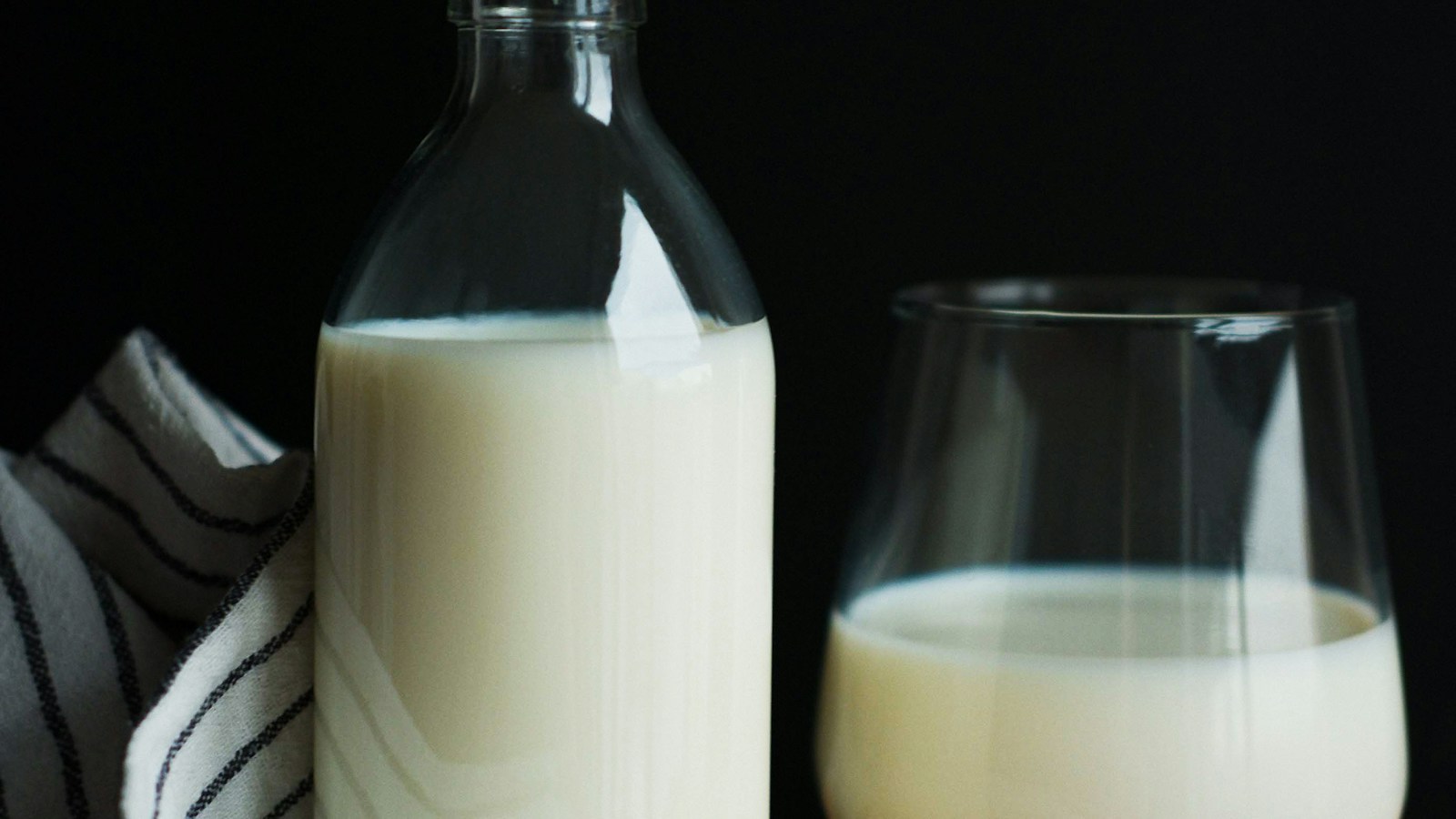
Start with the words on the package: lactose free, cow’s milk, milkfat level, and whether the milk is flavored. Look at the serving size and the Nutrition Facts for added sugars, calcium, vitamin D, and protein. Check the ingredient list if you are curious about the lactase treatment or other additions. The most useful comparison is between the actual brands on your shelf.
Use it in oatmeal, coffee, a smoothie, or a simple glass alongside a meal. If you are testing your tolerance, begin with a portion that feels sensible to you rather than drinking a large amount at once. Keep it refrigerated according to package directions and use it by the date indicated. Lactose free is a processing description, not a promise of unlimited shelf life after opening.
The short answer: lactose free cow’s milk keeps the familiar dairy character while addressing lactose. It may taste a touch sweeter, still contains milk proteins, and can help some people enjoy milk without lactose-related symptoms. I would choose it for a specific need, compare its nutrition label, and keep the allergy distinction clear.
Sources
- NIDDK, Eating, Diet, & Nutrition for Lactose Intolerance
- NIDDK, Definition & Facts for Lactose Intolerance
- FDA, Dairy-Free Products and Milk Allergens
- FDA, How to Understand and Use the Nutrition Facts Label

Hi, I’m Laura, the voice behind Tastiva. I’ve always believed that eating well should feel enjoyable, comforting, and realistic—not like another complicated rule to follow. I love creating recipes that fit into everyday life, sharing simple nutrition ideas, and finding small ways to make meals feel a little better without losing the pleasure of good food.