

What does cottage cheese taste like? I would describe it as mild, lightly tangy, and a little salty, with soft curds in a creamy dressing. The texture is often the bigger surprise: you feel distinct little pieces rather than the smooth spoonful of yogurt. Brand, milkfat, curd size, and the amount of dressing all change that first bite. If you are curious but wary of the texture, there are gentle ways to try it.
Expect a mild dairy flavor and a curdy texture. The tub you choose can make either quality more noticeable.
What does cottage cheese taste like in a plain spoonful?
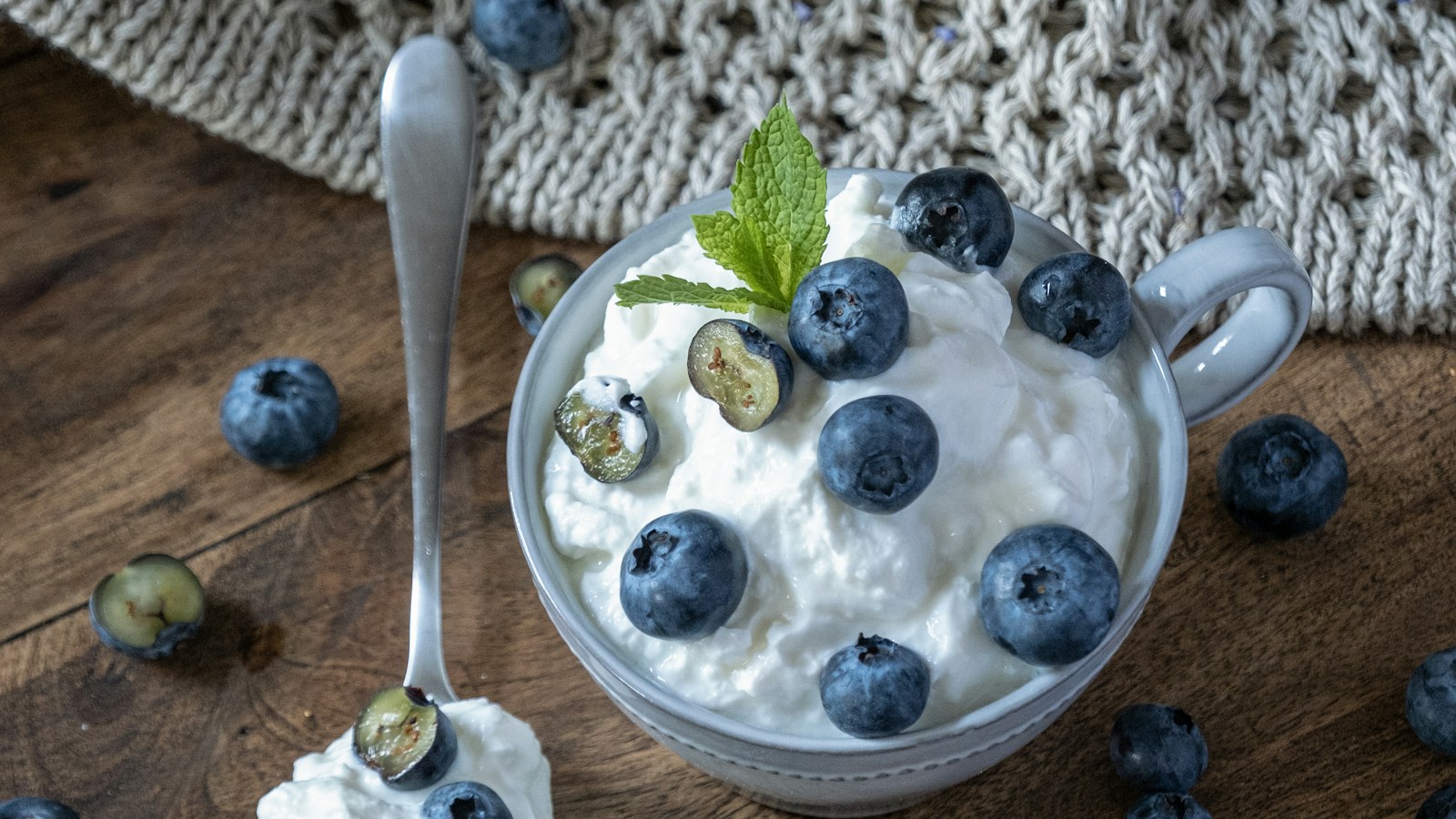
Plain cottage cheese is a fresh, unripened dairy food, so it does not have the sharp, aged flavor of cheddar or the salty punch of feta. Its flavor can suggest fresh milk or cream, a little lactic tang, and salt. Some tubs taste nearly sweet from the milk; others taste more assertively tangy. I would begin with a small taste on its own before deciding what to add.
The USDA describes cottage cheese as soft curds combined with a creaming mixture, while dry curd cottage cheese is a different, less dressed product. That helps explain why a creamy tub can feel mellow and rich while dry curds may seem firmer and more tart. Small-curd and large-curd labels describe the size of the pieces, not a guaranteed flavor difference.
Salt deserves a glance on the label. It can make the cheese taste savory, and sodium levels vary between products. Compare the Nutrition Facts panels if that matters to you. A fruit-added version will taste different from plain, of course; check its added sugars if you want to understand what the flavoring brings along.
Why the texture divides people
The curds are soft but distinct, suspended in a moist dressing. Depending on the tub, a spoonful may feel chunky, loose, or fairly thick. USDA specifications call for fairly uniform curd particles and a creamy coating in creamed cottage cheese. A pool of thin liquid or a very dry mound can make two otherwise similar products feel quite different.
If you dislike lumps, try a small-curd version first, or blend plain cottage cheese until smooth. What does cottage cheese taste like when blended? Its mild dairy flavor remains, but the curds disappear. That smooth texture can make it more approachable. The result can work as a spread or dip with herbs and lemon, or as a creamy base for a fruit bowl. It will still taste like the cottage cheese you started with, so choose a tub whose flavor you enjoy.
Ricotta is a useful comparison because both can look pale and spoonable, yet ricotta is generally finer and more uniform on the tongue. Greek yogurt is smoother and often noticeably tangier. Cottage cheese sits in its own place: fresh-tasting, curdy, and usually gently savory. These are comparisons, not exact swaps in every recipe.
A first taste that makes sense
I would start with plain cottage cheese and one topping you already like. Spoon a little onto toast with cucumber and black pepper, or add berries if a sweet contrast sounds better. The pairing should let you notice the cheese, not bury it. If the first tub seems too salty or too wet, another curd size or milkfat level may suit you better.
For a savory bowl, chopped tomatoes and herbs give freshness against the creamy curds. For something sweeter, fruit and cinnamon work without turning the cheese into dessert. A drizzle of honey is optional; taste the fruit and cheese together first. Keep any mix-ins separate until serving if you want to preserve their texture.
There is no need to force a food you do not enjoy. But one odd spoonful from one brand is a narrow test of a product whose curds, cream, and salt vary. If you like the taste but not the texture, blending is a practical second try. If you like the texture but want more flavor, a little pepper, fruit, or herbs may be enough.
Choosing and storing a tub
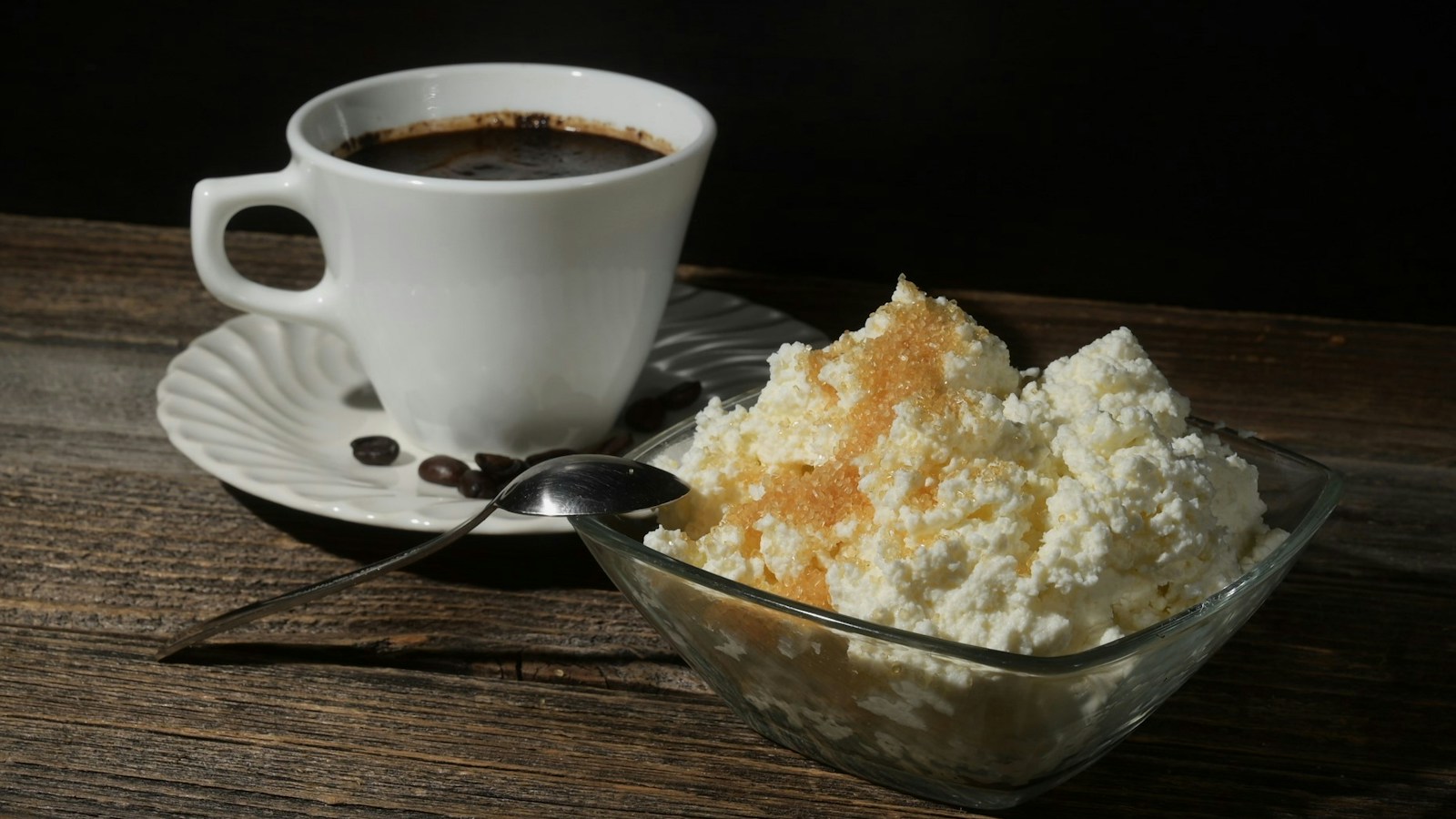
Read the front label for curd size and milkfat, then the ingredient list and Nutrition Facts for the details that matter to you. Regular, lowfat, and dry-curd products are not identical in mouthfeel. Our low-fat cheese guide gives more context for comparing dairy labels. To answer ‘what does cottage cheese taste like?’ for yourself, a plain variety gives you the clearest starting point, while flavored varieties reflect their mix-ins.
Cottage cheese is a refrigerated dairy food. Keep it cold, use clean utensils, follow the package date and storage directions, and discard it if it develops off odors, visible mold, or other signs of spoilage. A naturally tangy flavor is one thing; an unexpectedly unpleasant or bitter taste is another. FDA food-safety guidance recommends keeping the refrigerator at 40°F or below.
If you are buying it for a particular dish, think about the texture you want before reaching for the tub. A thick small-curd cheese can sit on toast without running off the edge. A looser one can be pleasant stirred into a bowl, though it may add more moisture to a recipe. For a smooth sauce, blending first gives you more control. Taste after seasoning, since cottage cheese may already carry enough salt.
So what does cottage cheese taste like? Mild milkiness, gentle tang, and a little salt are the simplest answer, but the curds and dressing shape the experience just as much. I would choose a small plain tub, taste it cold, then decide whether its texture calls for a topping, a different brand, or a quick blend.
Sources
- USDA Agricultural Marketing Service, Cottage Cheese Purchase Description
- USDA Agricultural Marketing Service, Specifications for Cottage Cheese
- FDA, Sodium in Your Diet
- FDA, Are You Storing Food Safely?

Hi, I’m Laura, the voice behind Tastiva. I’ve always believed that eating well should feel enjoyable, comforting, and realistic—not like another complicated rule to follow. I love creating recipes that fit into everyday life, sharing simple nutrition ideas, and finding small ways to make meals feel a little better without losing the pleasure of good food.