
Lemon verbena is an herb whose leaves smell vividly of lemon when brushed or crushed. It is lovely in a simple infusion, but it can also scent fruit, syrup, and a light dessert without adding lemon juice’s acidity. I would buy a small bunch or grow a plant for the aroma, then use the leaves thoughtfully. The name matters: lemon verbena is not the same plant as common vervain or a lemon-flavored tea blend.
Use the fragrant leaves for a lemony aroma, then taste the food. Lemon verbena adds scent and flavor rather than the tartness of lemon juice.
What lemon verbena is
The culinary plant is Aloysia citrodora, also listed under synonyms such as Aloysia citriodora. The Royal Horticultural Society describes a shrub with narrow, strongly lemon-scented leaves. Penn State Extension calls its aroma especially bright among lemon-scented herbs. Check a plant label or a food-grade herb package rather than assuming every plant sold as verbena is the same edible herb.
Fresh leaves can scent a cup of hot water, a pitcher of chilled water, or sugar for a dessert. University of Minnesota Extension lists the flowers and leaves as culinary ingredients for tea and lemon syrup. The leaves are usually infused and removed, though finely chopped tender leaves can be used in small amounts where their texture suits the dish.
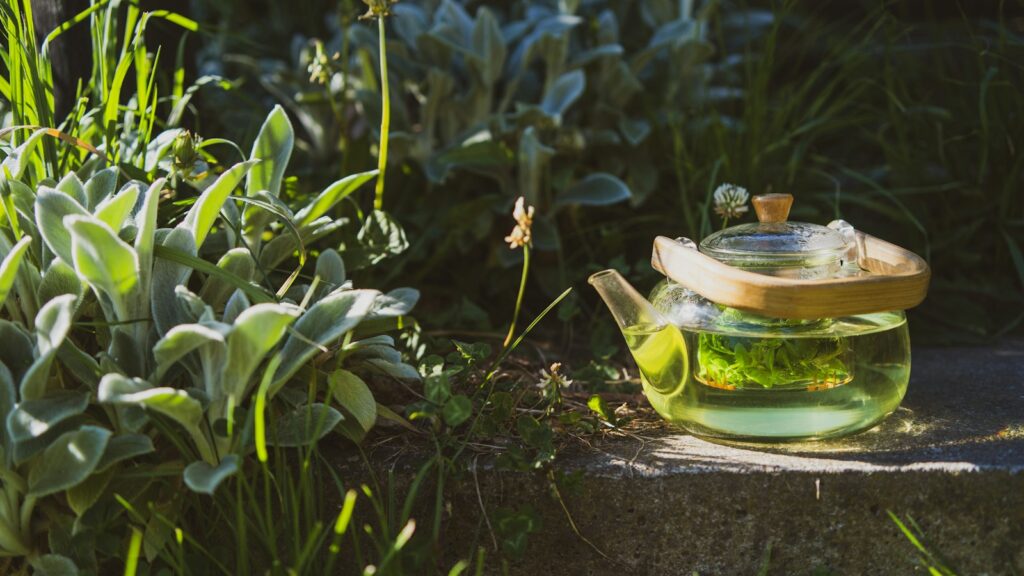
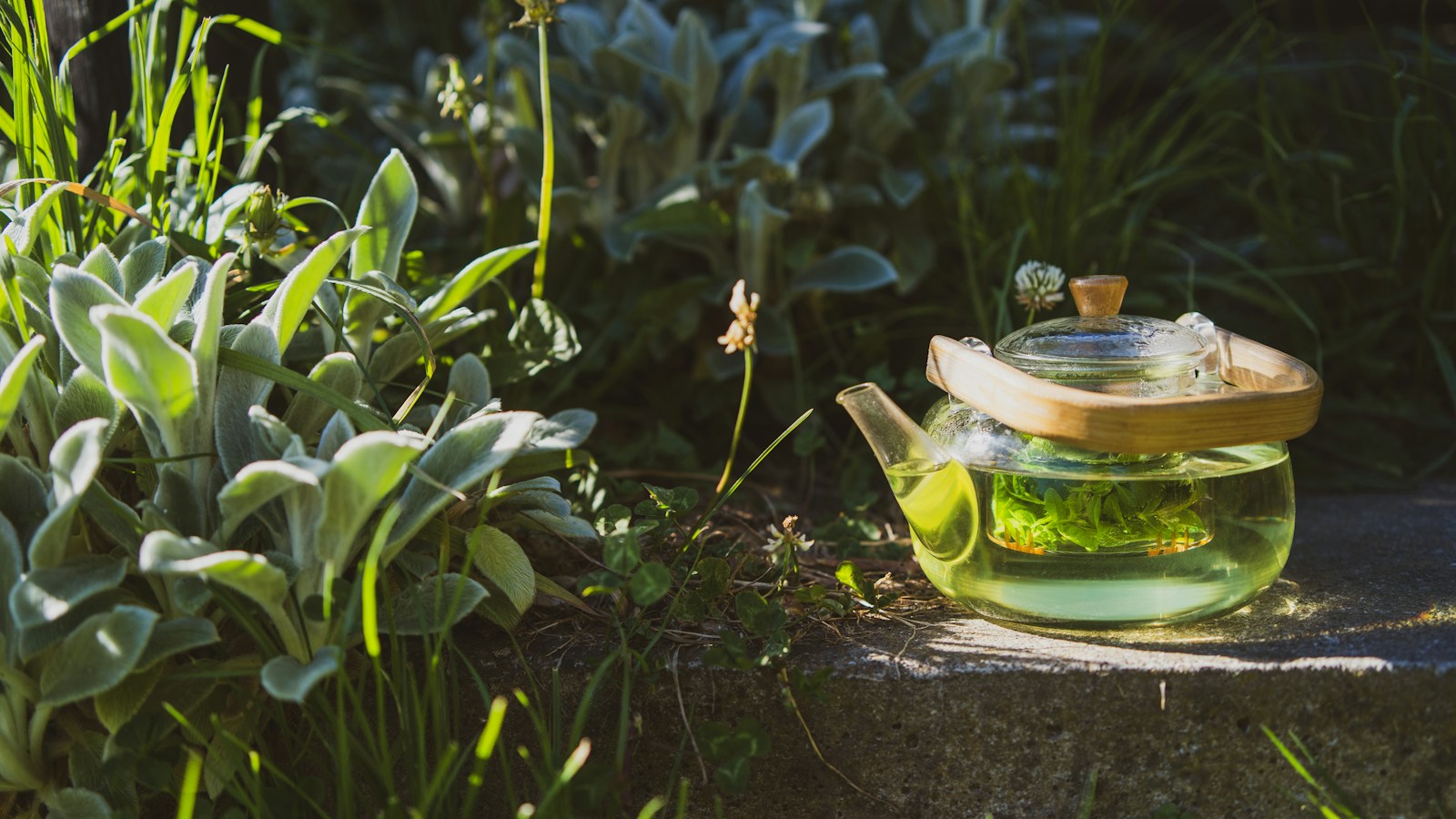
The tea photo shows an herbal infusion, not a verified lemon verbena plant. That distinction matters when a leaf is hard to identify by eye. Use an accurately labeled food ingredient, especially if gathering plants from a garden. A pleasant lemon smell alone is not enough to confirm a species.
Flavor without lemon’s acidity
Lemon verbena gives a clean citrus fragrance that can feel sweeter and greener than lemon peel. It does not bring the same sourness as squeezed lemon juice. If a recipe relies on acid for flavor balance or for a technical purpose, verbena cannot simply replace the juice. Think of it as an aromatic herb, like a gentler way to perfume a bowl.
Penn State Extension suggests adding the leaves to summer tea or infusing them. I would start with a few rinsed leaves in hot water, taste after a short steep, and adjust to the strength of the leaves you have. Different dried and fresh products can be stronger or weaker. There is no reason to promise a fixed brew time will taste identical for every batch.
For fruit, tuck a couple of leaves into a bowl of sliced peaches or berries, then remove before serving if you prefer a smooth bite. A lightly scented syrup can be useful over yogurt or a simple cake. Taste the syrup before adding extra lemon juice; together they can be lovely, but they contribute different things.
Buying, growing, and keeping the leaves
Choose clean, fragrant fresh leaves without obvious decay, or a labeled dried culinary product. An herb garden plant may lose leaves seasonally; the RHS describes lemon verbena as a deciduous sub-shrub in many conditions. Follow local growing advice for your climate rather than assuming a warm-weather herb will survive every winter outdoors.
Rinse fresh leaves before using them in food. Keep a bunch as your supplier recommends, protected from crushing and excessive moisture, and use it while the scent is lively. For dried leaves, close the container tightly and keep it away from heat and steam. If the aroma has faded, an infusion may taste like little more than warm water.
If you are making syrup, use a tested recipe for storage rather than assuming a sweet liquid infused with leaves is shelf-stable. Refrigerate fresh preparations promptly. A culinary herb can be simple in a cup and still require ordinary food handling. For another aromatic tea, our oolong guide covers a very different leaf and its caffeine.
A few easy ways to enjoy it

Try a plain herbal infusion first so you can learn the scent. You can then pair it with actual lemon, fruit, or a little honey if you like. The pictured cup with a lemon slice illustrates the pairing; it does not identify the tea as verbena. If you want a cold drink, brew, cool, and refrigerate it rather than leaving a pitcher out all day.
A few leaves can also infuse milk or cream for a custard, or flavor sugar for shortbread. Strain them before serving if a silky texture is the goal. Start small because an assertive herb can take over a delicate dessert. If you are cooking for someone with a particular medical concern, ask their clinician about concentrated herbal products; a culinary cup is not a treatment claim.
If you see lemon verbena listed in a commercial tea, read the rest of the blend. Other herbs, fruit pieces, or actual tea leaves can change the flavor and may change whether it contains caffeine. A plain infusion made only from lemon verbena leaves is a different drink from a blend with black tea. The package gives a more reliable answer than the word ‘verbena’ on its own. Start with the version that fits the cup you want.
Lemon verbena earns its place through aroma. Buy the correctly identified herb, taste it in a simple infusion, and use the lemony scent where it complements the dish. Keep lemon juice for tartness, and let the leaves provide their own gentle character.
Sources
- Penn State Extension, Lemon-Scented Herbs in the Garden and Kitchen
- Royal Horticultural Society, Aloysia citrodora
- University of Minnesota Extension, Edible Flowers
- FDA, Selecting and Serving Produce Safely

Hi, I’m Laura, the voice behind Tastiva. I’ve always believed that eating well should feel enjoyable, comforting, and realistic—not like another complicated rule to follow. I love creating recipes that fit into everyday life, sharing simple nutrition ideas, and finding small ways to make meals feel a little better without losing the pleasure of good food.