
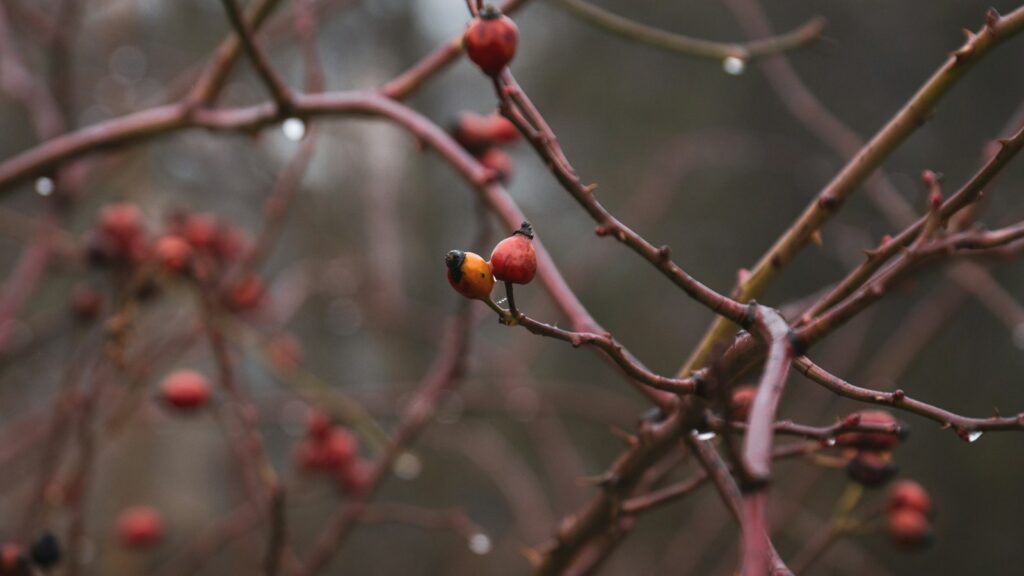
Rose hips are the small fruits that develop after a rose’s petals fall. In autumn they can glow red or orange along a hedge, and in a pantry they may appear dried for tea. I would approach them as a tart, seedy fruit that needs careful preparation, not as a miracle ingredient. A labeled culinary product is the easiest first taste; foraging calls for confident identification and a clean, unsprayed source.
The colorful outer flesh is the part to use. Remove or carefully strain the seeds and irritating hairs before serving a homemade preparation.
What rose hips are and how they taste
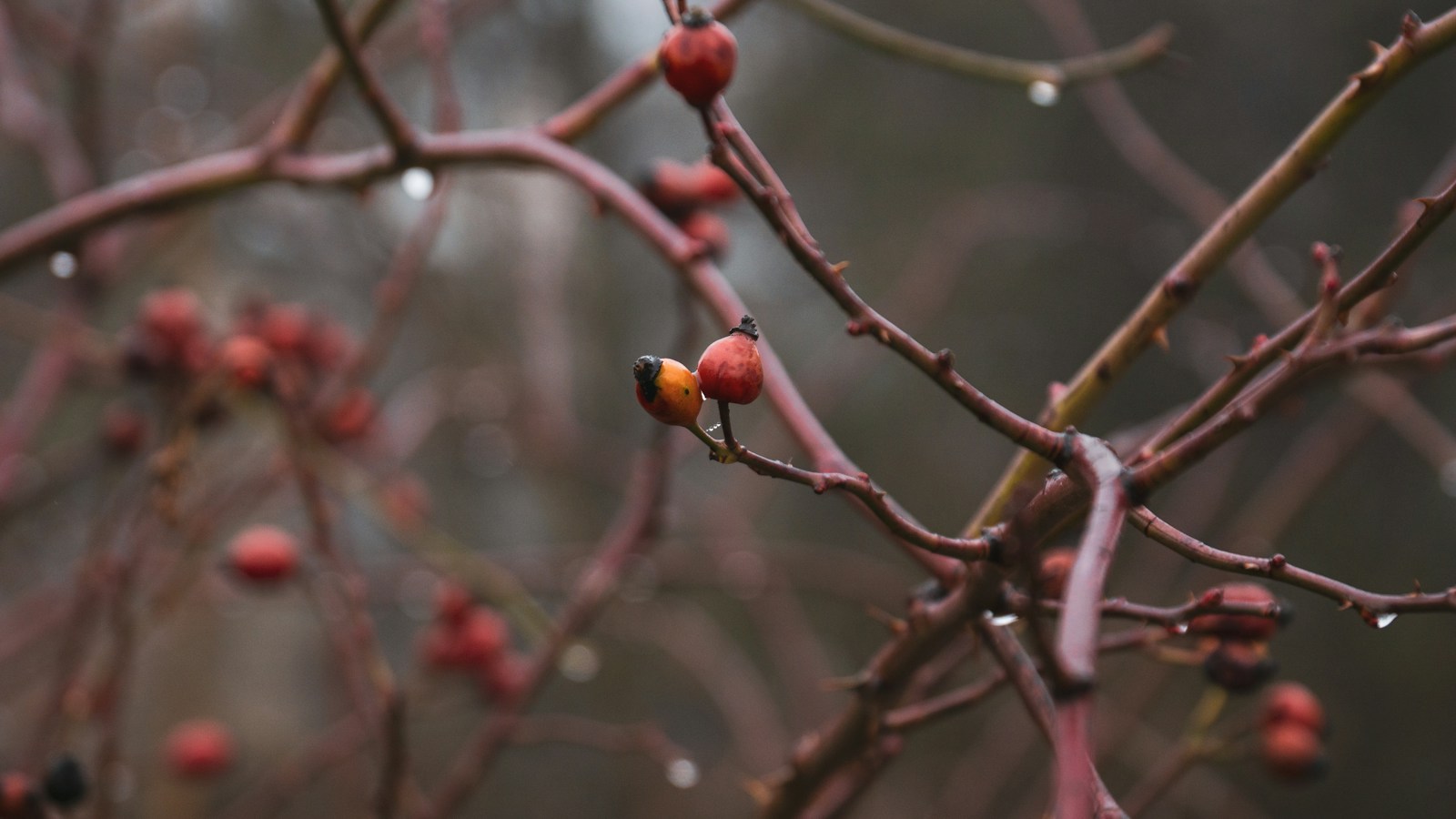
A rose hip is the fruit-like structure left behind after a rose flower is pollinated. Species and growing conditions affect size and color. The Royal Horticultural Society lists hips from several Rosa species among edible hedgerow fruits, and notes that the large hips of Rosa rugosa are especially useful for tea. A photograph can show the general shape, but it cannot identify every rose on a walk.
Prepared rose hips have a gently tart, fruity character that can lean floral. A commercial tea blend may taste of hibiscus, apple, or added flavoring as much as rose hip, so read the ingredients. I would try a plain dried product first to learn its own flavor, then decide whether to pair it with something sweeter.
Fresh hips contain seeds and fine hairs that can irritate. Oregon State University Extension notes that the seeds beneath the skin of Nootka rose hips are not eaten and can be irritating. This is why a well-strained infusion or carefully prepared pulp is more welcoming than biting into a whole hip picked from a hedge.
Choosing a safe source
If buying dried rose hips, choose a food-grade product from a seller that identifies the ingredient and provides storage directions. Ornamental flowers from a florist are not automatically grown for eating. If gathering from a garden or hedgerow, identify the plant, confirm that it has not been treated with pesticides unsuitable for food, and avoid polluted roadsides.
RHS recommends washing hedgerow fruit before use. Pick sound, colorful hips and leave moldy or damaged fruit behind. Do not take an entire patch that wildlife may use for food. For a first kitchen experiment, a packaged dried rose hip is simpler than guessing whether an unfamiliar wild fruit is suitable.
The fruit’s color alone does not tell you its species or whether it was treated. Even with a known edible rose, handling matters because of the seed hairs. If you are uncertain, skip the foraged fruit and buy a prepared culinary tea. This is a food-sourcing decision, not a test of bravery.
Making an uncomplicated cup of tea
Oregon State University Extension includes rose petals and hips among ingredients for a garden herbal tea and suggests using a tea strainer, filter, or empty tea bag. Use food-grade dried hips, follow the package’s quantity guidance, steep in hot water, and strain well. Taste before sweetening; a little honey may soften the tartness if you want it.
A plain rose hip infusion is an herbal drink rather than tea from Camellia sinensis leaves. A blend with black or green tea can contain caffeine, so the package ingredients answer that question. Our oolong tea guide covers a true tea leaf if you are comparing cups.
Do not treat a cup as a dose of vitamin C or a treatment for illness. Nutrient content can vary with species, drying, storage, and preparation. A pleasant tart drink is enough reason to enjoy it. If you need advice about supplements or a medical condition, that belongs with a clinician.
Other uses and careful storage
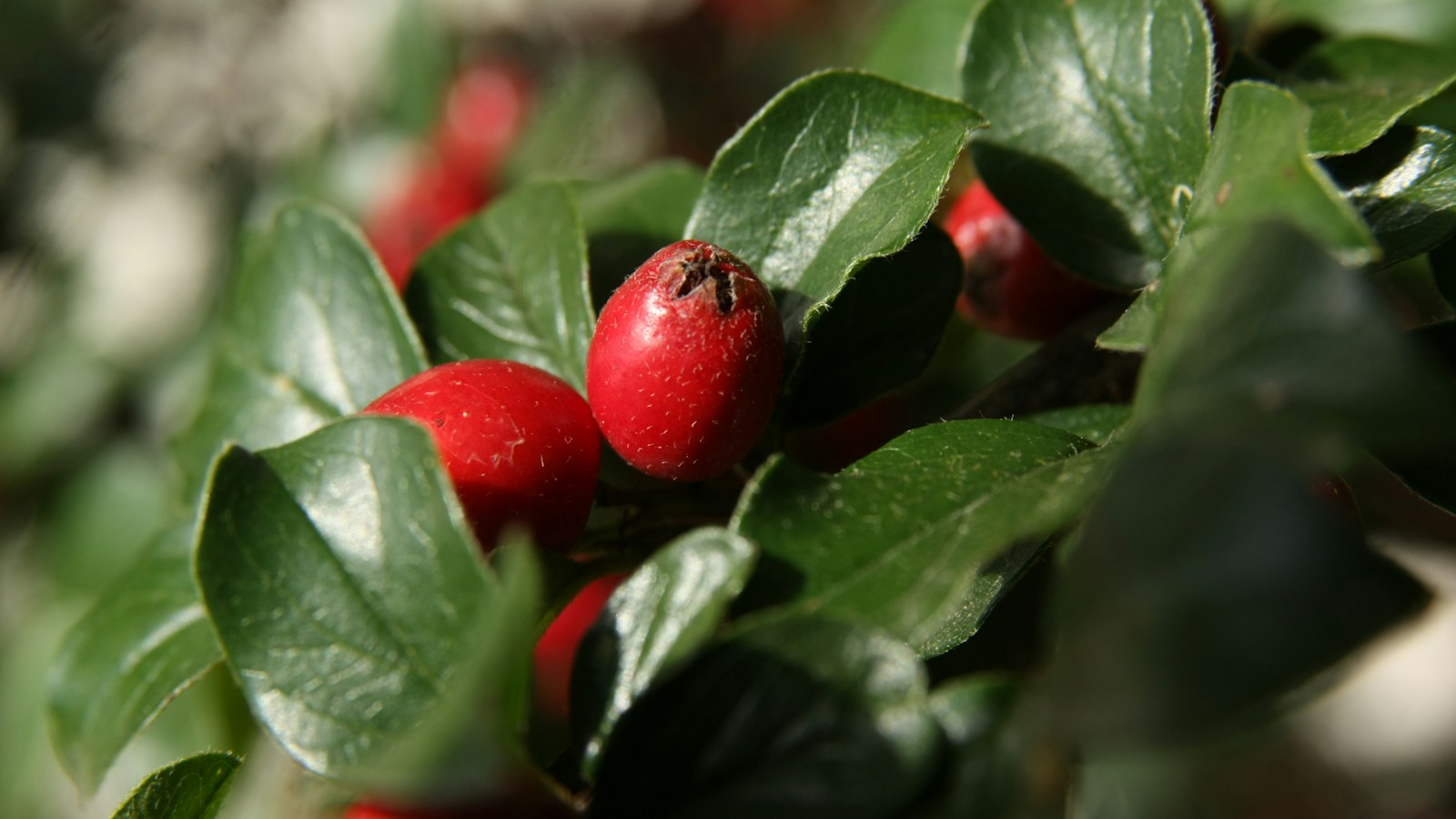
Rose hip pulp can go into jam or syrup, but the seeds and hairs need removing and shelf-stable preservation needs a tested recipe. Do not improvise a canning process from a tea method. A commercial jam provides an easy way to taste the fruit without doing that labor yourself. Check the ingredient list for added sugar if that matters to you.
Keep dried hips sealed in a cool, dry cupboard according to the package. Fresh fruit should be prepared promptly and kept clean; refrigerate any fresh prepared pulp or brewed tea rather than leaving it at room temperature. Discard anything moldy or off-smelling. Ordinary food handling still applies to a romantic hedgerow ingredient.
For a cooler drink, brew and strain the infusion first, let it cool promptly, then refrigerate it in a covered container. Add a squeeze of citrus or a few berries only if you like the flavor; the rose hip itself is already pleasantly tangy. I would begin with a modest cup because brands and blends vary. Read the package before giving an herbal blend to someone with an allergy or special dietary needs, and remember that a colorful cup is still just one small part of an everyday eating pattern.
Rose hips bring color and tartness to the kitchen, but they reward care. Choose a known food source, strain the seeds and hairs, and taste a simple infusion before making a syrup. That small cup tells you more about whether you enjoy them than a long list of health claims.
Sources
- Royal Horticultural Society, Foraging Hedgerow Fruit
- RHS, Grow Your Own Fresh Herbal Teas
- Oregon State University Extension, Garden Herbal Tea
- OSU Extension, Native Plant Profile: Nootka Rose

Hi, I’m Laura, the voice behind Tastiva. I’ve always believed that eating well should feel enjoyable, comforting, and realistic—not like another complicated rule to follow. I love creating recipes that fit into everyday life, sharing simple nutrition ideas, and finding small ways to make meals feel a little better without losing the pleasure of good food.