
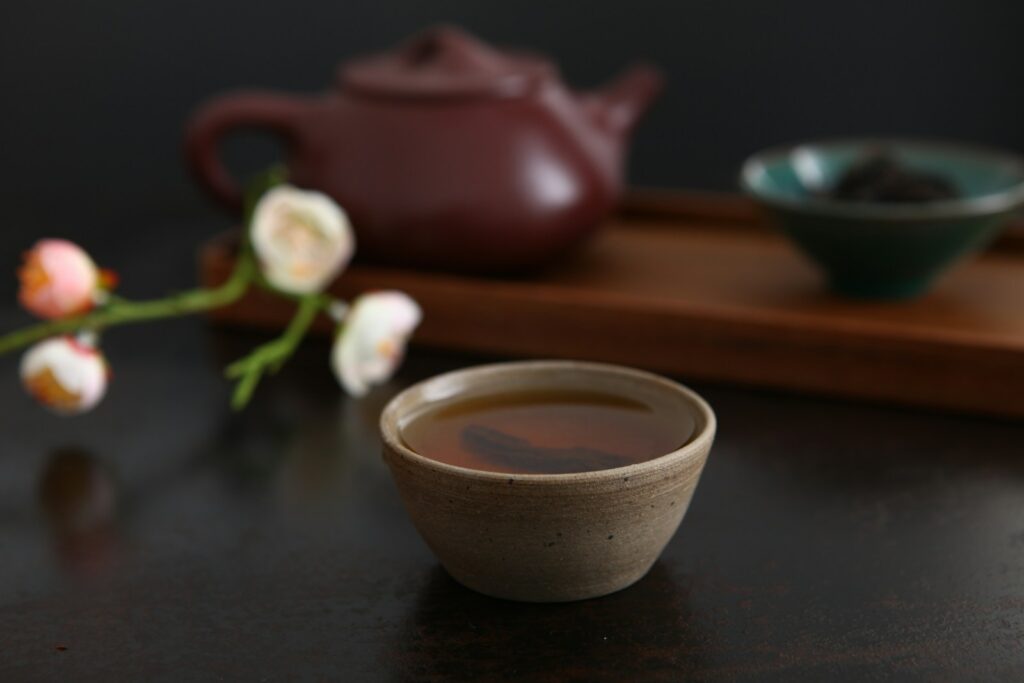
Oolong tea is a traditional true tea made from Camellia sinensis, the same plant used for green, black, and white tea. What makes it different is the way the leaves are handled after harvest: oolong is partially oxidized, so its flavor can land anywhere between fresh and floral and deep and toasty. It contains caffeine, but the amount varies with the leaf, serving size, water temperature, and steeping time.
Oolong sits between green and black tea in processing, but in the cup it can range from spring flowers to toasted fruit.
What oolong tea actually is
The word “oolong” describes a broad family rather than one fixed flavor. Some leaves are lightly oxidized and rolled into tight green pearls; others are more deeply oxidized, long, dark, and roasted. That is why two packages labeled oolong may taste as different as a crisp orchid-scented tea and a warm cup with honey, stone-fruit, or toasted-grain notes.
Oxidation is the browning reaction that begins after tea leaves are bruised or rolled and exposed to air. Producers stop it with heat at the point that suits the style they are making. Oolong is not an herbal tea, and it is not automatically “stronger” or “healthier” than green or black tea. It is simply another expression of the same tea plant.
Caffeine, polyphenols, and realistic benefits
Because oolong is true tea, it naturally provides caffeine and plant compounds called polyphenols. The exact caffeine content is hard to predict from the color of the brewed tea alone. A larger scoop, hotter water, longer steep, or multiple strong infusions can all change the total, so anyone who is sensitive to caffeine should start with a modest cup and pay attention to sleep, jitters, and digestion.
Tea is often wrapped in dramatic wellness language, but I would keep the promise smaller and more useful: unsweetened oolong can be an enjoyable beverage with little or no added sugar, and its caffeine may improve alertness. Research on tea and long-term disease outcomes is still mixed, and tea has not earned a magic-pass label for weight loss. If you are tracking caffeine, count oolong alongside coffee, soda, energy drinks, chocolate, and medications—not in its own innocent little corner.
The FDA cites 400 milligrams of caffeine per day as an amount not generally associated with negative effects for most adults, while emphasizing that sensitivity varies. Pregnancy, certain medications, heart rhythm concerns, anxiety, and sleep trouble can change what feels comfortable, so personal medical advice belongs with a clinician.
What does oolong tea taste like?
The easiest answer is: it depends beautifully. Light oolongs can smell like lilac, gardenia, fresh cream, melon, or snapped green stems. Darker and roasted styles may lean toward apricot, caramel, wood, cocoa, baked grain, or charcoal. Good oolong should not need sugar to hide harshness, although there is nothing wrong with adding a little milk or sweetener if that is how you enjoy tea.
For a first bag, look for a plain oolong with the growing region and style named on the package. Tieguanyin is often floral; Wuyi rock teas are usually darker and mineral; Taiwanese high-mountain oolongs tend to be fragrant and smooth. Flavor descriptions are guides, not guarantees—tea is pleasantly stubborn that way.
If you already enjoy the grassy character of matcha, our guides to matcha benefits and whether matcha has caffeine make useful comparisons. Oolong usually tastes less vegetal than matcha because it is brewed from whole leaves and processed differently.
How to brew oolong without making it bitter
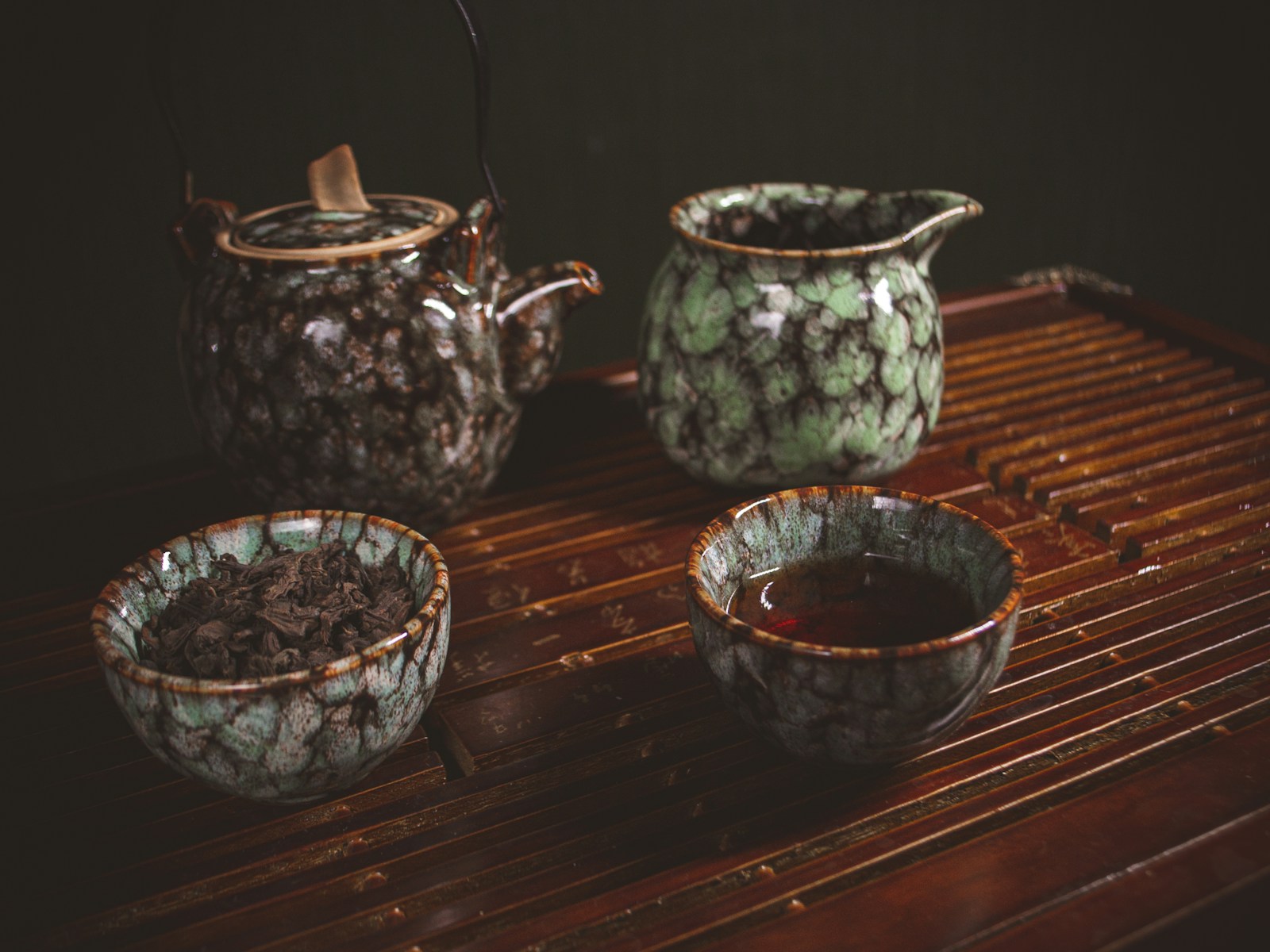
Start with the package directions because tightly rolled leaves and open, twisted leaves behave differently. A practical everyday method is about 1 teaspoon of loose tea per 8 ounces of water, using water below a full rolling boil for delicate styles and hotter water for darker roasted oolongs. Steep for roughly 2 to 4 minutes, taste, and adjust the next cup rather than treating the timer like a courtroom verdict.
- Give the leaves room to unfurl in a basket infuser or teapot.
- Use fresh water and warm the mug or pot first.
- Shorten the steep if the cup tastes drying or bitter.
- Add more leaf—not endless minutes—when the flavor seems thin.
- Re-steep quality leaves; many oolongs open up over two or three infusions.
Store loose tea in an airtight container away from heat, moisture, light, coffee, and strong spices. Buy an amount you can reasonably finish while the aroma still feels lively. My favorite practical rule is to smell the dry leaves before brewing: if the fragrance has gone flat, the cup usually follows.
Sources
- National Center for Complementary and Integrative Health: Tea
- U.S. Food and Drug Administration: Spilling the Beans—How Much Caffeine Is Too Much?
- USDA FoodData Central

Hi, I’m Laura, the voice behind Tastiva. I’ve always believed that eating well should feel enjoyable, comforting, and realistic—not like another complicated rule to follow. I love creating recipes that fit into everyday life, sharing simple nutrition ideas, and finding small ways to make meals feel a little better without losing the pleasure of good food.