
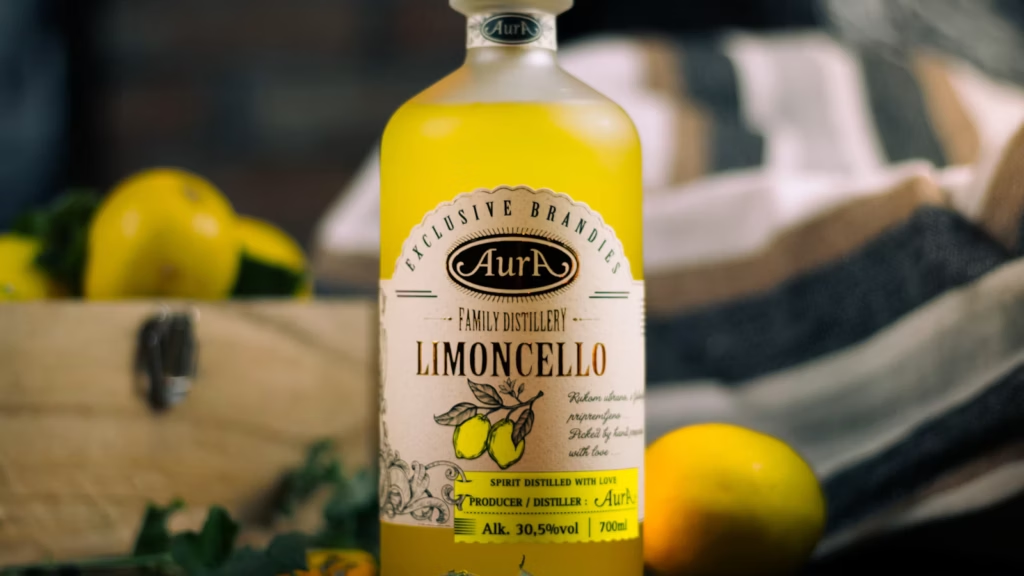
Homemade limoncello is a sunny Italian-style lemon liqueur made by steeping the yellow part of fresh lemon peel in high-proof vodka, then blending that fragrant infusion with cooled sugar syrup. The ingredient list is tiny, but the details matter: clean unwaxed fruit, almost no white pith, a dark resting place, and enough patience for the citrus oils to move into the alcohol. Get those right and the finished bottle tastes bright and silky rather than harsh, syrupy, or bitter.
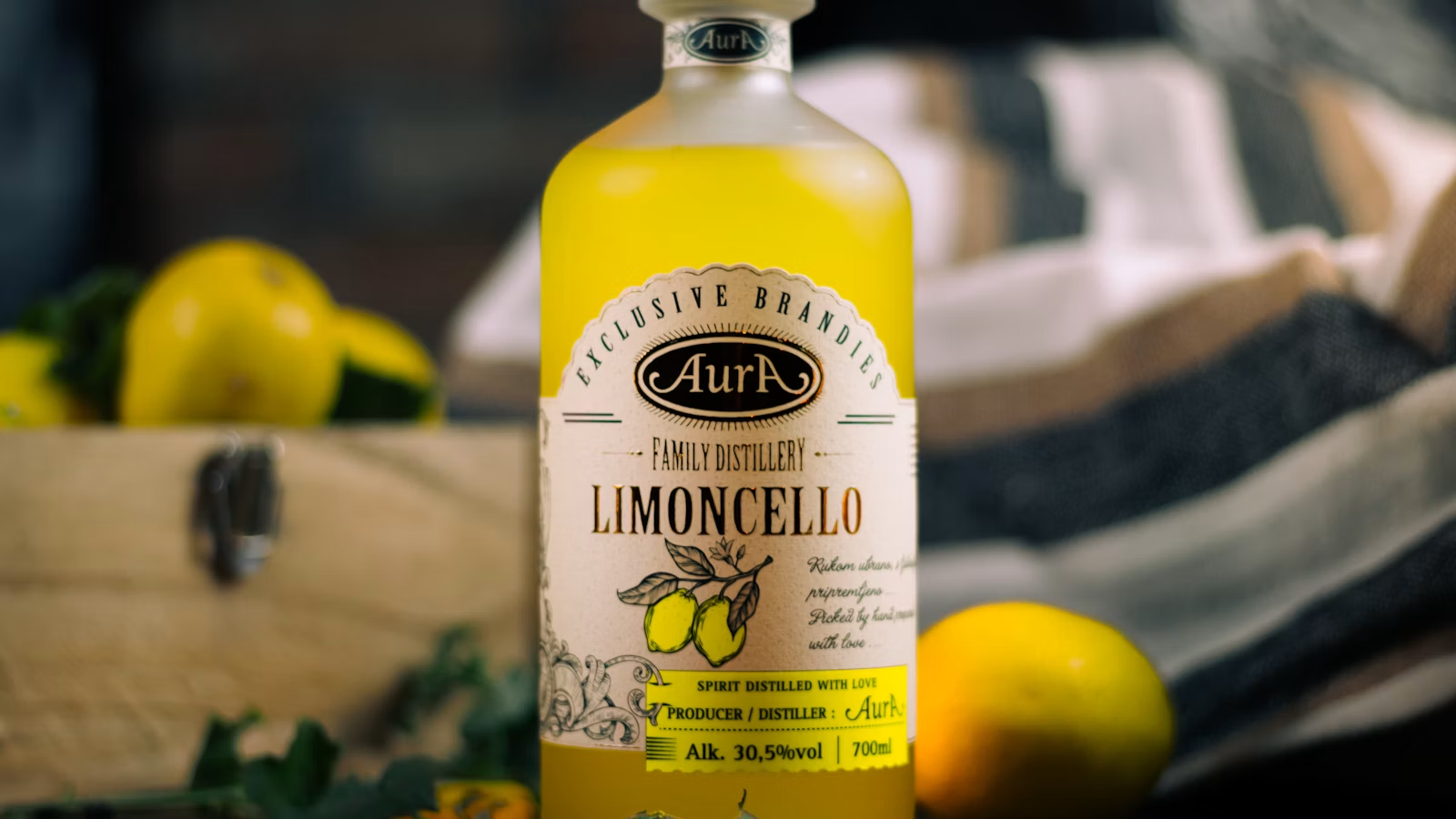
For clean limoncello flavor, peel thinly, infuse patiently, and keep every scrap of bitter white pith out of the jar.
What limoncello is—and what it is not
Limoncello is associated with southern Italy, especially the Sorrentine Peninsula, the Amalfi Coast, and Capri. La Cucina Italiana describes the classic method plainly: untreated lemon peels macerate in alcohol, then the strained infusion is mixed with sugar syrup. The juice is not the point. This liqueur extracts the aromatic oils held in the colored zest, which is why it smells intensely lemony without tasting like lemonade.
This version uses 100-proof vodka because it is widely sold as beverage alcohol and has enough strength to pull citrus oils efficiently. Please use only alcohol intended for drinking—never rubbing alcohol, denatured alcohol, or another non-food product. With the syrup ratio below, the finished drink lands at roughly 30% alcohol by volume, although the exact number varies with the final volume. If you are comparing calories between pours, our guide to lower-calorie alcohol choices explains why both ethanol and added sugar count.
Choose lemons for their peel, not their juice
Look for firm, fragrant, unwaxed lemons with deeply colored skins. Organic is useful when available, but “organic” does not mean unwashed. The FDA recommends rinsing produce under plain running water and rubbing the surface; soap and commercial produce wash are not recommended. Dry the lemons completely before peeling because stray water weakens the infusion.
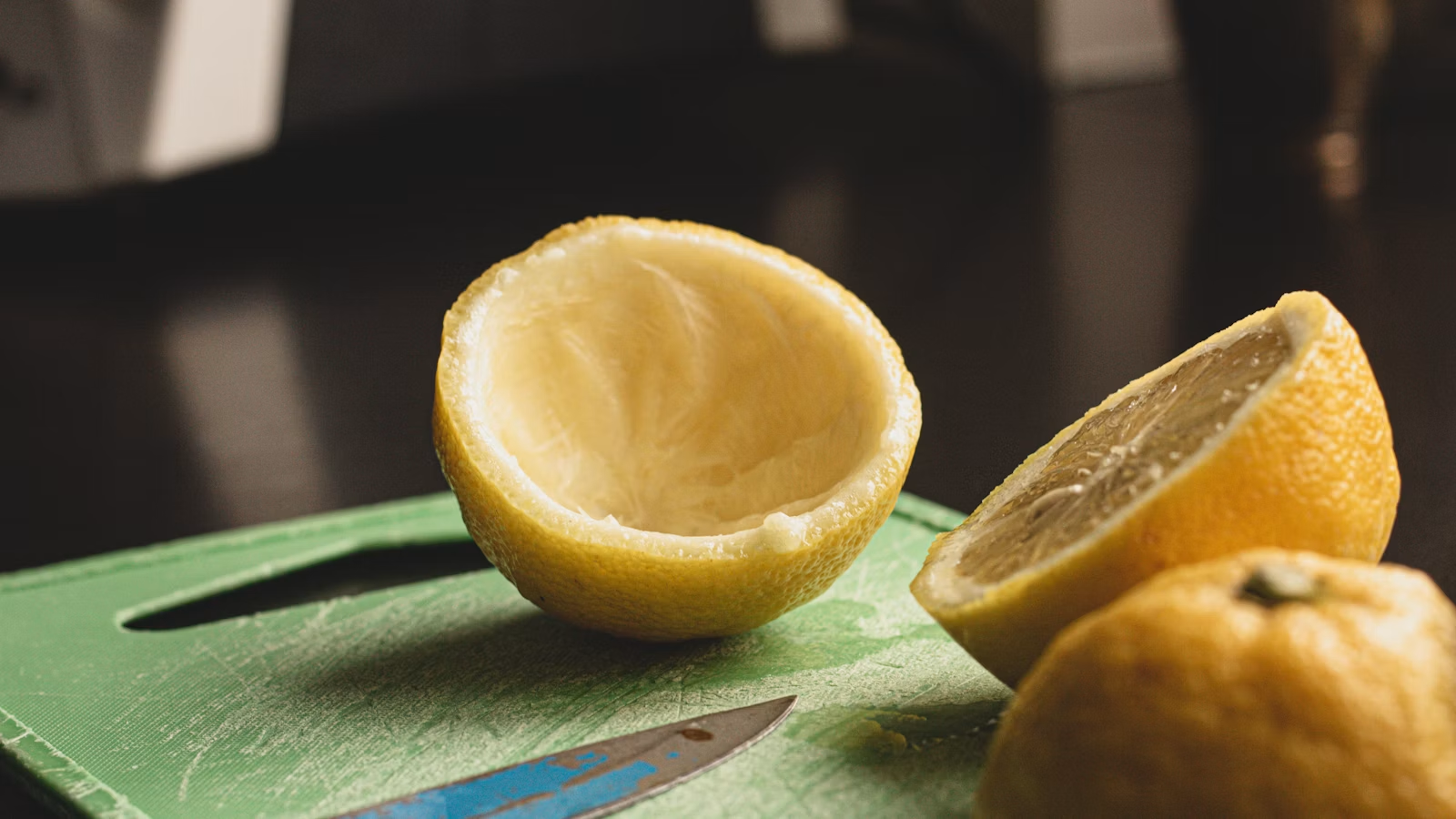
A vegetable peeler gives broad, thin strips that are easy to strain. Take only the yellow layer. If a strip carries a thick white underside, shave it away with a paring knife. That white pith contains bitter compounds that become more obvious during a long soak. The peeled fruit is still useful: squeeze it for vinaigrette, freeze the juice in small portions, or borrow an idea from our lemon water guide instead of letting eight naked lemons quietly expire in the refrigerator.
Let time do the extraction
Seal the peel and vodka in a clean glass jar, then keep it in a cool, dark cupboard. Light and heat do not improve this process. A gentle daily swirl is enough; vigorous shaking mostly gives the jar a workout. After seven days, the vodka should be brilliant yellow, the peels noticeably pale, and the aroma immediate when you open the lid.
Seven days gives a clean, lively infusion. You can leave it up to fourteen days for more intensity, tasting a drop after the first week. More time is not automatically better: if too much pith slipped in, a longer soak can make that bitterness louder. Strain when the lemon character feels full and the alcohol no longer smells plain.
Cool the syrup before it meets the vodka
Warm equal volumes of sugar and water only until the crystals dissolve, then cool the syrup completely. Adding hot syrup drives off aroma and makes judging the balance difficult. When the cool syrup hits the lemon infusion, the liquid may turn softly cloudy. That is not a mistake; dilution releases dissolved citrus oils, creating the familiar louche effect seen in other oil-rich spirits.
I like the measured ratio in the recipe because it stays bright while rounding the alcohol. For a drier bottle, hold back one cup of syrup, mix, taste a well-chilled teaspoon, then add more gradually. Remember that warmth exaggerates alcohol and cold softens sweetness, so judge limoncello at the temperature you plan to serve it.
Limoncello Recipe

Ingredients
- 8 medium unwaxed lemons fresh, firm, and thoroughly washed
- 1 750 ml bottle 100-proof vodka 50% ABV; use only legally sold beverage alcohol
- 1 1/2 cups granulated sugar about 300 g
- 1 1/2 cups water
Equipment
- 1 2-quart glass jar with a tight-fitting lid
- 1 vegetable peeler or sharp paring knife
- 1 fine-mesh strainer plus a coffee filter for extra clarity, optional
Instructions
- Rinse the lemons under plain running water, rubbing the skins well. Dry completely so no water dilutes the alcohol infusion.
- Use a vegetable peeler to take off thin strips of yellow zest. Trim away any thick white pith with a paring knife; pith makes the liqueur bitter.
- Put the peels in a clean 2-quart glass jar and pour in the vodka. Seal tightly and store in a cool, dark cupboard for 7 days. Swirl the jar gently once a day.
- After 7 days, the liquid should be deep yellow and strongly fragrant while the peels look noticeably paler. Infuse up to 14 days for a more intense flavor, tasting a drop after day 7.
- Combine the sugar and water in a saucepan. Warm over medium heat, stirring, until completely dissolved, about 5 minutes. Do not boil hard. Cool the syrup fully to room temperature.
- Strain the lemon vodka through a fine-mesh strainer; pass it through a coffee filter if you want a clearer finish. Discard the peels. Stir in the cooled syrup. The mixture may turn cloudy, which is normal.
- Pour into clean bottles, seal, and rest for at least 24 hours in the refrigerator. Serve chilled in 1-ounce pours. Store tightly sealed in the refrigerator or freezer.
Nutrition
Video
Notes
- Use only beverage alcohol intended for drinking. Never use rubbing alcohol, denatured alcohol, or another non-food alcohol.
- At this ratio, the finished liqueur is roughly 30% ABV; actual strength varies with final volume and the vodka used.
- A cloudy finish is normal: cold water and syrup release citrus oils from solution.
- Keep away from heat and open flames. This recipe is for adults of legal drinking age; enjoy responsibly.
- Nutrition is an estimate per 1-ounce serving based on the full recipe yield.
Tried this recipe?
Let us know how it turned out!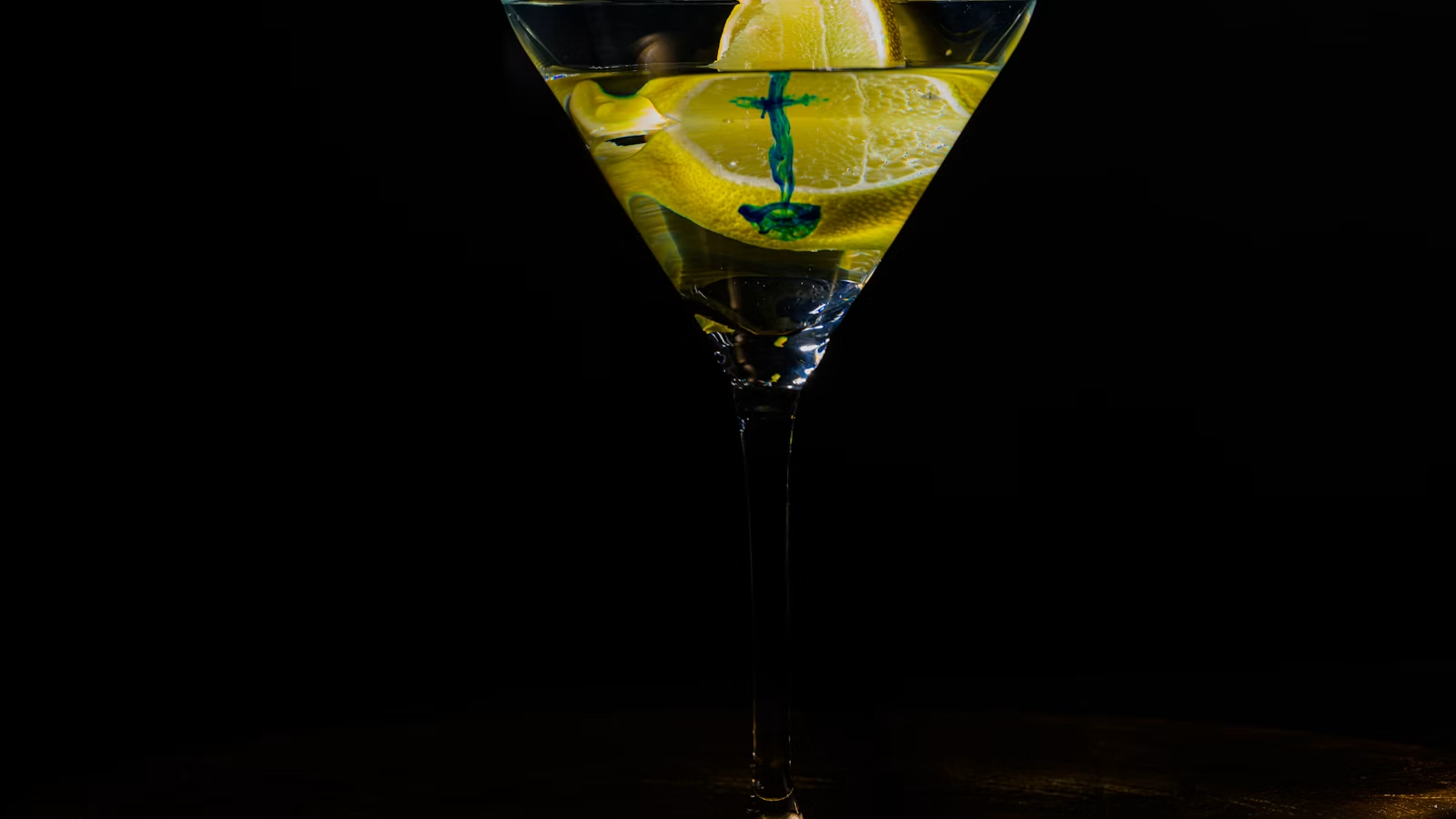
Serve small, cold pours and store it sealed
Rest the bottled limoncello for at least a day so the sharp edges settle, then serve it very cold in one-ounce glasses. It is also useful in sparkling water, over berries, or as the citrus element in a simple cocktail; a teaspoon can brighten frosting or whipped cream. If you enjoy making drink components from scratch, our homemade grenadine takes the same reader-first approach to balancing sweetness.
Keep the bottles tightly sealed in the refrigerator or freezer, away from heat and open flames. At this strength and sugar level, limoncello does not freeze solid in a typical home freezer, though formulas with more water may become slushy. NIAAA defines a U.S. standard drink as 0.6 fluid ounce of pure alcohol; a one-ounce pour of this approximate 30% ABV limoncello contains about half that amount. It is still alcohol, of course, so label homemade gifts clearly and enjoy responsibly.
Sources
- La Cucina Italiana: Limoncello
- U.S. FDA: Cleaning Fruits and Vegetables
- NIAAA: What Is a Standard Drink?
Images: Nikola Perekovic, Edouard Gilles, and Hans Leuzinger via Unsplash.
Hi, I’m Laura, the voice behind Tastiva. I’ve always believed that eating well should feel enjoyable, comforting, and realistic—not like another complicated rule to follow. I love creating recipes that fit into everyday life, sharing simple nutrition ideas, and finding small ways to make meals feel a little better without losing the pleasure of good food.