
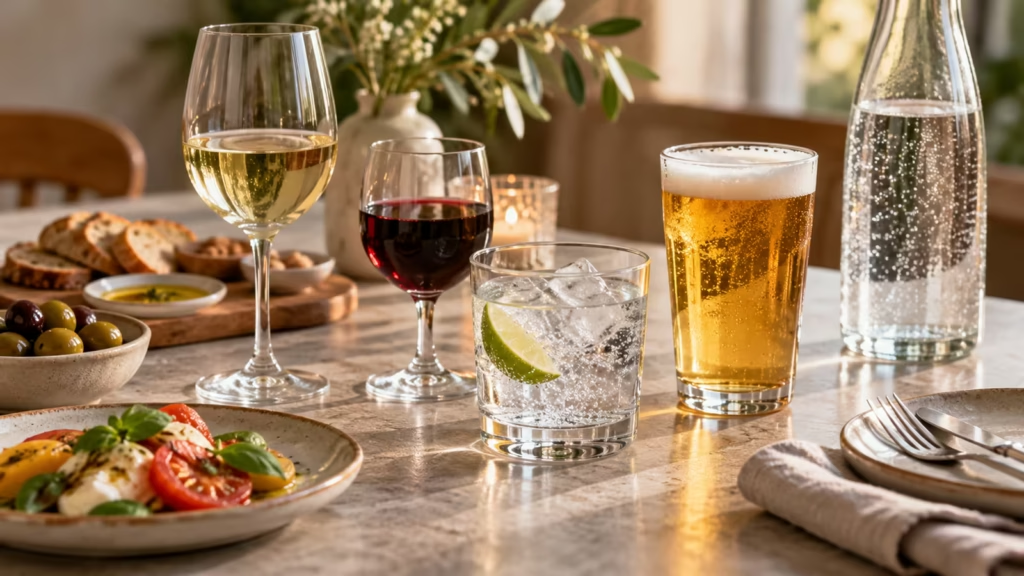
The lowest-calorie alcoholic choice is generally a smaller serving with less alcohol and little or no sugary mixer. Straight spirits are not calorie-free, and a generous home pour can erase the apparent advantage of choosing soda water instead of juice or syrup.
When comparing alcoholic drinks, portion size and alcohol content matter more than whether the glass looks light or clear.
I’m Laura, and I want to be clear: you never need to drink for health. If you do choose alcohol, drinking less and drinking less often reduces both calories and alcohol-related risk. Water or a nonalcoholic drink is always the lowest-alcohol option.
Where the calories in alcoholic drinks come from
Alcohol provides energy on its own—about 7 calories per gram—before any mixer is added. Beer and wine also contain varying amounts of carbohydrate, while cocktails may add juice, soda, liqueur, cream, or syrup. The final total depends on the recipe, alcohol by volume, and actual pour.
Clear liquor is not automatically lighter than dark liquor. At the same proof and serving size, vodka, gin, rum, tequila, and whiskey are broadly similar in alcohol calories. Tastiva’s mezcal vs. tequila guide explains the flavor and production differences, but neither spirit becomes low-calorie merely because of its name.
- More alcohol usually means more calories.
- Sweet mixers and liqueurs can add substantial calories without changing the apparent size of the drink.
- A large wine glass can hold two or more standard servings even when it looks like one drink.
- Product labels and bar recipes vary, so any calorie number is an estimate unless the producer provides it.
Lower-calorie choices in practical portions
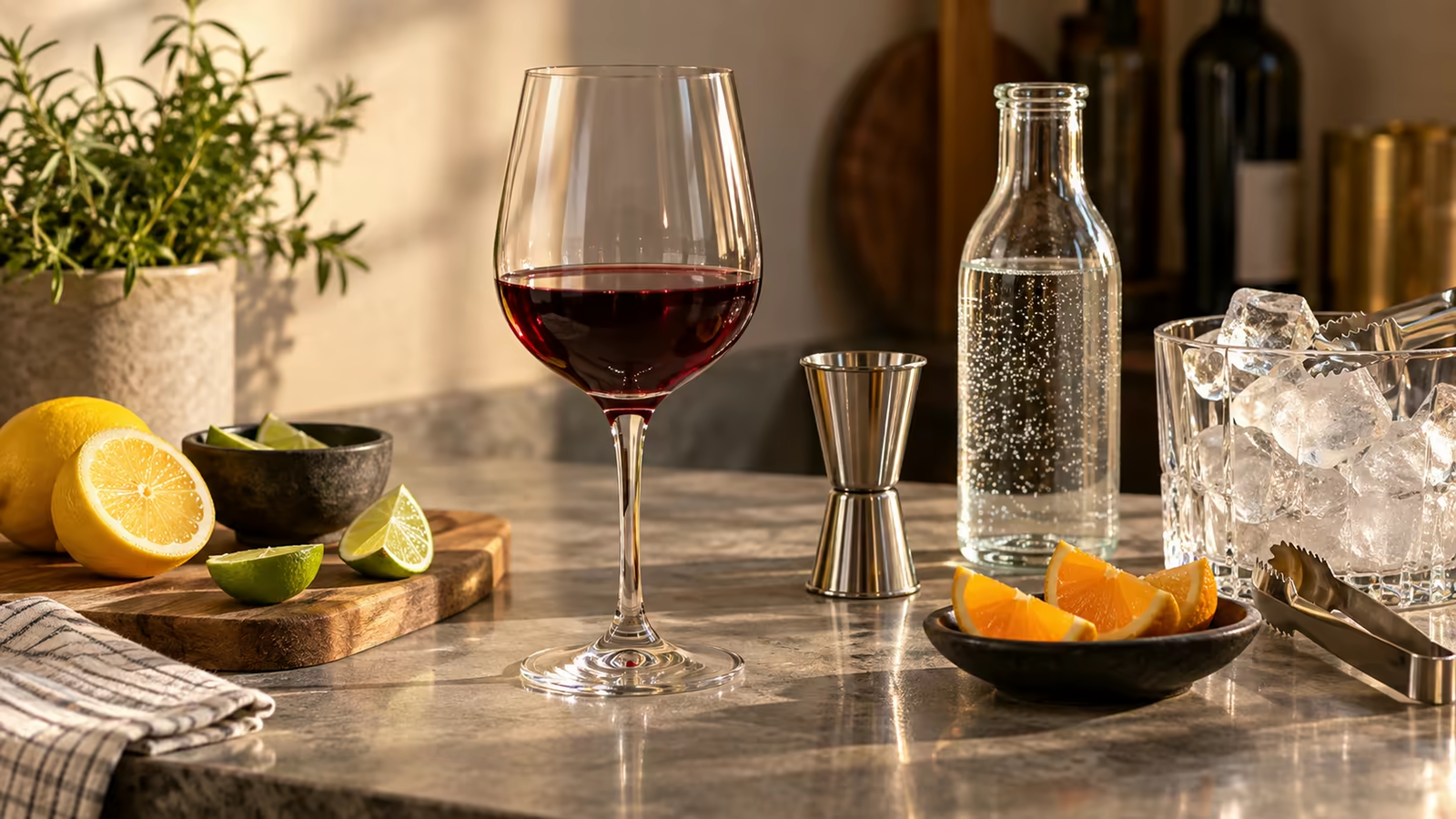
A measured serving of an 80-proof spirit with plain soda water and citrus is often among the lighter alcoholic options because the mixer adds little energy. A small glass of dry wine, a light beer, or a lower-alcohol beer can also fit, provided the serving stays close to the size listed on the package.
- Spirit + soda water + lime, with a measured single pour.
- A 5-ounce serving of dry wine rather than a filled oversized glass.
- A 12-ounce light or lower-alcohol beer, checking the label for alcohol by volume.
- A wine spritzer made with a smaller wine pour and plenty of sparkling water.
- A nonalcoholic beer, hop water, or flavored sparkling water when you want the ritual with little or no alcohol.
Tonic water, ginger beer, regular soda, sweet tea, fruit juice, and premade cocktail mix can add sugar. Diet mixers lower mixer calories but do not reduce the alcohol in the glass. If caffeine is part of your mixer decision, see Tastiva’s guide to caffeine in root beer and still check the specific label.
Standard drink size is the useful comparison
In the United States, one standard drink contains about 14 grams of pure alcohol. That is roughly 12 ounces of regular 5% beer, 5 ounces of 12% wine, or 1.5 ounces of 40% distilled spirits. Strong craft beer, high-proof liquor, and generous wine pours can contain more than one standard drink.
This is why comparing calories per glass can mislead. A tall drink may be mostly soda water, while a small cocktail may contain two shots plus liqueur. Ask what is in the drink, choose a single measure, and alternate with water if you decide to have alcohol.
Some people should not drink at all, including people who are pregnant or may be pregnant, are below the legal drinking age, take interacting medicines, cannot control their drinking, or have certain medical conditions. A clinician can give advice for your situation.
Ways to lower calories—and alcohol exposure
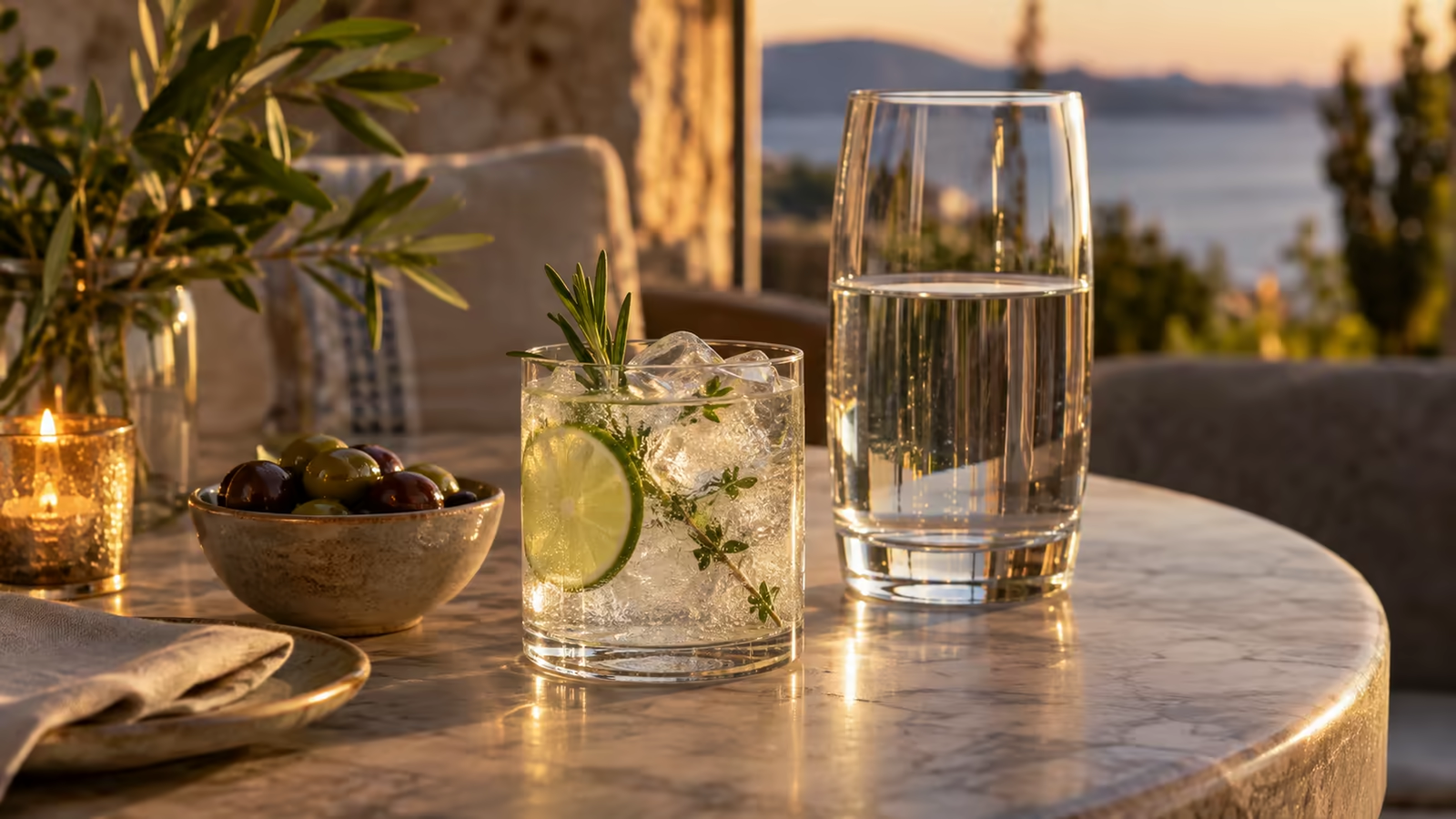
- Decide your limit before the first drink and measure home pours.
- Choose soda water, still water, or another unsweetened mixer.
- Order a single rather than a double, and skip automatic refills.
- Eat a meal before or with alcohol; do not use drinking as a substitute for dinner.
- Alternate alcoholic drinks with water or a nonalcoholic option.
- Plan alcohol-free days and never drive after drinking.
Trying to save calories by skipping food is unsafe and can make alcohol affect you more quickly. If weight or blood sugar is your concern, discuss the whole pattern with a qualified professional rather than focusing on the smallest possible cocktail.
The most useful bottom line is simple: a smaller, lower-alcohol drink with an unsweetened mixer will usually be lighter, but no alcoholic drink is risk-free. Choosing less—or none—is a valid, often easier option.
Calories are only one reason to reconsider a drink. Alcohol can affect sleep, coordination, judgment, blood pressure, medications, and several long-term health risks. A cocktail with fewer calories is not automatically healthier if it contains more alcohol, is consumed quickly, or leads to additional drinks.
If cutting back feels difficult, confidential help is available through a healthcare professional or the NIAAA Alcohol Treatment Navigator. Seek urgent medical help for a person who cannot be awakened, is vomiting repeatedly, has slow or irregular breathing, or shows other signs of alcohol overdose.
Sources
- National Institute on Alcohol Abuse and Alcoholism: What Is a Standard Drink?
- CDC: About Alcohol Use
- USDA FoodData Central

Hi, I’m Laura, the voice behind Tastiva. I’ve always believed that eating well should feel enjoyable, comforting, and realistic—not like another complicated rule to follow. I love creating recipes that fit into everyday life, sharing simple nutrition ideas, and finding small ways to make meals feel a little better without losing the pleasure of good food.