
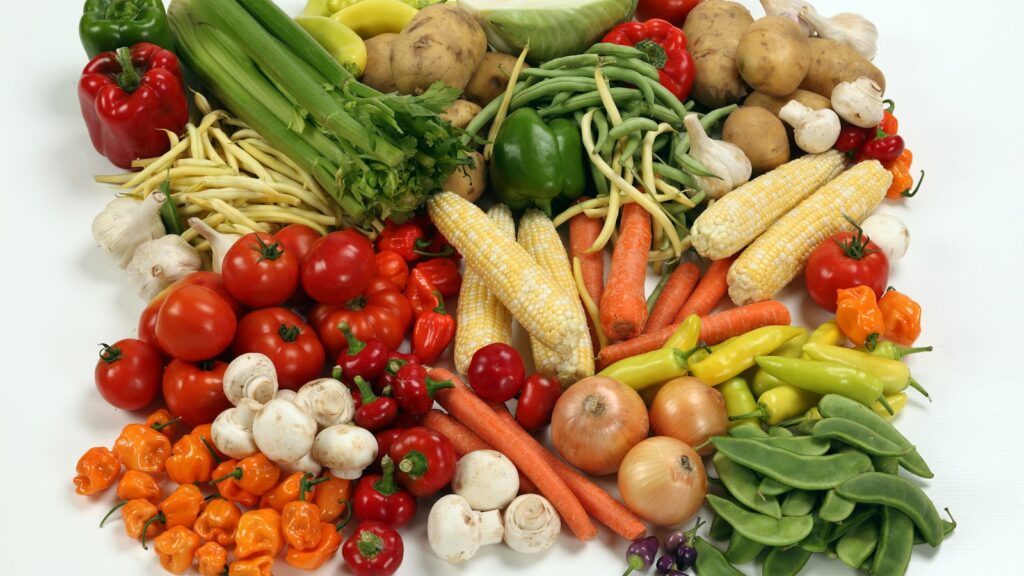
A soup can taste mild and still bring plenty of sodium to lunch. Low sodium foods are easiest to find by checking the label and starting with plainly prepared ingredients: fresh fruit, vegetables without salty sauces, unsalted nuts, dry beans, and unseasoned grains. You don't have to cook everything from scratch, but a few package comparisons can make a real difference.
Keep the convenience you need, and spend your attention on the ingredients you use most often.
What low sodium foods mean on a label
For most individual packaged foods, the FDA's consumer guide describes low sodium as 140 milligrams or less per serving. Reduced sodium means at least 25 percent less than a reference product, so it can still be fairly salty. No salt added describes processing; it doesn't promise that the food contains no sodium.
The Nutrition Facts label uses 2,300 milligrams as the Daily Value. Five percent DV or less per serving is low, while 20 percent or more is high. That's a comparison tool, not a personalized prescription: a clinician may recommend a different daily limit for your situation.
| Label wording | What it tells you | Your next check |
|---|---|---|
| Low sodium | Meets a defined low-sodium claim | Serving size and how much you'll eat |
| Reduced sodium | Less than the comparison product | Actual milligrams, not just the percentage reduction |
| Unsalted or no salt added | Salt wasn't added during processing | Naturally present sodium and other ingredients |
| Sea salt or Himalayan salt | Identifies the salt used | Sodium still counts |
When choosing low sodium foods, my first comparison would be two versions of a staple you buy every week. Finding a lower-sodium bread, bean, or broth that you actually enjoy is more useful than memorizing a long list of foods you'll never cook. Keep the portion sizes equal so the numbers mean something.
Seven useful starting points for the shopping list
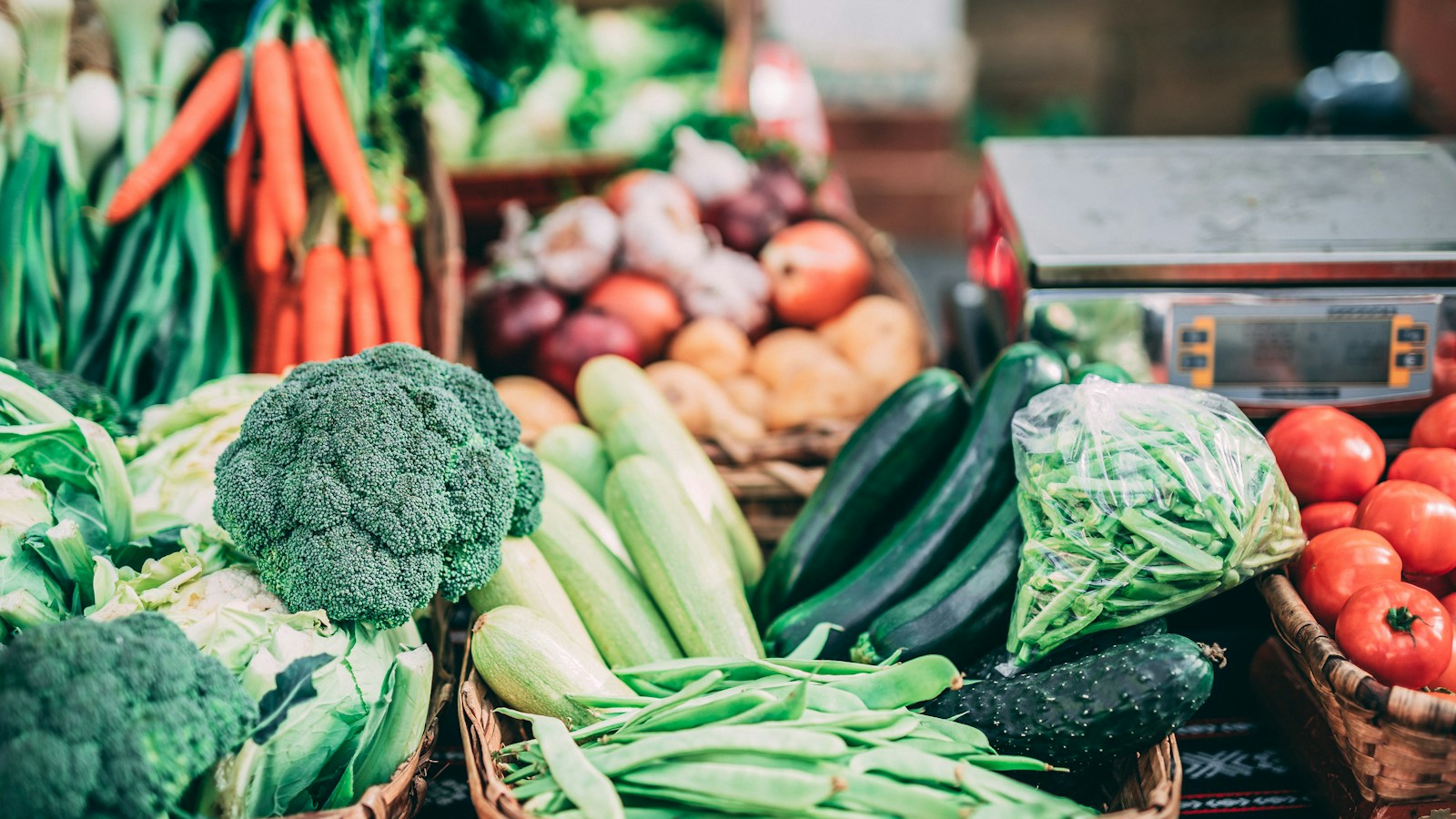
The HHS shopping guide emphasizes plain produce, unseasoned grains, fresh proteins, and no-salt-added options. Frozen and canned options can belong on a list of low sodium foods, too. The important distinction is usually what's been added, rather than whether the food came from the produce aisle or the pantry shelf.
- Fresh fruit: Apples, oranges, berries, and other fruit make easy additions to breakfast or a snack without a seasoning label to decode.
- Plain frozen vegetables: Check that the bag contains vegetables rather than a cheese sauce or seasoning blend.
- Dry or no-salt-added beans: Choose a form that fits your time. Our legumes guide explains the options.
- Unseasoned rice, oats, and other grains: Add your own flavor instead of relying on a seasoning packet.
- Unsalted nuts and seeds: Useful for crunch in salads, yogurt bowls, and snacks; check coatings on flavored varieties.
- Fresh, unseasoned meat, poultry, or seafood: Look for added broth, brine, or a salt solution on the label.
- Lower-sodium packaged staples: Compare bread, broth, canned tomatoes, and condiments within the categories you already use.
These are starting points, not a list of foods guaranteed to meet every medical diet. Someone managing kidney disease may also need guidance about potassium, protein, or fluids. A low-sodium choice should fit that whole plan, rather than solving one number while overlooking another.
Build flavor before reaching for more salt
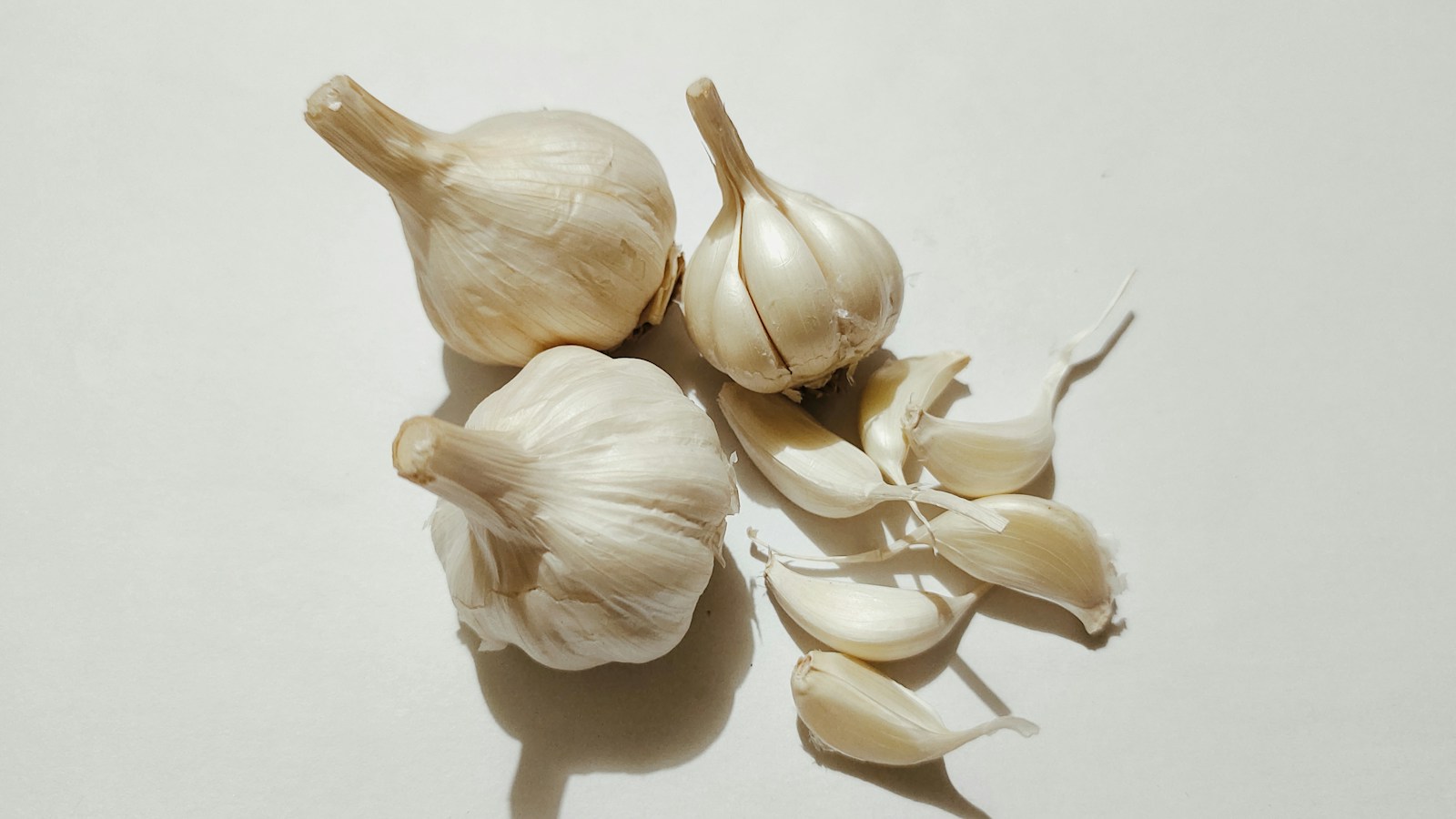
Think about the job salt was doing in the dish. A flat soup might need acidity, aroma, or deeper browning as well as seasoning. Lemon, vinegar, garlic, herbs, and salt-free spice blends give you other ways to adjust flavor; they don't need to imitate salt exactly to be useful.
- For a grain bowl: Try lemon juice, olive oil, herbs, and an unsalted crunchy topping. Add any salty cheese deliberately rather than automatically.
- For roasted vegetables: Use a suitable cooking method that develops browned edges, then finish with a squeeze of citrus or a little vinegar.
- For a bean soup: Start with no-salt-added beans and an appropriate broth, then taste after simmering before adding condiments.
- For a sandwich: Compare the bread, filling, cheese, and spread together. Several modest contributions can add up in one lunch.
For a concrete label exercise, imagine two broths with 700 and 140 milligrams per cup. If each makes the same four-serving soup using four cups, the broth contributes 700 versus 140 milligrams per bowl before other ingredients. Those are illustrative numbers, but the arithmetic helps you see why the base matters. Our chicken bouillon guide covers concentrates and dilution.
Make the change workable through a busy week
To make low sodium foods practical through a busy week, compare two or three repeat purchases first and keep a photograph or note of the products that work. Drain and rinse canned beans when appropriate; this removes some sodium, but don't assume a precise reduction for every brand or method. A can that's labeled no salt added is easier to assess directly.
At restaurants, ask for sauces and dressings on the side and whether food can be prepared without added salt. There may still be sodium in ingredients or marinades, so “no added salt” isn't a guarantee of a low-sodium meal. If exact amounts matter medically, ask for available nutrition information.
Be careful with salt substitutes containing potassium chloride if you have kidney disease, take medicines that affect potassium, or have been told to limit it. Check with your care team before using them. I prefer a practical routine you can repeat: read the staple labels, season with intention, and leave room for food to remain enjoyable.
Sources
- FDA: Sodium in Your Diet
- HHS MyHealthfinder: Lower-Sodium Foods Shopping List
- National Kidney Foundation: Sodium and Your CKD Diet

Hi, I’m Laura, the voice behind Tastiva. I’ve always believed that eating well should feel enjoyable, comforting, and realistic—not like another complicated rule to follow. I love creating recipes that fit into everyday life, sharing simple nutrition ideas, and finding small ways to make meals feel a little better without losing the pleasure of good food.