
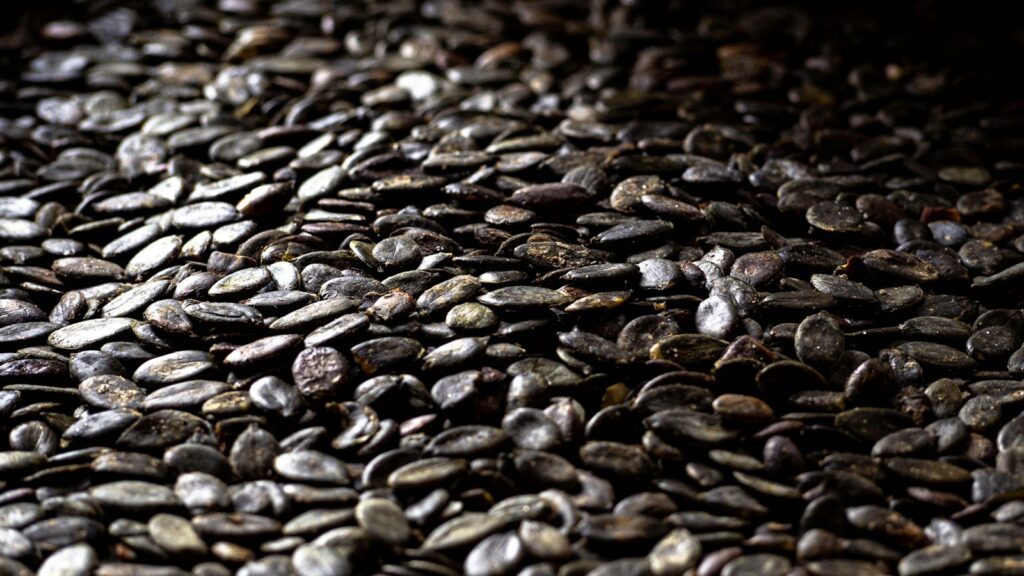
The flat green seeds in a grocery bag don't look much like the white seeds scooped from a pumpkin. Both are pumpkin seeds, but they're different forms for the cook. Packaged raw pumpkin seeds are generally unroasted kernels, often sold as pepitas; fresh seeds from a pumpkin still need cleaning and preparation. Start there before choosing a snack or following roasting directions.
Check whether you're holding dry kernels or fresh seeds in their shells; that difference matters more than the word raw.
Raw pumpkin seeds, pepitas, and seeds in the shell
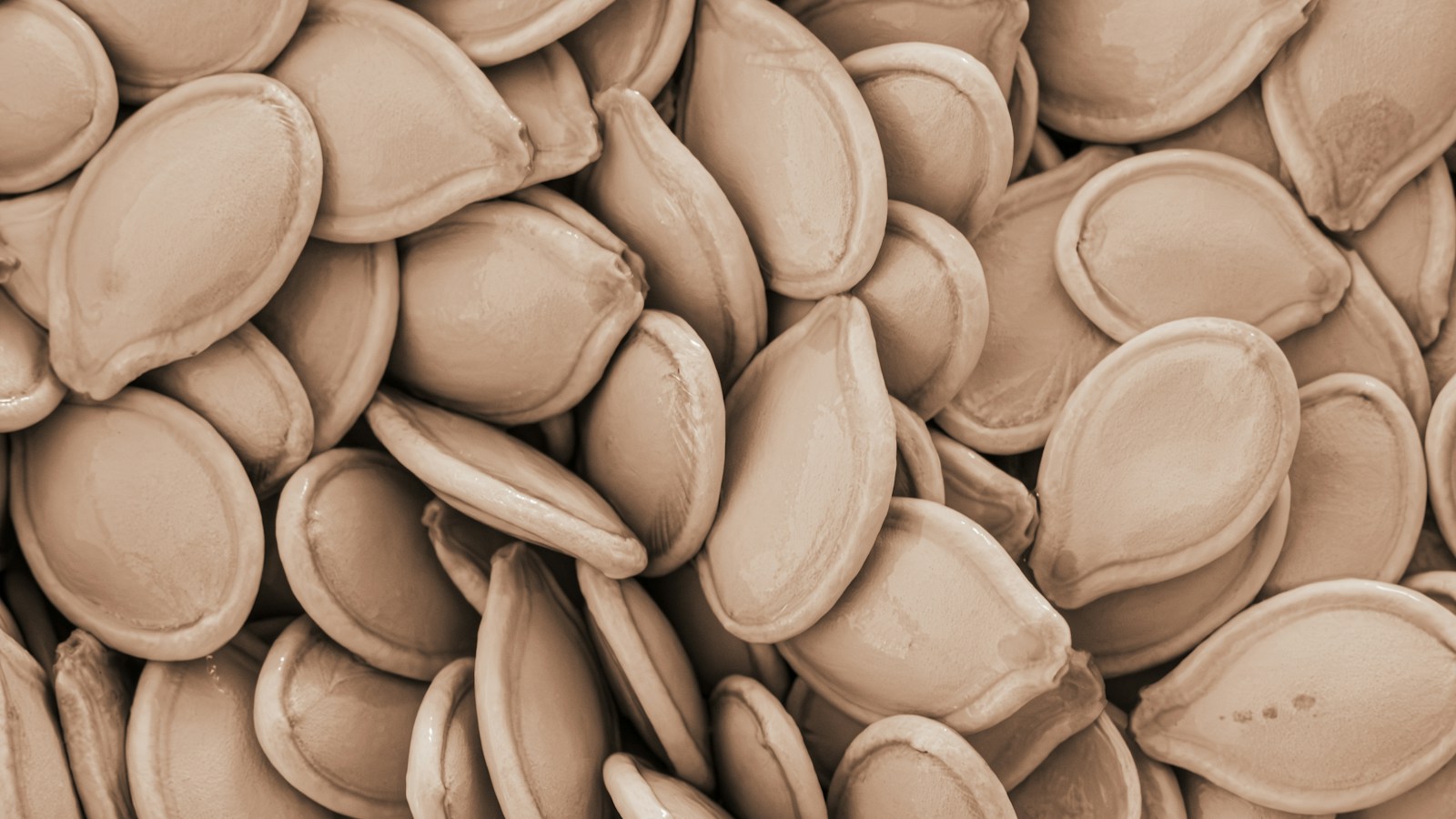
Green kernels are the edible part without a tough outer white shell. The term pepitas is commonly used for these small green seeds. Fresh pumpkin seeds arrive surrounded by slippery orange fibers, while packaged kernels have already been separated and prepared for sale. They don't require the same handling or necessarily the same cooking time.
Read the package to confirm whether the seeds are raw, roasted, salted, seasoned, or intended for further cooking. Buy food-grade seeds from a food retailer, not garden seeds intended for planting. If a package gives preparation instructions, follow them rather than treating “raw” as a ready-to-eat guarantee.
| Form | What you'll notice | Useful next step |
|---|---|---|
| Dry green kernels | Flat seeds without the white shell | Check the label for preparation and storage |
| Roasted kernels | Often a more toasted aroma and crisp bite | Check added salt or flavorings |
| Fresh seeds from a pumpkin | Moist seeds with fibers attached | Clean and prepare using a reliable method |
| Whole seeds with shells | A firmer, more fibrous outer layer | Choose according to the texture you enjoy |
I like to keep the shell question separate from the raw-versus-roasted question. One tells you what you're chewing; the other tells you about processing. That's also why a photograph or nutrition entry for one version may not describe the bag in your hand.
What the seeds contribute to a meal
Pumpkin seeds provide plant protein, fat, and minerals, including magnesium. The NIH magnesium fact sheet lists roasted pumpkin seeds among concentrated food sources of that mineral. That's useful context, but a figure for roasted seeds shouldn't be presented as an exact analysis of every raw product, serving, or shell-on preparation.
For a bag of raw pumpkin seeds, start with its serving size and nutrition panel. A spoonful scattered over soup contributes less than a full labeled serving eaten as a snack. Neither portion is wrong; they're simply doing different jobs. Our foods high in magnesium guide helps put seeds alongside other foods rather than treating them as the whole answer.
- For crunch: Scatter a modest amount over a smooth soup or a soft grain bowl just before eating.
- For a more substantial snack: Pair suitable ready-to-eat kernels with fruit or plain yogurt, adjusting the portion to your appetite.
- For a plant-based meal: Use them alongside beans, lentils, or tofu rather than assuming a decorative sprinkle replaces the main protein.
- For less added sodium: Compare plain and salted versions; the seed itself and its seasoning are separate choices.
There isn't a reason to promise better sleep, faster weight loss, or a hormone “reset” from eating a particular number of seeds. Nutrient content is a useful fact; a guaranteed health result is a different claim. I would choose a form you enjoy and use it as one ingredient in a varied diet.
Simple ways to use the bag you've bought
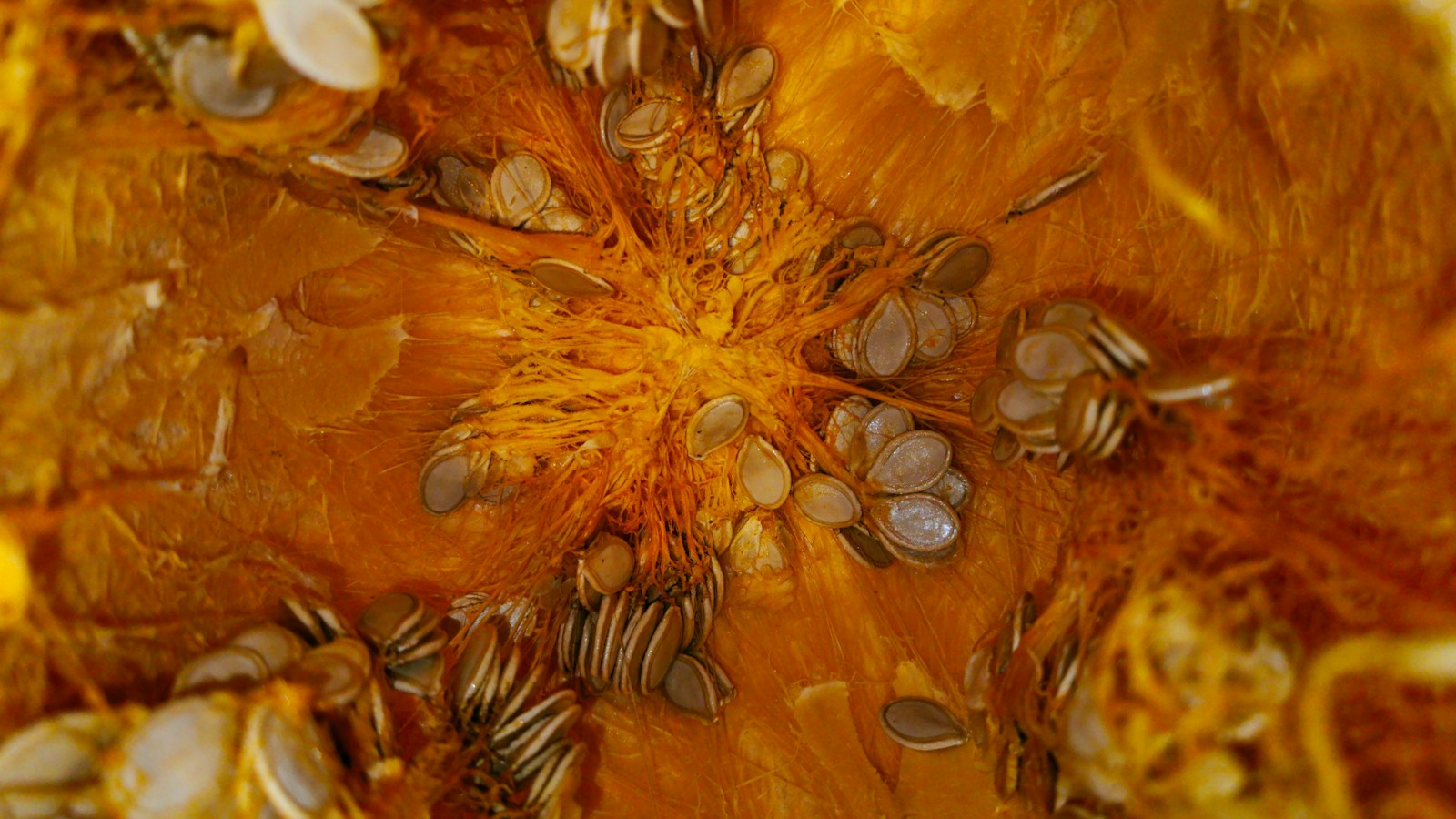
If the package identifies the kernels as ready to eat, they're convenient for finishing dishes without another pan. Keep them separate from moist food until serving when you want their texture to stand out. In a packed lunch, a small container of seeds prevents them disappearing into a soft salad overnight.
For a warmer, toasted flavor, use directions intended for kernels, since their size and lack of shell affect cooking. Fresh seeds scooped from a pumpkin need their own preparation: Nebraska Extension distinguishes drying from roasting, beginning with washing away the attached pumpkin tissue. Follow its full method rather than applying a quick kernel-toasting instruction to wet, whole seeds.
- Add kernels to a salad with beans, chopped vegetables, and a dressing you already enjoy.
- Stir a small amount into oatmeal after cooking, or serve them beside yogurt and fruit.
- Chop them for a more evenly distributed topping when whole seeds feel too large for a dip or spread.
- Use them in a recipe designed for a seed sauce or spread; substituting them for nuts can change texture and flavor.
- Check other ingredients and shared-equipment statements if choosing seeds because someone has a nut allergy. Seeds aren't an automatic allergy-safe swap.
Store raw pumpkin seeds with freshness in mind
Keep the original package directions as your starting point, and close the container tightly after each use. Buy an amount you'll realistically finish. If a large bag will take a long time to use, follow the manufacturer's guidance on refrigerating or freezing portions rather than leaving it open near a warm stove.
“Raw” doesn't mean sterile. A past FDA-posted recall of pumpkin seeds for possible Salmonella contamination illustrates why brand notices and recalls still matter for dry foods. Check a recalled product's exact details and follow the notice; don't try to make a recalled bag safe by rinsing or casually toasting it at home.
Use a clean, dry spoon and keep moisture out of stored seeds. Discard seeds with mold or an unexpected unpleasant odor, while remembering that harmful bacteria aren't reliably detected by smell. Good storage protects quality, and attention to package instructions and recall notices covers a different part of food safety.
Sources
- Nebraska Extension: Drying and Roasting Pumpkin Seeds
- NIH Office of Dietary Supplements: Magnesium
- FDA: May 2025 Pumpkin Seed Recall Notice

Hi, I’m Laura, the voice behind Tastiva. I’ve always believed that eating well should feel enjoyable, comforting, and realistic—not like another complicated rule to follow. I love creating recipes that fit into everyday life, sharing simple nutrition ideas, and finding small ways to make meals feel a little better without losing the pleasure of good food.