
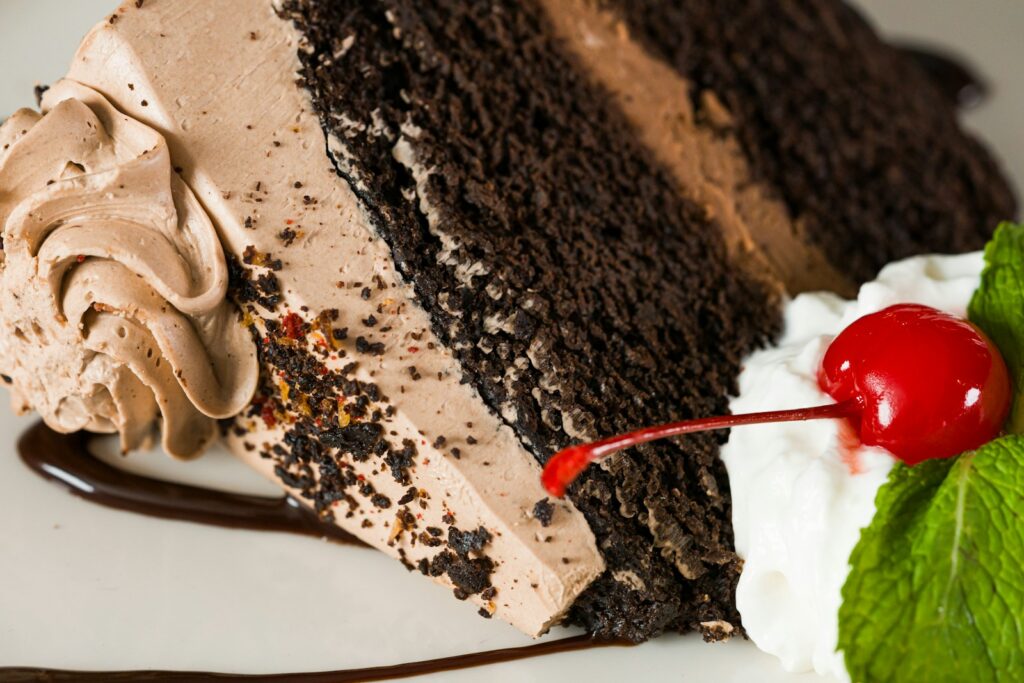
One glossy cherry can make a scoop of ice cream look like a proper sundae. Maraschino cherries are preserved, sweetened cherries used as garnishes and dessert ingredients, but the name covers products with noticeably different colors, textures, and ingredient lists. A bright red topping cherry and a dark, syrupy cocktail cherry aren't automatically interchangeable in flavor or appearance.
Choose the cherry for its role in the dish, then let the ingredient list explain the rest.
What maraschino cherries are today

The simplest useful definition is a prepared cherry product, not fresh fruit straight from the tree. Manufacturers use different cherries, syrups, flavorings, and coloring ingredients, so a universal description of every jar can be misleading. Read the specific label before assuming how a product is made or what it contains.
For example, Mezzetta's Maraschino Cherries With Stems list cherries, water, cane sugar, lemon juice concentrate, fruit and vegetable concentrate for color, and natural flavor. That current formula is a good reminder that a bright red appearance doesn't tell you which coloring ingredient a brand uses.
By contrast, Luxardo's Original Maraschino Cherries are candied Marasca cherries in syrup made with Marasca cherry juice. The company describes a product that's half cherries and half syrup by composition. These examples explain why I would compare jars by their actual ingredients rather than assuming the name guarantees one standard experience.
Pick a jar for the drink or dessert you're making
For an ice-cream topping, you might want a clearly visible red cherry with a stem. For a dark, spirit-forward drink or a rich dessert, you may prefer a deeper-colored cherry and a more concentrated syrup. Those are culinary preferences, not a ranking of which product is more legitimate.
| What you need | What to check | Why it matters |
|---|---|---|
| A sundae or decorative garnish | Color, size, and whether stems are included | The cherry's appearance is part of the job |
| A mixed drink | Flavor, sweetness, and syrup | A little syrup can change the finished drink |
| Chopped cherries in baking | Drained weight and recipe instructions | Extra syrup can change moisture and sweetness |
| A particular dietary requirement | Full ingredients and relevant manufacturer information | Names and colors don't establish suitability |
Alcohol content should also be checked for the exact product when it matters to you. Don't infer it solely from the word “maraschino,” the association with cocktails, or the brand's other products. The same caution applies to allergen concerns: ask the manufacturer if the label doesn't answer your question.
My shopping preference would be a jar size that matches a real plan. If you only need a few cherries for one dessert, a large jar may leave you inventing reasons to use it. If the syrup is part of the recipe, make sure you're buying a product whose flavor fits, not just enough individual cherries.
Use the cherries and syrup with a little intention
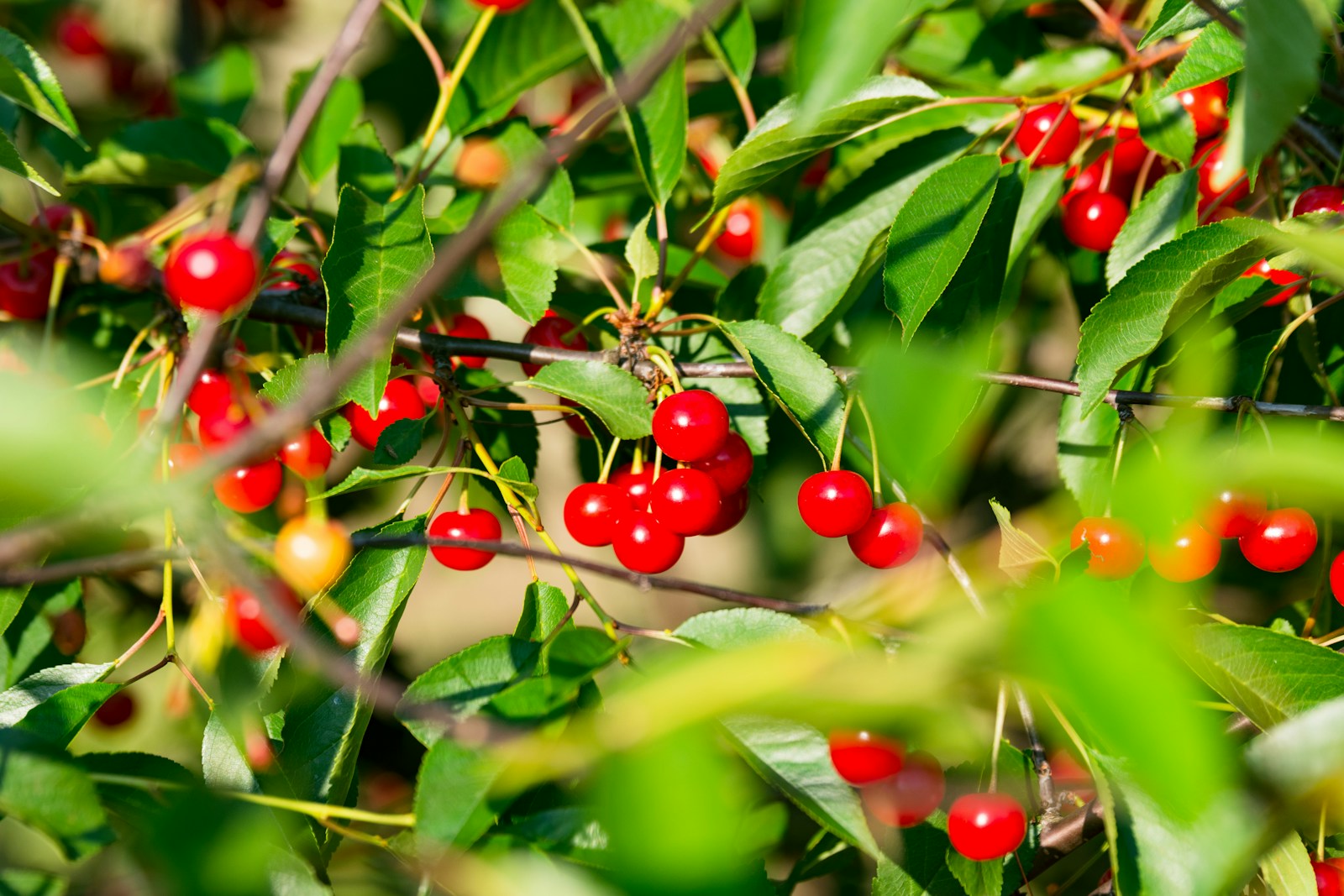
The cherry itself and the surrounding syrup are separate ingredients in practice. Drain when the recipe asks for drained fruit, and measure syrup separately when it calls for it. A casual spoonful of extra liquid may be fine on ice cream but can matter much more in a batter or filling.
Remove stems before eating, and check for any pit warnings on the package. For young children or anyone with swallowing difficulties, use appropriate food preparation and serving guidance rather than treating a small garnish as automatically suitable. A decorative stem belongs on the presentation, not in the bite.
- Place a drained cherry on a sundae just before serving.
- Chop drained cherries for a recipe that specifically calls for this type of preserved fruit.
- Use a measured amount of syrup in a drink, tasting before adding other sweeteners.
- Pair a small amount with a plain dessert when you want the cherry flavor to stand out.
- Keep the syrup out of a recipe that specifies drained cherries unless the author allows it.
I wouldn't replace fresh cherries cup for cup in a recipe without checking the expected result. Preserved cherries bring a different sweetness, moisture balance, and texture. Tastiva's fresh cherry nutrition guide covers the fruit itself; a garnish jar serves a different kitchen purpose.
Read the serving and storage instructions on your jar
Nutrition information belongs to a stated serving. Check whether that serving describes a certain number of cherries, a weight, or cherries with syrup. If you use several cherries plus some syrup, that isn't necessarily the same amount represented by one small serving on the label.
Follow the manufacturer's storage directions before and after opening. Products differ, so don't transfer refrigeration advice from a different brand or from a homemade cherry preparation. Use a clean utensil, close the lid properly, and keep the label available if you move the jar to a less visible shelf.
There doesn't need to be a grand health verdict on a cherry garnish. Enjoy it for the sweetness, color, and finishing touch it brings, while keeping its role distinct from a serving of fresh fruit. A well-chosen jar is simply an ingredient that does the job you bought it for—and makes that little scoop of ice cream feel a bit more complete.
Sources
- Mezzetta: Current maraschino cherry ingredients
- Luxardo: Original Maraschino Cherries composition and product information

Hi, I’m Laura, the voice behind Tastiva. I’ve always believed that eating well should feel enjoyable, comforting, and realistic—not like another complicated rule to follow. I love creating recipes that fit into everyday life, sharing simple nutrition ideas, and finding small ways to make meals feel a little better without losing the pleasure of good food.