
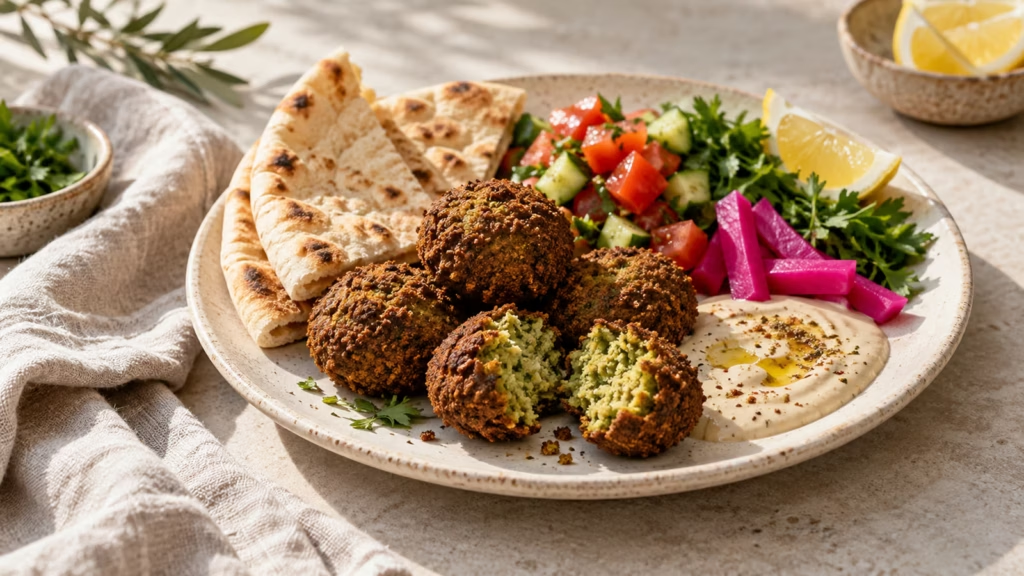
You split open a warm pita and there it is: a craggy, golden round with a surprisingly green, fragrant center. What is falafel? It is a Middle Eastern fritter made from soaked chickpeas, fava beans, or a mixture of the two, ground with herbs, aromatics, and spices, then shaped and cooked—most traditionally in hot oil. The short answer is simple; the delicious part is how much the details change from one cook and region to another.
Falafel is not one fixed formula. Chickpeas, fava beans, herbs, and local traditions all shape the crisp little bite that reaches your plate.
What falafel is made from
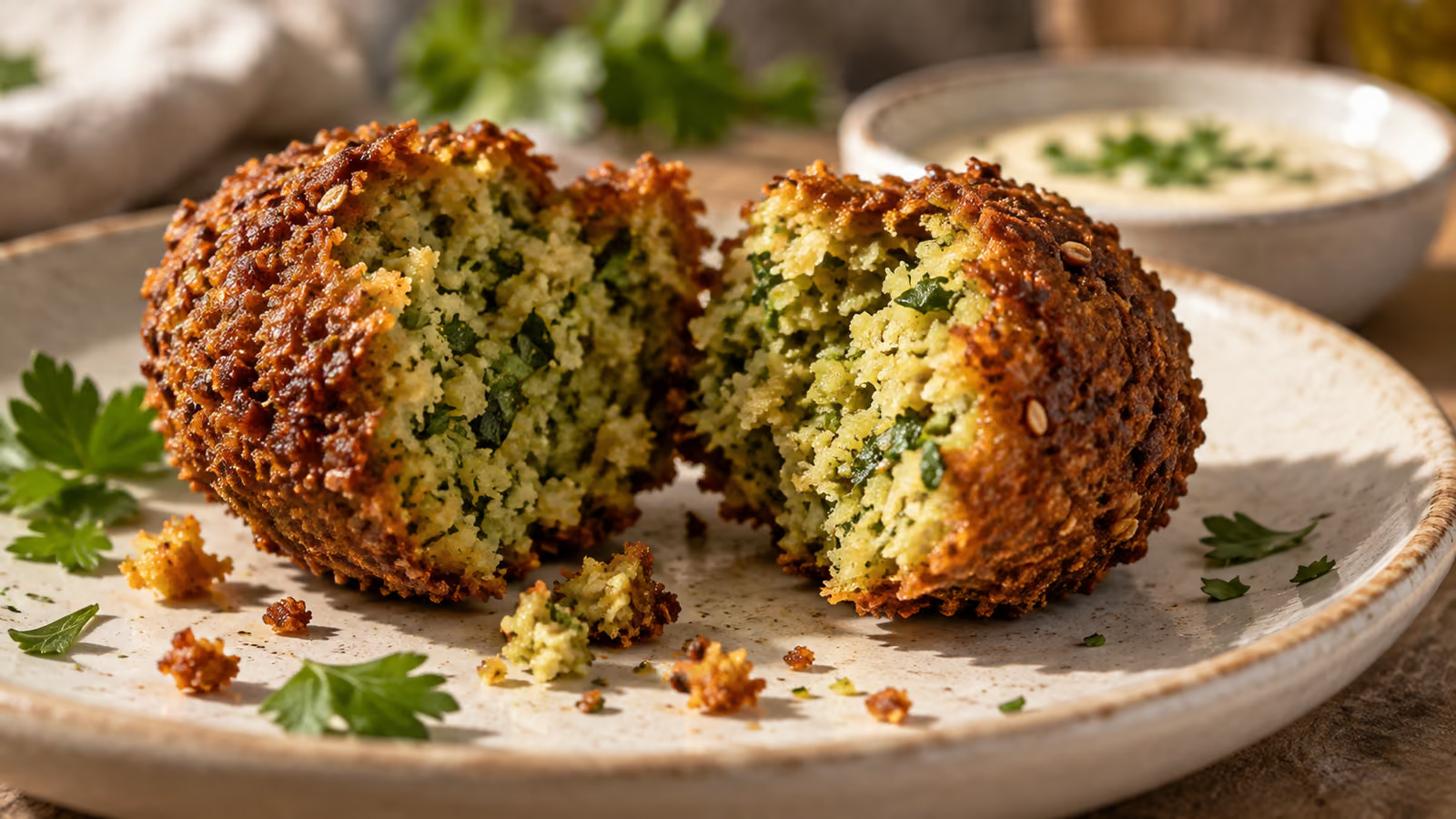
The base is usually dried chickpeas that have been soaked, not cooked, before grinding. In Egypt, the version often called ta’ameya is commonly made with split fava beans and can be vividly green from fresh herbs. Elsewhere, chickpeas lead the mixture, while some recipes combine both. That is why two authentic falafels can taste and look quite different without either one being “wrong.”
Parsley, cilantro, onion, garlic, cumin, and coriander are familiar additions. Some cooks use baking soda or baking powder for lightness, and sesame seeds may coat the outside. The mixture is formed into balls, disks, or small patties. When fried well, the surface becomes crisp while the center stays tender and nubbly rather than smooth like hummus.
One useful distinction: falafel is not simply a fried ball of hummus. Hummus begins with cooked chickpeas blended into a creamy dip; classic chickpea falafel usually begins with soaked dried chickpeas ground into a coarse mixture. If fava beans are in the recipe, our guide to fava bean preparation and G6PD safety adds important context.
What falafel tastes like
A good falafel has contrast. The outside is savory and toasted; the center tastes earthy, fresh, and gently spiced. Garlic and onion give it depth, cumin brings warmth, and herbs keep the bite from feeling heavy. It should not be dry enough to crumble into dust or wet enough to seem pasty.
Chickpea falafel is often nutty and a little firm. Fava-based ta’ameya can feel lighter, greener, and more herb-forward. The frying oil, seasoning, and how long the mixture rests matter too, so the ingredient list tells only part of the story. If we were ordering together, I would look for a shop cooking small batches; falafel loses its special crunch as it sits.
- In pita: add tomato, cucumber, pickles, cabbage, and tahini sauce for crunch and acidity.
- On a plate: pair it with chopped salad, hummus, vegetables, and bread.
- In a bowl: use falafel as the protein-rich anchor beside grains and roasted vegetables.
- As a snack: serve smaller pieces with tahini, yogurt sauce, or a bright herb dip.
Is falafel healthy? It depends on the whole plate
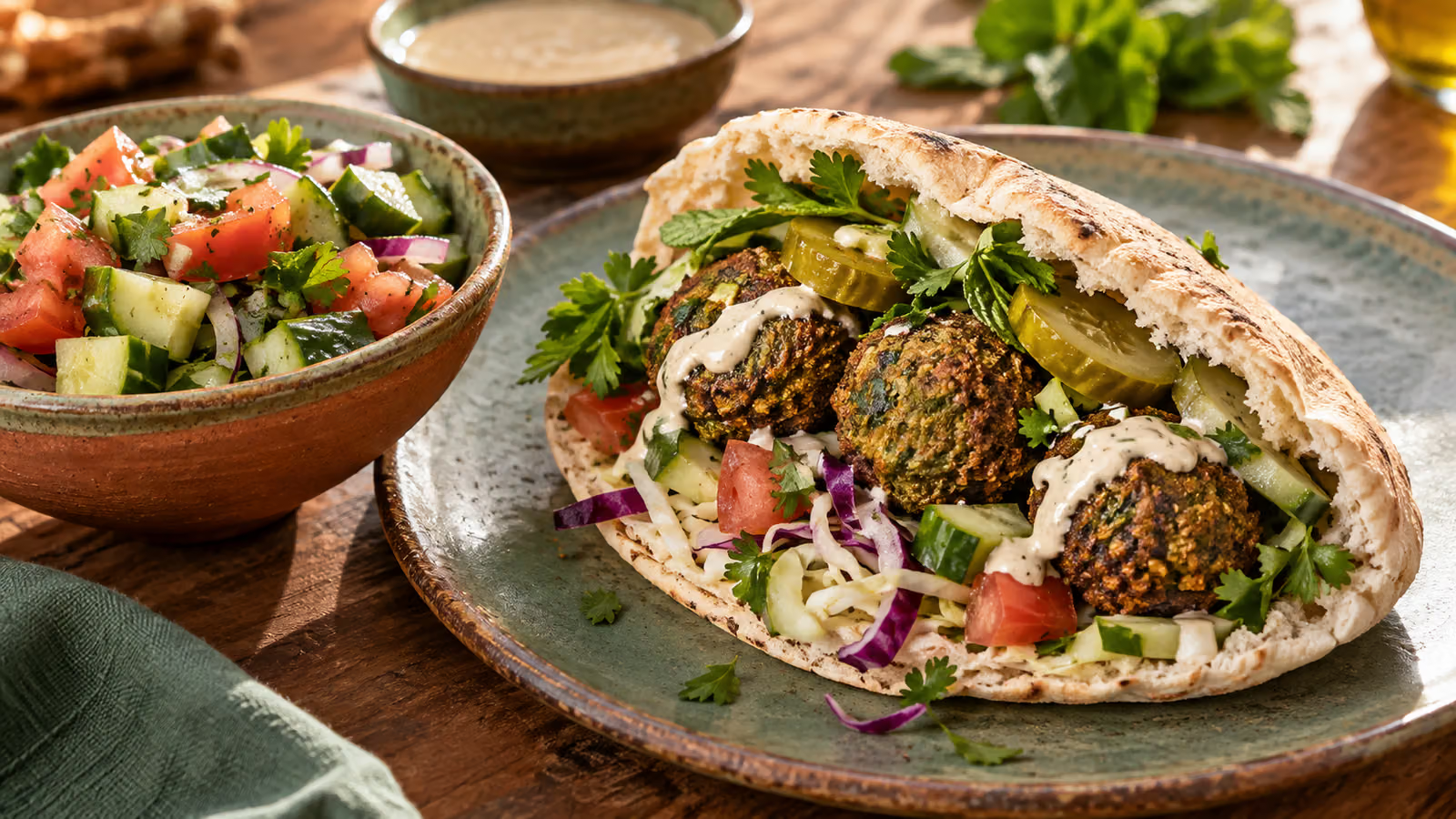
Falafel begins with legumes, so it can contribute plant protein, carbohydrate, fiber, folate, and minerals. The exact nutrition changes with the bean, size, cooking method, oil absorption, and salt. A small baked patty and a large restaurant portion of fried falafel are not nutritionally identical, which is why one confident calorie number can be more distracting than helpful.
Frying does not erase the beans, but it adds oil and can make a generous portion more energy-dense. Sodium may also climb through the falafel, pickles, bread, sauces, and seasoned sides. I would not strip away everything flavorful; I would build contrast. Add plenty of crisp vegetables, choose the amount of sauce you enjoy, and let falafel be one part of the meal rather than the only thing on the plate.
Baked and air-fried versions can be useful, especially at home, but they are alternatives rather than moral upgrades. Texture and satisfaction count. If you fry, use a suitable fresh oil at a steady temperature and drain the cooked pieces; if you bake, a light brush of olive oil helps the outside brown.
How to buy, serve, and store falafel
For packaged falafel, read the ingredient and allergen labels. Falafel is often vegan, but a restaurant may use shared fryers, and sauces can contain sesame, milk, egg, or other allergens. It may be naturally gluten-free by recipe, yet flour, breadcrumbs, spice blends, or cross-contact mean you should ask rather than assume when gluten must be avoided.
At home, do not taste uncooked falafel batter. Dried chickpeas and flour, when used, are raw ingredients, and safe handling still matters. Cook the centers thoroughly, refrigerate leftovers within two hours—one hour in very hot conditions—and reheat until steaming. A crisp finish is easiest in an oven or air fryer; the microwave softens the crust.
Falafel makes sense because it is both practical and joyful: inexpensive legumes transformed with herbs, spice, and heat. Start with the version in front of you, notice whether it leans chickpea or fava, and give it something cool, crunchy, and tangy alongside. That is usually the plate that makes the last bite as appealing as the first.
Sources
- TIME: Falafel, Regional Traditions, and the Chickpea–Fava Bean Difference
- USDA FoodData Central: Falafel Search
- British Journal of Nutrition via PubMed: Nutritional Quality and Health Benefits of Chickpea
- FoodSafety.gov: Cold Food Storage Chart

Hi, I’m Laura, the voice behind Tastiva. I’ve always believed that eating well should feel enjoyable, comforting, and realistic—not like another complicated rule to follow. I love creating recipes that fit into everyday life, sharing simple nutrition ideas, and finding small ways to make meals feel a little better without losing the pleasure of good food.