
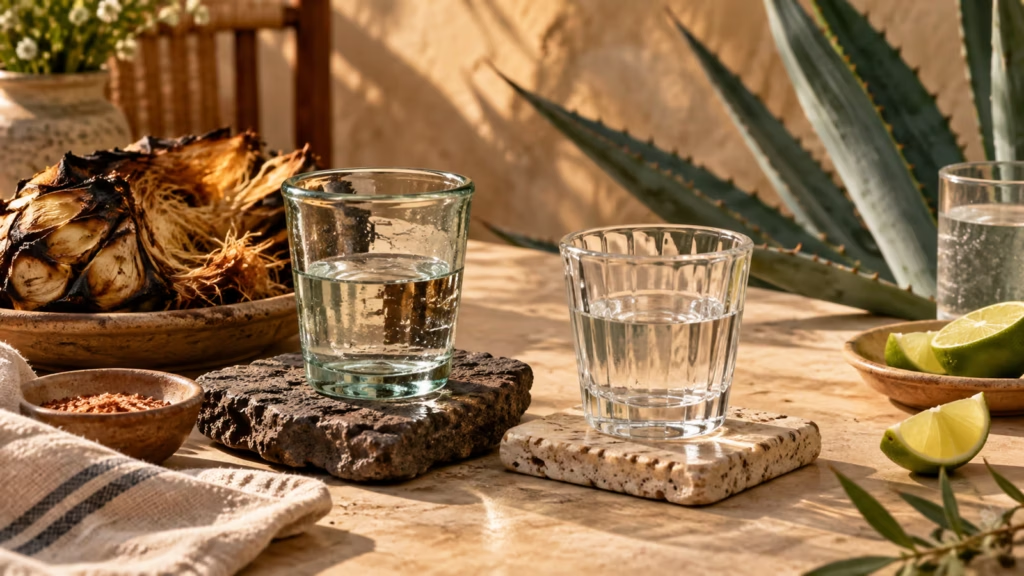
Put a clear tequila beside a clear mezcal and they can look like cousins who borrowed the same outfit. The family resemblance is real: both are distilled agave spirits and distinctive products of Mexico. The differences begin with which agave may be used, where the spirit is made, and how the cooked plant is fermented and distilled. Tequila is not “clean mezcal,” and mezcal is not automatically smoky, stronger, purer, or healthier. They are separate protected traditions, and the most useful comparison starts with the label—not a barstool legend.
Tequila and mezcal share agave roots, but place, plant, and production give each bottle its own voice.
Mezcal vs. tequila at a glance
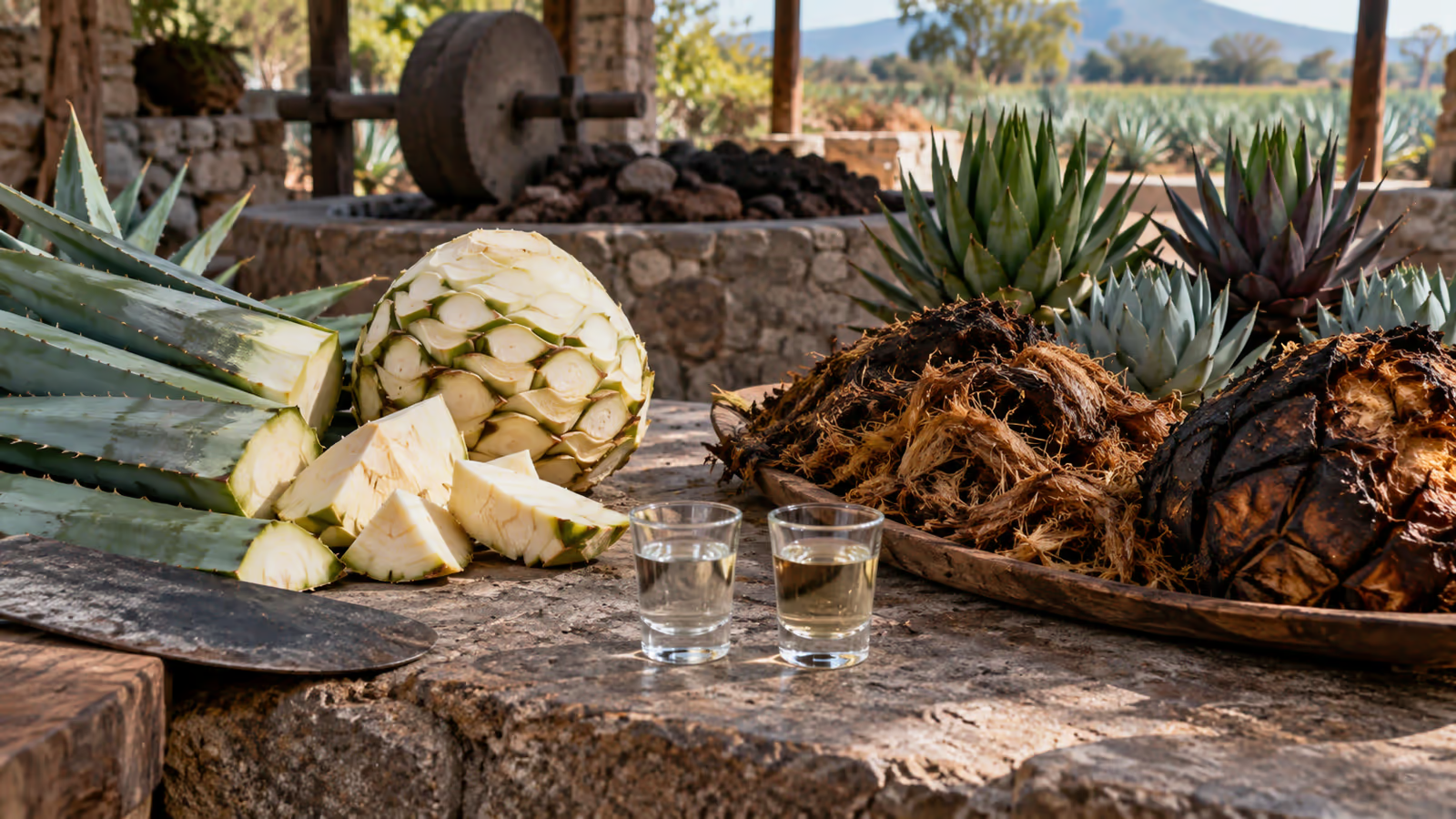
U.S. regulations place tequila and mezcal within the class of agave spirits and recognize each as a distinctive product of Mexico made under Mexican law. Tequila must use the blue Weber agave variety. Mezcal rules allow several agave species, with espadín widely used alongside many regional varieties. Geography is part of both identities: these names are not generic words for any agave spirit made anywhere.
| Question | Tequila | Mezcal |
|---|---|---|
| What is it? | A protected Mexican agave spirit made under tequila rules. | A protected Mexican agave spirit made under mezcal rules. |
| Agave | Blue Weber agave only; labels may say “100% agave” or include other permitted sugars. | Several permitted agave species may be used; espadín is common but not the only one. |
| Typical cooking method | Agave hearts are commonly cooked in above-ground ovens or autoclaves. | Traditional and artisanal styles often roast agave in earthen pits, though methods vary. |
| Flavor shorthand | Often bright, peppery, herbal, citrusy, or cooked-agave sweet. | Can be smoky, earthy, mineral, fruity, floral, or savory—smoke is not guaranteed. |
| Which is healthier? | Neither has a health advantage simply because of its name. | Compare serving size, alcohol by volume, and mixers—not marketing folklore. |
The word mezcal is sometimes used conversationally as a broad historical umbrella for agave distillates, which is why you may hear “all tequila is mezcal.” On a modern U.S. bottle label, however, Tequila and Mezcal are distinct regulated types. For shopping, comparing, and respecting the people who make them, treating them as separate categories is much clearer.
Neither category guarantees one flavor or level of quality. Agave variety, soil, ripeness, cooking, fermentation vessel, yeast, still, proof, blending, and barrel time can all change the glass. A carefully made tequila can be earthy and savory; a mezcal can be floral and bright with barely a whisper of smoke.
Why production changes the flavor
To make either spirit, producers harvest mature agave and remove the pointed leaves to reveal the heavy heart, often called a piña. Cooking converts stored agave carbohydrates into fermentable sugars. Many tequilas use masonry ovens or pressurized autoclaves. Traditional or artisanal mezcals often roast agave in an earth pit with hot stones, which can create smoke, roasted fruit, and mineral notes. Those are common patterns, not a promise for every producer.
After cooking, the agave is crushed, fermented, and distilled. A roller mill or diffuser creates a different production path from a tahona stone or mallet. Fermentation in stainless steel, wood, stone, hide, or an open vessel can encourage different microbial communities. Copper pots, clay pots, and column stills behave differently, too. “Traditional” on a shelf tag is not enough information; the back label and producer details tell a fuller story.
Aging adds another layer. You will see young clear styles and rested or longer-aged bottles, although the official class names and timing depend on the category. Wood can contribute vanilla, spice, toast, and color while softening some sharp edges. Age is not a universal quality ladder: a vibrant unaged spirit may show agave and place more clearly than an expensive oak-heavy bottle.
How to choose and taste without getting lost in jargon
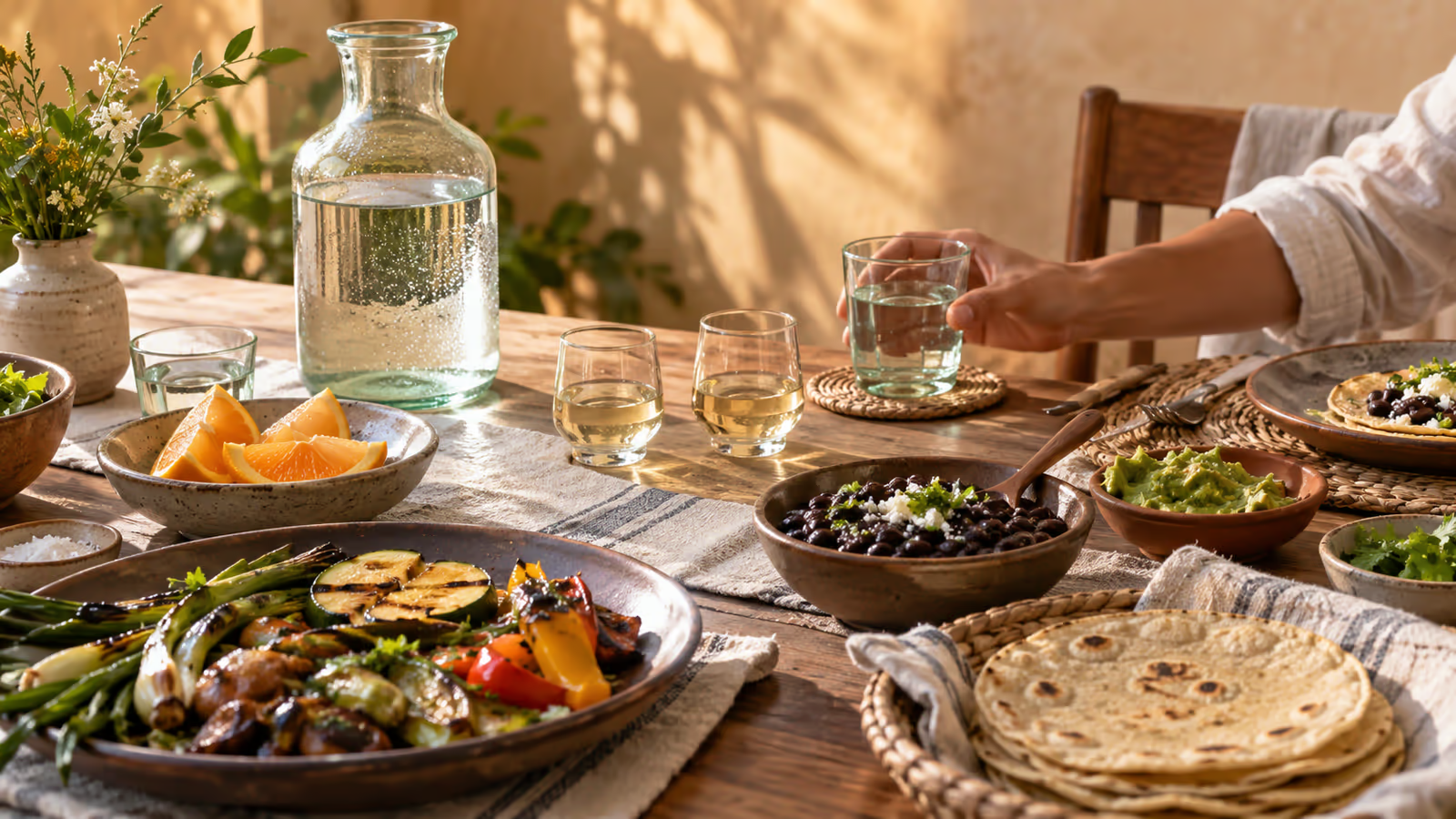
Start with the experience you want. For a bright highball or citrus-led cocktail, a blanco tequila may be a natural fit. For slow sipping or a drink where earthy roasted notes can stay visible, mezcal can be beautiful. That is a flavor suggestion, not a rule. Look for the exact agave statement, alcohol by volume, place of production, producer, and whether the tequila says “100% agave.” A tequila without that statement may legally include other permitted fermentable sugars.
- For more agave character: begin with an unaged or lightly rested bottle and a simple serve.
- For less smoke: ask about the specific mezcal rather than rejecting the whole category.
- For cocktail balance: account for sweet liqueurs, syrups, soda, and juice; the mixer may dominate sugar and calories.
- For value: pay for transparent production and a flavor you enjoy, not a decorative bottle or an age statement alone.
Taste a small pour before adding salt, citrus, or a mixer. Notice aroma first, then take a modest sip and add a few drops of water if the alcohol feels hot. Water and food belong at the table. If you want a nonalcoholic option with the same ritual, sparkling water with citrus and herbs gives you aroma, acidity, and a grown-up glass without pretending to copy the spirit.
Cocktails change the nutrition more than the word tequila or mezcal does. Sweet mixers can turn a measured pour into a large drink containing several servings of alcohol plus substantial added sugar. If caffeine is in the mix, remember it does not cancel impairment; our guide to caffeine in cola can help you read that part of the label.
Calories, standard drinks, and the honest health answer
At the same proof and serving size, plain tequila and plain mezcal are nutritionally very similar: most calories come from alcohol, with little protein, fat, or carbohydrate in an unflavored distilled spirit. A 1.5-ounce pour of 80-proof spirits is about one U.S. standard drink and roughly 100 calories. Higher-proof bottles and generous home pours contain more alcohol, even when they fit in the same glass.
There is no solid basis for calling mezcal or tequila “healthy,” detoxifying, probiotic, or blood-sugar friendly because it began as agave. Fermentation and distillation produce a spirit, not agave nectar, fiber, or a wellness supplement. The CDC says drinking less is better for health than drinking more, and alcohol raises the risk of several cancers. U.S. moderation limits—up to two drinks in a day for men or one for women—are ceilings, not goals or weekly amounts to save for Saturday.
Some people should not drink at all, including anyone who is pregnant, under 21, unable to control intake, taking an interacting medicine, or managing a condition worsened by alcohol. Never drive after drinking, and do not rely on coffee, food, or a cold shower to sober up. The fairest conclusion in mezcal vs. tequila is about craft and taste, not virtue: choose the story you want to explore, measure the pour, and let a beautiful spirit remain optional.
Sources
- eCFR: 27 CFR § 5.148—Agave Spirits, Tequila, and Mezcal
- National Institute on Alcohol Abuse and Alcoholism: What Is a Standard Drink?
- Centers for Disease Control and Prevention: About Alcohol Use
- USDA FoodData Central

Hi, I’m Laura, the voice behind Tastiva. I’ve always believed that eating well should feel enjoyable, comforting, and realistic—not like another complicated rule to follow. I love creating recipes that fit into everyday life, sharing simple nutrition ideas, and finding small ways to make meals feel a little better without losing the pleasure of good food.