
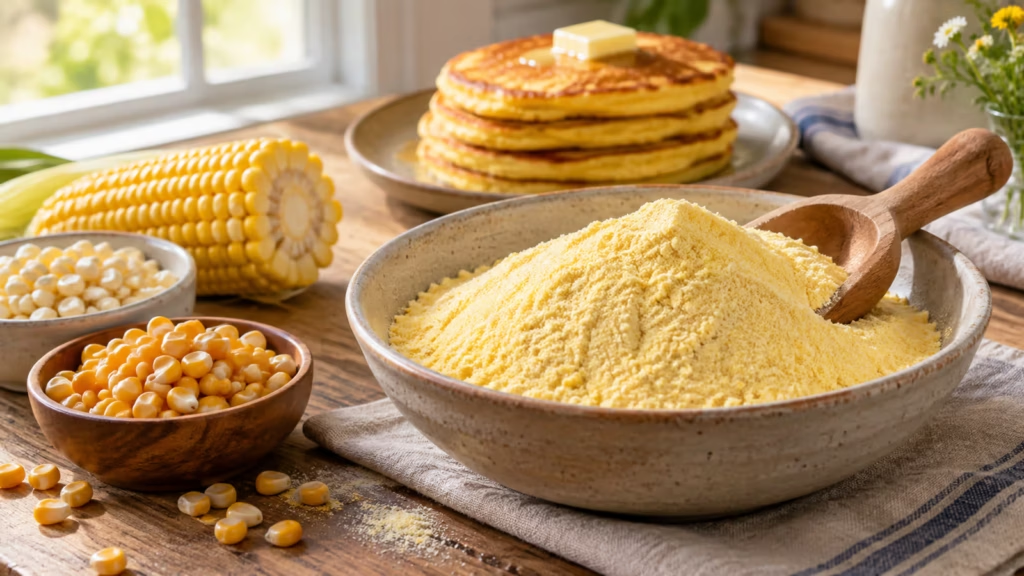
Corn flour should be a simple ingredient: corn, ground into flour. Then you cross an ocean—or even an aisle—and the name changes beneath you. In the United States, corn flour usually means dried corn milled much finer than cornmeal. In many British, Australian, and other recipes, “cornflour” means the white starch Americans call cornstarch. Masa harina is another product entirely. Before you substitute anything, check the recipe’s country, the package ingredients, and what the flour is supposed to do.
With corn flour, the label matters more than the familiar name: fine meal, pure starch, and masa are not interchangeable.
Corn flour, cornmeal, cornstarch, and masa harina
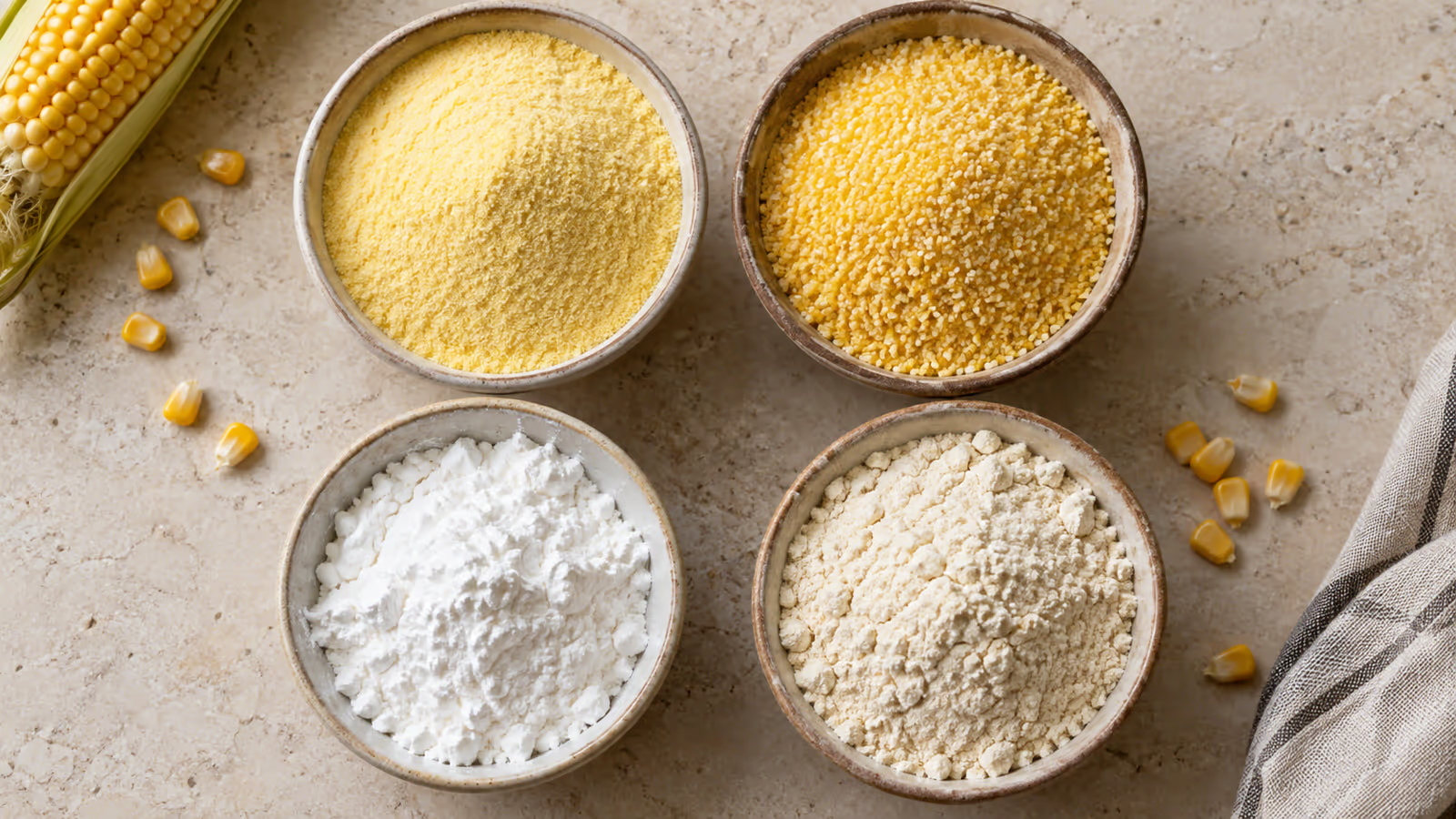
The U.S. standard of identity describes white corn flour as cleaned white corn ground and sifted finely enough to meet specific sieve tests; yellow corn flour follows the same definition using yellow corn. That fineness gives batters a softer crumb and coatings a more even texture than ordinary cornmeal. It does not tell you whether every part of the kernel remains, so “corn flour” is not automatically synonymous with “whole-grain corn flour.”
| Product | What it is | Best uses | Can it swap 1:1? |
|---|---|---|---|
| Corn flour (U.S.) | Finely milled dried corn; white or yellow, whole-grain or refined depending on the product. | Tender breads, pancakes, breading, cookies, and blending with other flours. | Not automatically; its protein, fiber, and absorption differ by brand. |
| Cornmeal | Dried corn ground more coarsely. | Cornbread, polenta-style dishes, grits-like preparations, and crunchy coatings. | No. The coarser texture changes hydration and crumb. |
| Masa harina | Corn treated with an alkaline process, cooked, dried, and ground. | Corn tortillas, tamales, sopes, and masa-based doughs. | No. Plain corn flour lacks masa harina’s flavor and dough-forming behavior. |
| Cornstarch | The purified starch portion of corn; called cornflour in many British recipes. | Glossy sauces, gravies, puddings, and crisp coatings. | No. It has almost no corn flour flavor, fiber, or protein. |
The easiest detective work is visual and practical. U.S.-style corn flour is often pale yellow or white and smells gently of corn. Cornstarch is very white, squeaky-fine, and designed mostly for thickening. Masa harina smells distinctively toasted and earthy because the corn has been nixtamalized—treated with an alkaline solution—which changes flavor, nutrition, and how it forms a cohesive dough.
A tortilla recipe calling for masa harina needs masa harina. Plain corn flour mixed with water tends to crack because it has not had the same treatment. Likewise, a British custard asking for cornflour almost certainly expects cornstarch; yellow corn flour would make it grainy and taste like corn. The recipe’s origin is often the missing ingredient.
Nutrition and the gluten-free question
Corn flour is mainly carbohydrate, with modest protein and varying amounts of fiber, fat, iron, magnesium, and B vitamins. A typical quarter-cup serving of whole-grain corn flour is around 100 to 120 calories, but degerminated, enriched, white, yellow, and stone-ground products differ. Whole-grain flour retains the bran and germ; refined flour may have some removed. The Nutrition Facts panel is more useful than a single number copied from another bag.
Corn itself does not contain wheat, barley, or rye gluten. That means plain corn flour can fit a gluten-free diet. Cross-contact during growing, transport, milling, or packing is still possible, and a flour blend may contain wheat. If you have celiac disease or need strict avoidance, choose a product labeled gluten-free under FDA rules and inspect the ingredient and allergen statements every time.
- For more fiber: look for “whole grain corn” or “whole-grain corn flour” as the ingredient.
- For celiac safety: prefer a clearly labeled gluten-free product, not an open bulk bin.
- For fortification: check for enriched corn flour or added folic acid, iron, thiamin, riboflavin, or niacin.
- For sodium: plain flour is usually low, but self-rising mixes and seasoned coatings can be very different.
Do not judge gluten-free baking by corn flour alone. Without gluten, a loaf needs a deliberate balance of starch, protein, moisture, and structure. Our gluten-free bread guide explains why a blend often works better than asking one flour to imitate wheat by itself.
How to cook and bake with corn flour
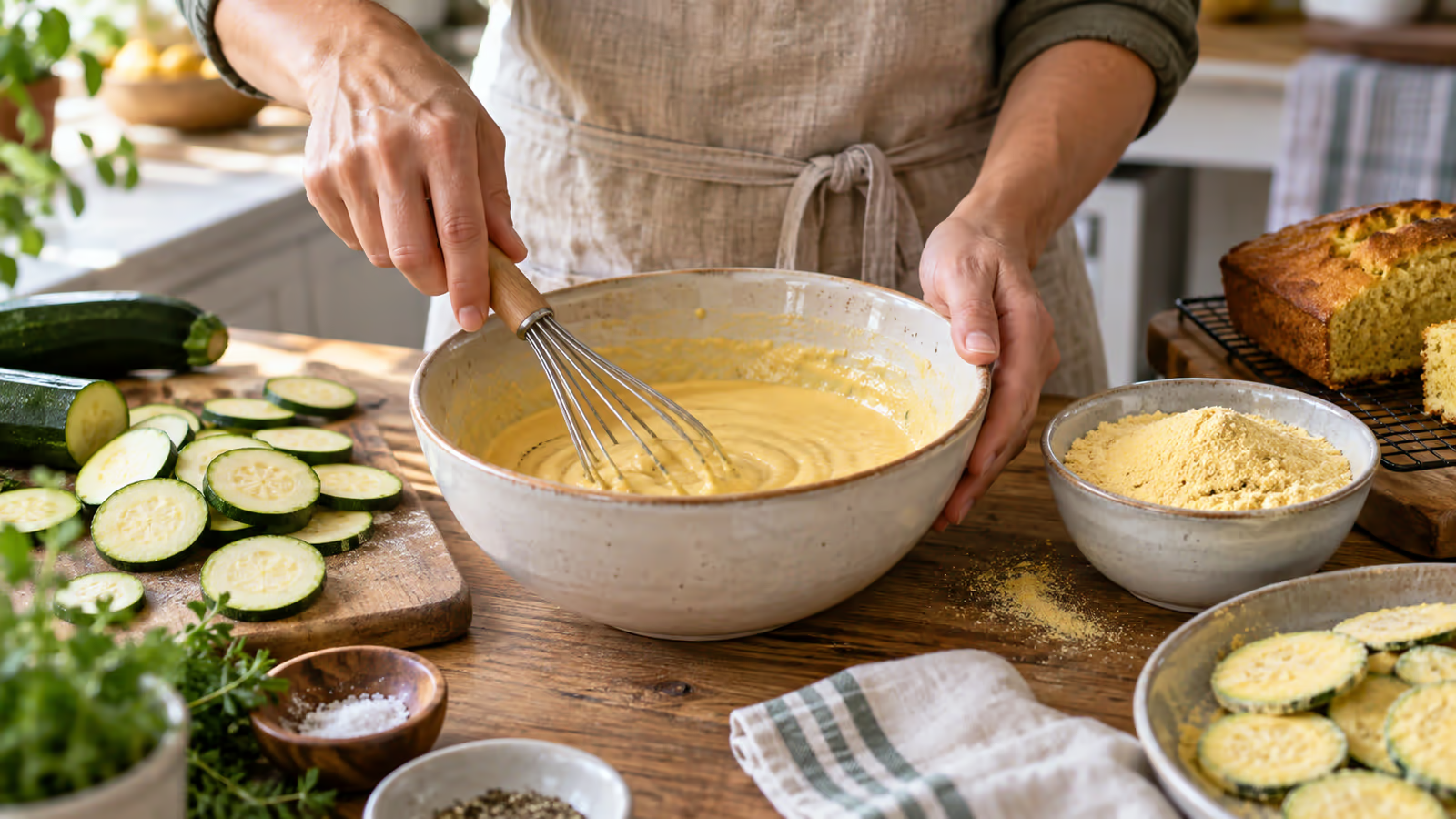
Fine corn flour brings color, a mellow corn flavor, and tenderness to pancakes, muffins, quick breads, cookies, and cakes. Blend it with wheat flour when gluten is welcome, or with rice flour, oat flour, tapioca starch, and a binder in tested gluten-free formulas. It also makes a delicate coating for fish or vegetables and can add body to a soup, although cornstarch creates a clearer, glossier thickening effect.
Hydration is the quiet variable. Whole-grain and finely stone-ground products can absorb water differently from refined flour, and corn has no stretchy gluten network to trap gas. If you are adapting a recipe, replace only a small portion of wheat flour first—perhaps 10% to 25% by weight—and let the batter rest briefly before deciding it is too wet or dry. For a reliable result, use a formula developed for the exact product.
For breading, season the food rather than dumping salt into the whole flour bag. Pat the surface dry, coat lightly, and cook promptly so the layer stays crisp. In noodles and pasta, corn flour is often paired with rice or another starch to improve bite. Our guide to gluten-free noodles shows how those blends behave once they meet boiling water.
Substitutes, storage, and smarter buying
The best substitute depends on the job. Fine cornmeal can replace U.S. corn flour in rustic breading or cornbread, but the result will feel coarser. Rice flour can provide a light gluten-free coating. Sorghum or oat flour can contribute whole-grain flavor in baking. Cornstarch substitutes for thickening—not for the full flour in bread or tortillas. Masa harina substitutes only when its alkaline corn flavor and dough behavior suit the dish.
Buy the smallest bag you will use while it still smells fresh. Whole-grain corn flour contains more natural oils and can turn stale or rancid sooner than a highly refined product. Store it sealed, cool, dry, and away from sunlight; refrigerate or freeze whole-grain flour for longer keeping, especially in a warm kitchen. Let a cold container come toward room temperature before opening so condensation does not dampen the flour.
Discard flour with insects, webbing, damp clumps, mold, or an oily, sour, paint-like odor. A printed date mostly speaks to quality, while contamination and poor storage create the real concern. Once you know which corn product is in your hand, it becomes wonderfully uncomplicated: fine corn flour for tender corn character, starch for silky thickening, coarse meal for texture, and masa harina for the dough it was born to make.
Sources
- eCFR: 21 CFR § 137.211—White Corn Flour
- eCFR: 21 CFR § 137.215—Yellow Corn Flour
- U.S. Food and Drug Administration: Gluten and Food Labeling
- USDA FoodData Central

Hi, I’m Laura, the voice behind Tastiva. I’ve always believed that eating well should feel enjoyable, comforting, and realistic—not like another complicated rule to follow. I love creating recipes that fit into everyday life, sharing simple nutrition ideas, and finding small ways to make meals feel a little better without losing the pleasure of good food.