
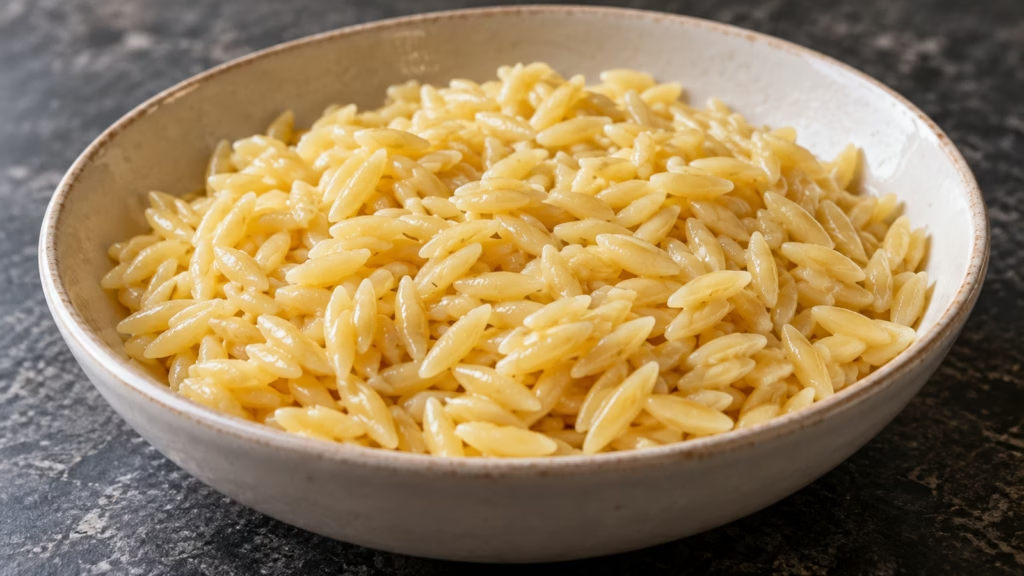
A scoop of orzo can look so much like rice that the box sends you back for a second look. Orzo is a small, rice-shaped pasta, usually made from durum wheat semolina. You can boil and drain it, simmer it in soup, or use a measured-liquid method for a spoonable, risotto-style dish. Choose the method by the result you want, rather than treating every small golden grain the same way.
For separate pieces, boil and drain. For a creamy, spoonable dish, follow a recipe that keeps the cooking liquid in the pan.
I’d make that decision before opening the stock. It tells you whether the pasta needs a strainer, a soup pot, or a little closer attention in a skillet, and it saves a surprising amount of dinner-time guesswork.
What orzo is, and how it differs from rice
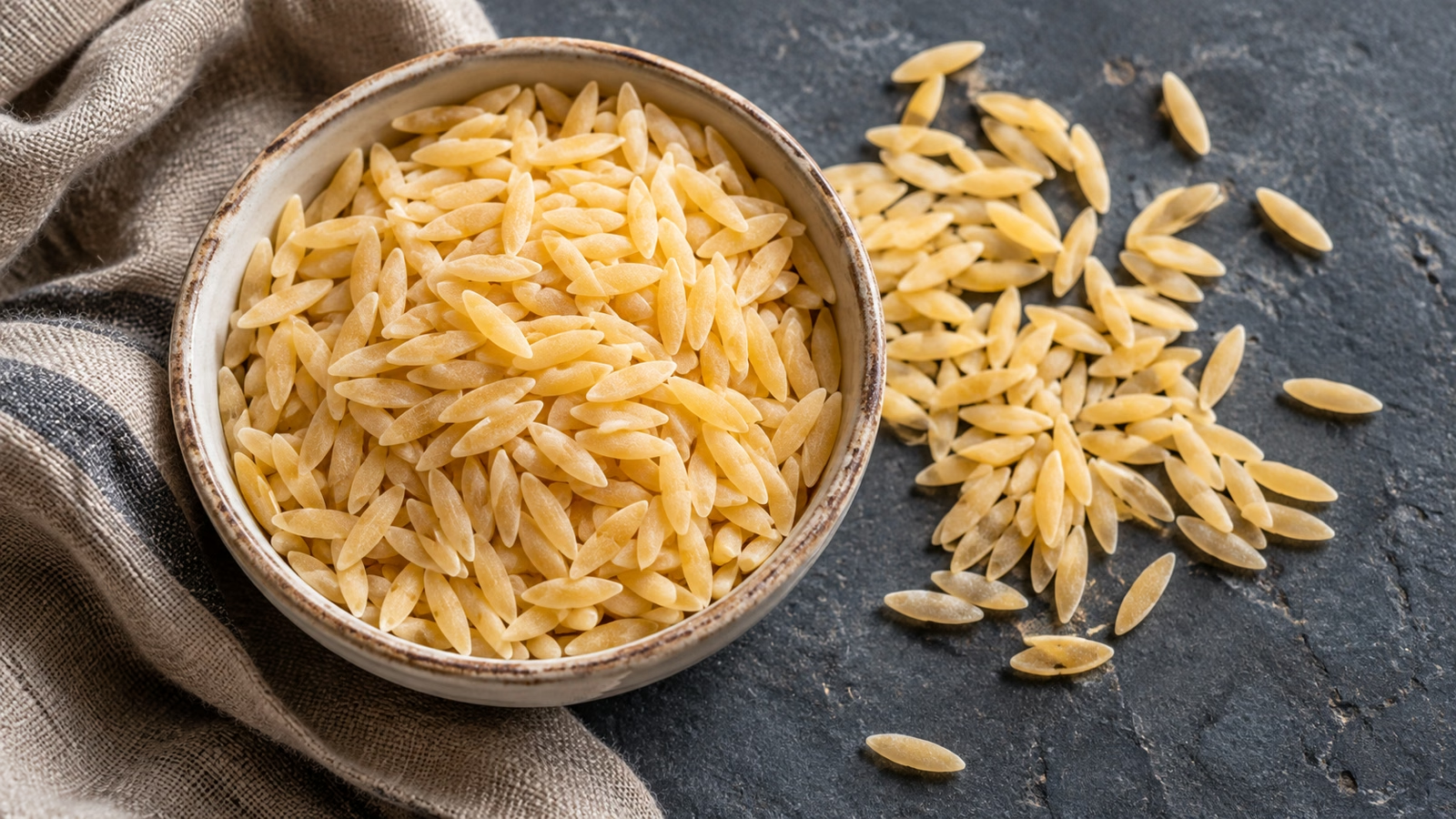
The name orzo means “barley” in Italian, but a box of orzo pasta is neither barley nor rice. It is shaped dough. Standard semolina orzo contains wheat, and its small size does not make it gluten-free. Read the ingredient and allergen labels if that distinction matters for your household.
- Orzo pasta: Small, smooth pieces designed to cook like pasta. The familiar shape also works in recipes inspired by rice dishes.
- Rice: A grain with different varieties and cooking requirements. A rice recipe’s timing and liquid amount do not automatically transfer to orzo.
- Risoni: Another name you may see for rice-shaped pasta. Check the package directions and ingredients rather than assuming every product has the same size or formula.
- Whole-wheat or alternative versions: These can change flavor, texture, and cooking behavior. The product label is more useful than a general timing chart.
For more on the ingredient behind many dried pastas, see Tastiva’s guide to durum wheat and semolina. In the kitchen, the useful distinction is simple: a shape can resemble a grain without behaving exactly like one.
Choose the cooking method before the pot
There is more than one sensible way to cook orzo. The difference is what happens to the liquid: you drain it, retain it in the dish, or serve the pasta surrounded by broth. These are method choices, not competing definitions of the ingredient.
- Boil and drain for a separate-pasta result. Use the package directions, stir during cooking, taste for a tender but firm bite, then drain through a fine enough strainer to hold the little pieces. This is a straightforward starting point for salads or a side dish.
- Simmer in measured liquid for a cohesive skillet dish. Follow a complete orzo recipe, including its pan size and stirring instructions. The sauce, vegetables, and heat affect how much liquid remains, so a universal rice-to-water shortcut is not dependable for every combination.
- Add to soup for a spoonable meal. A recipe may cook orzo directly in the broth or cook it separately before adding it. Follow the specified order rather than putting it in at the beginning of a long simmer.
- Use a risotto-style method when that texture is the goal. Orzo can stand in for rice in a dish designed around pasta. Call it risotto-style orzo rather than expecting the same result from an unchanged rice recipe.
Barilla’s U.S. Classic Blue Box orzo lists 9–10 minutes, but that is product guidance, not a stopwatch setting for every one-pot dinner. Taste as the recipe approaches its endpoint. I’d rather adjust while the pasta still has structure than try to rescue an already-soft pan.
Build a meal around the small shape
Orzo is useful when you want a spoonful that includes several ingredients at once. Keep vegetables and other additions reasonably small so the pasta does not disappear beneath pieces that need a knife. Start with one serving direction and build outward.
- Fresh pasta salad: Combine cooked orzo with chopped vegetables and a dressing suited to the full recipe. A little feta adds a salty, tangy finish, so taste before adding more salt.
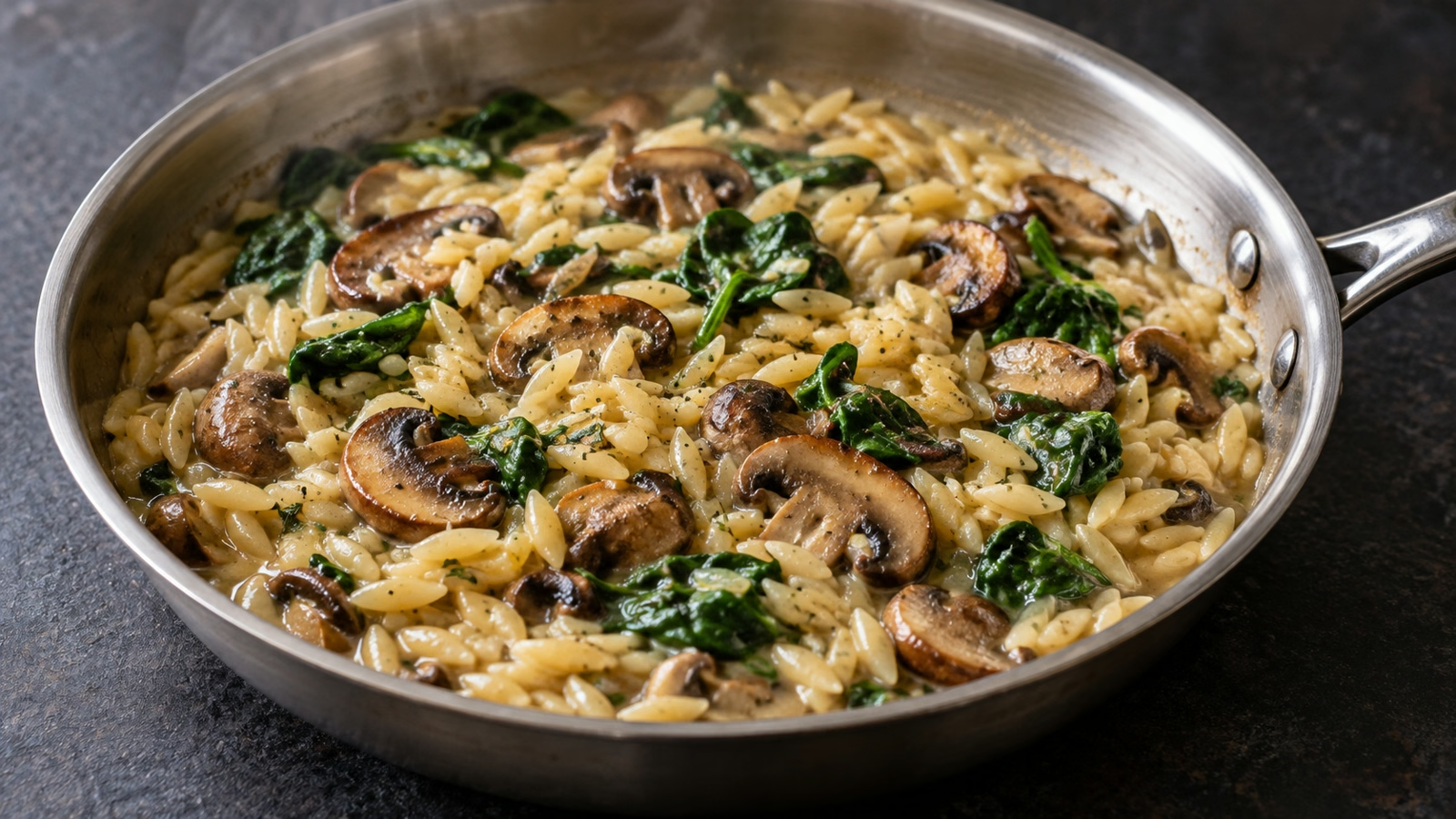
- Mushroom-and-spinach skillet: Choose an orzo recipe in which the pasta cooks with the sauce. Cook mushrooms as directed before adding liquid if the recipe calls for browning.
- Brothy soup: Use the small pasta alongside diced vegetables and chicken, beans, or another ingredient specified by the recipe. Keep the balance brothy rather than adding pasta by guesswork.
- Simple side dish: Boiled orzo can sit alongside vegetables, fish, or poultry without requiring a rich sauce. A modest coating and a clear seasoning direction may be enough.
My preference for a first orzo dish would be the method you already find comfortable. If you regularly cook pasta, begin with boiling and draining. A skillet version can wait until you want the sauce and pasta to cook together. Dinner does not need a learning curve in every pan.
Measurements, swaps, and common sticking points
Measure orzo the way the recipe specifies. A cup of dry pasta and a cup of cooked pasta are not interchangeable, and the amount in a cup changes with the shape. When a recipe supplies a weight, a scale avoids that particular guessing game.
- Dry versus cooked: Keep the stated form attached to the measurement when scaling a recipe. Do not replace a dry amount with the same volume of cooked orzo.
- Too thick before the pasta is ready: In a skillet recipe, check the heat and add liquid only as that method allows. Stir and taste; a dry pan is not proof of doneness.
- A soup becoming too full of pasta: Follow the recipe’s pasta amount. For a version designed with separately cooked pasta, combine it near serving rather than changing the whole pot by eye.
- Substituting another small pasta: Ditalini or another soup shape may work in some dishes, but size and timing change. Use the replacement’s instructions and be especially cautious in measured-liquid recipes.
- Substituting rice: Choose a rice recipe or a tested adaptation. Similar appearance is not enough to establish the same liquid quantity or cooking time.
Allrecipes’ Nicole McLaughlin explains the pasta, pilaf-style, and risotto-style approaches in the video below. It is a useful companion when deciding which kind of orzo dish you want to make.
Sources
- Barilla: Orzo product and cooking information
- Tesco: What orzo is and how to use it
- KitchenAid: Orzo cooking methods
- Barilla: Soup pasta shapes and methods
- Barilla: Dry and cooked pasta measurements

Hi, I’m Laura, the voice behind Tastiva. I’ve always believed that eating well should feel enjoyable, comforting, and realistic—not like another complicated rule to follow. I love creating recipes that fit into everyday life, sharing simple nutrition ideas, and finding small ways to make meals feel a little better without losing the pleasure of good food.