
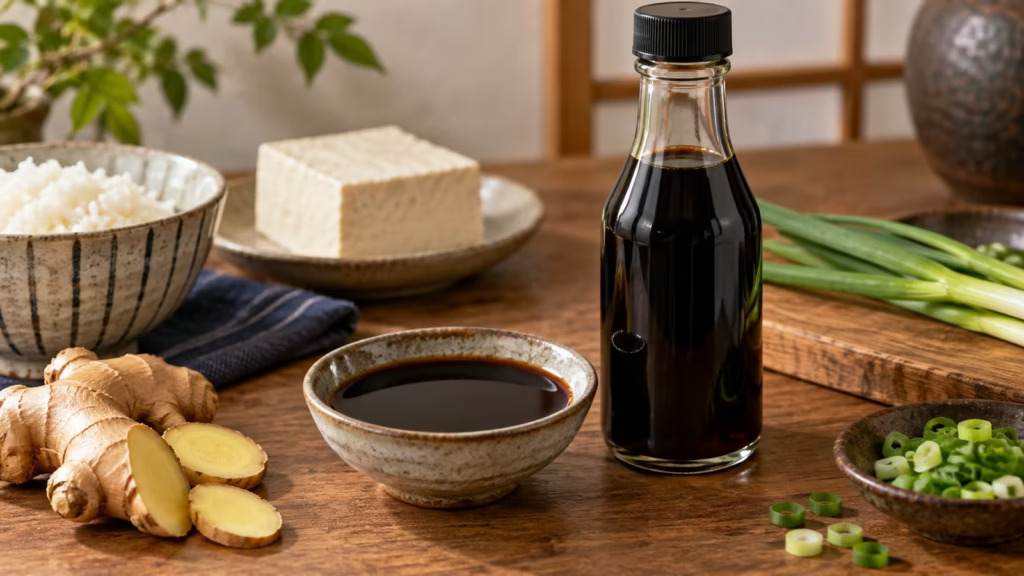
Tamari is a dark Japanese-style fermented soy seasoning with deep umami flavor. It is closely related to soy sauce, but it is usually made with more soybeans and little or no wheat. That does not mean every bottle is gluten-free, so people with celiac disease or gluten sensitivity should choose a product explicitly labeled gluten-free and read the ingredient list.
Tamari can replace soy sauce in many dishes, but the label—not the product name—determines whether it is gluten-free.
How tamari is made
Traditional tamari developed as the flavorful liquid associated with fermenting soybean miso. Modern commercial versions are brewed from soybeans, water, salt, and a fermentation culture; some formulas also include wheat, alcohol, preservatives, or other ingredients. Recipes and aging methods differ among producers, which is why one tamari can taste round and mellow while another is intensely salty.
Fermentation breaks down soybean proteins and creates savory compounds that contribute umami. The finished sauce is strained and may be pasteurized. Tamari is used as a condiment, marinade, and cooking seasoning rather than as a substantial serving of soy protein.
Tamari vs soy sauce
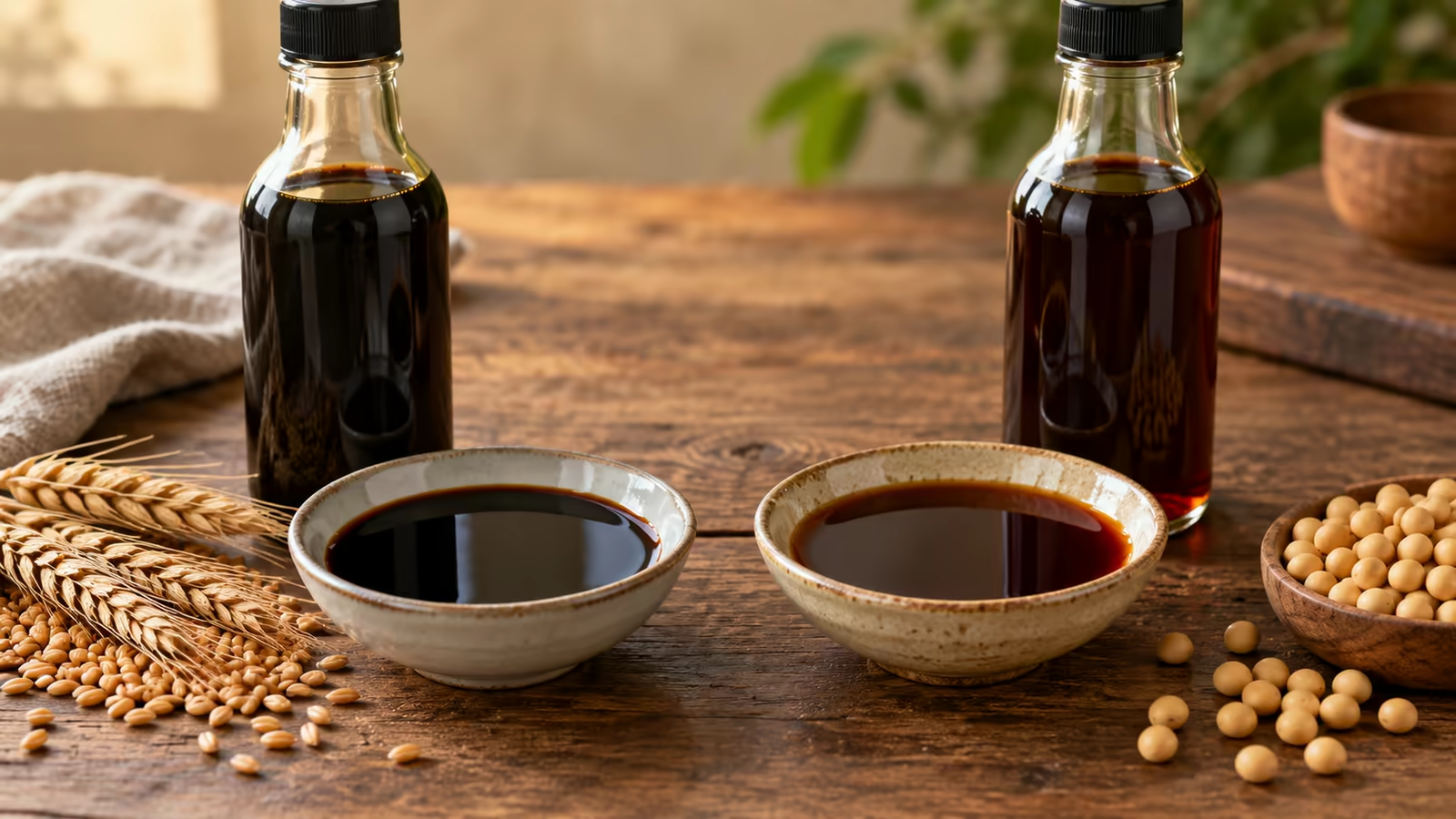
Both tamari and standard soy sauce are fermented soy seasonings, but standard Japanese soy sauce commonly includes both soybeans and wheat. Tamari often contains more soy and less wheat, producing a slightly thicker body and a rich flavor. These are tendencies, not guarantees: ingredients, salt level, color, and intensity vary by brand.
In everyday cooking, you can usually substitute tamari for soy sauce in a one-to-one amount, then taste before adding more. Because the perceived saltiness and concentration may differ, it is better to season gradually. If you are comparing other savory pantry ingredients, chicken bouillon is also concentrated and should be adjusted with the rest of the dish’s salt in mind.
- Tamari is often darker and fuller-bodied than light soy sauce.
- Soy sauce may taste sharper or more aromatic, depending on the style.
- Reduced-sodium versions still contain sodium; “reduced” is a comparison with the brand’s regular product.
- Coconut aminos are a different, usually sweeter seasoning and are not a direct flavor match.
Is tamari gluten-free?
Many tamari products are made without wheat, but some are not. In the United States, a packaged food that voluntarily uses a “gluten-free” claim must meet the FDA definition, including containing less than 20 parts per million of gluten. For a medically necessary gluten-free diet, look for that claim instead of relying on the word tamari, restaurant descriptions, or assumptions about tradition.
Read the ingredient list for wheat and check the allergen statement. Also consider cross-contact: a restaurant may use the same bottle, wok, utensils, or preparation surface for sauces that contain wheat. Ask specific questions if small exposures matter. This guide to gluten in soy sauce explains the label checks in more detail.
Tamari still contains soy, one of the nine major U.S. food allergens. A gluten-free label does not make a product soy-free, and a wheat-free ingredient list does not override a soy allergy. Choose a different seasoning if soy must be avoided.
How to choose and cook with tamari
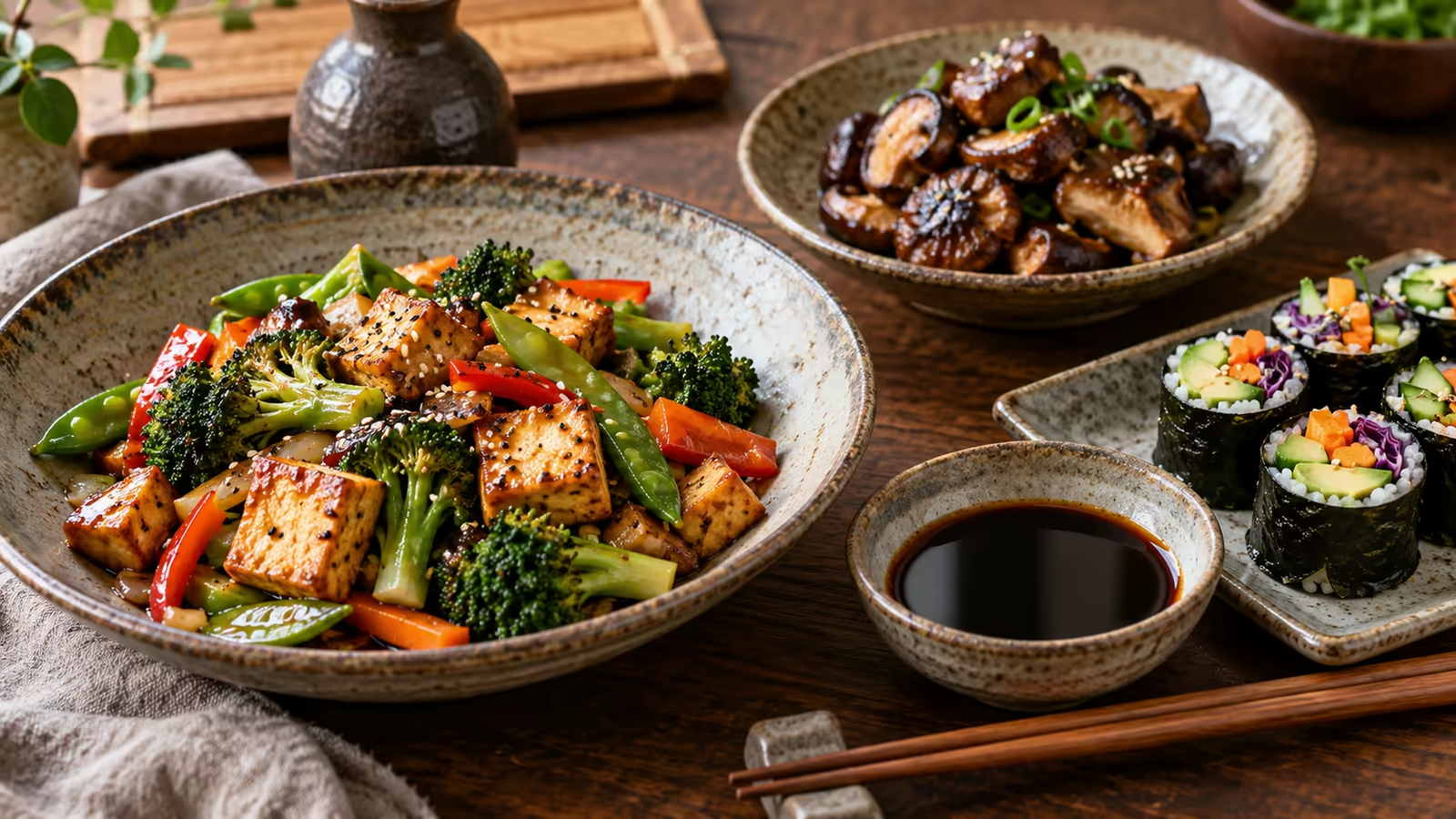
Start by checking four things on the bottle: gluten-free labeling if needed, sodium per serving, the serving size, and the ingredient list. Tamari is concentrated, so a teaspoon or two may be enough to season a dish. The CDC notes that excess sodium can raise blood pressure and cardiovascular risk; small measured amounts make it easier to manage the total from sauces, broths, and packaged foods.
Whisk tamari with rice vinegar, ginger, garlic, and a little sesame oil for a quick dressing. Add it near the end of a stir-fry, brush a measured amount onto tofu or salmon, or stir a splash into soup. For a glaze, combine it with an acidic ingredient and a modest amount of sweetness, then simmer carefully because reduced sauces become saltier as water evaporates.
- Taste the food before adding salt elsewhere in the recipe.
- Use water, citrus juice, or unsalted broth to dilute a strong sauce.
- Refrigerate after opening if the label directs you to do so.
- Try tamari with soybeans, vegetables, rice, noodles, eggs, fish, or poultry.
- For dipping, pour a small amount rather than filling the bowl.
Sources
- U.S. Food and Drug Administration: Gluten and Food Labeling
- U.S. Food and Drug Administration: Food Allergies
- Centers for Disease Control and Prevention: Sodium and Health

Hi, I’m Laura, the voice behind Tastiva. I’ve always believed that eating well should feel enjoyable, comforting, and realistic—not like another complicated rule to follow. I love creating recipes that fit into everyday life, sharing simple nutrition ideas, and finding small ways to make meals feel a little better without losing the pleasure of good food.