
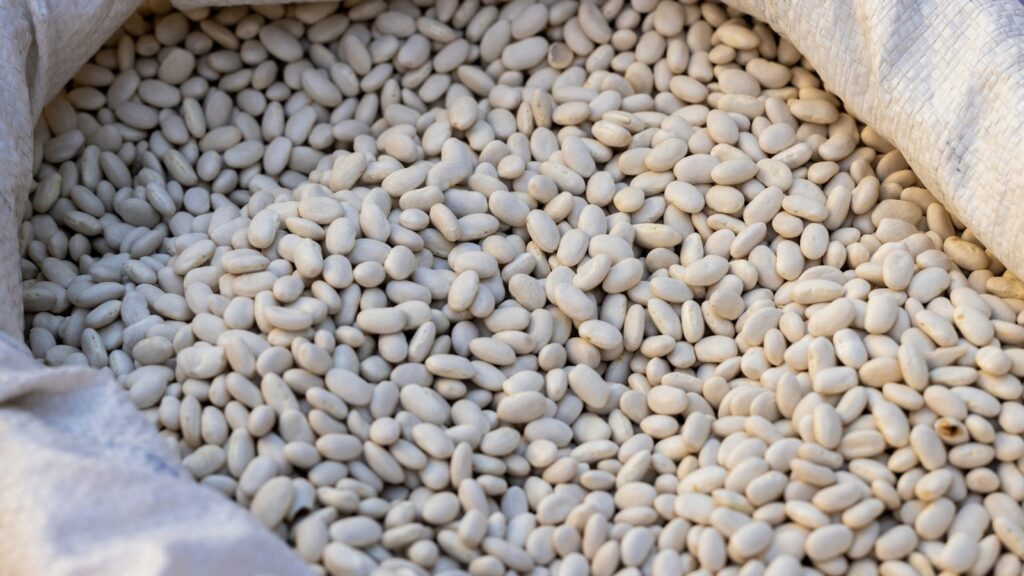
A recipe asks for white beans, and suddenly three nearly identical cans are competing for the same spot in your basket. White beans are a group that includes navy, Great Northern, and cannellini beans, with pale lima beans sometimes included too. The useful difference is how big they are and what texture you want in the finished dish.
Choose the bean for the bite you want: creamy enough to blend, or sturdy enough to stay whole in the bowl.
The main types of white beans
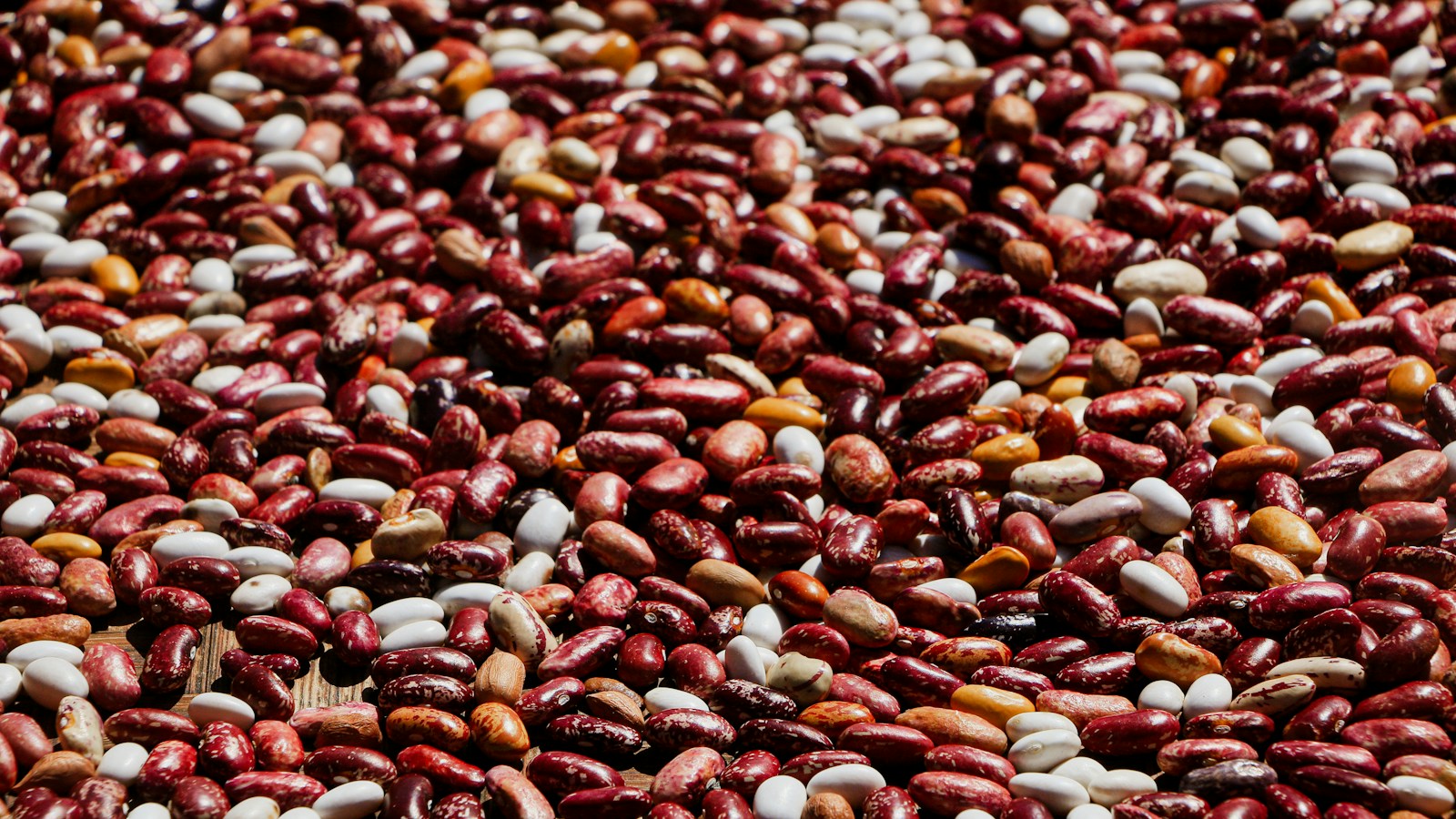
Cannellini beans are white kidney beans: relatively large, curved, and substantial enough to stand out among chopped vegetables. Great Northern beans sit between cannellini and small navy beans in size. Navy beans become particularly creamy, which makes them useful when part of the pot should melt into the broth.
| Type | Size and cooked texture | A useful starting point |
|---|---|---|
| Navy | Small; soft and creamy | Blended dips, thick soups, baked beans |
| Great Northern | Medium; mild, with tender flesh | Brothy beans, casseroles, everyday soups |
| Cannellini | Larger and kidney-shaped; substantial bite | Salads, minestrone, beans on toast |
| Lima or butter beans | Broad and flattened; size varies | Warm vegetable dishes and chunky bean bowls |
Those are helpful tendencies, not promises that every can behaves identically. Variety, bean age, and processing affect firmness; a very soft can of cannellini can still make a lovely dip. For a broader look at where these ingredients fit, Tastiva’s guide to legumes explains the family beyond white beans.
I’d choose by the dish before worrying about a perfect substitution. When the beans are already cooked, navy, Great Northern, and cannellini can often fill the same role in equal drained amounts; the result may simply be creamier or chunkier. Large butter beans change the size of each mouthful more noticeably.
Canned or dried: match the work to the meal
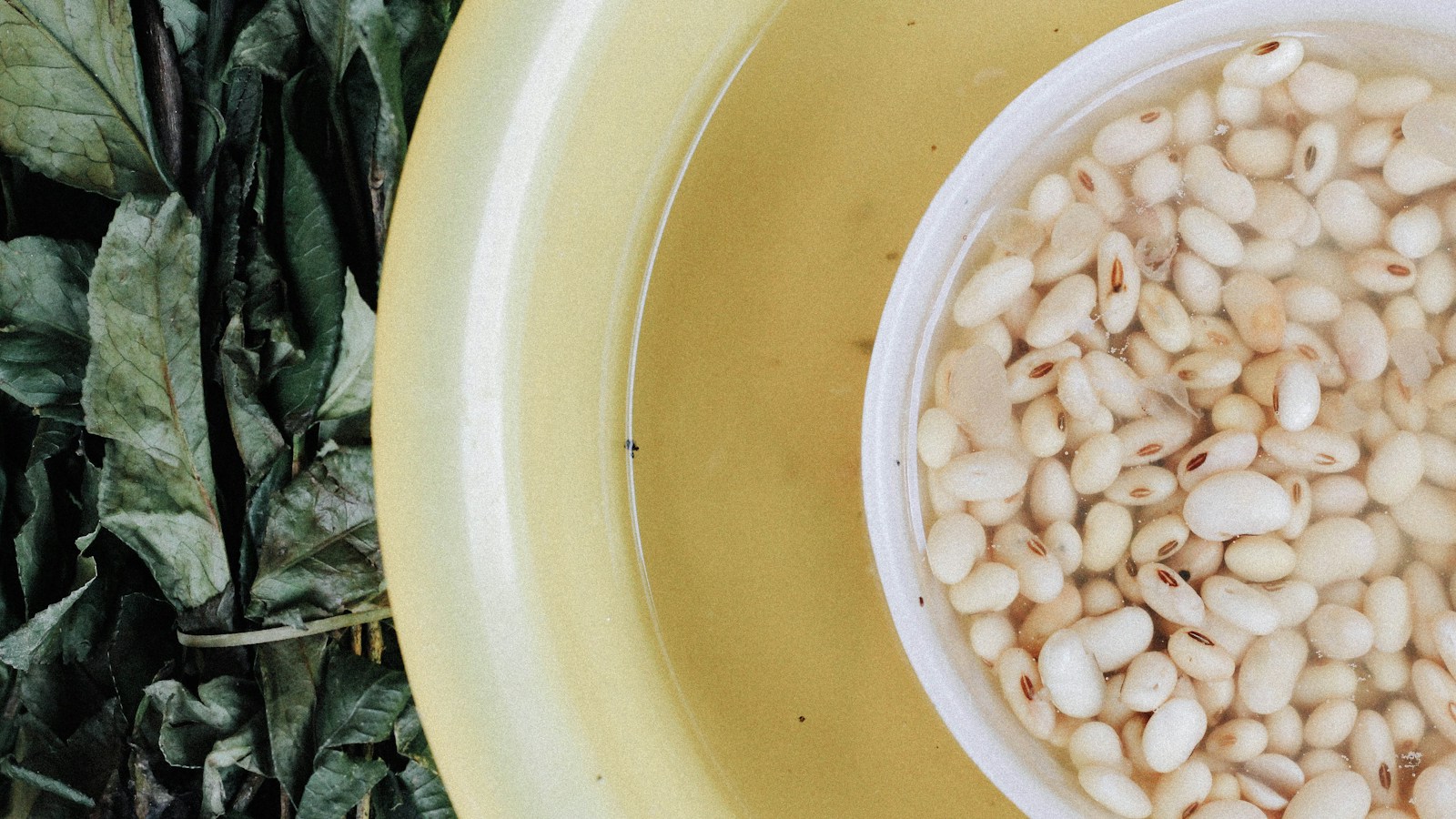
Canned beans are cooked and ready to use after opening. Drain them for salads; rinse if you want to remove the packing liquid and some sodium. For a brothy dish, you can retain a little liquid if its flavor suits the recipe, then adjust salt after tasting the whole pot.
Dried beans offer more control over seasoning and final texture, but need planning. Sort out debris, rinse, and follow a reliable method for the variety on the bag. Keep different varieties in separate pots when their cooking times differ; one soft bean does not tell you that its larger neighbor is ready.
- Need dinner quickly? Start with canned beans and spend your effort on the vegetables, herbs, and dressing.
- Want intact beans? Fold cooked beans in gently near the end instead of repeatedly stirring a rolling pot.
- Want a thicker soup? Mash some cooked beans separately, then return them to the broth.
- Comparing prices? Compare the cooked, usable quantity. A pound of dried beans is not equivalent to a pound of canned beans and liquid.
There is one safety distinction worth keeping clear: dried cannellini are kidney beans and need adequate boiling to destroy their naturally occurring lectin. The FDA’s kidney-bean guidance recommends soaking at least five hours, discarding that water, and boiling in fresh water for at least 30 minutes before continuing until fully tender. Do not rely on a slow cooker alone; commercially canned beans have already been cooked.
What white beans contribute to a meal
White beans supply carbohydrate, fiber, plant protein, and minerals, rather than belonging neatly in just one nutrition box. For example, NDSU’s composition table lists about 7.4 grams of protein and 6.2 grams of fiber in half a cup of cooked, unsalted Great Northern beans. That specific serving is a better comparison than a vague claim that every bean has the same numbers.
Packaged varieties differ, especially when sauce, salt, or meat is added. Compare equivalent drained servings and check the current label if sodium matters to you. Plain beans can anchor a meal alongside grains and vegetables, but a spoonful scattered over lettuce contributes less protein than a substantial portion.
If beans are new to your routine, start with an amount that feels comfortable and increase gradually. I’d rather make them an enjoyable part of several meals than turn one enormous bowl into a test of commitment. People following an individualized potassium or digestive-health plan should use the portions advised by their clinician or dietitian.
Make the most of the beans you open
Their mild flavor leaves room for a few clear companions: lemon for brightness, garlic for savory depth, and herbs for freshness. With canned or fully cooked beans, a dressing can do much of the work. When cooking from dried, add acidic ingredients such as tomatoes or vinegar after the beans soften, because acid can delay tenderizing.
- For toast: Roughly mash beans with olive oil and lemon, then add sliced tomatoes or greens.
- For a lunch bowl: Combine whole beans with a cooked grain, crunchy vegetables, and a dressing you already enjoy.
- For soup: Add cooked beans to vegetable broth, then crush a small portion for body.
- For a dip: Blend cooked beans, loosen gradually with liquid, and adjust seasoning after the texture is right.
Refrigerate cooked beans promptly in shallow covered containers; use refrigerated leftovers within three to four days, or freeze meal-size portions. Include a little cooking liquid when you want softer beans for reheating. Label the container with the date and intended use, so that a small portion has a clear destination instead of becoming a mystery at the back of the fridge.
Sources
- Camellia: Differences among four types of white beans
- NDSU Extension: Bean nutrition, preparation, and cooking
- FDA: Bad Bug Book, kidney-bean lectin guidance
- FDA: Safe food handling
- FoodSafety.gov: Cold food storage chart

Hi, I’m Laura, the voice behind Tastiva. I’ve always believed that eating well should feel enjoyable, comforting, and realistic—not like another complicated rule to follow. I love creating recipes that fit into everyday life, sharing simple nutrition ideas, and finding small ways to make meals feel a little better without losing the pleasure of good food.