
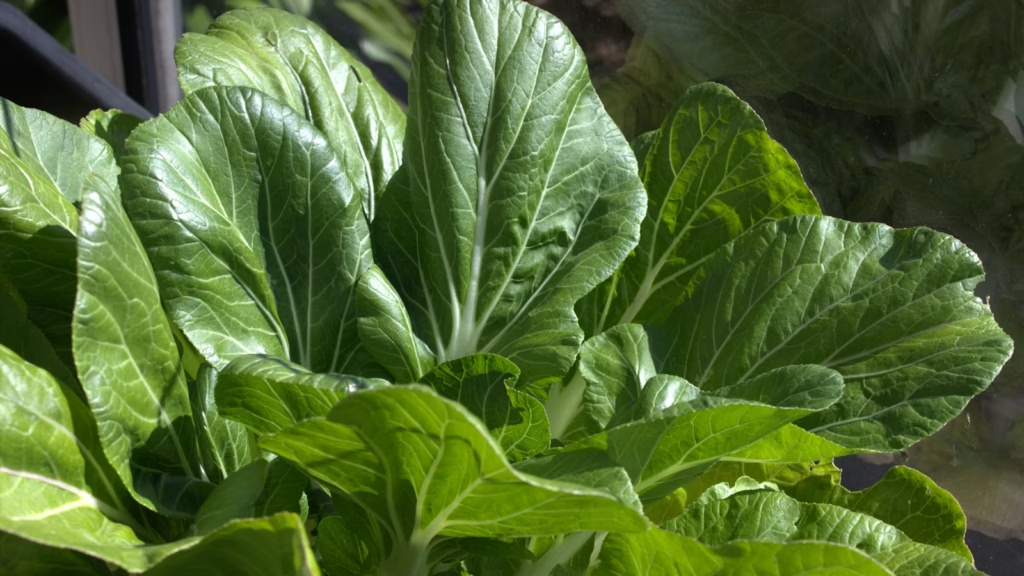
Pak choi has a small kitchen trick built into every bunch: the pale stalks want a little time in the pan, while the green leaves need barely any. Treat both parts the same and one usually loses—either the stems stay too firm or the leaves slump into submission. The simple answer is to separate their timing, not their place on the plate.
Pak choi is easiest to cook when you think of it as one vegetable with two textures: juicy stems and tender leaves.
Also called bok choy, this mild Chinese cabbage works in stir-fries, soups, steamed dishes, and quick sides. It brings fresh crunch without the assertive bitterness of some leafy greens. I’d choose it when a meal needs something green that can still hold its shape and catch a savory sauce.
Pak choi and bok choy are the same vegetable
Pak choi and bok choy are common English spellings for the same general vegetable, Brassica rapa subsp. chinensis. You may also see pak choy, pok choi, Chinese white cabbage, or Shanghai bok choy on labels. The name changes with region and transliteration; it does not signal a completely different ingredient.
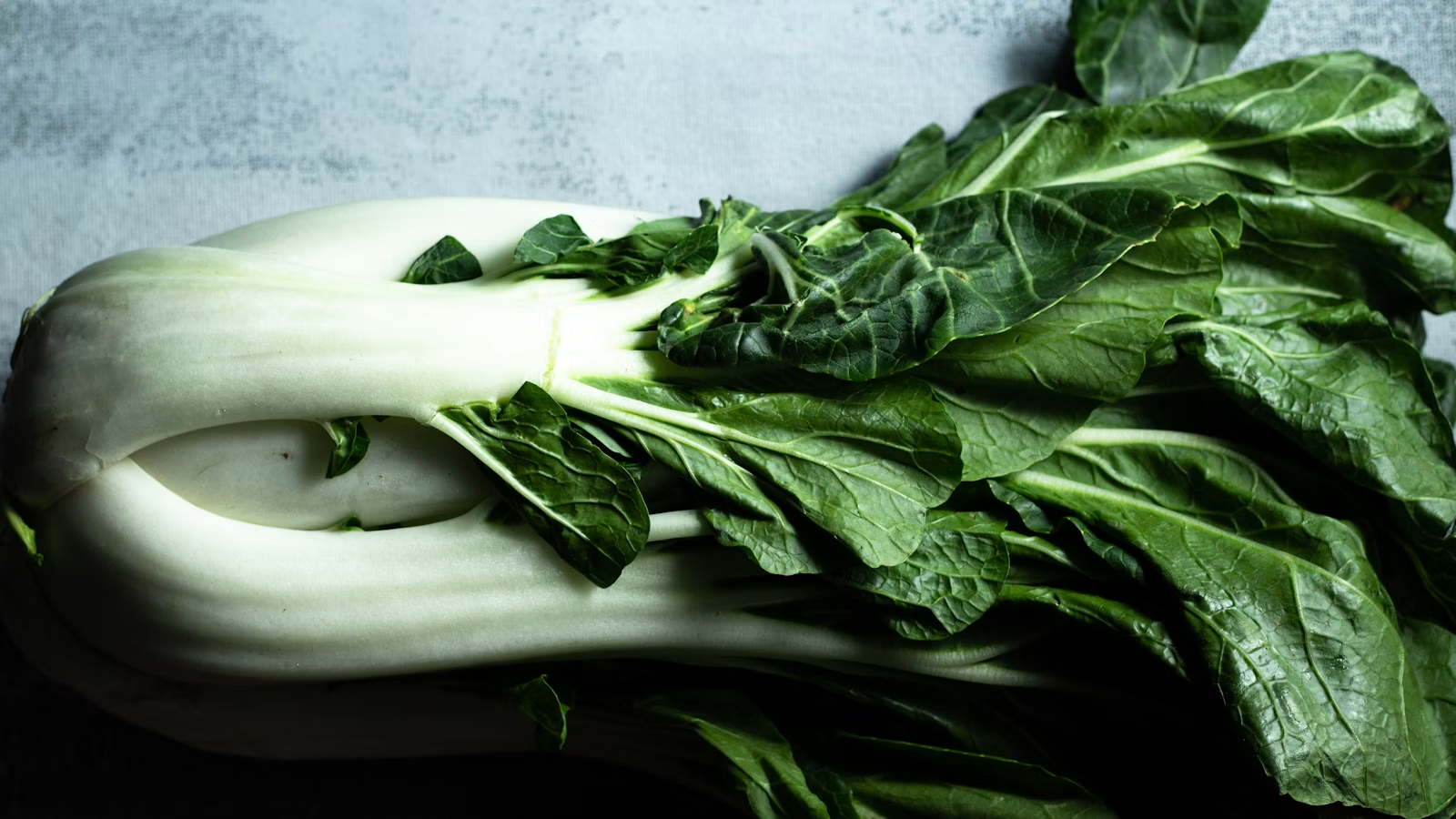
Varieties do look different. Some have broad white stalks and deep green leaves, while Shanghai types tend to have pale green stems and softer green leaves. “Baby” pak choi may mean a compact variety or a plant harvested young. It is usually tender enough to halve and cook almost whole.
- Mature bunches: larger stalks, more crunch, and a useful choice for slicing into stir-fries or soups.
- Baby pak choi: smaller, tender heads that look lovely halved, steamed, seared, or braised.
- White-stemmed types: especially crisp and juicy, with dark leaves that soften quickly.
- Green-stemmed types: generally more delicate, so watch the pan rather than relying only on a timer.
How to choose, clean, and store pak choi
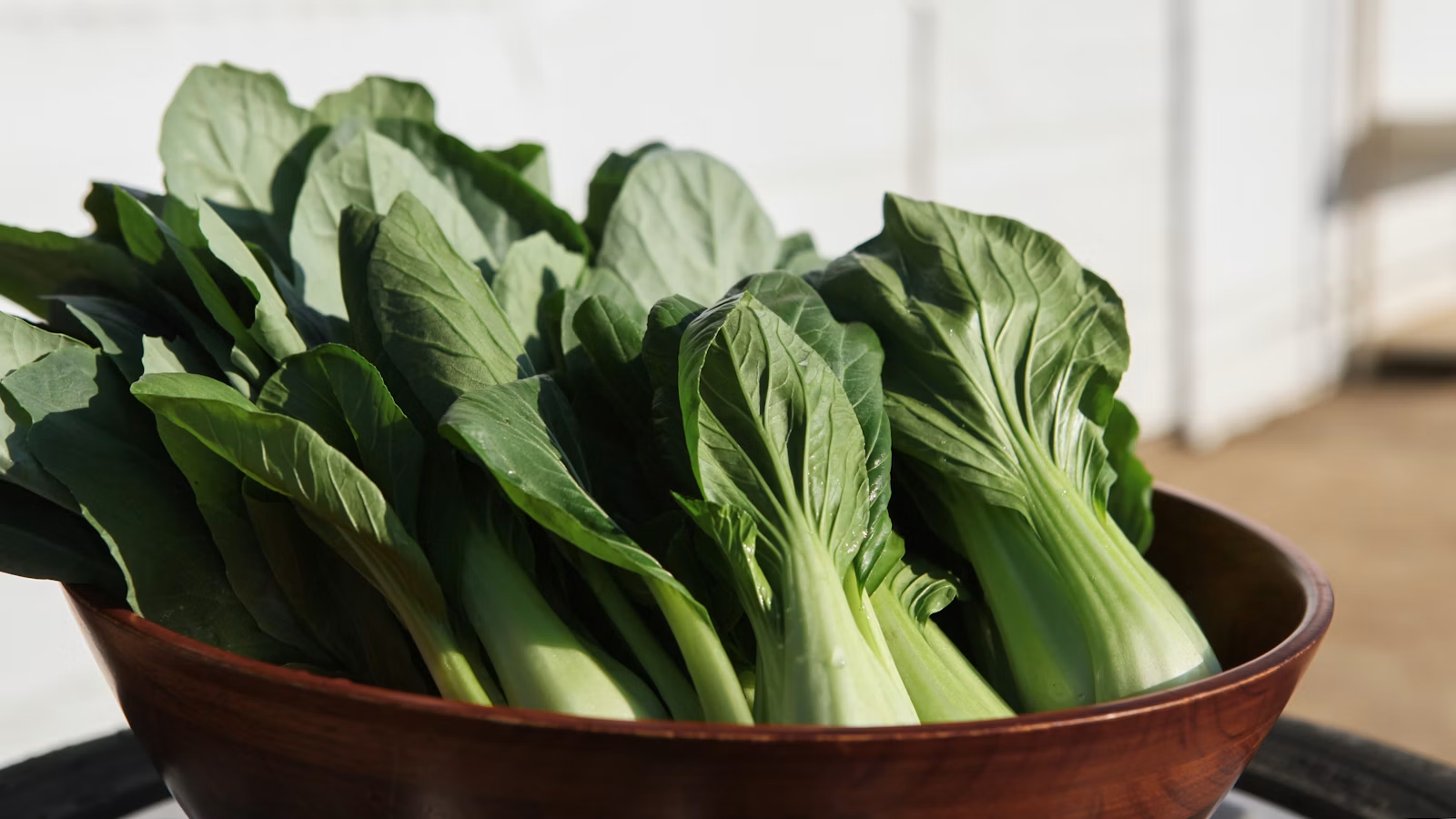
Look for firm stalks and bright leaves without slime, widespread yellowing, or dark wet spots. A few small insect holes are mostly a cosmetic issue, but limp stems tell you the bunch has lost its best texture. I’d buy only what I can use while the stalks still snap cleanly.
Grit likes to hide where the stalks meet. For a mature head, trim the base, separate the stalks, and rinse them under cool running water, rubbing gently around the curved bottoms. Halved baby heads need attention between their inner layers too. The FDA recommends plain running water rather than soap, detergent, or commercial produce wash.
- Store the unwashed vegetable in the refrigerator so extra moisture does not speed deterioration.
- Keep it in a loose or perforated produce bag rather than sealing wet leaves tightly.
- Wash shortly before cooking, then dry well if it is going into hot oil.
- Discard pieces that become slimy, strongly odorous, or extensively discolored.
How to cook pak choi without losing the crunch
For sliced pak choi, add the chopped stalks first and the leaves later. The stems need enough heat to lose their raw edge while staying juicy; the leaves only need time to wilt and turn glossy. Drying the vegetable matters in a stir-fry because water trapped between the stalks can cool the pan and thin the sauce.
A hot skillet with a little oil, garlic, and ginger is the fastest route. Sear halved baby pak choi cut-side down, then add a splash of water or stock and cover briefly so the center softens. In soup, slide the stems in before the leaves. They would fit naturally near the end of a bowl such as this beef noodle soup, where a little crunch keeps the broth from feeling one-note.
- Stir-fry: use high heat and cook in a roomy pan to limit steaming.
- Steam: keep the heads intact or halved and stop when the stalks are just tender.
- Braise: add a small amount of flavorful liquid and cook gently under a lid.
- Soup: add thick stems first, followed by leaves near the end.
- Raw: finely slice tender young stalks and leaves for slaws or crisp salads.
Nutrition, portions, and useful pairings
Pak choi is a low-energy leafy vegetable that contributes vitamin C, vitamin K, folate, and carotenoids, though amounts depend on the serving and whether it is raw or cooked. I’d focus less on turning it into a “superfood” and more on its practical strength: it adds volume, color, and texture without demanding a heavy preparation.
Its mild flavor welcomes salty, sour, spicy, and aromatic partners. Soy sauce or miso brings savoriness; rice vinegar or citrus adds brightness; sesame oil supplies richness; garlic, ginger, scallions, and chile build aroma. Add sesame oil near the end so its flavor stays noticeable rather than disappearing into the cooking fat.
- Pair it with tofu, eggs, fish, chicken, beef, noodles, or rice for a fuller meal.
- Keep sauce amounts measured if sodium is a concern; the vegetable itself does not need to swim.
- For people taking warfarin or another vitamin K–sensitive medication, consistent intake matters more than suddenly avoiding greens; follow the clinician’s advice.
- Anyone with a specific medical condition should treat nutrition guidance as general information, not a substitute for individualized care.
Made With Lau demonstrates how to prepare and stir-fry bok choy, including drying the leaves and adding seasoning near the end. The recipe uses garlic and chicken bouillon; choose seasonings that fit your meal.
Sources
- University of Wisconsin–Madison Extension: Bok Choy
- University of Arkansas Extension: Selecting and Using Bok Choy
- USDA FoodData Central
- U.S. FDA: Selecting and Serving Produce Safely

Hi, I’m Laura, the voice behind Tastiva. I’ve always believed that eating well should feel enjoyable, comforting, and realistic—not like another complicated rule to follow. I love creating recipes that fit into everyday life, sharing simple nutrition ideas, and finding small ways to make meals feel a little better without losing the pleasure of good food.