
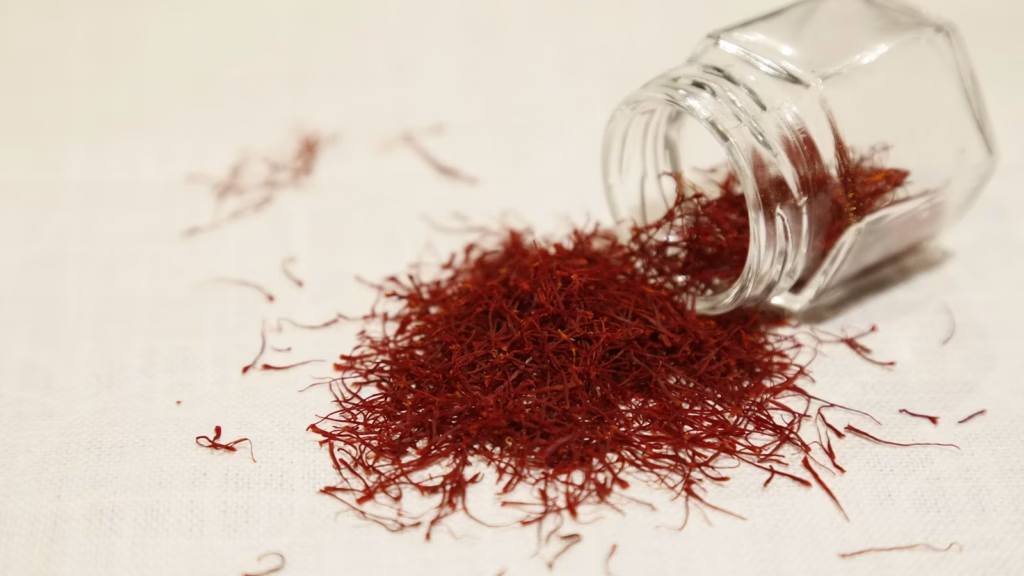
Saffron is the spice that makes a pot of rice smell floral, honeyed, and faintly earthy before the lid is fully lifted. Its red threads stain cooking liquid gold, but color is only half the reason cooks treasure it. Used with restraint, the spice adds an aroma that feels luxurious without being loud. Used carelessly, it can taste medicinal and turn an expensive pinch into a lecture.
Saffron rewards a light hand; the goal is perfume, not a spice drawer shouting match.
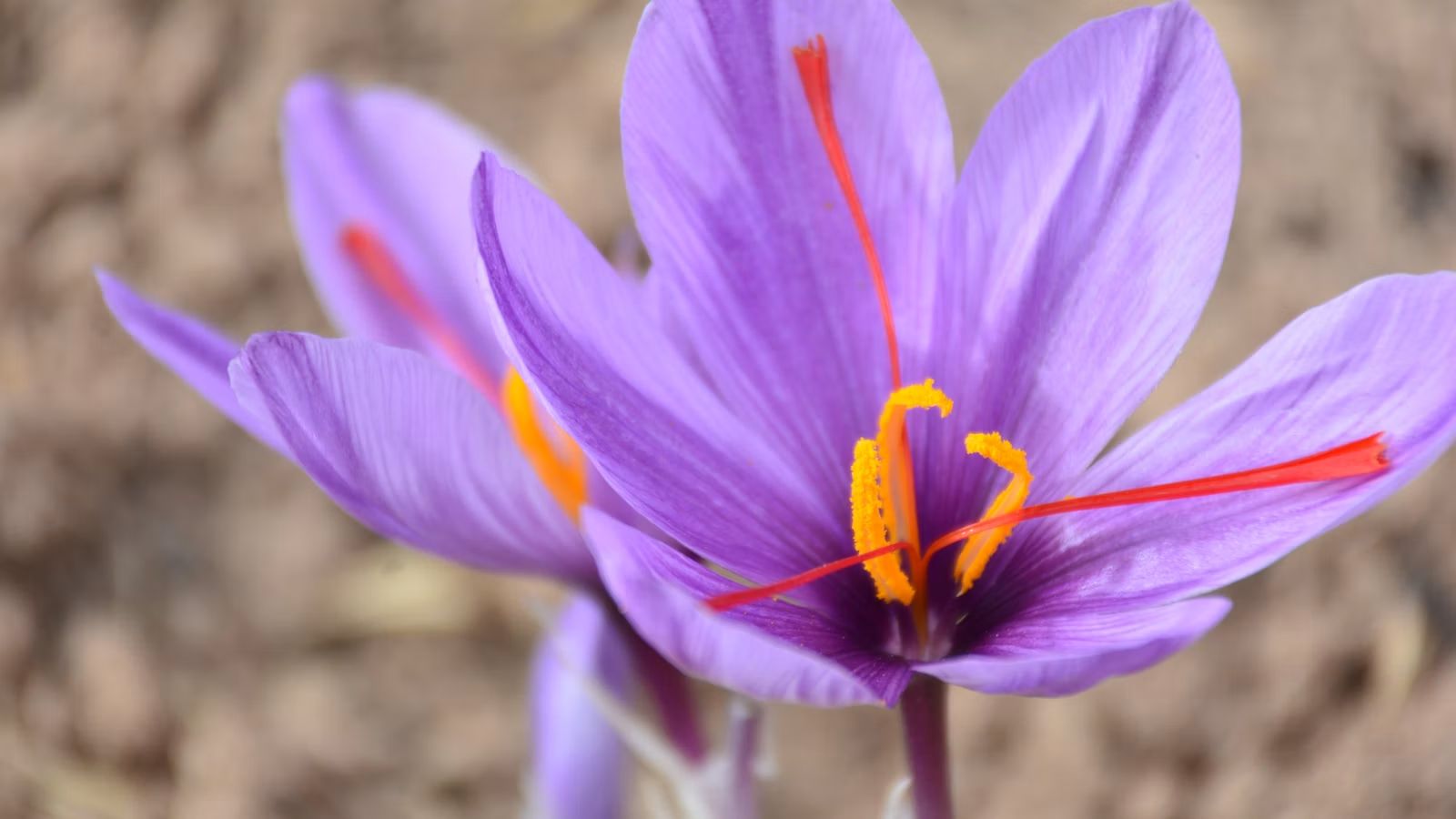
Those delicate strands are the dried stigmas of Crocus sativus, the saffron crocus. Kew’s plant-name database identifies the flower and its dried stigmas as the source of the spice. Each flower produces only three stigmas, so harvesting means gathering a lot of blooms and separating tiny threads by hand. Suddenly the little jar’s price feels less dramatic.
What is saffron?
True saffron consists of narrow crimson threads, often with a slightly flared end. After harvest, the stigmas are dried to concentrate their aroma, bitter edge, and coloring power. The spice is strongly associated with Iran, but it is also grown and used across Afghanistan, India, Spain, Greece, Morocco, Italy, and other regions with long saffron traditions.
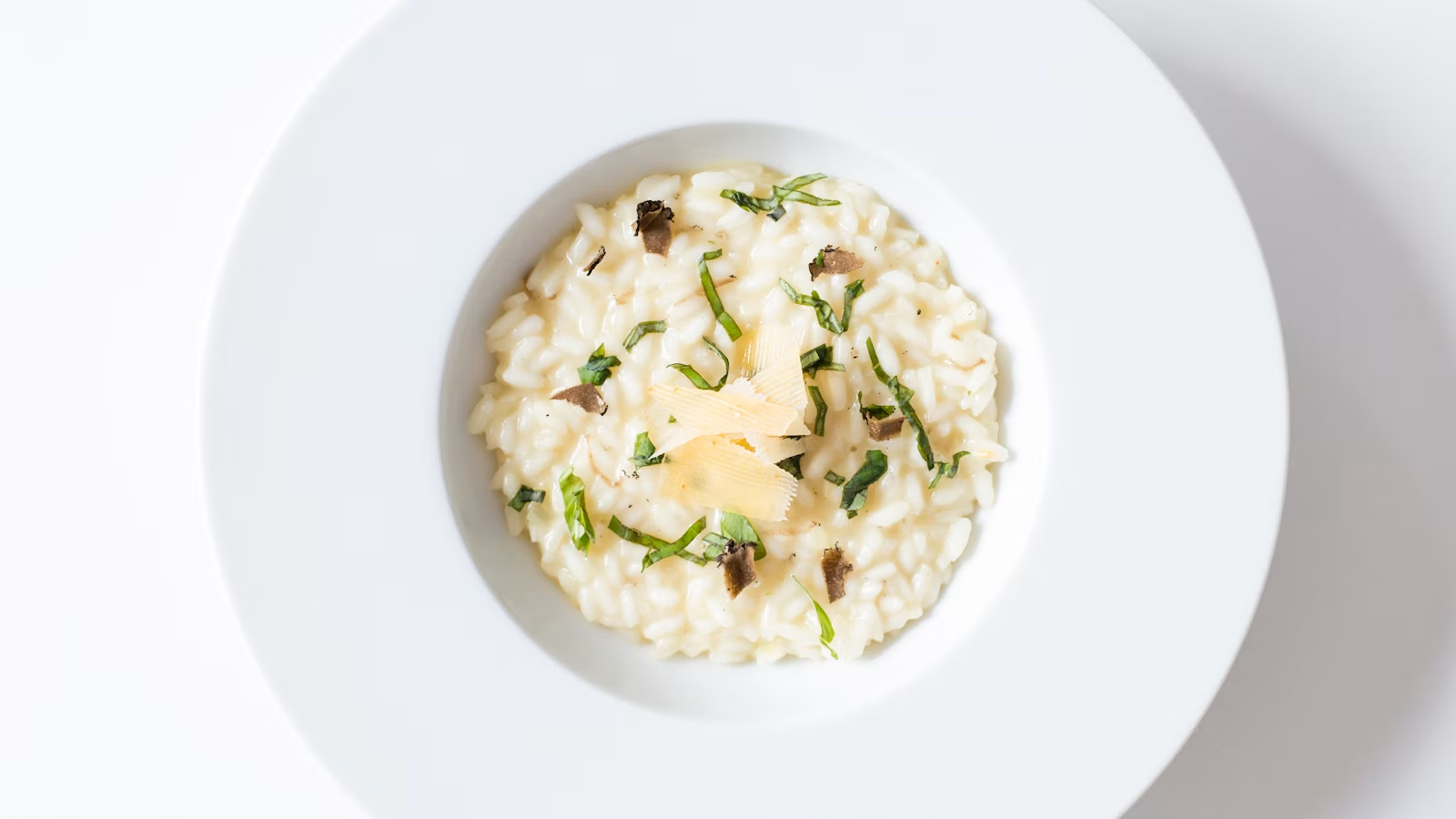
It appears in dishes as different as Persian tahdig, Kashmiri tea, Spanish paella, Moroccan tagines, Indian sweets, French bouillabaisse, and Italian risotto alla Milanese. That range makes sense because saffron likes starch, dairy, seafood, and gentle broths. It can sit quietly behind other flavors or become the whole point of the plate.
Why is saffron so expensive?
The price follows the labor. Flowers bloom for a short period, the stigmas are tiny, and much of the work is done by hand. Drying and grading add more care, while the final weight is almost comically small. You are paying for concentrated plant material, not fancy packaging—although fancy packaging certainly knows how to join the party.
High value also makes this spice vulnerable to adulteration. In a coordinated European Commission study, some saffron samples were flagged as being at risk of substitution, fillers, or added color. That is a practical reason to buy whole threads from a reputable seller rather than the cheapest anonymous powder. ISO 3632 sets specifications for saffron quality, and trustworthy brands may mention testing to that standard.
What does saffron taste like?
Saffron tastes floral and honeyed, with hay-like, earthy notes and a gentle bitterness. Its aroma is more distinctive than its heat—because there is no chile-like heat at all. The flavor can read differently depending on the dish: creamy in milk, savory in stock, brighter with citrus, and especially fragrant around butter.
No common substitute recreates that combination. Turmeric can provide yellow color, but it brings a different earthy flavor. Safflower contributes color with much less perfume. If saffron is central to a dish, replacing it changes the dish; if it is mostly decorative, accepting that change may be kinder than forcing a fake.
How to use saffron without wasting it
For most home cooking, start with the amount in a tested recipe. Lightly crush the threads between your fingers or in a mortar, then steep them in a few tablespoons of warm water, milk, or stock for 10 to 20 minutes. Add both the golden liquid and softened threads to the dish. This “bloom” spreads the flavor and color more evenly than dropping dry threads into one corner of the pan.
For a liquid dish that cooks gently for a while, you can add the threads early and let the pot do the extracting. For something quick, blooming first is insurance. It is especially useful in risotto, rice pilaf, custard, bread dough, and cream sauces. Keep the surrounding seasoning measured; a complicated blend such as garam masala can easily bury the delicate aroma.
How to buy and store saffron
Choose threads that are mostly deep red, dry, and distinct rather than dusty or damp. A floral, warm aroma should be noticeable when you open the container. Avoid bargain jars with vague origins, loud artificial color, or lots of pale yellow material. Powder is convenient, but it is harder to judge with your eyes and easier to dilute.
Store the threads airtight, away from heat, moisture, and direct light. A small opaque jar in a cool cupboard is sensible; the ledge above the stove is not. Buy modest quantities and use them while the aroma is lively. One good pinch in dinner is more satisfying than guarding a fading jar for a holiday that never quite makes the calendar.
Culinary instructor Azlin Bloor demonstrates how she grinds and blooms saffron in hot water. Her method includes an optional small pinch of salt or sugar to help with grinding; choose according to the dish.
Sources
- Kew: Crocus sativus plant details
- ISO 3632-1:2025 saffron specification
- European Commission: Herbs and spices authenticity study
- Serious Eats: How to use saffron

Hi, I’m Laura, the voice behind Tastiva. I’ve always believed that eating well should feel enjoyable, comforting, and realistic—not like another complicated rule to follow. I love creating recipes that fit into everyday life, sharing simple nutrition ideas, and finding small ways to make meals feel a little better without losing the pleasure of good food.