
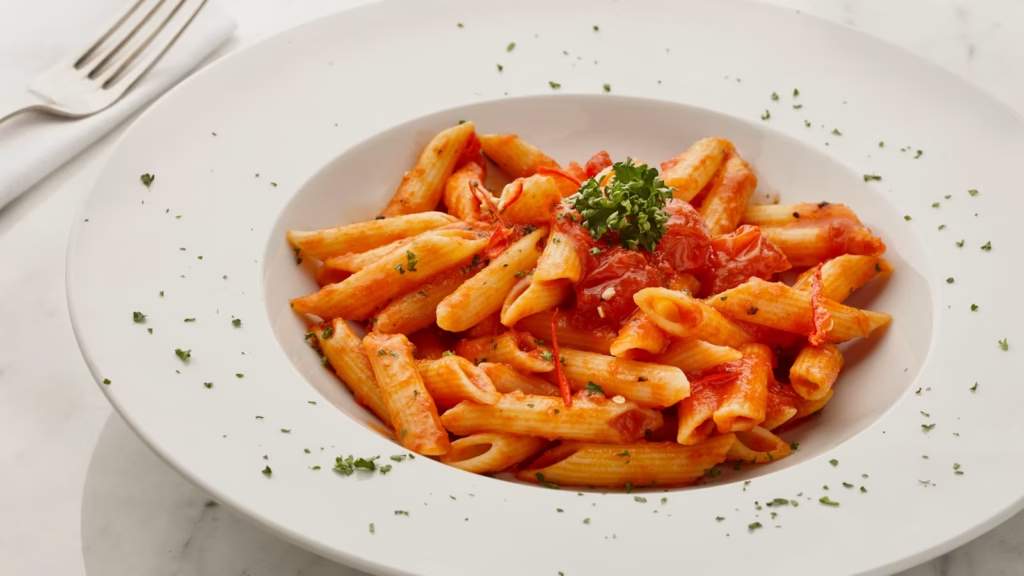
A box of pasta can look like dinner solved—right up until you open the refrigerator and find three vegetables, half a jar of something, and no actual plan. Good pasta recipes do not need a long ingredient list. They need one clear flavor direction, a shape that suits the sauce, and enough pasta water to bring everything together.
Choose the sauce by the effort you have, match it to a useful shape, and let the pasta finish cooking in the pan.
Choose a pasta recipe by sauce and effort
The easiest way to narrow the options is to decide what kind of evening this is. If you have 15 minutes, start with olive oil, garlic, lemon, canned tomatoes, or a spoonful of pesto. With 30 minutes, mushrooms, sausage, broccoli, or a quick cream sauce become realistic. A baked pasta asks for more time, but it pays you back with make-ahead convenience.
Shape matters because it changes how the sauce travels from pan to fork. Long strands suit smooth oil, butter, and light tomato sauces. Tubes and ridged shapes catch chunky vegetables or meat, while twists hold pesto and creamy sauces in their curves. Our guide to spaghetti and durum wheat explains what that familiar dried-pasta label means.
- Fast and bright: Choose spaghetti or linguine with lemon, olive oil, herbs, and Parmesan.
- Chunky and hearty: Use rigatoni, penne, or shells for sausage, beans, or chopped vegetables.
- Silky and creamy: Try tagliatelle, fettuccine, or twists that can carry a smooth sauce without disappearing beneath it.
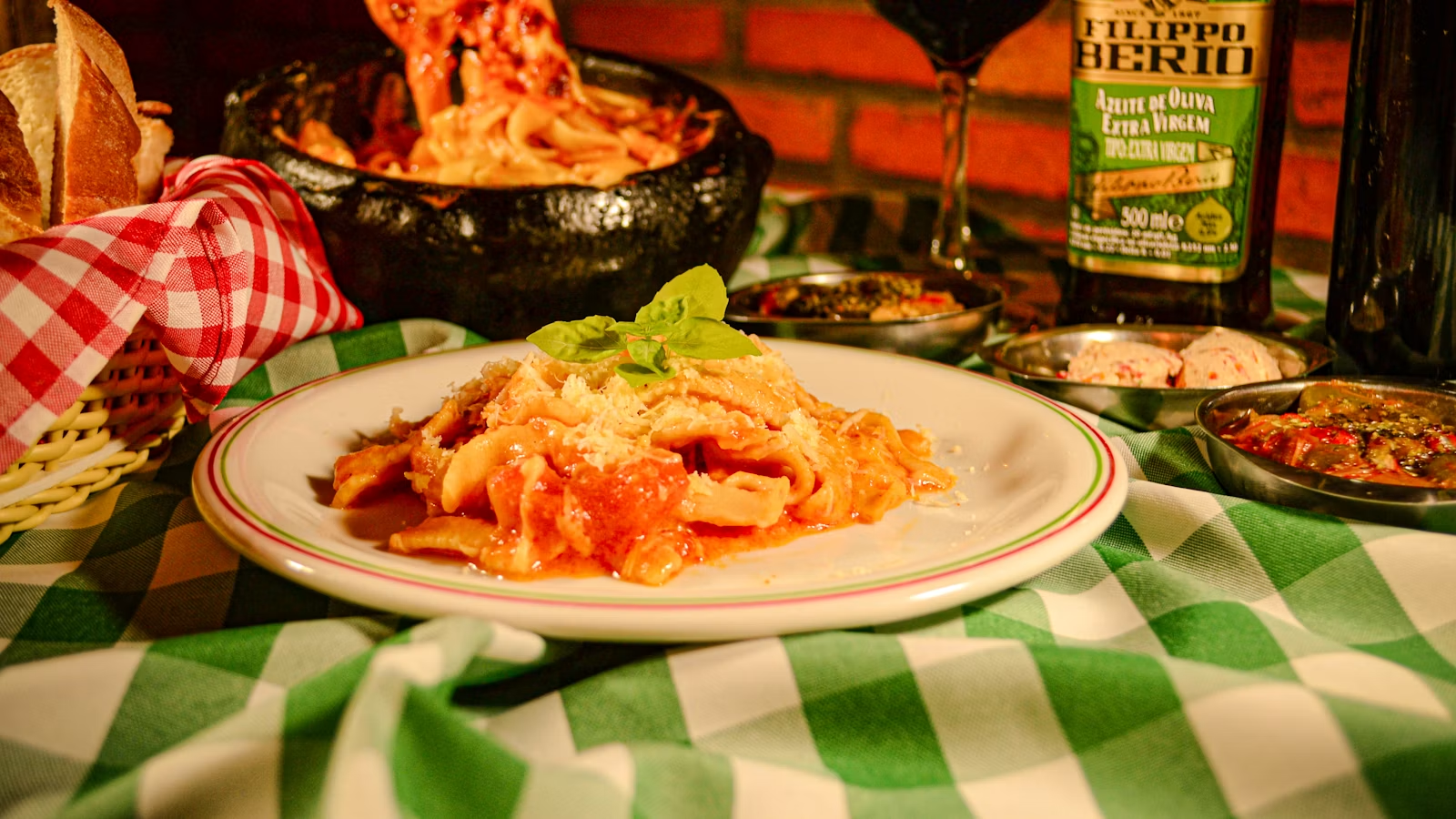
12 easy pasta recipes for the rotation
Think of these as practical dinner directions rather than rigid formulas. Use the amount of pasta your household needs, season the sauce deliberately, and add vegetables or protein according to what is available. I would rather offer a flexible idea you can use tonight than pretend every Tuesday requires a special shopping expedition.
- Lemon-garlic spaghetti: Warm sliced garlic in olive oil, add lemon zest and juice, then loosen with pasta water and finish with Parmesan.
- Cherry tomato and basil penne: Let halved tomatoes collapse in a skillet until juicy, then fold in basil and pasta.
- Creamy mushroom tagliatelle: Brown the mushrooms before adding garlic and a modest splash of cream, so the sauce tastes savory rather than simply rich.
- Sausage and pepper rigatoni: Render crumbled sausage, soften sliced peppers, and add tomatoes for a chunky sauce that settles into the tubes.
- Spinach-ricotta ravioli: Dress filled pasta gently with brown butter, lemon, and wilted spinach rather than burying the filling.
- Broccoli pesto fusilli: Blend tender broccoli with basil, nuts or seeds, Parmesan, and olive oil for a green sauce with real body.
- Chickpea tomato shells: Simmer chickpeas in a garlicky tomato sauce and use shells that can catch a few beans in every serving.
- Tuna and caper linguine: Combine good canned tuna, capers, parsley, lemon, and olive oil for a pantry dinner that stays pleasantly sharp.
- Classic lasagne: When you want a weekend project or freezer meal, our beef and béchamel lasagne recipe gives the full layering method.
- Butternut squash pasta: Mash roasted squash with stock and Parmesan for a velvety sauce, then balance its sweetness with sage or black pepper.
- Spicy ’nduja tomato bucatini: Melt a small amount of ’nduja into tomatoes; its chile and pork flavor is assertive, so taste before adding more.
- One-pot greens and white beans: Simmer short pasta with broth, beans, and sturdy greens, adding liquid gradually until the starch makes its own light sauce.
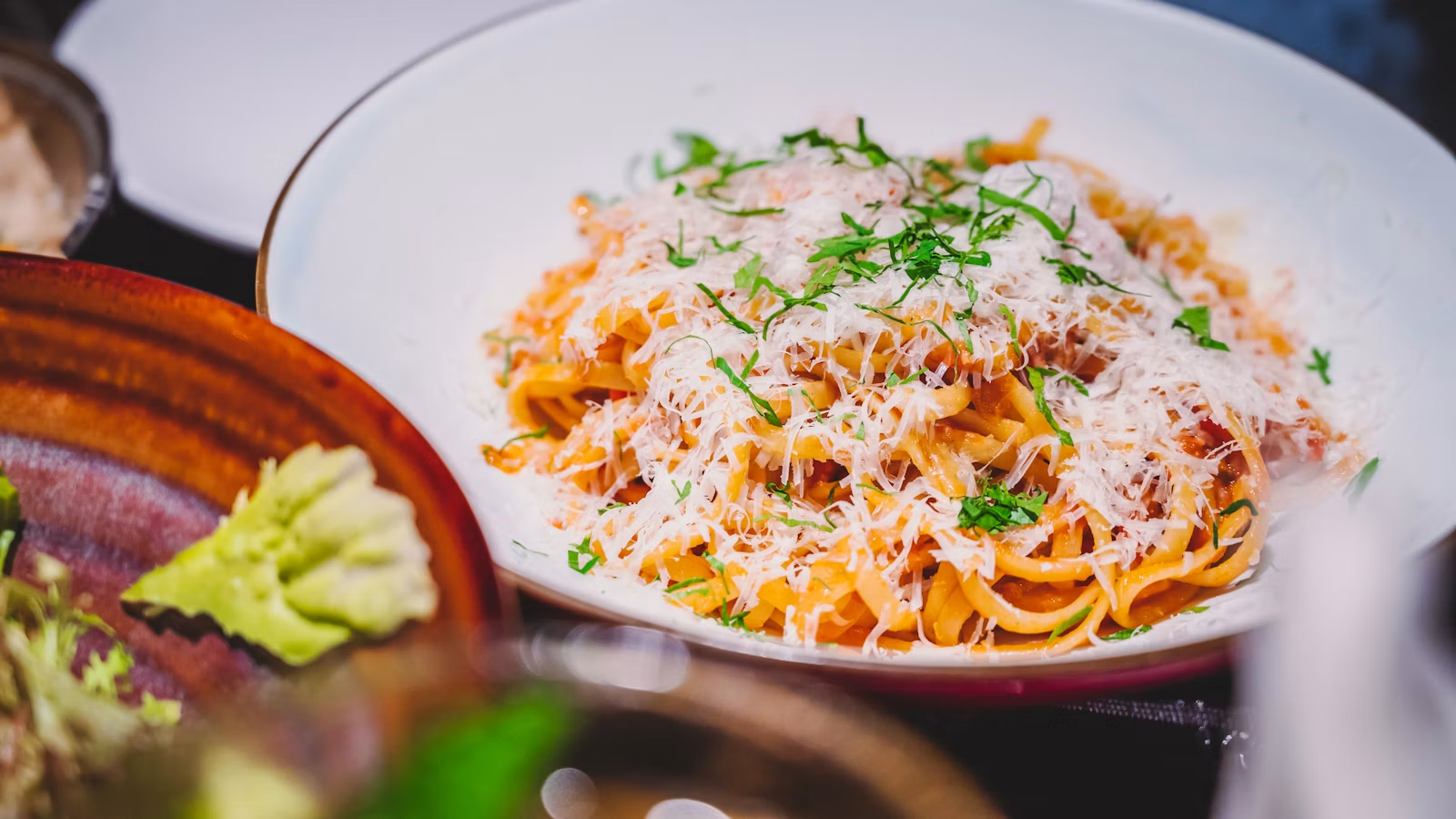
Cook the pasta and sauce as one dish
Boiling pasta and making sauce are not two unrelated jobs. Salt the water, cook the pasta until just shy of your preferred texture, and reserve at least one cup of the cloudy cooking water before draining. Move the pasta into the sauce and finish it there for a minute or two. The starch in that water helps oil, cheese, and liquid form a sauce that clings instead of collecting sadly at the bottom of the bowl.
Start with less pasta water than you think you need—about a quarter cup—then add more in small splashes. Cheese sauces need lower heat because hard cheese can clump when the pan is blazing hot. Tomato sauces can usually take a livelier simmer. If you are choosing between grated cheeses, our guide to pecorino explains why its saltiness and intensity differ from Parmesan.
- Skip oil in the cooking water; it does not prevent sticking as effectively as stirring and can make sauce harder to cling.
- Follow the package time as a checkpoint, then taste. Shape, brand, and whether the pasta will cook again in sauce all matter.
- Adjust at the end: a little acid wakes up a flat sauce, pasta water loosens a tight one, and cheese adds both richness and salt.
Make-ahead tips and useful leftovers
For the best texture, make the sauce ahead and boil pasta close to serving. Tomato sauce, ragù, pesto, and roasted-vegetable sauces are good candidates for advance prep. Cream and cheese sauces are more temperamental; they can thicken or separate, so reheat them gently with a splash of water or milk rather than attacking them with high heat.
Refrigerate cooked pasta and sauce promptly in shallow covered containers and use leftovers within three to four days, following USDA guidance. Reheat only the portion you need until steaming hot. Plain pasta tends to dry out, while sauced pasta holds moisture better; a spoonful of water before reheating can soften the edges without turning dinner into soup.
- For baked pasta: Undercook the noodles slightly because they will continue softening in the oven.
- For lunch: Pack extra sauce separately if possible, then stir it in before reheating.
- For the freezer: Freeze a sturdy sauce on its own or assemble a baked pasta; delicate cooked noodles usually lose more texture after thawing.
Essen Recipes demonstrates two ground-beef pasta dishes below, including a creamy one-pot version. They are additional examples rather than exact versions of the 12 flexible ideas above.
Sources
- National Pasta Association: Cooking Techniques
- International Pasta Organisation: Pasta Cooking and Pairing Guidance
- FoodSafety.gov: Four Steps to Food Safety
- USDA Food Safety and Inspection Service: Leftovers and Food Safety

Hi, I’m Laura, the voice behind Tastiva. I’ve always believed that eating well should feel enjoyable, comforting, and realistic—not like another complicated rule to follow. I love creating recipes that fit into everyday life, sharing simple nutrition ideas, and finding small ways to make meals feel a little better without losing the pleasure of good food.