
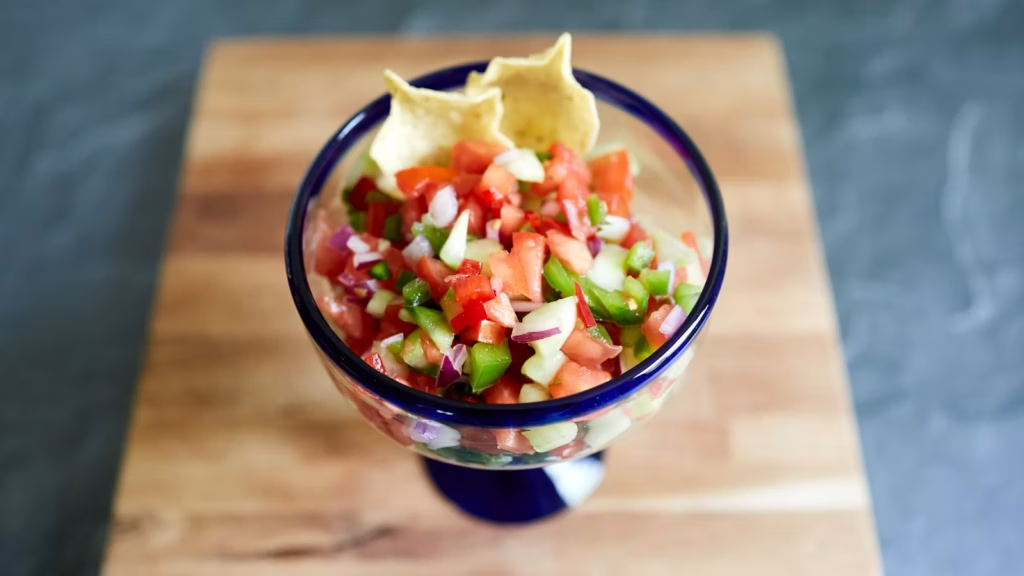
Pico de gallo is the fresh salsa I make when tomatoes are juicy, the cilantro is lively, and dinner needs a sharp little wake-up call. Also called salsa fresca or salsa bandera, it is a simple mix of chopped tomato, white onion, fresh chile, cilantro, lime, and salt. The magic is not in adding more ingredients. It is in cutting everything evenly, controlling excess tomato juice, and giving the mixture a few quiet minutes to come together. The result should be chunky, bright, and spoonable—not a watery bowl of tomato confetti.
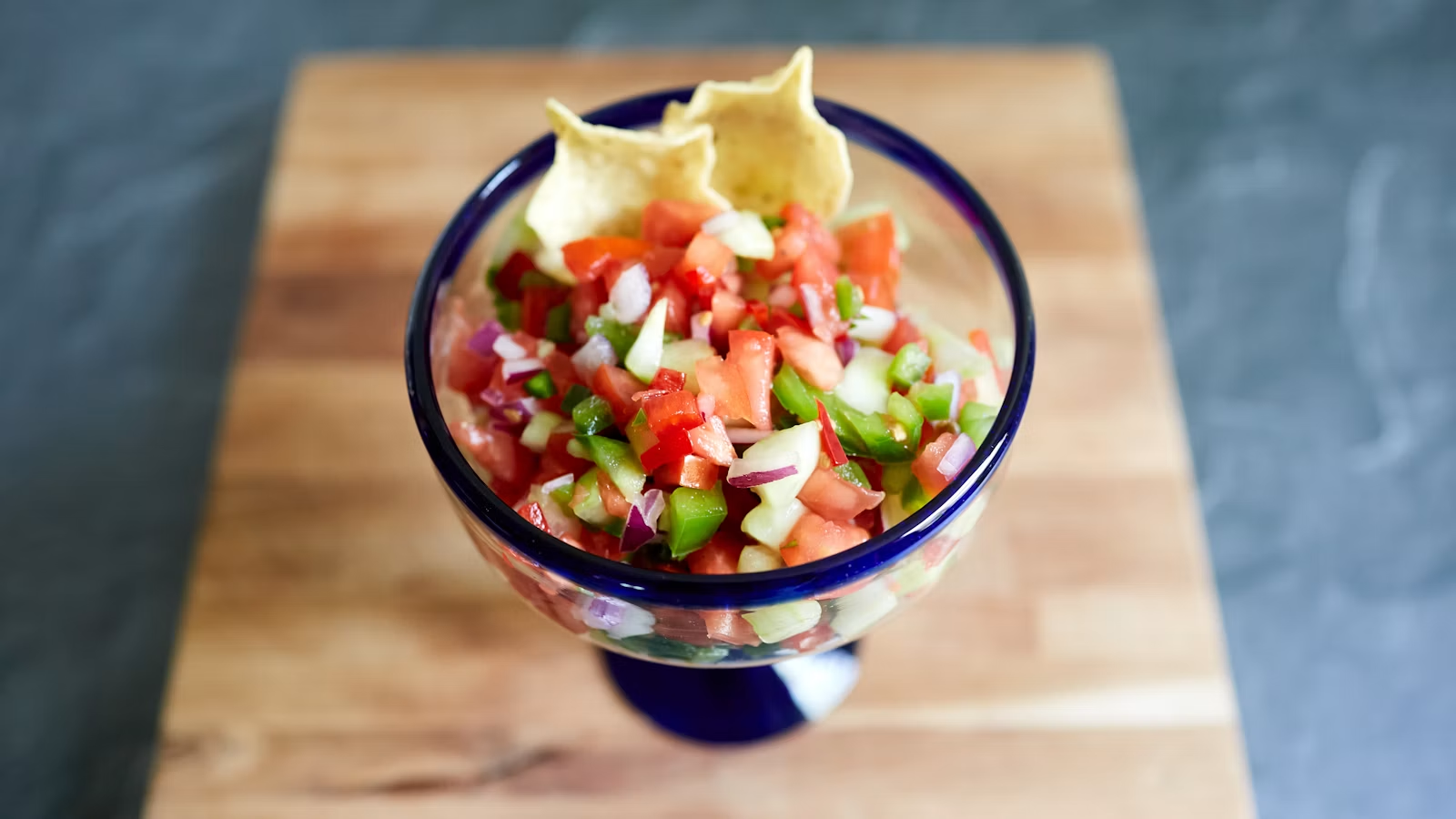
Dice the vegetables small, salt at the end, and let the salsa rest for 10 minutes before you judge it.
Ingredients that make pico de gallo taste fresh
Mexico’s Agriculture Ministry describes fresh pico de gallo with the same straightforward backbone: tomato, onion, cilantro, chile, and lime. Because there is nowhere for tired produce to hide, choose ripe but firm tomatoes. Roma tomatoes are especially useful because their flesh is meaty and their seed pockets are modest, which helps the salsa stay chunky.
- Tomatoes: Ripe and fragrant, but still firm enough to dice neatly.
- White onion: Crisp, clean, and traditional; rinse it briefly if its bite feels aggressive.
- Jalapeño or serrano: Jalapeño is usually gentler, while serrano brings a brighter, more direct heat.
- Cilantro: Use tender leaves and upper stems, chopped just before mixing.
- Lime and salt: They sharpen every flavor, but too much juice or early salting can pull water from the tomatoes.
I skip garlic, cumin, and oil in the basic version. They are not wrong, exactly, but they steer the bowl toward a different salsa. Pico de gallo tastes best when the vegetables remain distinct and the lime feels like a bright outline rather than a marinade.
How to make pico de gallo without a watery puddle
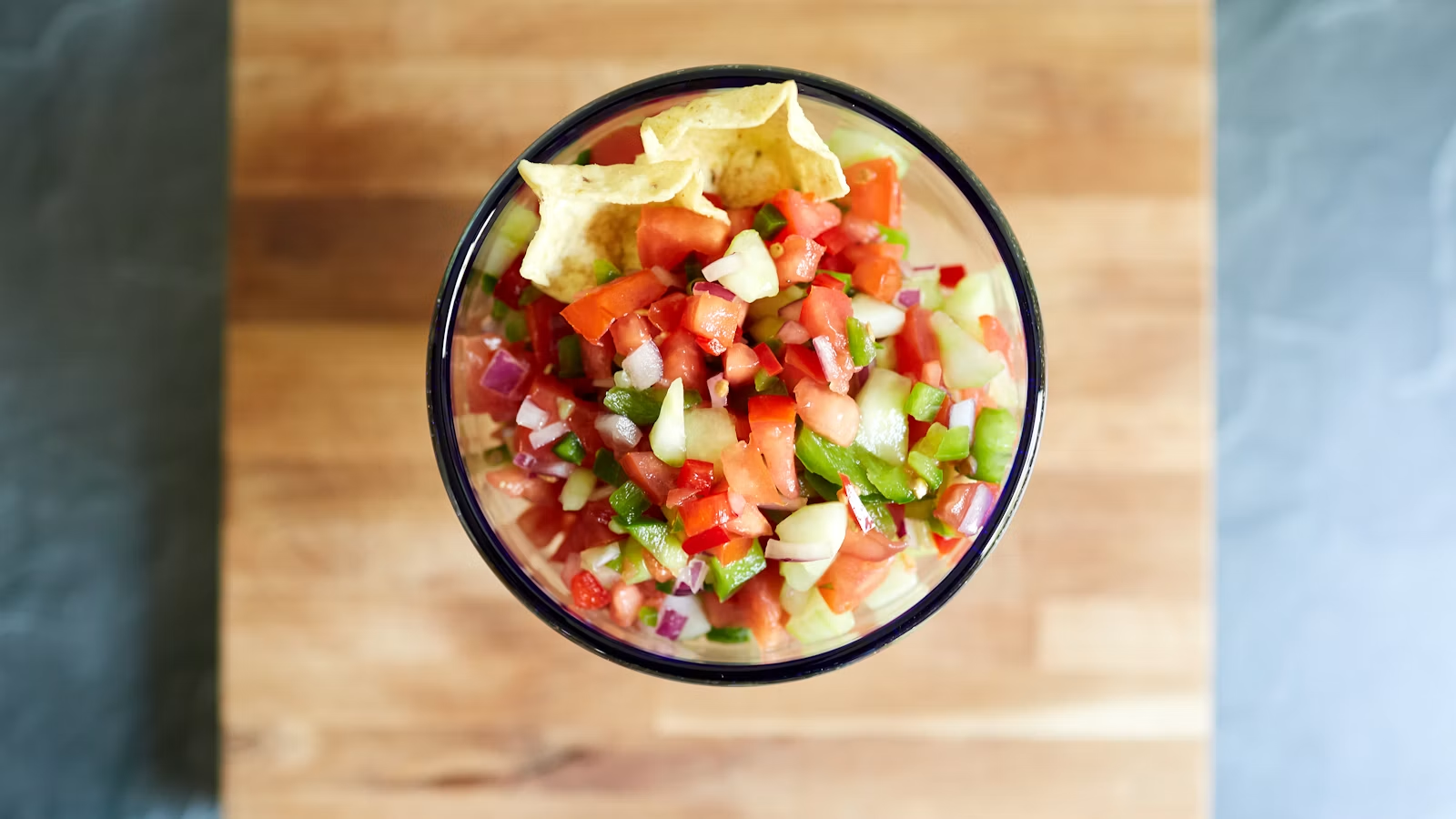
Start by cutting the tomatoes into small, even cubes. If they are extremely juicy, halve them first and scoop out only the loosest seed gel; there is no need to scrape them hollow. Let the diced tomato sit in a strainer for five minutes while you chop the onion, chile, and cilantro. This small pause does more for texture than squeezing the tomatoes or burying them under extra salt.
Mix the vegetables, add lime juice, then season with salt. Rest the salsa for 10 minutes so the onion softens slightly and the juices mingle. Stir once more and taste with a tortilla chip, not from a plain spoon, if chips are how you plan to serve it. The salt on the chip changes the balance. Add more lime or salt only after that test; pico de gallo is much easier to brighten than to rescue from a lime flood.
Uniform chopping matters because every bite should contain tomato, onion, chile, and cilantro. A food processor works too quickly here and tends to bruise the cilantro while turning tomato edges mushy. A sharp knife takes a few extra minutes, but the clean texture is worth it.
Easy ways to adjust the heat and flavor
Chile heat varies wildly, even within the same bag. Taste a tiny sliver before adding it, then begin with half. Removing the pale inner ribs and seeds usually reduces the heat, although the ribs hold more capsaicin than the seeds themselves. For a hotter bowl, use serrano or keep more of the ribs. For a mild version, use a small seeded jalapeño and let lime, onion, and cilantro lead.
- Too sharp: Add more diced tomato and let the mixture rest another five minutes.
- Too watery: Lift the solids into a clean bowl with a slotted spoon rather than adding thickeners.
- Too flat: Add a pinch of salt first, then a small squeeze of lime.
- Making it ahead: Chop the ingredients a few hours early, but combine and salt them closer to serving.
Serving and storing fresh salsa
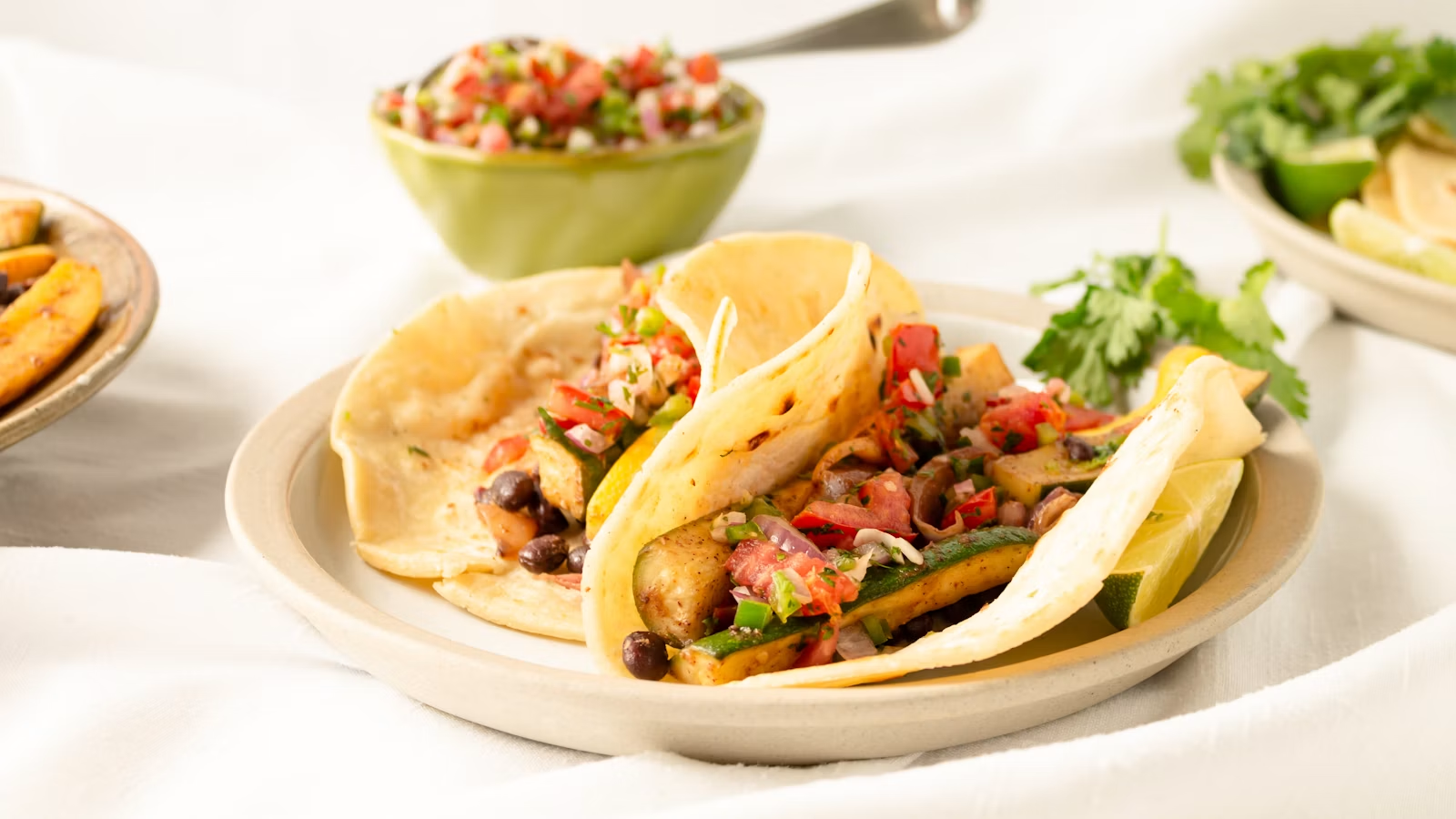
Pico de gallo belongs beside tortilla chips, but that is only the beginning. Spoon it over eggs, grilled fish, bean bowls, quesadillas, or roasted vegetables. It brings welcome crunch to our barbacoa-style beef, and it is the brisk, juicy partner to creamy chunky guacamole. I also like it over a simple baked potato when lunch needs more personality and the refrigerator looks suspiciously quiet.
Because pico de gallo contains cut tomatoes and other raw produce, refrigerate it promptly in a covered container. The FDA treats cut tomatoes as food that needs temperature control and recommends holding them at 41°F (5°C) or colder in retail guidance. At home, follow the USDA’s broader rule: refrigerate perishable food within two hours, or within one hour when the temperature is above 90°F (32°C). For the best texture, eat this salsa within two days. Stir before serving and discard it if it smells fermented, looks slimy, or sat out beyond safe limits.
Pico de Gallo Recipe

Ingredients
- 1 pound Roma tomatoes about 4 medium; cored and diced small
- 1/2 cup white onion finely chopped
- 1 jalapeño or serrano chile stemmed and finely chopped; seed for less heat
- 1/3 cup fresh cilantro finely chopped
- 2 tablespoons fresh lime juice plus more to taste
- 1/2 teaspoon fine salt plus more to taste
Equipment
- 1 Sharp knife
- 1 Cutting board
- 1 Medium mixing bowl
Instructions
- Dice the tomatoes into small, even cubes. If they are very juicy, place them in a strainer for 5 minutes while you prepare the remaining ingredients.
- Finely chop the onion, chile, and cilantro. For milder salsa, remove the chile’s pale inner ribs and seeds before chopping.
- Combine the drained tomatoes, onion, chile, cilantro, lime juice, and salt in a medium bowl. Stir gently until evenly mixed.
- Let the pico de gallo rest for 10 minutes. Stir, taste with the food you plan to serve it with, and add more salt or lime juice if needed.
- Serve with tortilla chips or spoon over tacos, eggs, grilled fish, beans, or roasted vegetables. Use a slotted spoon if extra juice collects in the bowl.
Nutrition
Video
Notes
- For less bite, rinse the chopped white onion briefly under cold water and drain it well.
- Chile heat varies. Start with half, rest the salsa, then add more if needed.
- Refrigerate promptly in a covered container and enjoy within 2 days for the best texture.
- Nutrition is an estimate per serving and does not include tortilla chips or other accompaniments.
Tried this recipe?
Let us know how it turned out!Sources
- Mexico Secretariat of Agriculture: Mexico Through Its Salsas
- Mexico Secretariat of Agriculture: The Secret Is in the Salsa
- U.S. FDA: Storage and Handling of Tomatoes
- USDA FSIS: Keep Food Safe
Hi, I’m Laura, the voice behind Tastiva. I’ve always believed that eating well should feel enjoyable, comforting, and realistic—not like another complicated rule to follow. I love creating recipes that fit into everyday life, sharing simple nutrition ideas, and finding small ways to make meals feel a little better without losing the pleasure of good food.