
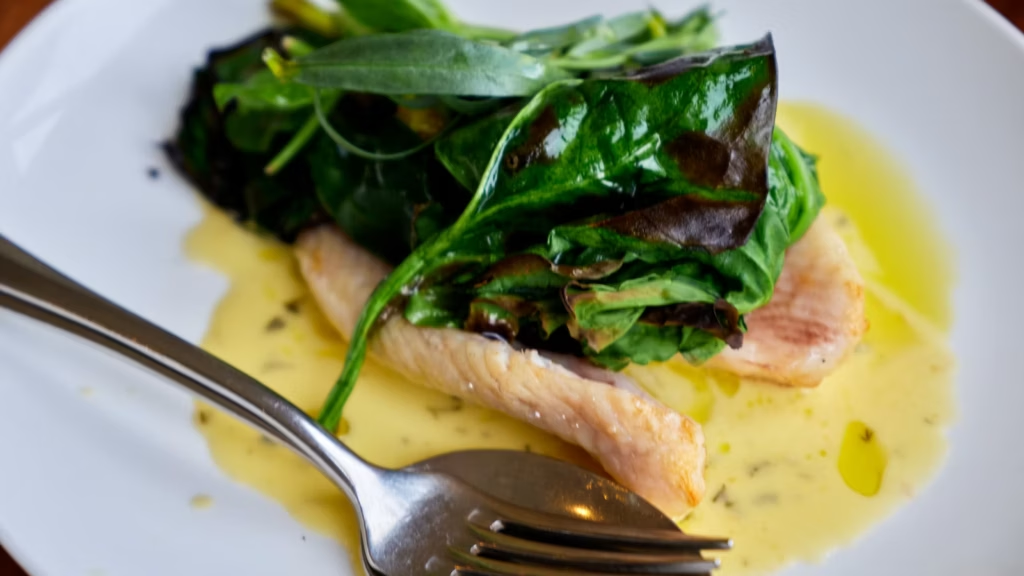
Sea bass sounds like one tidy fish, but the label can point to several very different species. Black sea bass from the western Atlantic, European sea bass, and the buttery fish sold as Chilean sea bass do not share the same habitat, texture, price, or fishery story. What they usually have in common is pale flesh, a mild flavor, and enough structure to roast, grill, or sear without falling apart at the first stern look from a spatula. The smartest way to buy it is to read past the big name on the sign and ask which species is actually in the case.
“Sea bass” is a market label, not a complete identity—check the species before you compare flavor, mercury guidance, or sustainability.
Sea bass is a market name, not one fish
Black sea bass is a true bass found along the U.S. Atlantic coast. NOAA Fisheries tracks Mid-Atlantic and South Atlantic stocks and describes it as an important commercial and recreational species. European sea bass is another distinct fish, native to the eastern Atlantic and Mediterranean region, and is sold both wild and farmed.
Chilean sea bass is the famous curveball. It is the market name used for Patagonian and Antarctic toothfish, deep-water species from cold southern oceans. NOAA’s trade material uses both names because the fish sold on a restaurant menu may bear little resemblance to the name used in fisheries management. This is not trivia for trivia’s sake: species tells you more about texture, harvest origin, and current buying guidance than the broad sea bass label does.
- Black sea bass: Leaner, delicate, and mildly sweet, with moderately firm flakes.
- European sea bass: Often sold whole or as skin-on fillets, with fine flakes and a clean flavor.
- Chilean sea bass: Richer and higher in fat, with large, silky flakes and a much higher price.
Flavor, texture, and nutrition
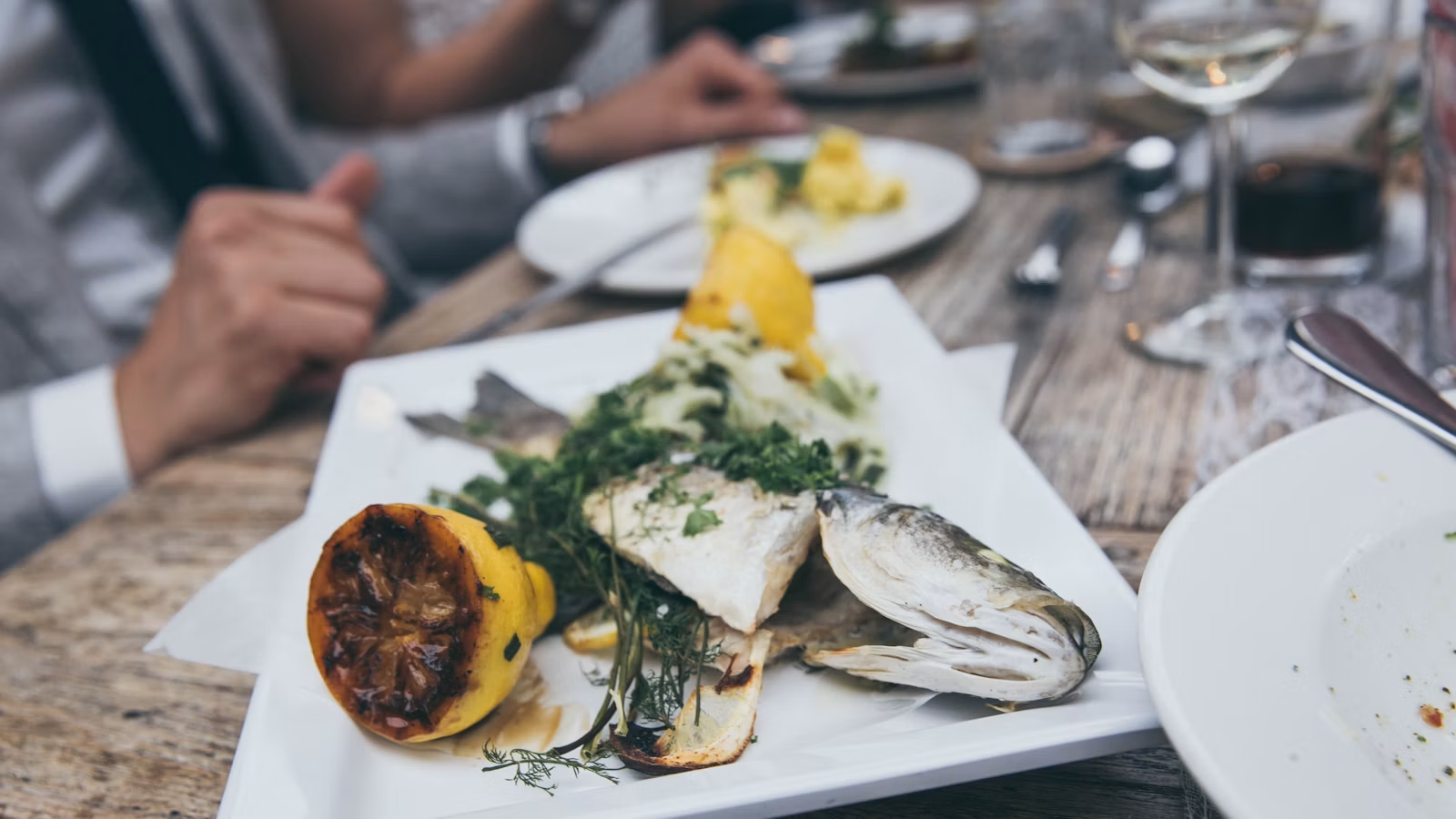
Most sea bass tastes gentle rather than aggressively “fishy.” Black and European sea bass are clean and subtly sweet, which makes lemon, herbs, tomatoes, fennel, olives, and light pan sauces natural partners. Chilean sea bass is noticeably richer; its generous fat content gives it a buttery mouthfeel and makes it more forgiving in the pan. Treating every type the same is how a lean fillet turns dry while a thick toothfish portion remains underdone in the center.
Sea bass can contribute protein and several micronutrients found in seafood, but the exact nutrition depends on the species and portion. Mercury guidance also differs. The FDA’s fish-advice chart lists black sea bass among lower-mercury “Best Choices,” while Chilean sea bass requires more limited frequency in the current advice. That distinction matters most for people who are pregnant or breastfeeding and for young children. Check the current FDA chart rather than assuming all fish behind one market name belong in the same bucket.
If you enjoy comparing mild fish, our guides to dorado fish and monkfish show how texture and fat change the best cooking method. Sea bass sits somewhere between them: more delicate than monkfish, generally richer than a very lean white fillet.
How to buy sea bass responsibly
Start with the full species name, then ask where and how the fish was caught or farmed. Fishery status and environmental performance are not permanent labels; they can vary by stock, gear, country, and year. For black sea bass in the United States, NOAA publishes stock and management information. For toothfish, NOAA participates in a catch-documentation system designed to track legal trade and reduce illegal, unreported, and unregulated harvest.
- Look for: A clear species name, harvest country or region, and wild or farmed identification.
- Ask about: Fishing gear, certification, or traceability when the package gives only a vague sea bass label.
- Judge freshness: Fillets should look moist and translucent, not dry at the edges, with a clean ocean smell rather than a sharp ammonia note.
- Plan portions: Buy only what you will cook within a day or two, especially when paying a premium for Chilean sea bass.
A trustworthy fish counter should answer basic origin questions without turning the conversation into a maritime mystery novel. If the seller cannot identify the species, choose a clearly labeled alternative. Good seafood decisions begin with useful information, not with guilt and guesswork.
How to cook sea bass without drying it out
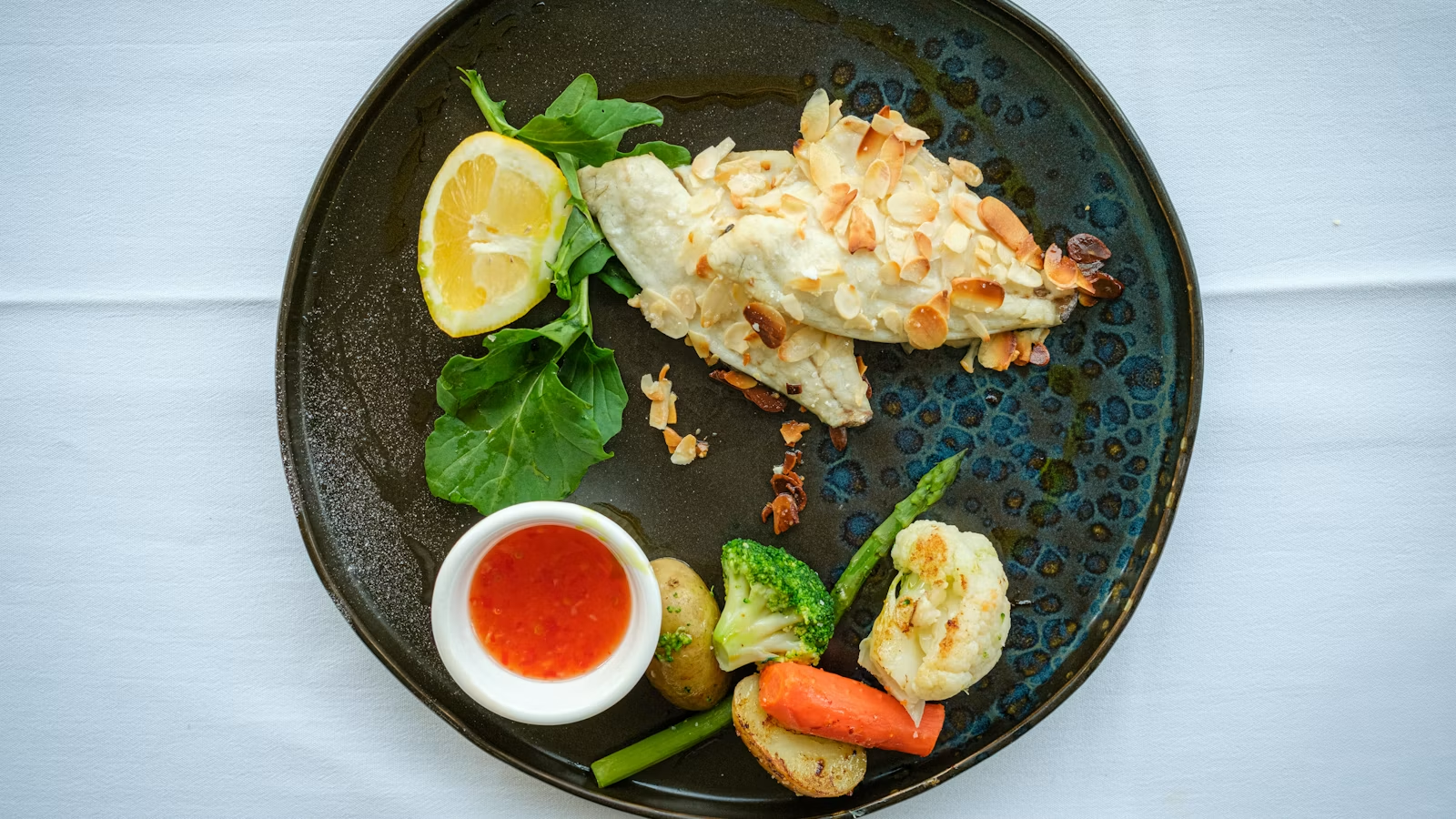
For skin-on fillets, pat the fish very dry and score only if the skin is thick enough to curl. Heat a thin film of neutral oil in a skillet over medium-high heat, season the fish, and place it skin-side down. Press gently for the first 20 seconds, then leave it alone until the skin is crisp and the flesh looks opaque about two-thirds of the way up. Flip briefly to finish. A thin black sea bass fillet may need only a minute on the second side; a thick Chilean sea bass portion needs gentler, longer heat.
Roasting is calmer and excellent for thicker portions. Set the fish in a lightly oiled baking dish with lemon, pepper, and herbs, then cook until the center is just opaque. FoodSafety.gov gives 145°F (63°C) as the safe minimum temperature for finfish, or advises cooking until the flesh is no longer translucent and separates easily with a fork. Check the thickest part, because carryover heat will continue working after the pan leaves the oven.
Finish lean sea bass with olive oil, herb sauce, or a spoonful of tomato relish. Let richer Chilean sea bass meet acidity—lemon, vinegar, citrus, or capers—so the plate stays lively. Serve it straight away with greens, beans, roasted potatoes, or grains. Fish waits for nobody, and sea bass is especially honest about it.
Gordon Ramsay demonstrates a Mediterranean sea bass dish in the video below. It is a visual example for cooking sea bass fillets; the three fish sold under that broad name can need different handling, and the safe-temperature guidance above still applies.
Sources
- NOAA Fisheries: Black Sea Bass
- NOAA Fisheries: Chilean Sea Bass Fact Sheet
- U.S. FDA: Advice About Eating Fish
- FoodSafety.gov: Safe Minimum Internal Temperature

Hi, I’m Laura, the voice behind Tastiva. I’ve always believed that eating well should feel enjoyable, comforting, and realistic—not like another complicated rule to follow. I love creating recipes that fit into everyday life, sharing simple nutrition ideas, and finding small ways to make meals feel a little better without losing the pleasure of good food.